Growing emotional at the thought of travel perhaps isn't so strange given the year that was, but the intensity of feeling that took hold after landing at Tanzania’s Grumeti Game Reserve caught me by surprise. Having used all precautions available (pre- and post-departure testing, face shields, face masks, sanitizing wipes and sleeping pills for good measure), drinking in the openness of the Serengeti delivered a rush of optimism that I will put down to witnessing this endless expanse of land teeming with life.
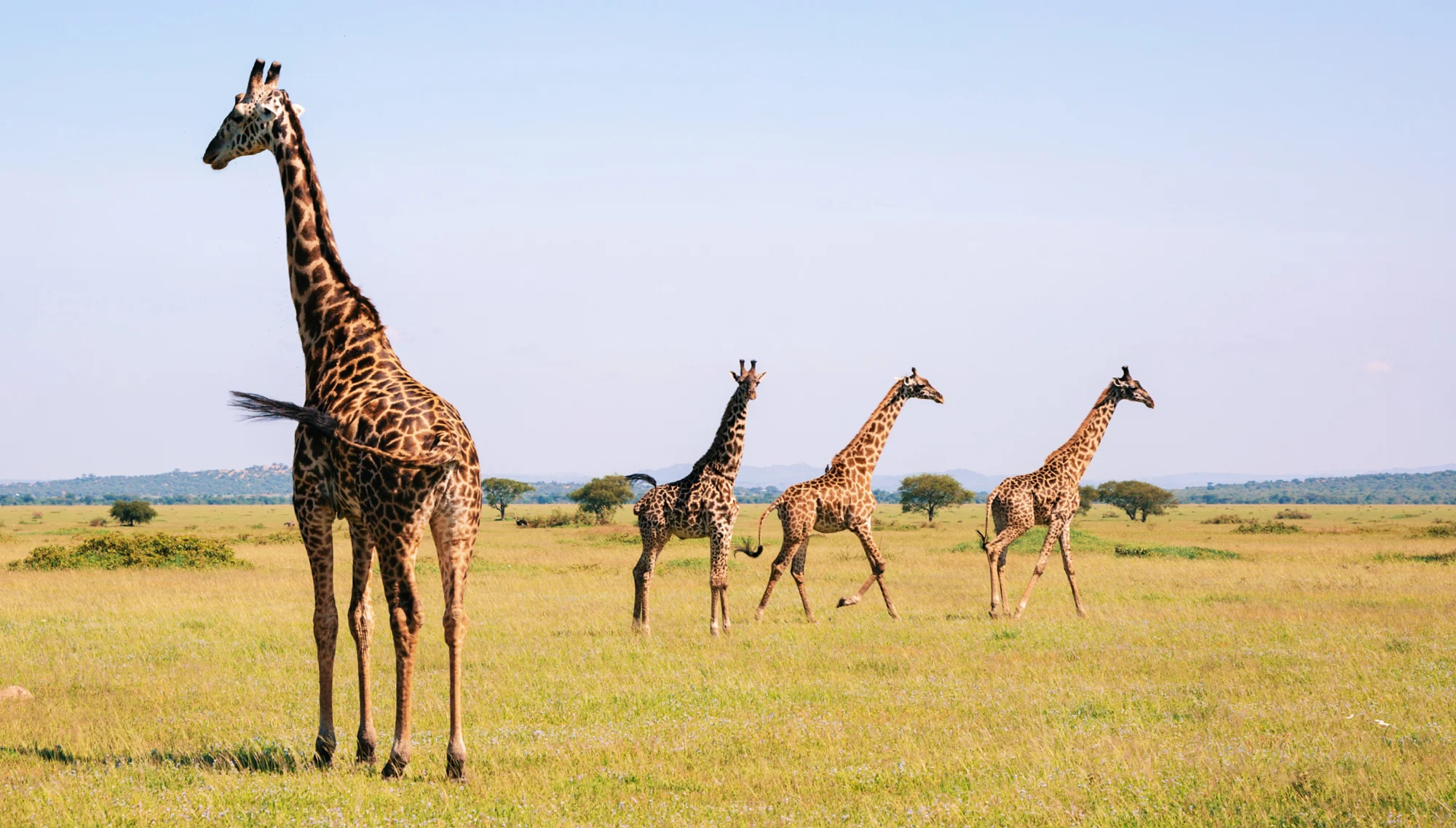
In a year that felt like everything just stopped, here was a place that kept on. From our base at Singita Grumeti’s Sabora and Faru Faru camps, a sense of abundance was everywhere: wildflowers scattered across the plain in numbers that matched the herd of topi just beyond; zebras, giraffes and elephants appearing as if on cue. As the days passed, the expanse of the plains somehow brought into sharper view the interconnectedness of species that exist within its boundaries, each animal roaming the landscape threatened by—or surviving—because of others around them.
A seemingly unremarkable patch of dirt that we passed seemed to sum it up best. Our guide Mishi explained that it likely would have started with zebras rolling around on the ground to clean themselves of pests, before warthogs came across the cleared patch and used the dust to coat their thin skin to protect against biting flies. The dust patch had eventually expanded to the point where, after the rains, elephants had rolled about in it, widening it each time, until finally the patch deepened under their weight, forming a watering hole that now sustains an even larger array of animals.
For those who can, experiencing a place like this in the coming year is something akin to having an open-air zoo all to yourself. Though, in truth, with the very limited capacity of the five Singita properties on this 350,000-acre reserve, this is a sensation you will still be able to experience as the world opens up again—and one worth planning for.
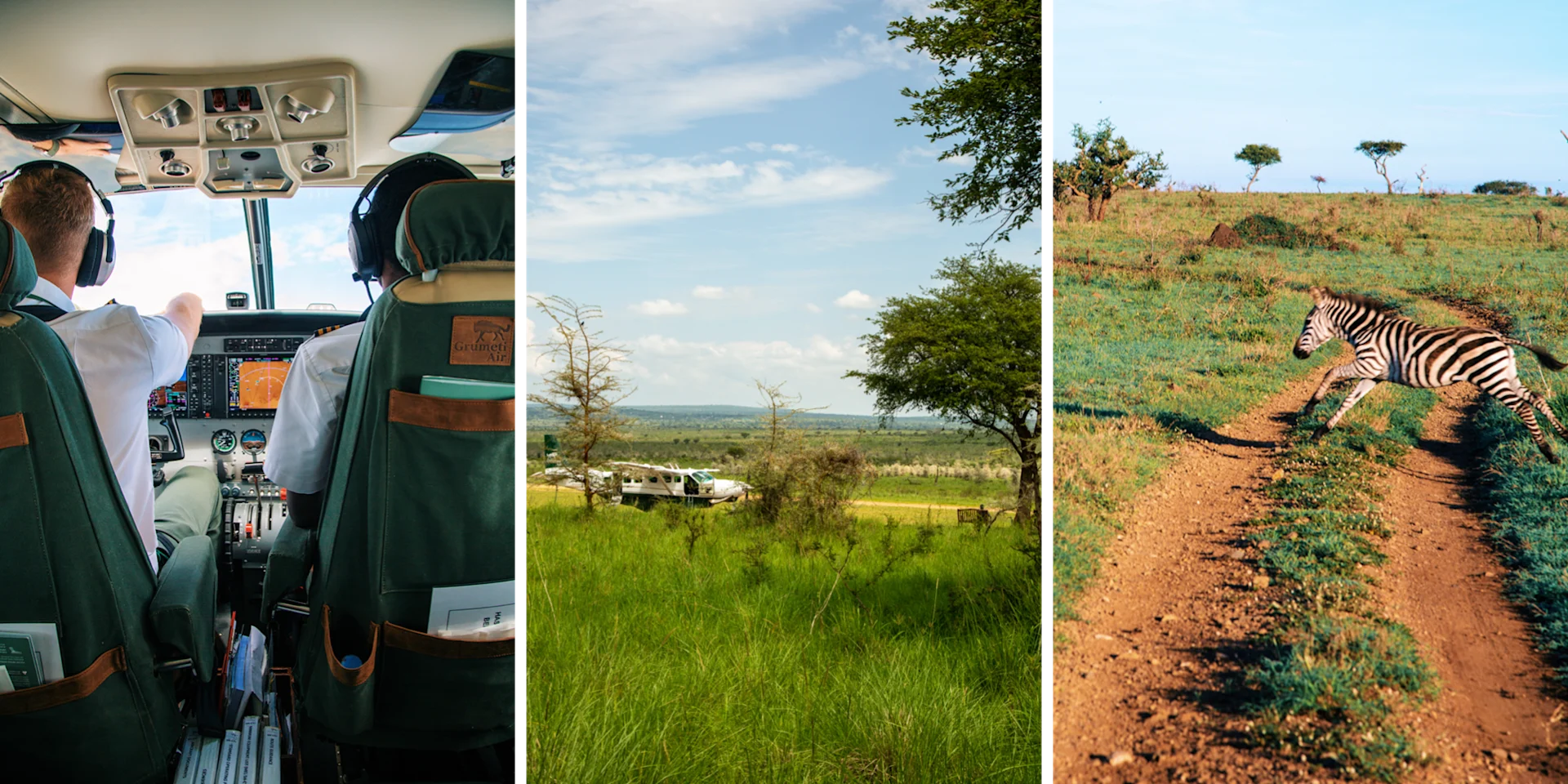
There’s something about the hum of a small plane that always puts me to sleep, though the anticipation of this flight wouldn't allow for that. As we departed Arusha for the Grumeti Reserve, we saw the land below shift from vast arid stretches to streaks of vegetation, until finally the rich green of the Seregeti in spring burst through.
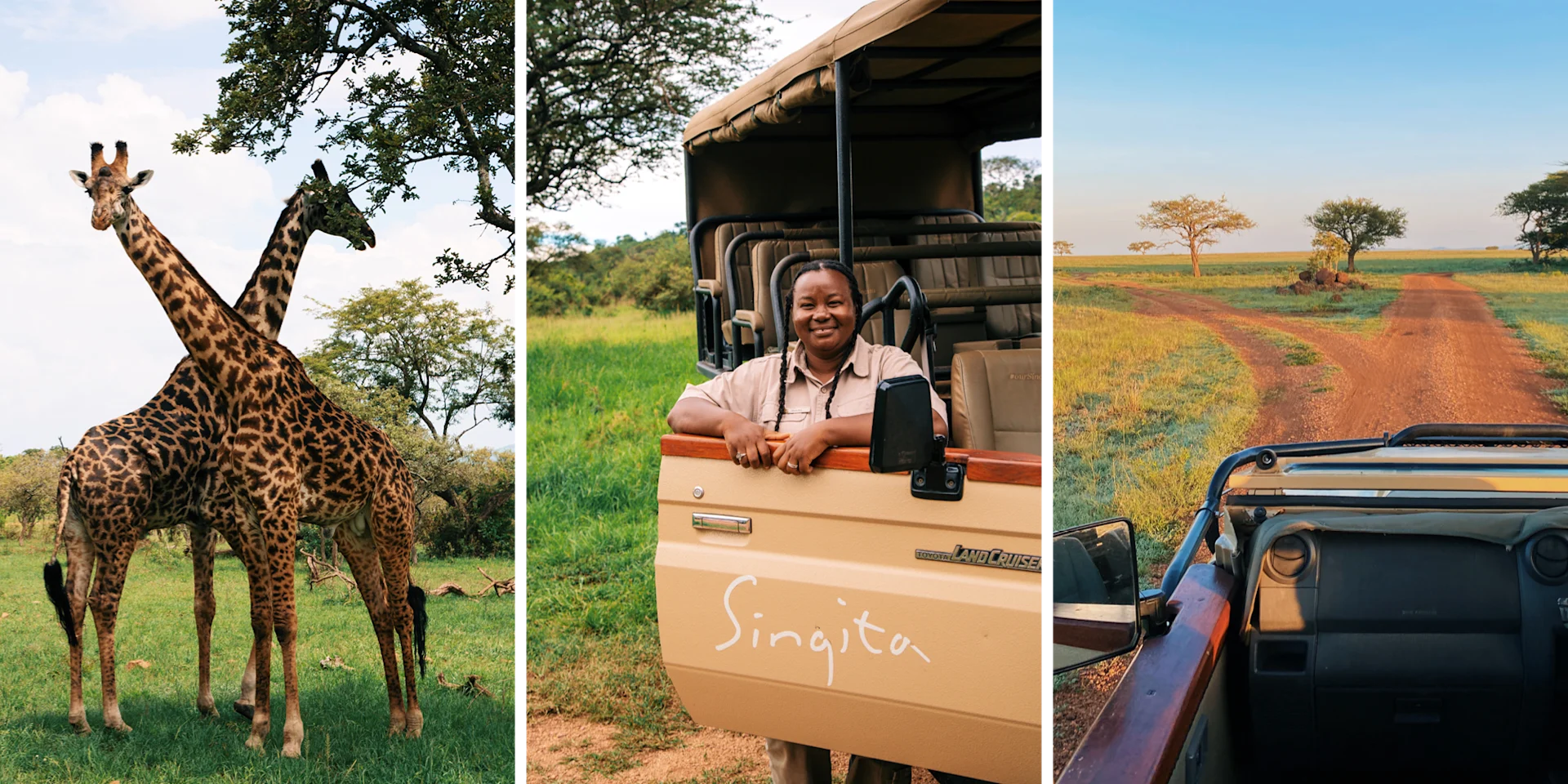
We’d barely set off for Sabora Tented Camp before our first sighting of impala, whose incessantly swishing tails were the first hint of the swarms of flies who follow the wildebeest migration. Shortly after, a herd (or “dazzle”) of zebras leapt across the road with giraffes and elephants strolling beyond. Our guide, Mishi—the only female guide in the concession—was an endless source of information. Her enthusiasm for sharing her world with us made it all the more vivid and memorable.
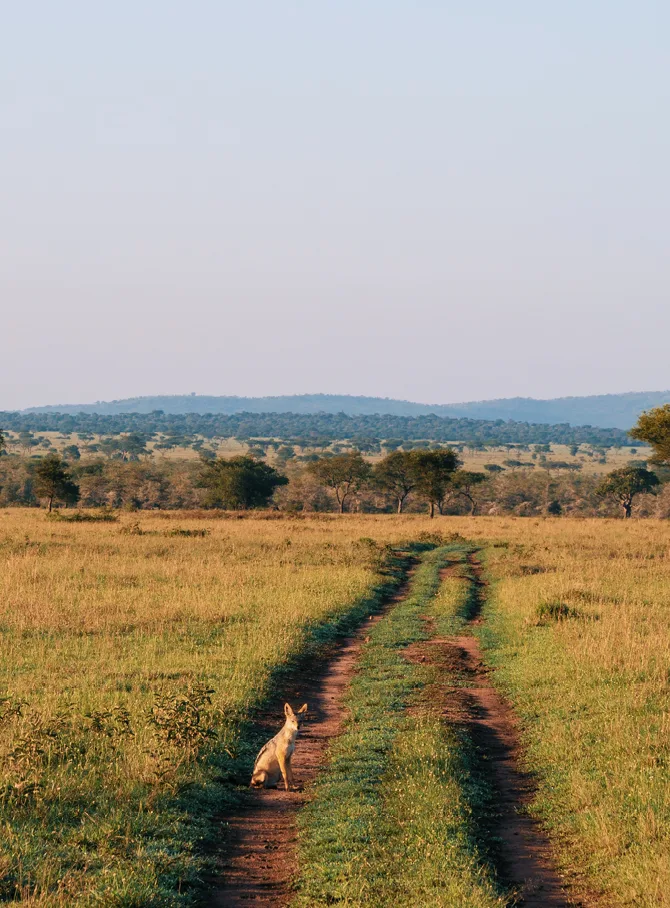
The jackals—their movements surprisingly elegant for opportunistic predators—were always alert and dashing off at the sight of us. This one lingered as, just beyond our vehicle, a group of hyenas devoured a carcass that he seemed to have set his sights on.
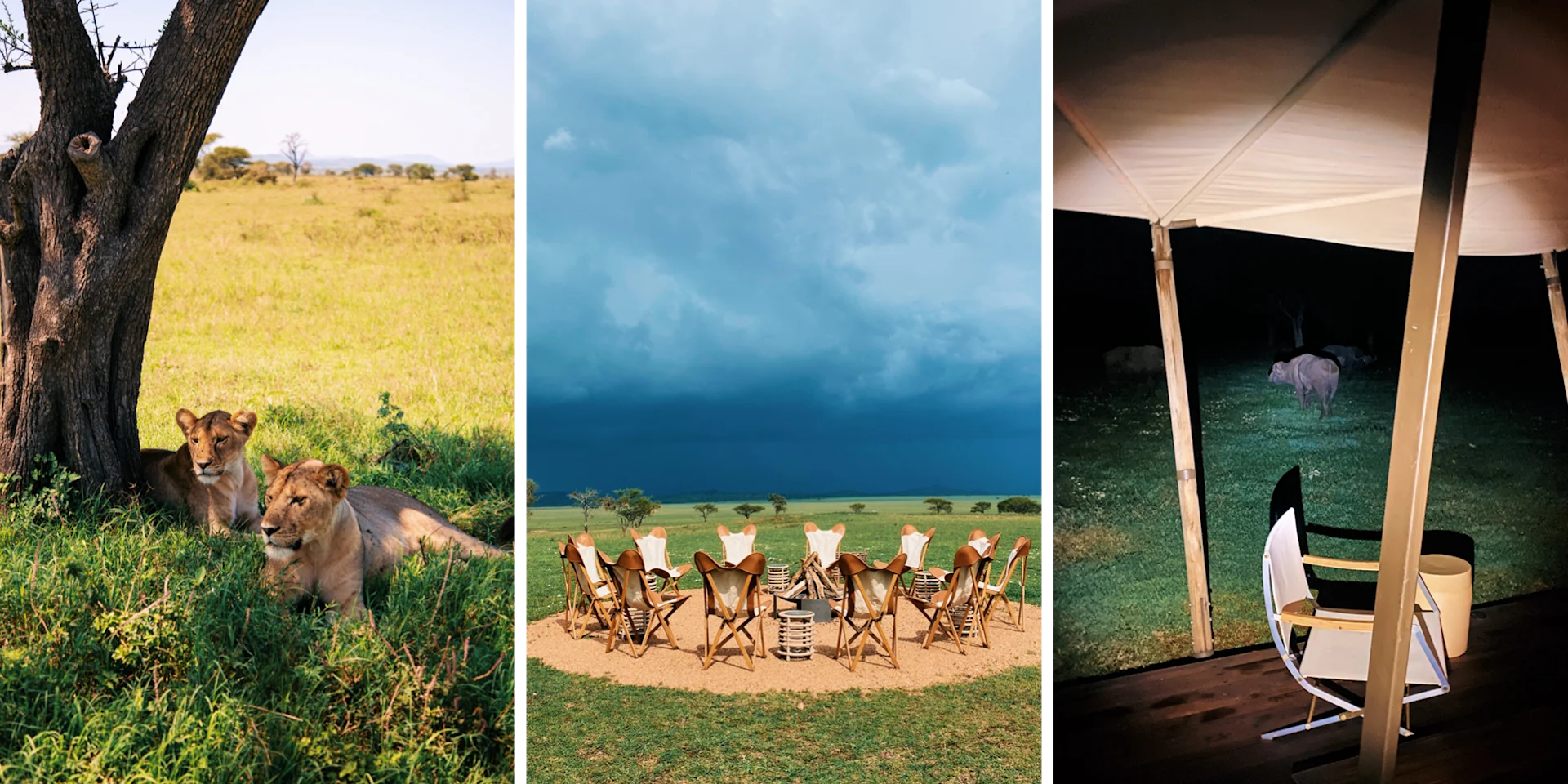
Our first lion sighting was of two brothers who barely stirred from their heat-induced sleep as we approached. Mishi explained that it took months of habituating the animals on the reserve to trust and understand that the safari trucks are not a danger to them. Every afternoon, a storm would come sweeping through our camp. Later that evening, a rumbling that I took for another storm turned out to be a water buffalo who’d bumped up against my tent, its breathing drowning out my white noise phone app as I fell asleep.