Ever since Wendi Norris started her eponymous
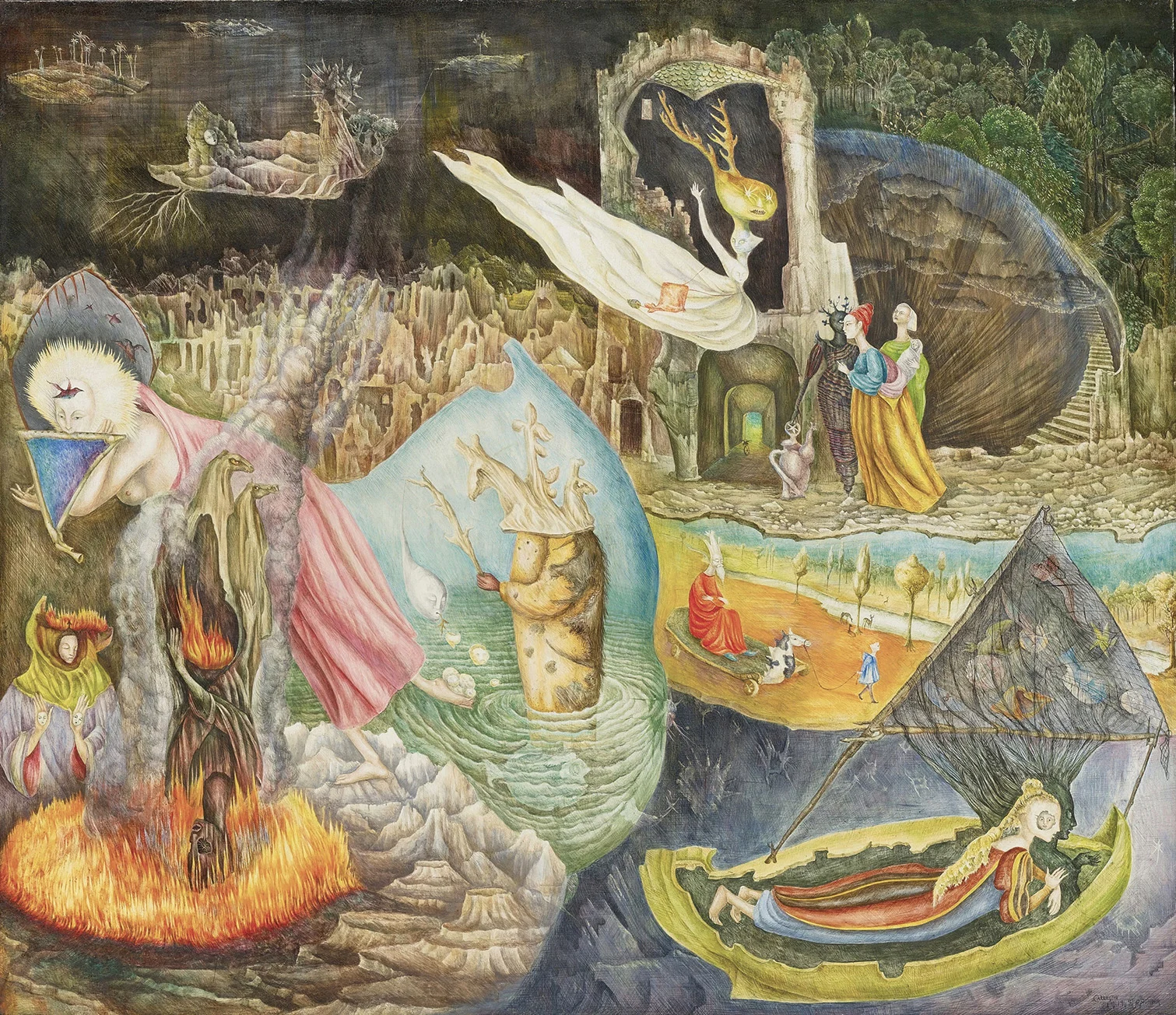
San Francisco art gallery nearly twenty years ago, she’s been guided by the Surrealist artist Leonora Carrington, who she represented until her death in 2011, and whose estate she now represents. Carrington is perhaps best known for her haunting, dreamlike paintings featuring animals and humans (or hybrids of the two) engaging with one another, but she was also a prominent feminist activist and a prolific writer with a wicked sense of humor. Carrington recommended books on religion and mythology to Norris, exposed her to new artists – she even taught her how to drink tequila. (Chase it with sangrita, a thick tomato juice). Even after her death, Carrington remains, Norris says, “a big influence on me, conceptually and personally.” And Carrington continues to influence the art world. This year, the 59th Venice Biennial is named after Carrington’s posthumously published children’s book, The Milk of Dreams.
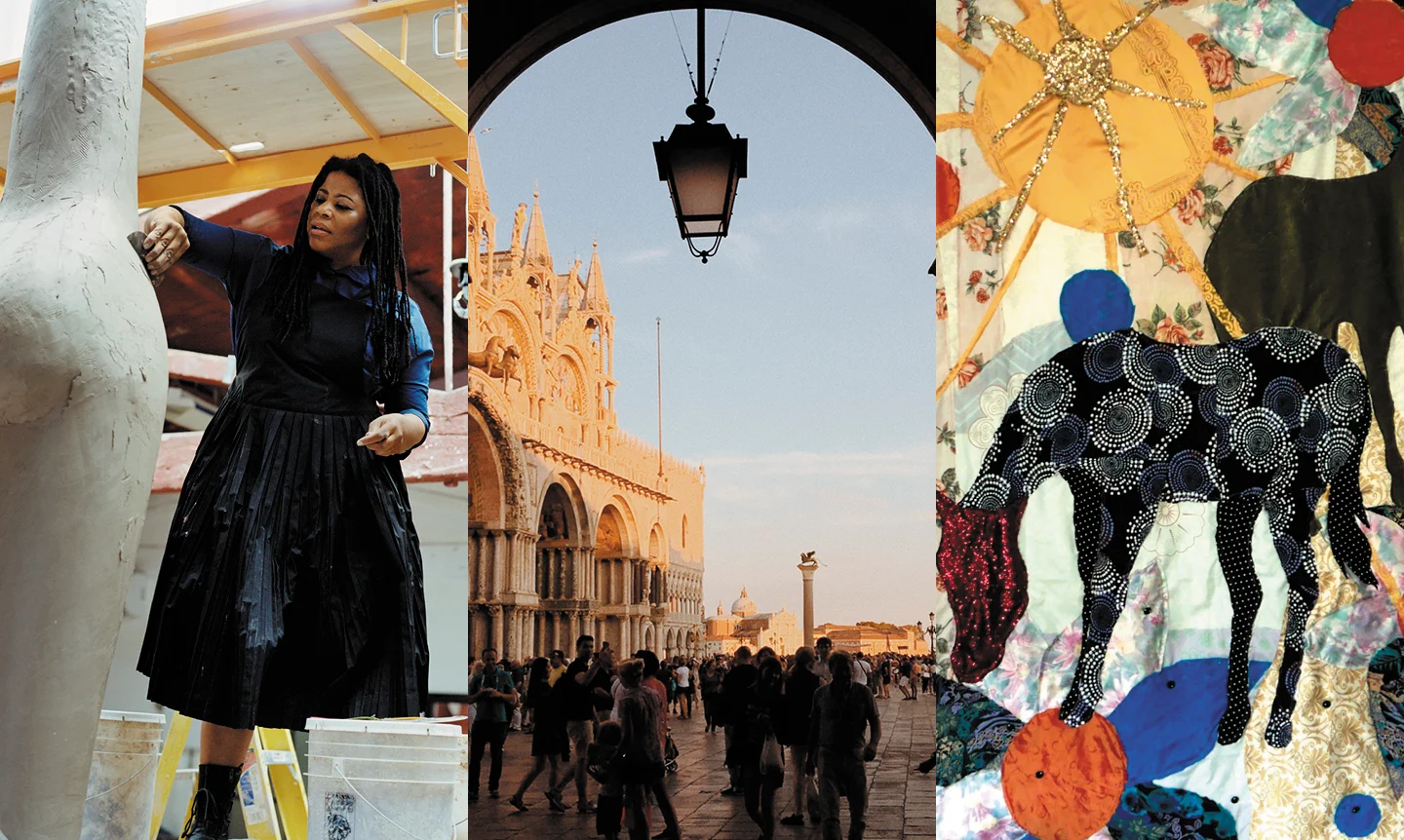
“Leonora Carrington was ahead of her time,” Norris says. Fluidity, identity, and androgyny; world religions and mysticism; technology, wildlife, and the future, and the relationship between people and their environments—all of these are themes Carrington has explored in her art and writing, and that guide this year’s edition of the Biennial, curated by Cecilia Alemani. With its forward-thinking concerns and spookily timeless images, Carrington’s work pairs brilliantly with that of contemporary artists; indeed, Norris used to often display Simone Leigh, who she represented from 2014 to 2017 and who was selected for the U.S. pavilion this year, alongside Carrington.
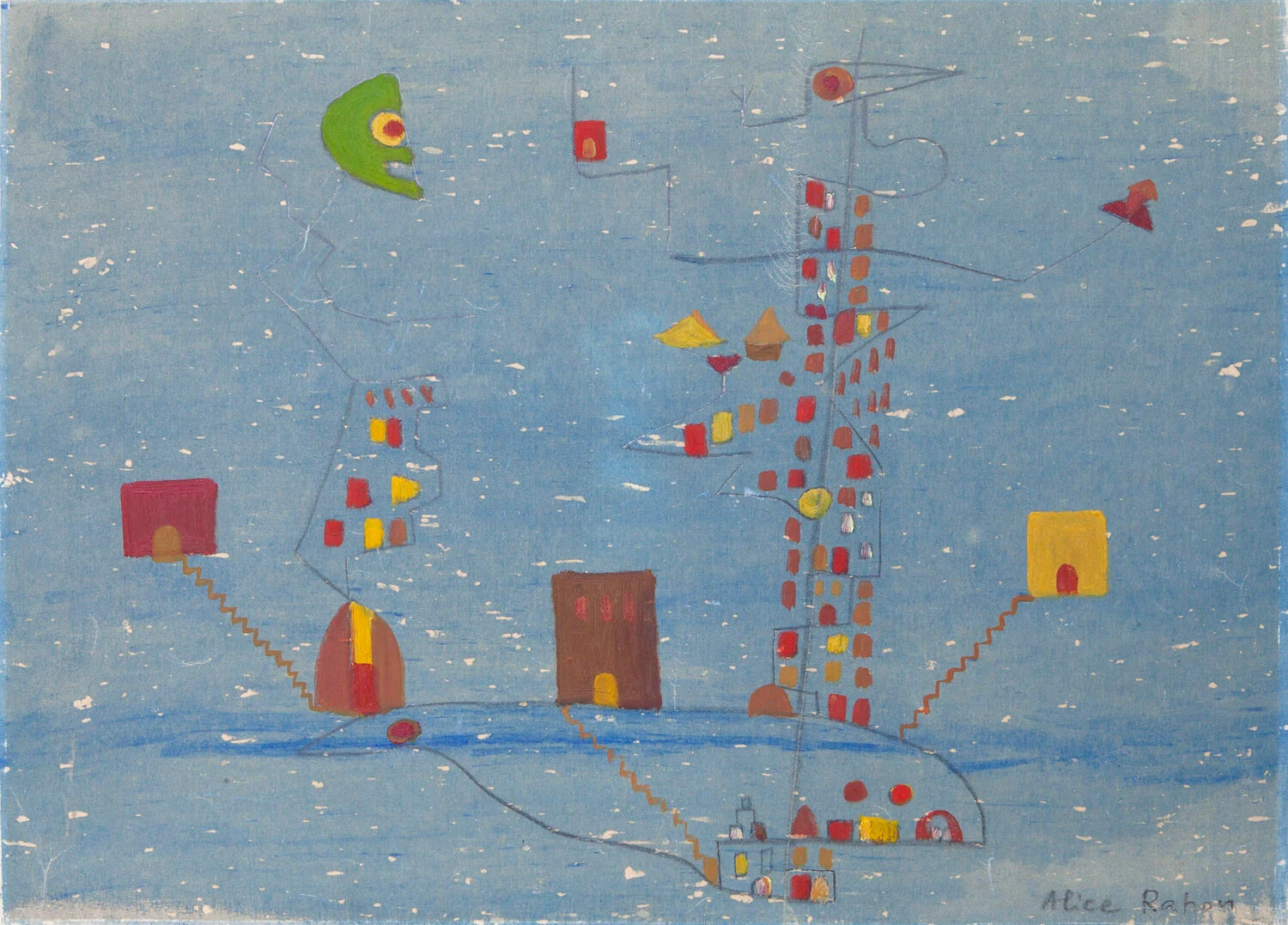
Three other artist estates represented by Norris feature prominently in the biennial: Alice Rahon, Remedios Varo, and Dorothea Tanning. All are women, all are associated with Surrealism, and several spent time or lived in Mexico City, where Carrington eventually settled after leaving Europe during World War II. The Surrealist action isn’t only in Venice either. Norris will hold a major exhibition of Rahon’s work in San Francisco, to coincide with “Diego Rivera’s America,” SFMOMA’s comprehensive show opening in July. “I’m trying to give people another entry into understanding Mexican modernism through Rahon, who happened to be Rivera's sister-in-law,” Norris says, and to whom she was introduced by Carrington.
Here, Norris shares her picks for the Venice Biennial, which opens to the public April 23 and runs through November 27. But if she has any advice, it’s to leave a little time and space for serendipity. Do your research, but, with so much to see, you must remain “open to the discovery,” Norris says.
The Central Pavilion of Giardini and the Arsenale
Norris’s first stop, of course, will be to visit the works of her artists – Carrington, Varo, Rahon and Tanning – who will feature in the main exhibitions curated by Cecilia Alemani. She’s excited to see how Alemani chooses to show them: “I want to see how they’re installed and what her narrative, what her read on it is,” Norris said. “I've been doing this for 20 years, so I'm always curious to see how someone else interprets it.”
Lynn Hershman Leeson
The Central Pavilion
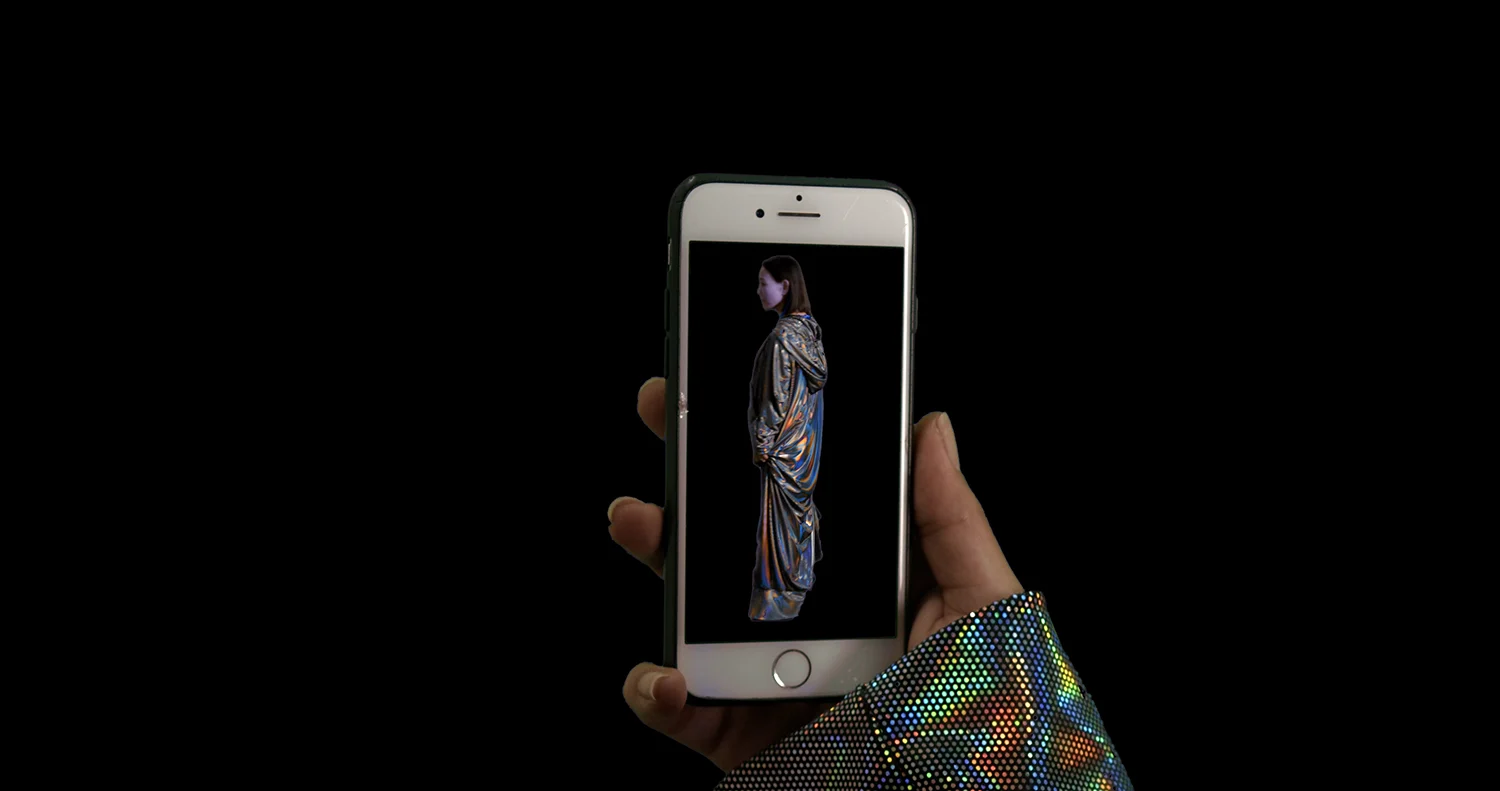
Lynn Hershman Leeson’s new commission for the Biennial, a video work also in the main section, is inspired by Leeson’s reading and interpretation of Carringon’s work. “She's doing video and film and artificial intelligence,” said Norris. “Coming from the very painterly, masterful work by these four artists of mine to something very different – digitally made, photographic-based or machine-based – covers a nice array of material usage.”
Simone Leigh
The American Pavilion
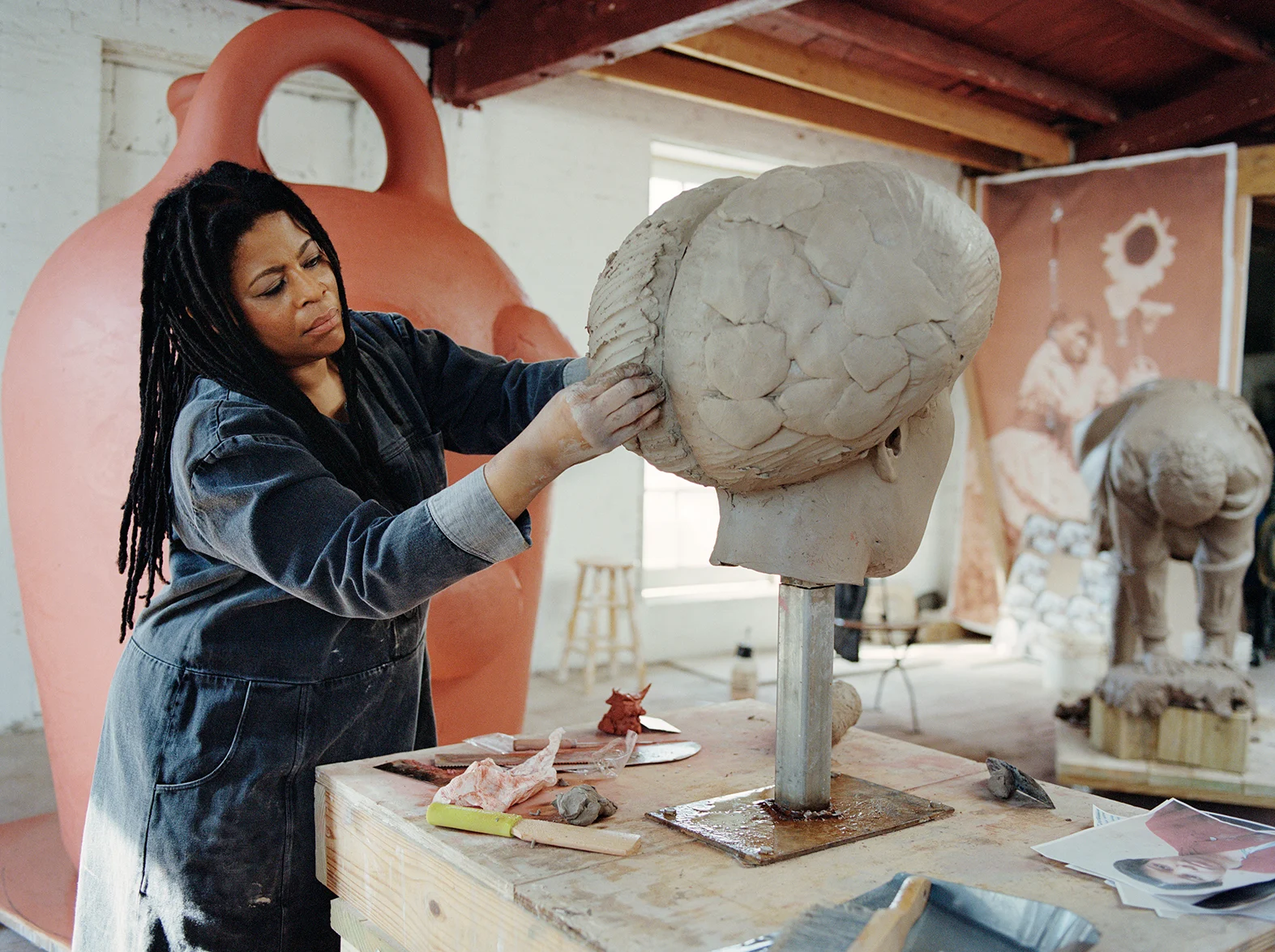
Simone Leigh is the first Black woman to represent the U.S., with her monumental clay and bronze sculptures that will fill the American Pavilion and its forecourt. Leigh, an accomplished ceramicist and potter, didn’t have her first show until 2001. She was later represented by Norris for several years, between 2014 and 2017. Many of her artworks treat the Black female experience and images of Black women throughout history; her work also takes inspiration from her visits to numerous African countries, and the artists, curators, and friends she’s made all over the African continent. “She’s such a good person,” Norris said of Leigh. “She’s the real deal. I’m so excited to be there and celebrate with her brother and her daughter, because I don't get to celebrate with Leonora in the flesh. I'm sure it will be emotional.”
“Surrealism and Magic: Enchanted Modernity”
The Peggy Guggenheim Collection
The show will feature roughly 60 works sourced from museums and private collections worldwide, plus the blue chip holdings of Ms. Guggenheim herself. Norris is particularly looking forward to seeing work by the Swiss artist Kurt Seligmann who was also a prodigious collector of books about magic. “I love this show because it's focused on a specific element of surrealism, the occult, and Carrington factors in pretty heavily there – she was a practitioner of magic as well.” Norris also recommends checking out the show’s catalog, which has contributions from notable scholars of Surrealism Susan Aberth and Gavin Parkinson.