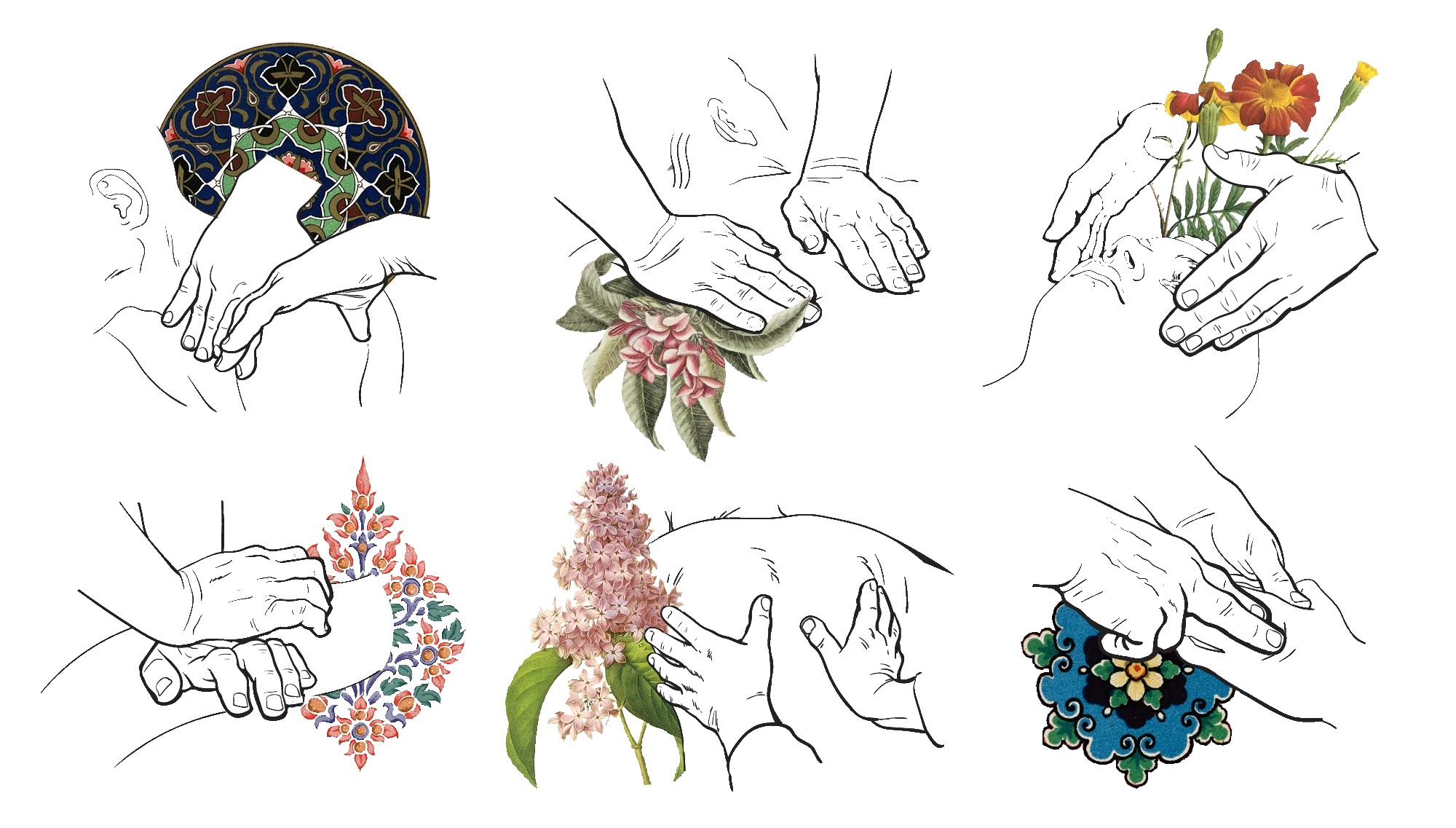
It translates to ‘finger pressure’ in Japanese, but shiatsu massage came to Japan via traditional Chinese medicine that arrived with Buddhist monks in the 6th century. In its several iterations today—Zen Shiatsu, Five Element Shiatsu, Shintai Shiatsu, Movement Shiatsu, among others—it focuses variously on pressure points or longer strokes or more general body work.
The goal: Whichever the type, the job is to get the Ki—vital force—moving again (blocked energy is associated with clinical illness in many Asian healing traditions).
The bells and whistles: Not the point here. Four fingers, two very strong thumbs, and probably some soreness (‘good pain’, associated with releasing blockages) are what you get.
Perfect for: Almost anyone who wants to heal what ails them: Shiatsu is often used as an ancillary treatment for everything from PMS to sciatica to insomnia. (And if you doubt its cred as a supplementary therapy, google “shiatsu and cancer treatment”.)
Another tradition that arrived with Buddhism, peppered subtly with elements of Ayurveda too (credit Thailand’s proximity to both China and the Indian Subcontinent). It’s the most interactive of the massage traditions; part hardcore stretching, part assisted floor-based yoga—and not a fancy scented oil in sight. The treatment takes place on the floor, rather than a bed. You’re fully clothed the whole time (if you’re lucky, or staying at a fabulous Thai resort, you’ll get chic kimono-style loose-cotton pyjamas to wear). And you’re definitely not going to drift off; within minutes of starting, your therapist may be sitting on the backs of your thighs, levering your arms backward until you can actually hear your shoulders scream. But people who love Thai massage really love Thai massage.
The goal: deep manipulation and release of muscle and fascia tissue; invigoration.