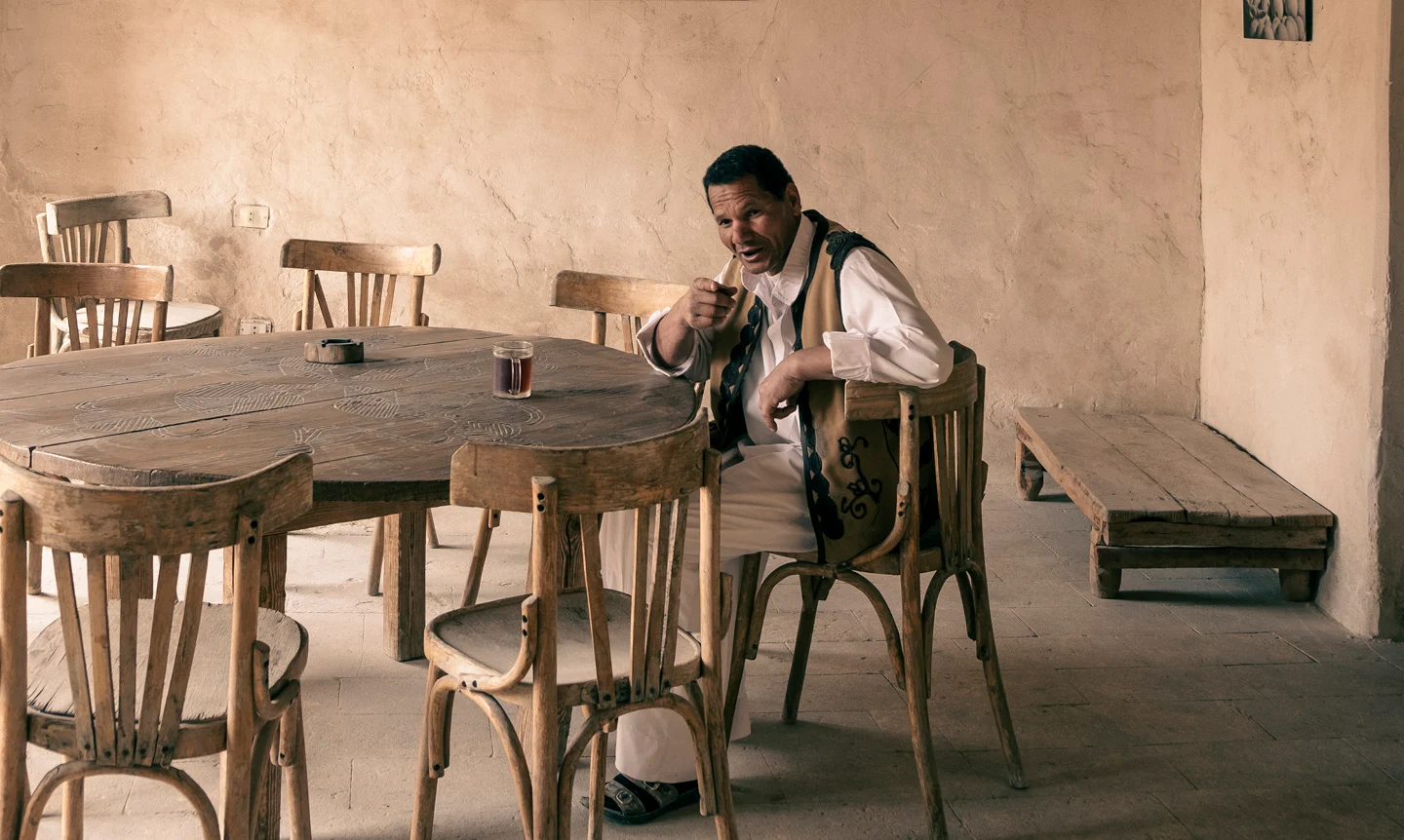
The experience of Siwa is one of contrasts: miles of lush date palms and olive trees amidst swaths of empty desert; pale rock punctuated by turquoise salt pools with crystalline white rims—so saturated as to look digitally-rendered; so deep as to appear dangerous, if the saline density didn’t allow you to float. Egypt’s Siwa Oasis, located in the Western Desert about 350 miles from Cairo and thirty miles from the Libyan border, is distinct not only in its dramatic landscapes but also in culture; locals wear attire unique to the region, craft artisanal pottery and homes from regional salt and mud, and speak the indigenous language of Siwi. As a Berber people, Siwan culture is more closely related to Libya than it is to the rest of Egypt. Indeed, Siwa feels a world away from Cairo’s bustle or the crowded pyramids, and it’s this seclusion that gives the oasis its salt-encrusted magic.
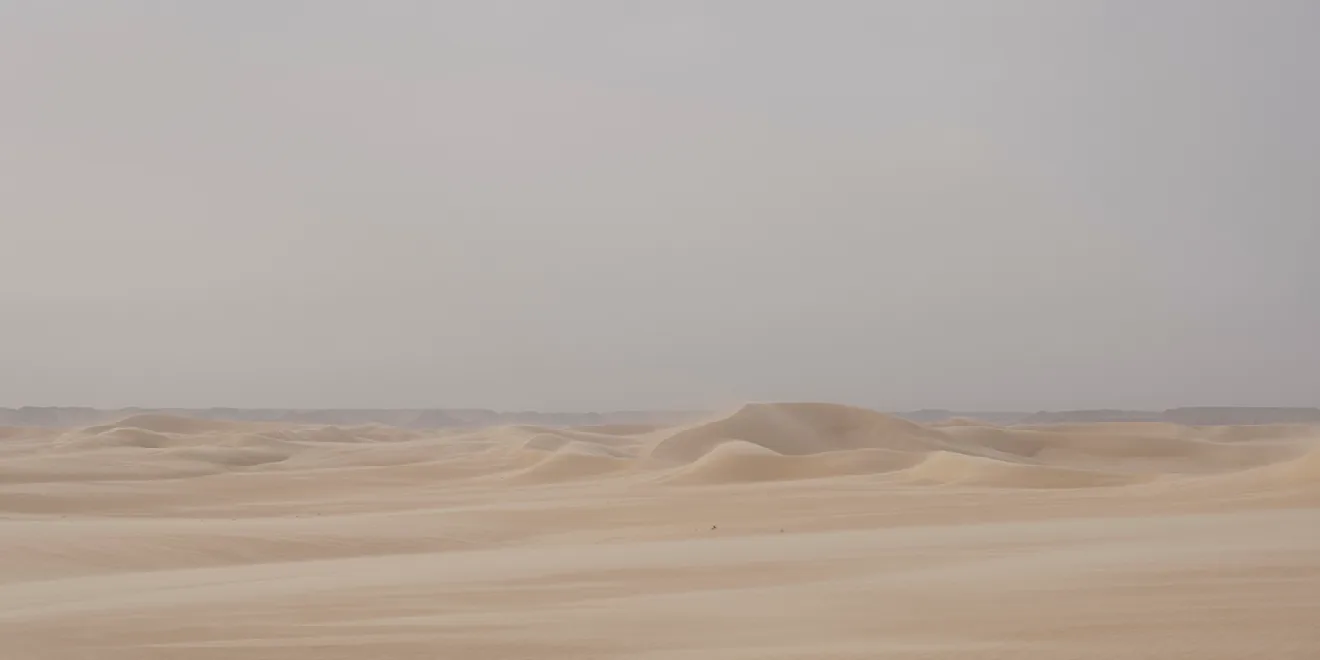
The quiet beauty of Siwa can be seen in the photography of Enrico Costantini, an Italian photographer who recently documented the region’s ancient fortresses, untouched sand dunes, and mythical salt lakes. (Locals say they possess healing powers, with the capacity to treat everything from skin irritations to an eye infection.) Having visited during the month of Ramadan, Costantini found the streets of Siwa village mostly empty, save for some merchants selling locally-sourced olive oil and dates in the half-open souk—as well as some children running through alleys and men poring through books, letting time suspend, like bodies in a pool of salt. Costantini shared his dispatch from Siwa, and the stories from behind his sand-dusted camera.
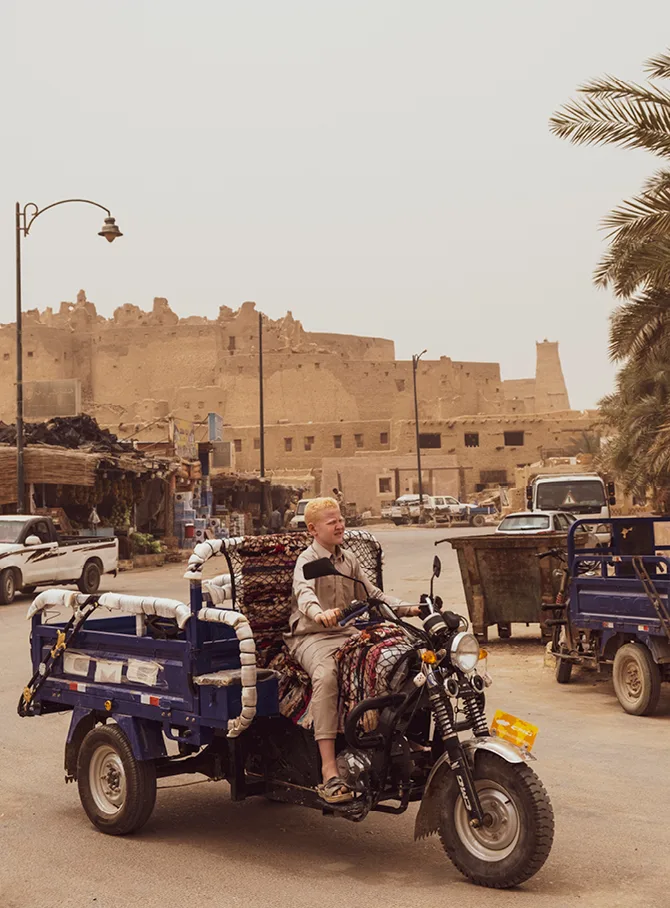
“This one, there were two things that got my attention. The first is that the kid was Albino. In Egypt, there’s a mix of people. Sometimes you meet people that are very pale with red hair. The other thing that caught my attention was that the guy was really young. I mean, he’s probably around twelve years old, and the thing that he was freely driving was really big. You can see a lot of these kids just driving around, transporting products to stores and supermarkets. In the background, you can see the souk and the Shali fortress.”
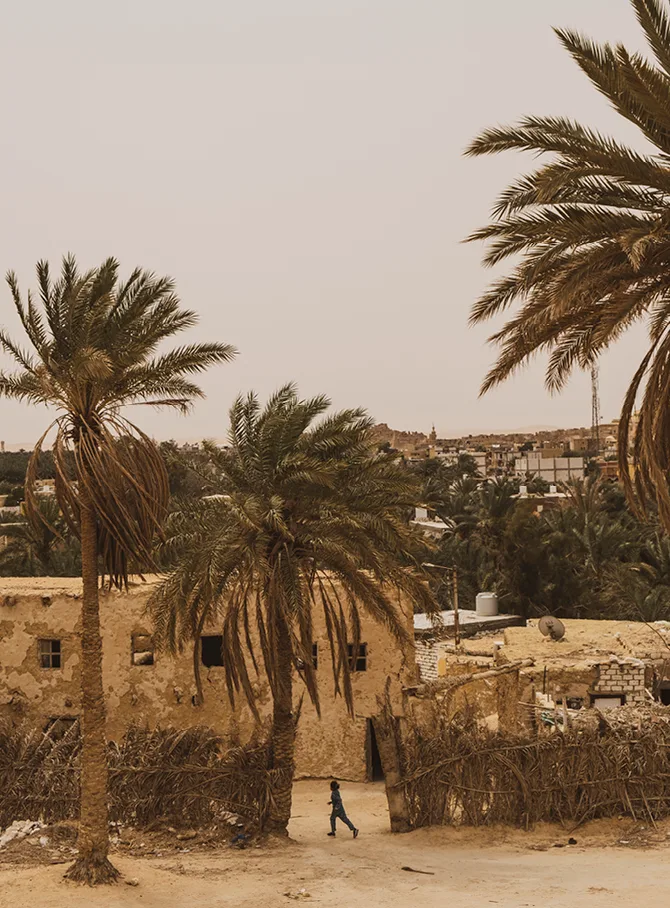
“This is also from the town. We went to visit some tombs in the city, and there's a mountain that overlooks the old town called the Mountain Of the Dead. It was also in the video game Assassin’s Creed.”
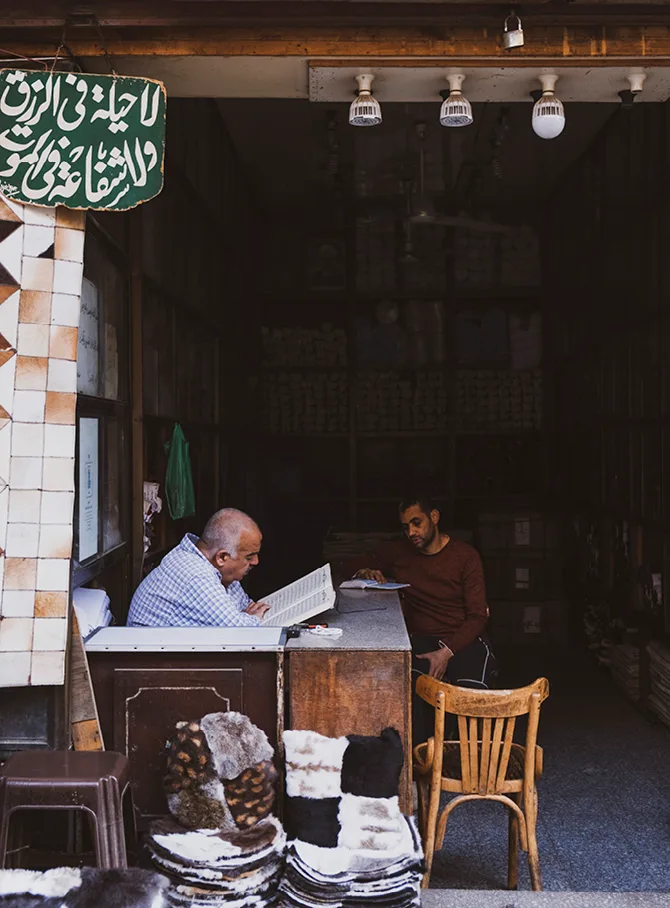
“This is in the town of Siwa. When I traveled there, it was Ramadan, so many of the activities during the day are not operating, but some of the stores where they sell a little bit of everything are open. And these guys were just hanging out. People are not really busy at this time, so they take some time to just read and sit a little bit. Because I asked my friend, I can tell you what's written on that green sign: ‘There is no trick in sustenance, and there is no intercession in death.’”
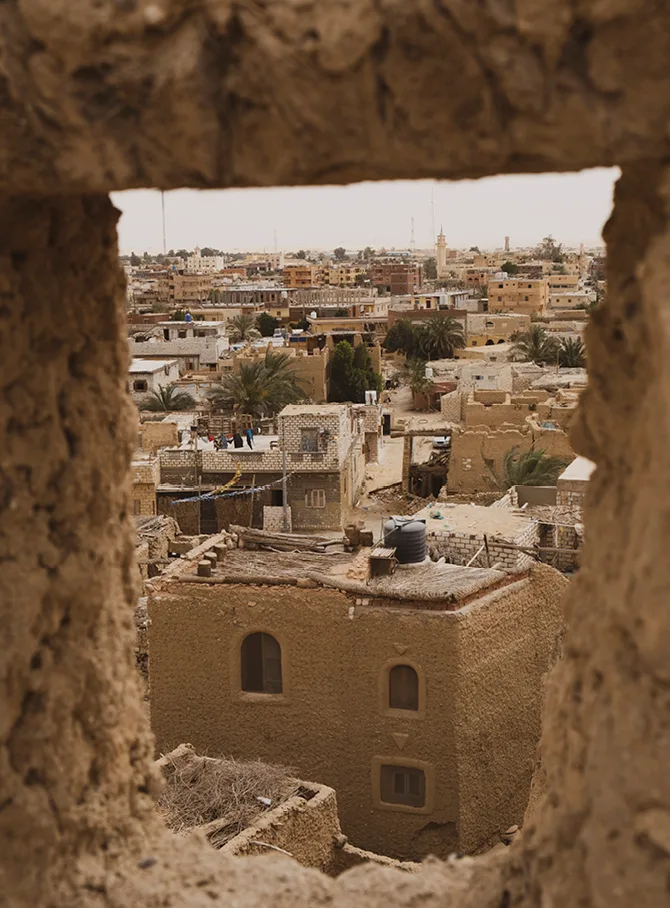
“This is the view over the whole town from up in the Shali fortress. There’s not much left. You can see how a lot of the buildings are in ruins. You can also see everything is the same color because of the material, which is called Karshif—it’s a typical material, and it’s made of salt and mud together. It’s very sustainable because they were able to build with what they have in the land.”
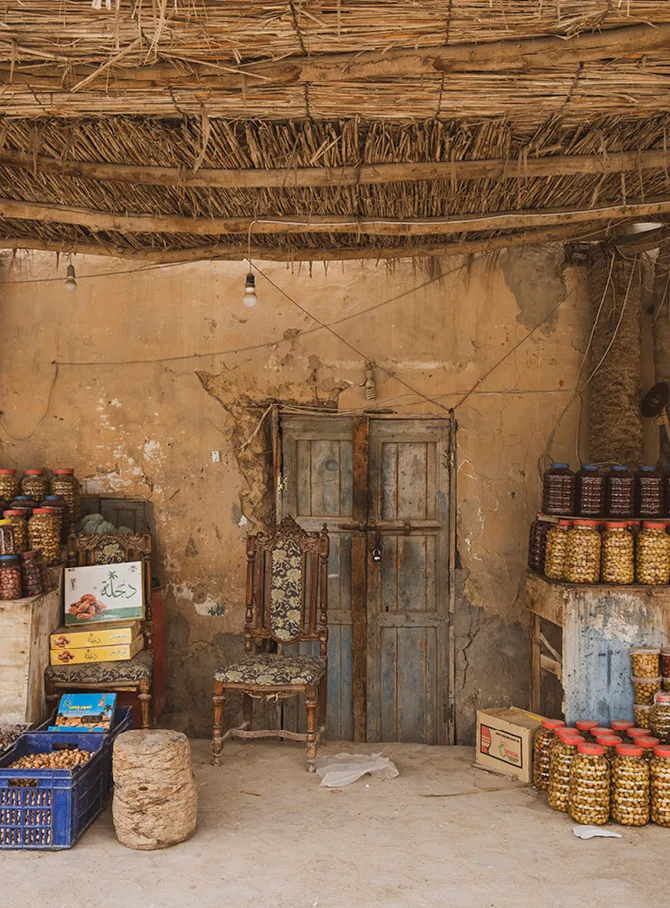
“Here they sell olives and dates. It was one of the closed shops because people were praying. The chair outside looks very decadent. I thought it was funny to have this chair in the middle, between the two shelves of olives.”
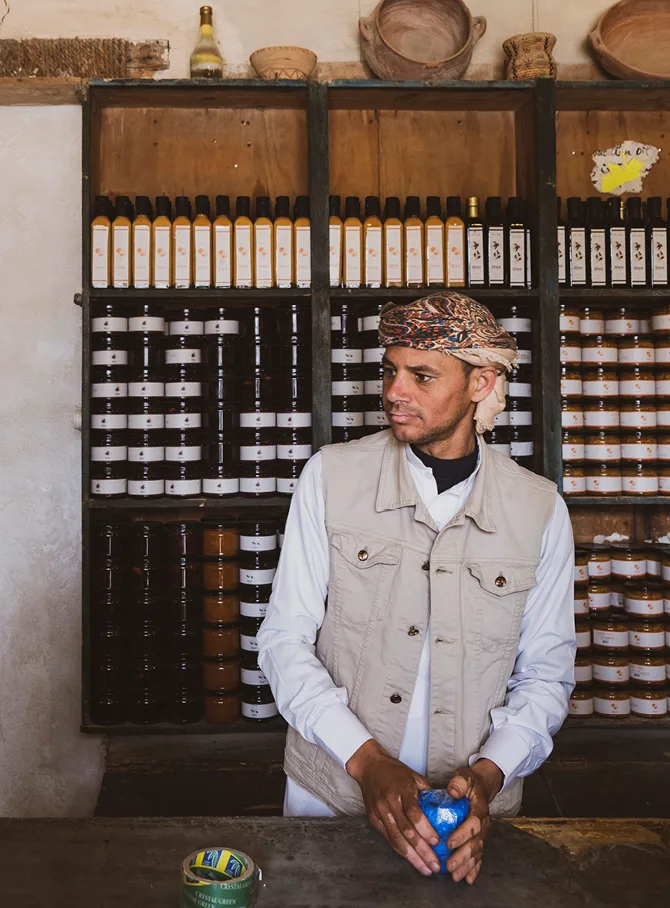
“This is in one of the local cafes in the souk. It's connected to the picture of the guy sitting at the table. On the side, they have a little store, where they sell local products like oil, as Siwa is very popular for the production of dates and oil from its olives. This man was preparing a little package, and he’s wearing very local clothes. What’s interesting about Siwa is that it’s very close to the Libyan border, so the culture—the Berber culture—is much closer to Libya than it is to Egypt.”