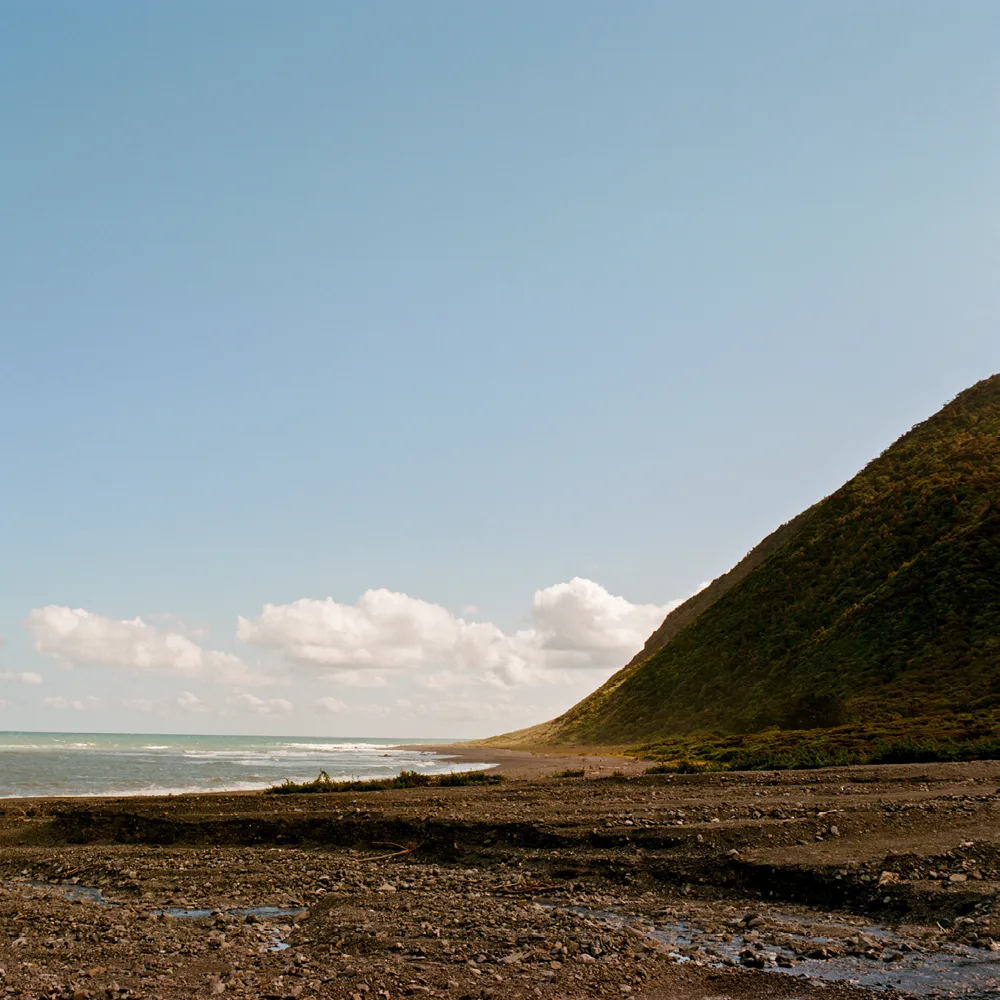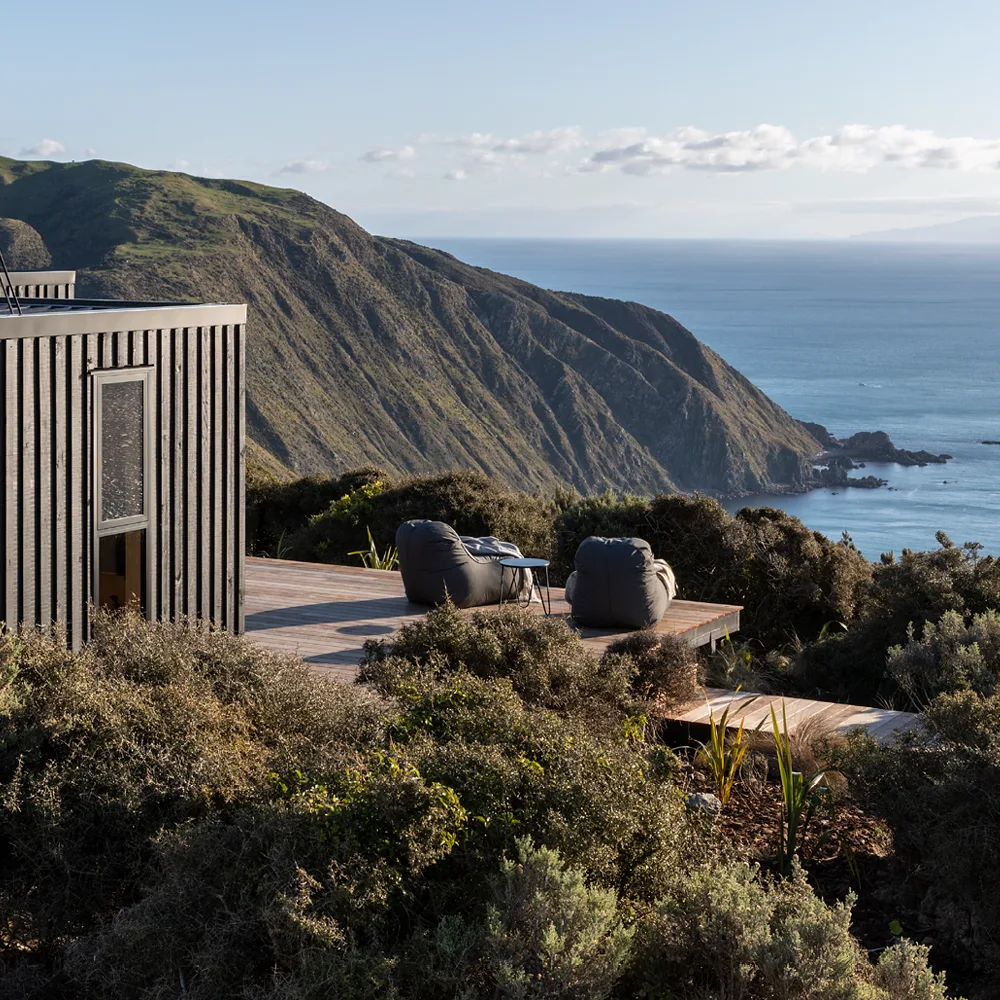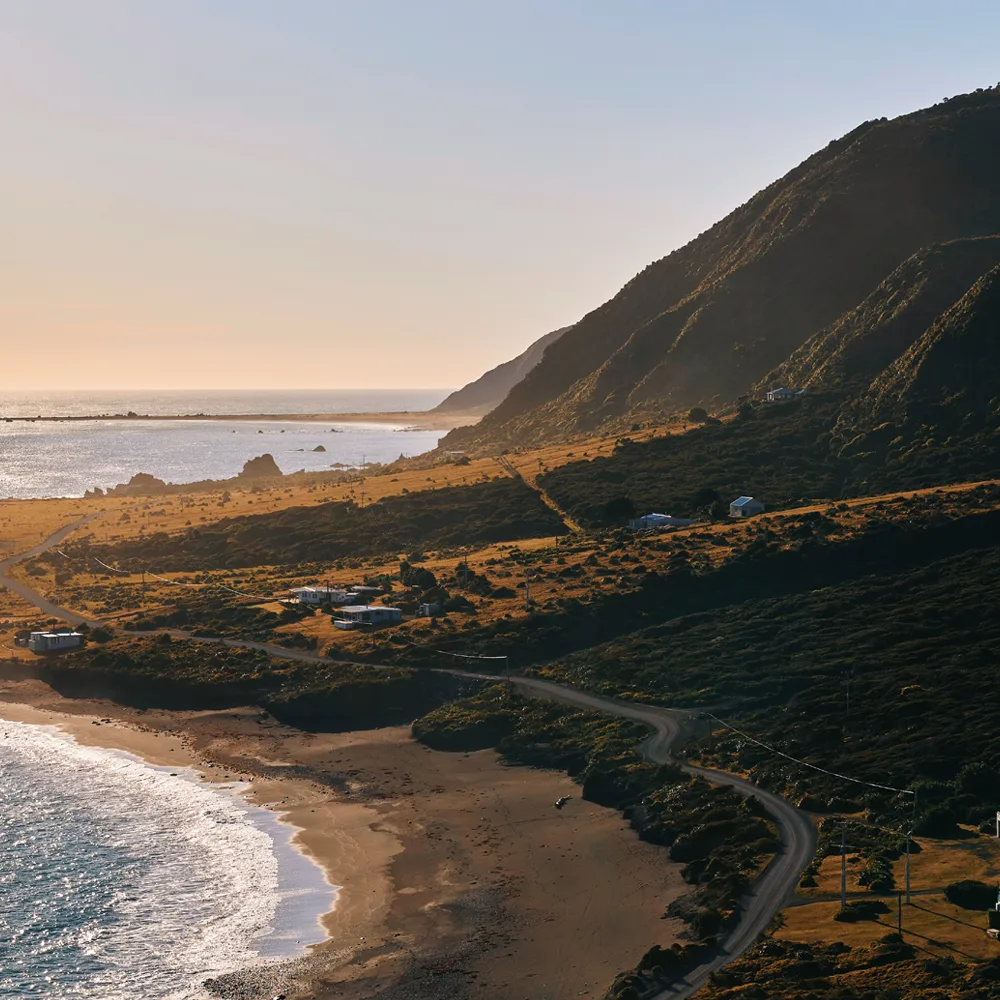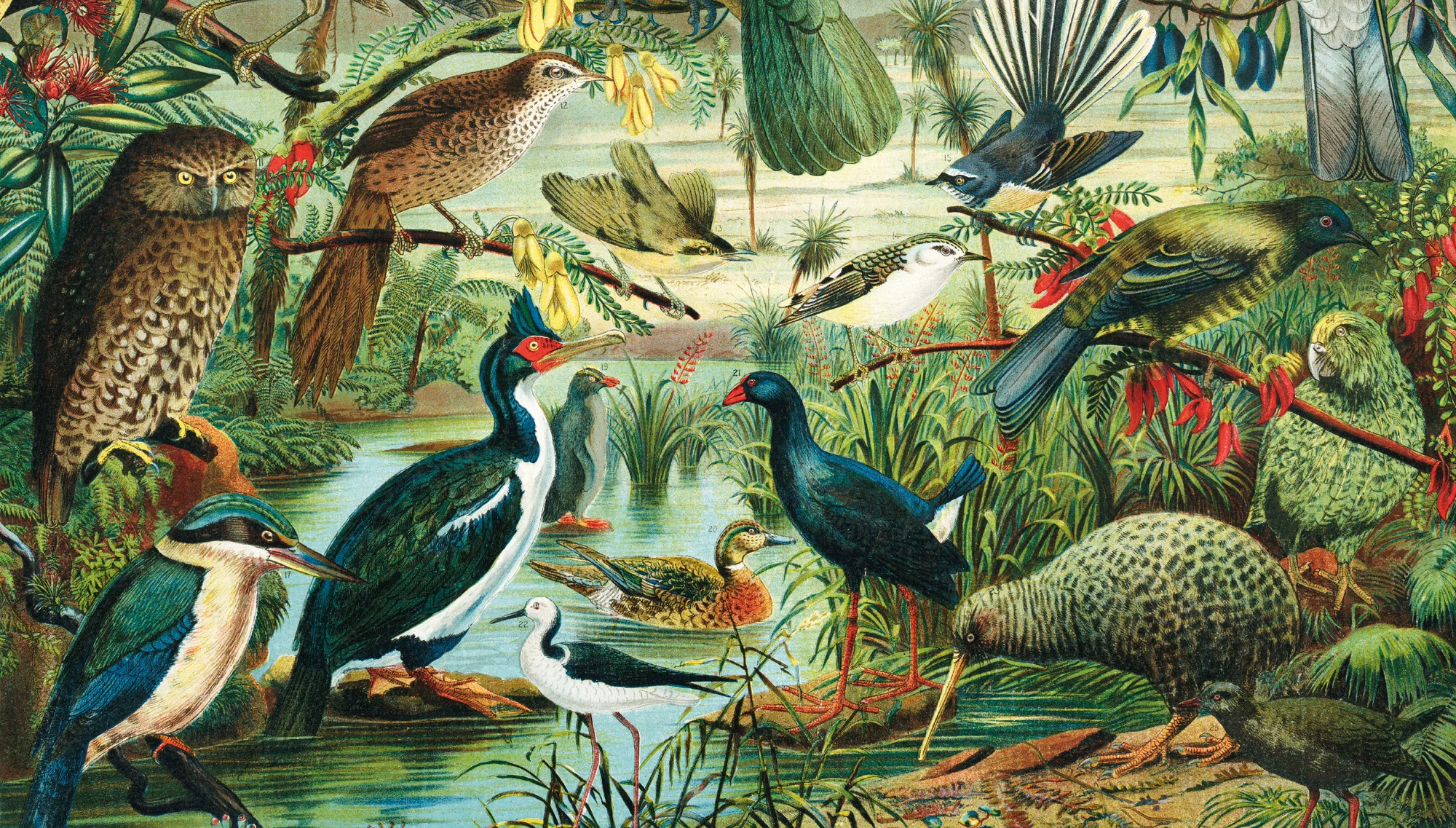
While it may lack the iconic fauna of its neighbor, Australia, it would be wrong to believe that the New Zealand landscape lacks life. The isolated nature of these islands has historically meant that creatures of the avian variety have flourished without natural predators, making the country something of a national nest of the weird, wonderful and uniquely Kiwi — including, of course, the kiwi itself.
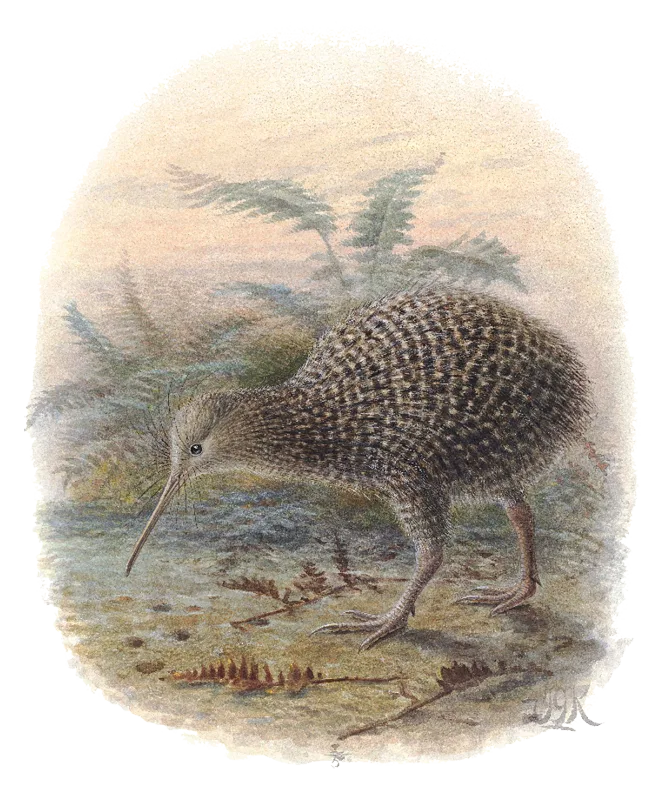
Little Spotted Kiwi
Māori name: Kiwi pukupuku
The playful Maori name for the smallest of the kiwi species alludes to its round belly. Extinct on the North and South Islands since the late 1800s, approximately 1,200 of these flightless birds now live primarily on Kapiti Island. They emerge from their burrows after dark to sniff out insects and worms on the forest floor, the males’ long, high-pitched trill echoing throughout the trees.
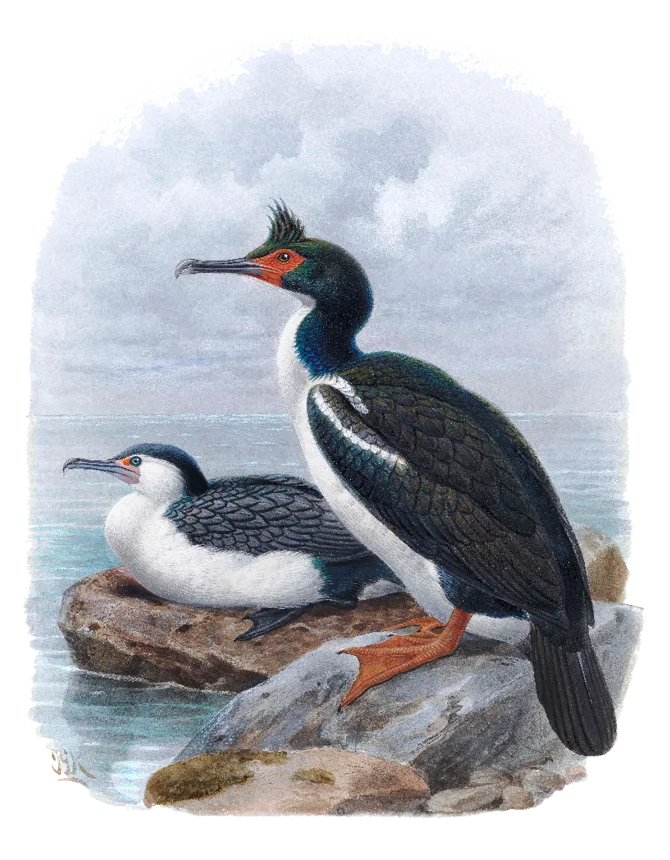
Pitt Island Shag
Found only in the waters around the Chatham Islands, colonies of these yellow-footed birds breed in protective holes that have been eroded in the volcanic cliffs along the coast. They feed by “pursuit-diving,” foraging among the offshore kelp for small fish, crustaceans and marine invertebrates.
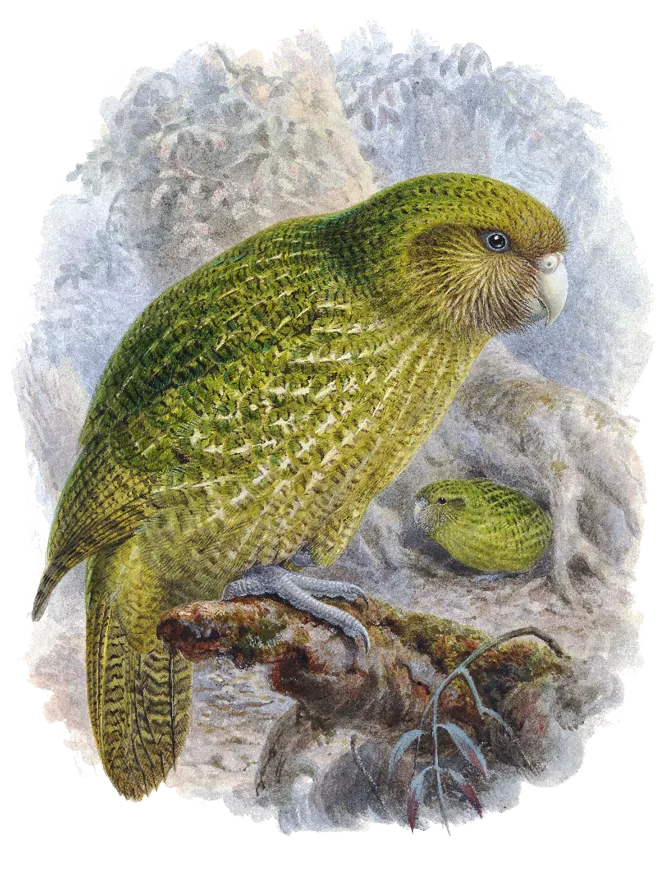
Kākāpo
Māori name: Kākāpo
In 2019, there were only 149 of these flightless, owl-faced birds left, but its numbers are increasing. Weighing up to four kilograms, it is the largest known parrot — and one with an unusual mating ritual. Known as lekking, during this period the males will travel four miles to a special area, digging themselves a bowl from which they emit both low-frequency “booms” that travel several miles and high-pitched “chings” for up to eight hours a night, a ritual that they will maintain for up to four months before attracting the right mate.
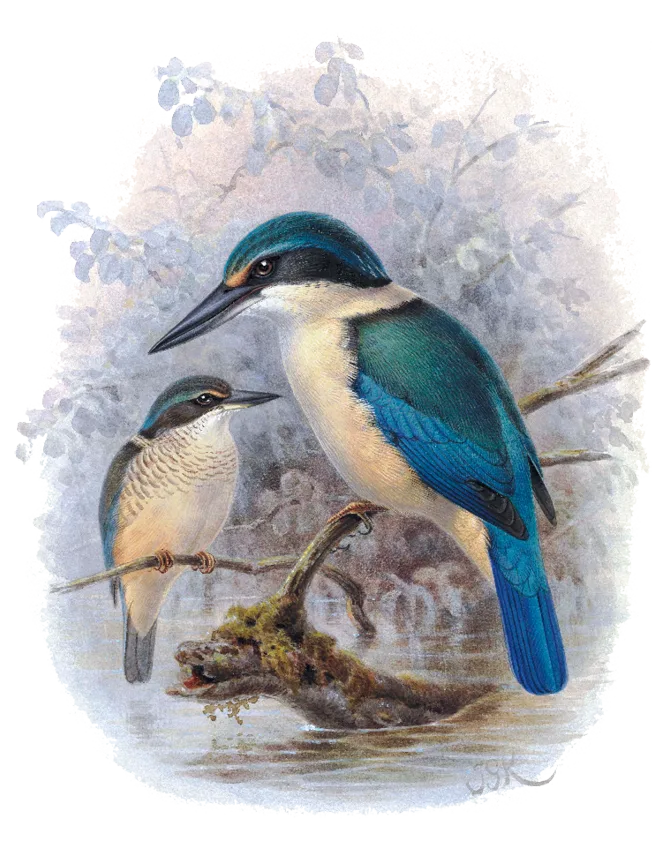
New Zealand Kingfisher
With its jewel-like plumage and rapier-sharp beak, the males undertake a brave ritual during mating season, dive-bombing the earth while emitting an odd whirring call in order to gradually excavate a tunnel, pecking and scooping out the earth until they’ve made a chamber in which they can perch and fit a nest. Despite their name, some kingfishers live inland.
South Island Takahē
While this brilliant, red-billed bird was thought to have become extinct at the end of the 19th century, it was rediscovered 50 years later in a few valleys on South Island. There are currently approximately 200 of these large, earthbound birds remaining. In the warmer months, they are both fed and protected by the alpine tussock grasslands, where they spend the majority of their time stripping grass seeds from their slender stalks, focusing only on the juiciest, most tender ones near the bottom. When the snow arrives, they retreat to the forest.