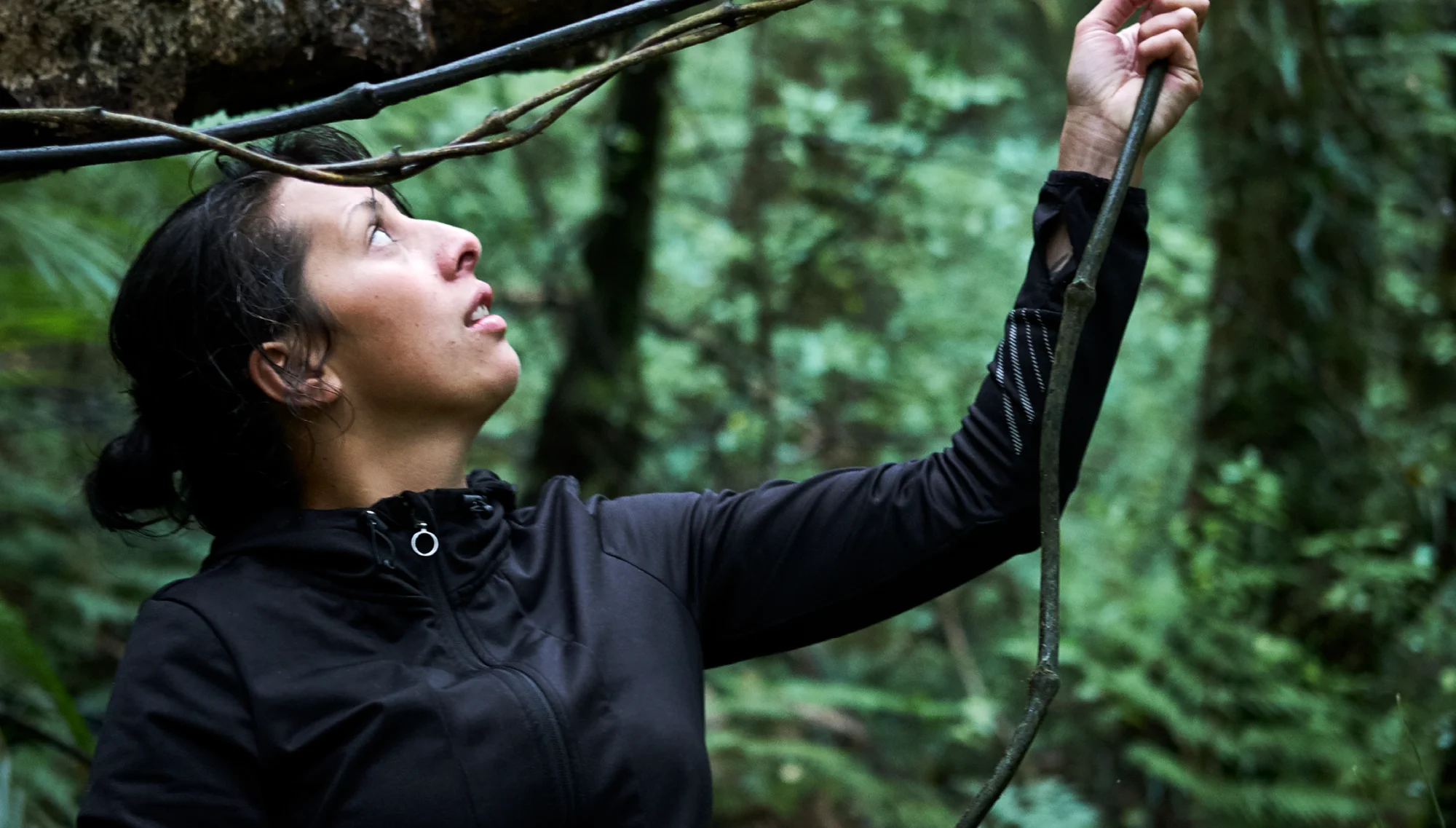
Monique Fiso is not afraid to take huge chances, which is why she’s become one of New Zealand’s brightest culinary stars, shining a new spotlight on indigenous ingredients. When she was 21, after a few years cooking at the celebrated Martin Boseley’s, she sold everything she owned and bought a one-way ticket to New York. After nearly a decade cooking Asian-meets-Antipodean food at Public and Michelin-starred pasta at A Voce, she returned to Aotearoa with no plans. On a whim, she began a pop-up celebrating the ingredients that her Maori ancestors used. Soon, she had a restaurant in the Wellington suburb of Mount Cook named for the Māori word for hungry, and within a year it was named one of Time Magazine’s Greatest Places of 2019.
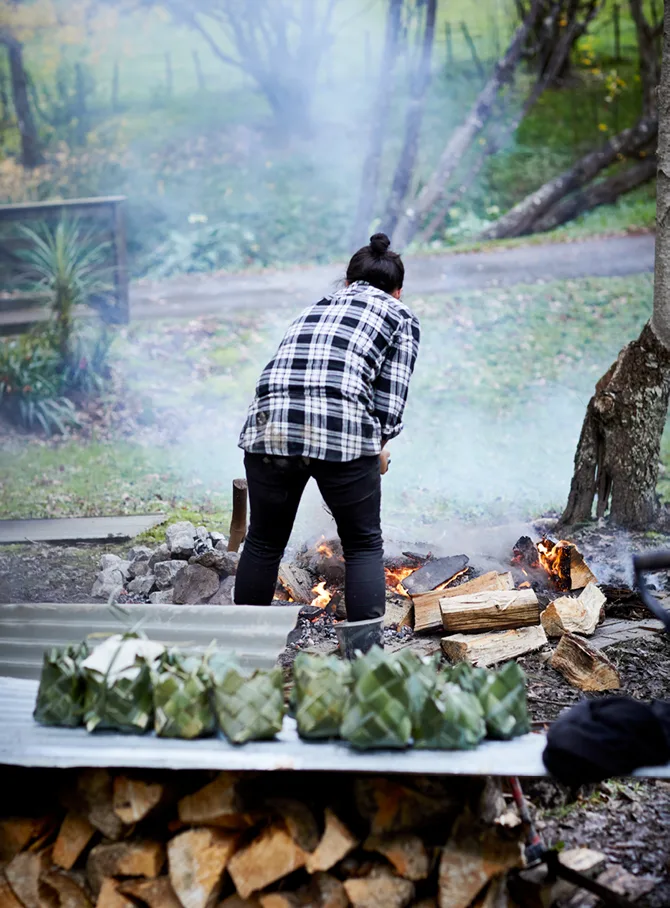
Fiso has dedicated herself to researching New Zealand’s vast store of wild ingredients, as well as to pushing them as far as they can go in hypermodern presentations. Diners might be served a plate of local sweet-potato gnocchi with a creamy sauce that’s a nod to her time at A Voce. But in this case, the sauce is made from roasted huhu grubs dug out of a rotten log, the dish garnished with the fried larvae — which, Fiso notes in her eponymous cookbook, have an addictive “peanut butteriness.”
Here are just a few of the jewels in Monique Fiso’s Māori larder.
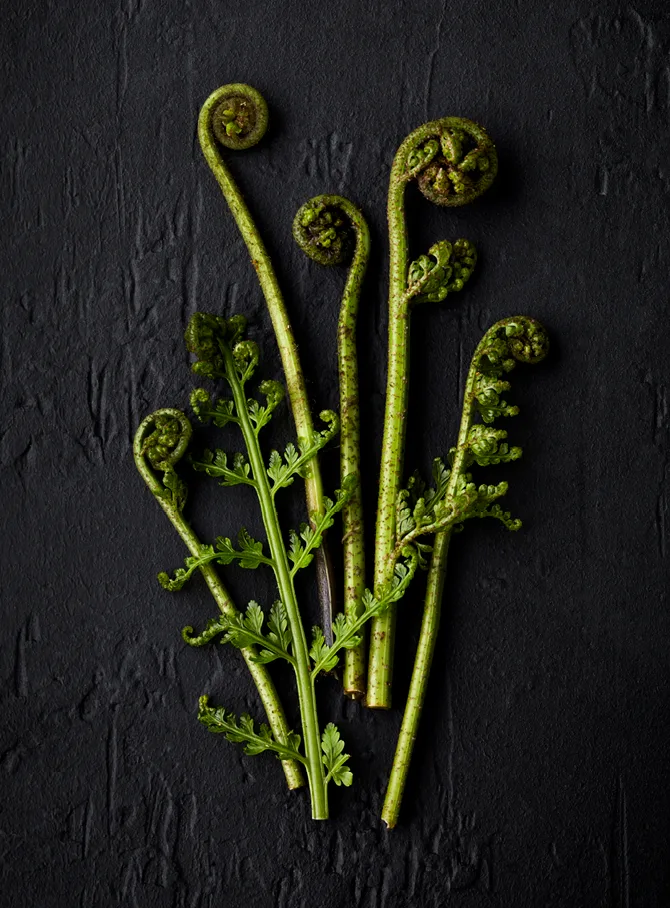
Pikopiko / Fern shoots
Asplenium bulbiferum (hen and chicken fern), Polystichum richardii (common shield fern)
In the cool dampness of fall and winter, the coiled shoots of young ferns can be found hiding beneath the dense foliage of the forest floor. Once the bitter peel has been removed, they can be boiled, steamed or stir-fried with a little oil and salt. In Māori culture, the crunchy shoot was eaten at Matariki feasts. At Hiakai, pikopiko is brined or pickled to remove some of the inherent bitterness.
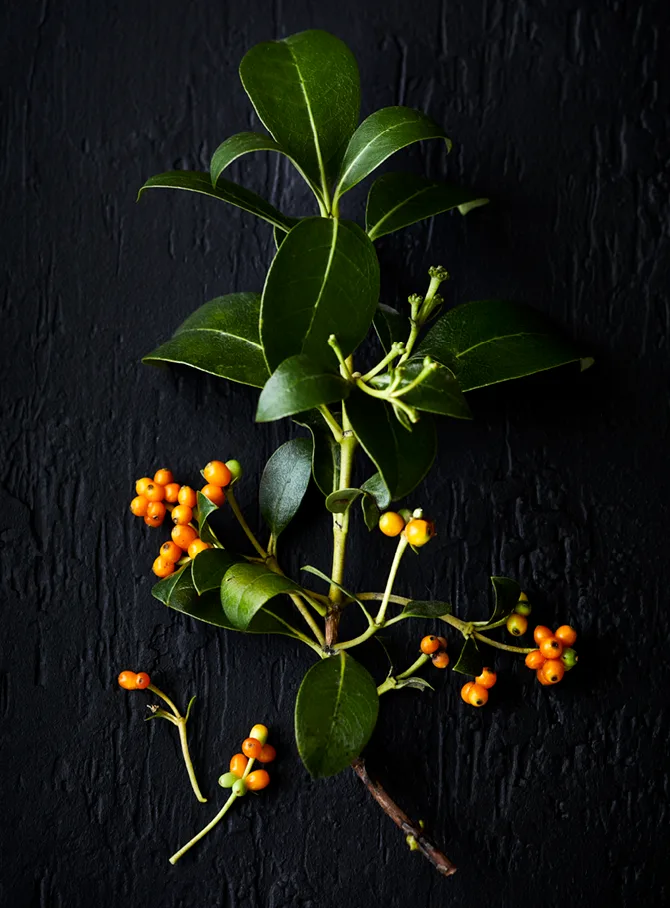
Karamū
Coprosma robusta
Belonging to the coffee family, this easily found treasure was sacred to the Māori, who used it at birth ceremonies and to heal the sick, while the bright orange berries — picked from the tree — were a favorite bush snack for children, as well as a source of dye. While early European settlers poured boiling water over the roasted seeds to make karamū coffee, the Māori steeped an inflammation-fighting tea from its shoots and plump leaves. At Hiakai, this tea is blended with karamū vinegar to make a vinaigrette. The berries are also juiced for ice creams and sorbets.
Paua / Blackfoot Abalone
Haliotis iris