For the last 15 years, Dan Saladino has been telling stories of culture through the lens of food for BBC radio– traveling from northeastern India’s Garo Hills in search of incredibly bitter citrus, memang narang, to the country of Georgia to learn about the ancient methods behind making wine in clay qvevri vessels buried in the ground, to the Faroe Islands to taste skerpikjøt, cured mutton, the scent of which Saladino says has “been described famously as somewhere between Parmesan and death.”
His book Eating to Extinction (Farrar Straus and Giroux) is an examination of 35 native foods that may well vanish due to the impacts of agriculture, geopolitics and climate change. “Obviously, we have dominated this planet,” says Saladino. “We have changed the surface of this planet, land and sea, as well.” The loss of these foods, Saladino argues, would result in the loss of cultural identity, nutrition, biodiversity, and flavor.
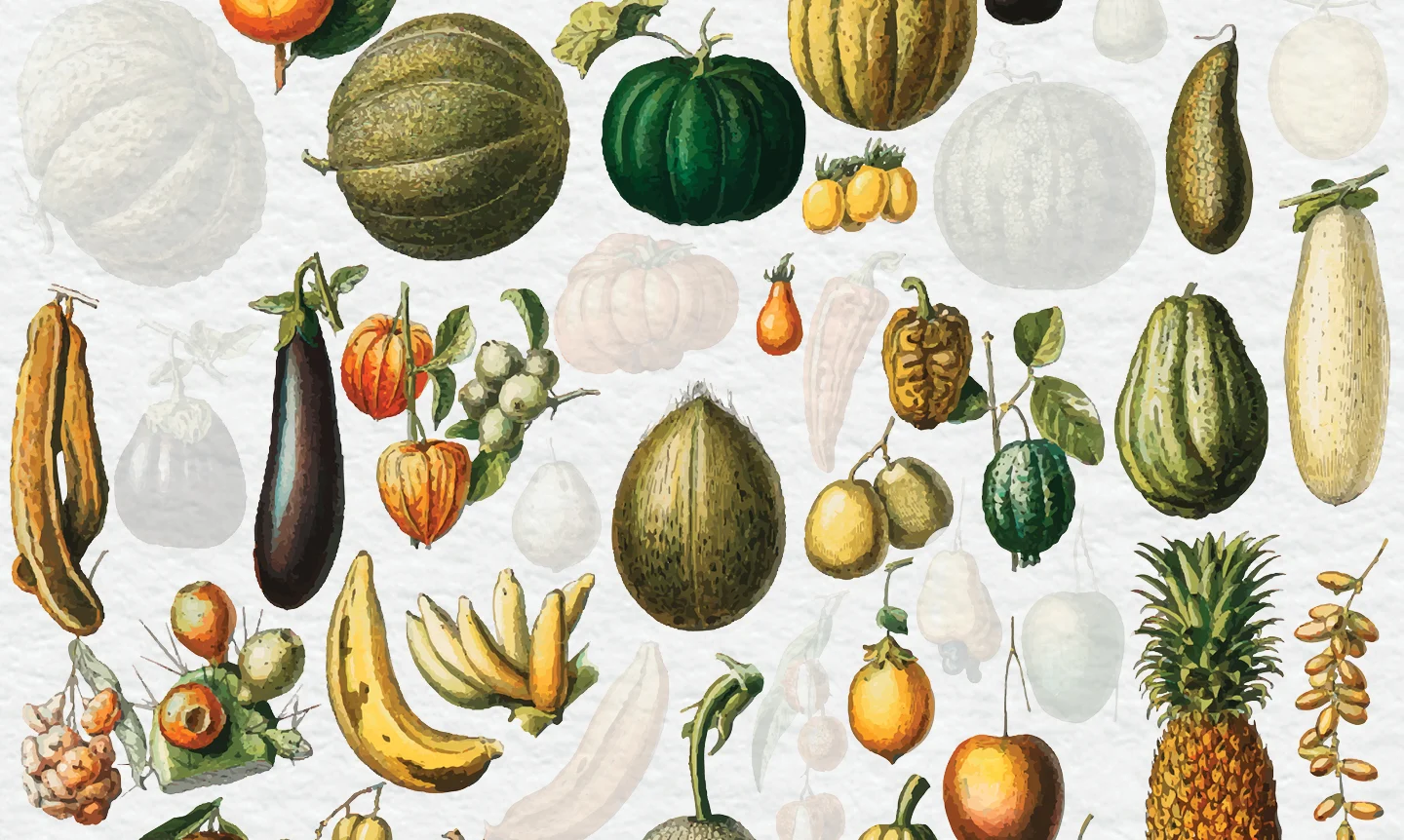
His book is a cultural travelogue of sorts, expanding on the communities that are making compelling arguments for resuscitating and preserving these dwindling foods. It’s a colorful world map of ingredients, charting thousand-years-old wild apple forests in Kazakhstan, cacao farming in politically unstable Venezuela, and oca tubers in the Andes.
It was a trip to Tanzania to visit with the Hadzas, a rare remaining tribe of hunter gatherers, that was particularly impactful. “I think just that sense of being in the middle of nowhere, and being in the hands of people who—I mean, I was there and I couldn't see any food around us, but there was food everywhere for them. To step into not only a place, but an entirely different way of life and a completely different relationship with nature.”
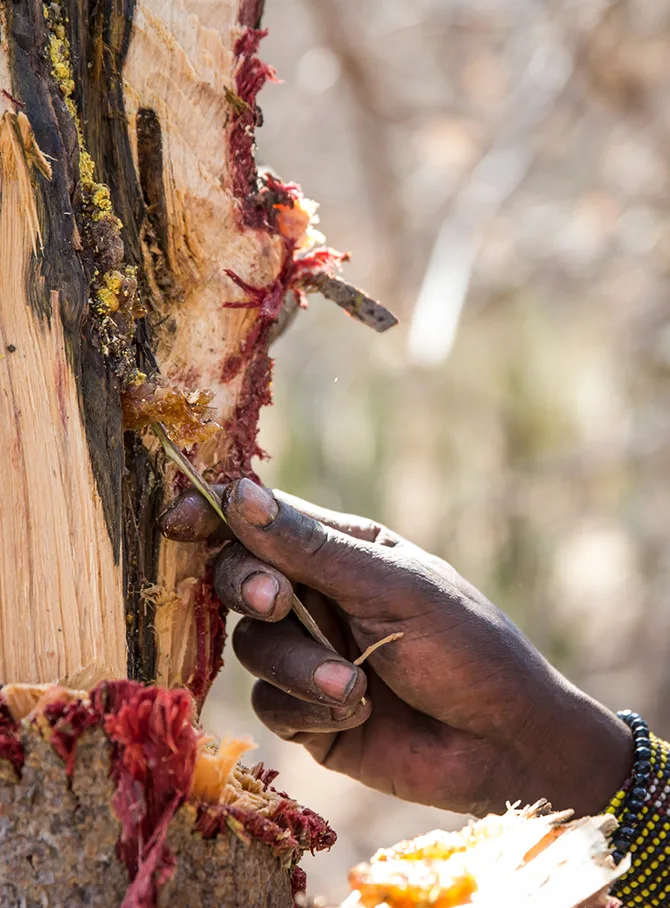
This idea of wild food, unadulterated by humans, is a recurring theme in Saladino’s writing, one that he sees as having not only nutritional and evolutionary importance, but social ones, as well, noting the Hadza’s communal existence and egalitarian community.
Saladino says he’s currently at work on a new book surrounding the relation of food and conflict in places like Syria, Venezuela, and the West Bank—and the Ukraine, which he describes as the “breadbasket of Europe.”
PRIOR talked with Saladino about a handful of the remarkable people and tastes he encountered along his travels in reporting Eating to Extinction.
Hadza Honey
The Hadza tribe has lived around Lake Eyasi, a massive salt lake along the edge of the Serengeti Plateau in northern Tanzania, for tens of thousands of years. As ultimate hunter-gatherers, the Hadzas are attuned to the surrounding nature, that they have a way of communicating with a certain species of bird that leads them to the location of special beehives from which they can harvest the honey that makes up a significant portion of their diet. The tribe’s home is under constant threat of the expansion of agricultural land. “The hunter gatherer lifestyle is the most successful one in our evolutionary history,” says Saladino. Agriculture is just over 10,000 years old, but hunter gatherers dominate most of homosapien history and way beyond that to other human ancestors as well.”
O-Higu Soybean
In Okinawa, Japan, Saladino met up with the farmer Kenichi Kariki who is working to propagate a tiny parcel of a very old variety of soybean, called O-Higu, which existed well before soybeans became the most commodified and genetically-tinkered food in the world. The beauty of the beans is that they are well-suited to the conditions of Okinawa, meaning that they ripened before the insects and rainy season came. “There's a kind of strength in adaptation,” Saladino says. “Because they are so perfectly matched to their environment, farmers have saved those seeds generation after generation. We've overridden the adaptation with chemicals and fertilizers, irrigation, and we thought this technology and science, we could override everything. But it turns out that's a real fight against nature to do it that way.” Kariki’s goal is to be able to produce his own tofu just from O-Higu, once a specialty on the island.