Last week, PRIOR hosted a live conversation for The Culinary Heritage of Japan, our upcoming group journey through the archipelago in November. Laila Said and Edoardo Cervigni—the travel designers behind the trip—walked prospective guests through the itinerary and the thinking that shaped it. During the informal presentation, the designers pulled at various threads, each revealing a layer of the culture, craft, and relationships that define the excursion.
For those who missed it, here is what they shared.
The Trip
The Culinary Heritage of Japan runs eight nights, November 3–11, and moves through three distinct regions. It begins in Osaka, Japan’s self-proclaimed kitchen, where multicourse kaiseki cuisine was born and where the street food culture carries a seriousness that belies its casual reputation. From there, it’s a short transfer to Kyoto, where the pace slows and the focus turns to ritual: private tea ceremonies, Zen temple cuisine, ceramics, and sake production. The final act takes the group north to Yamanaka Onsen, a 1,300-year-old hot spring town in the mountains of Ishikawa, and then north to Kanazawa for a day at one of Japan’s most important markets and a rare introduction to geiko, or geisha, culture.
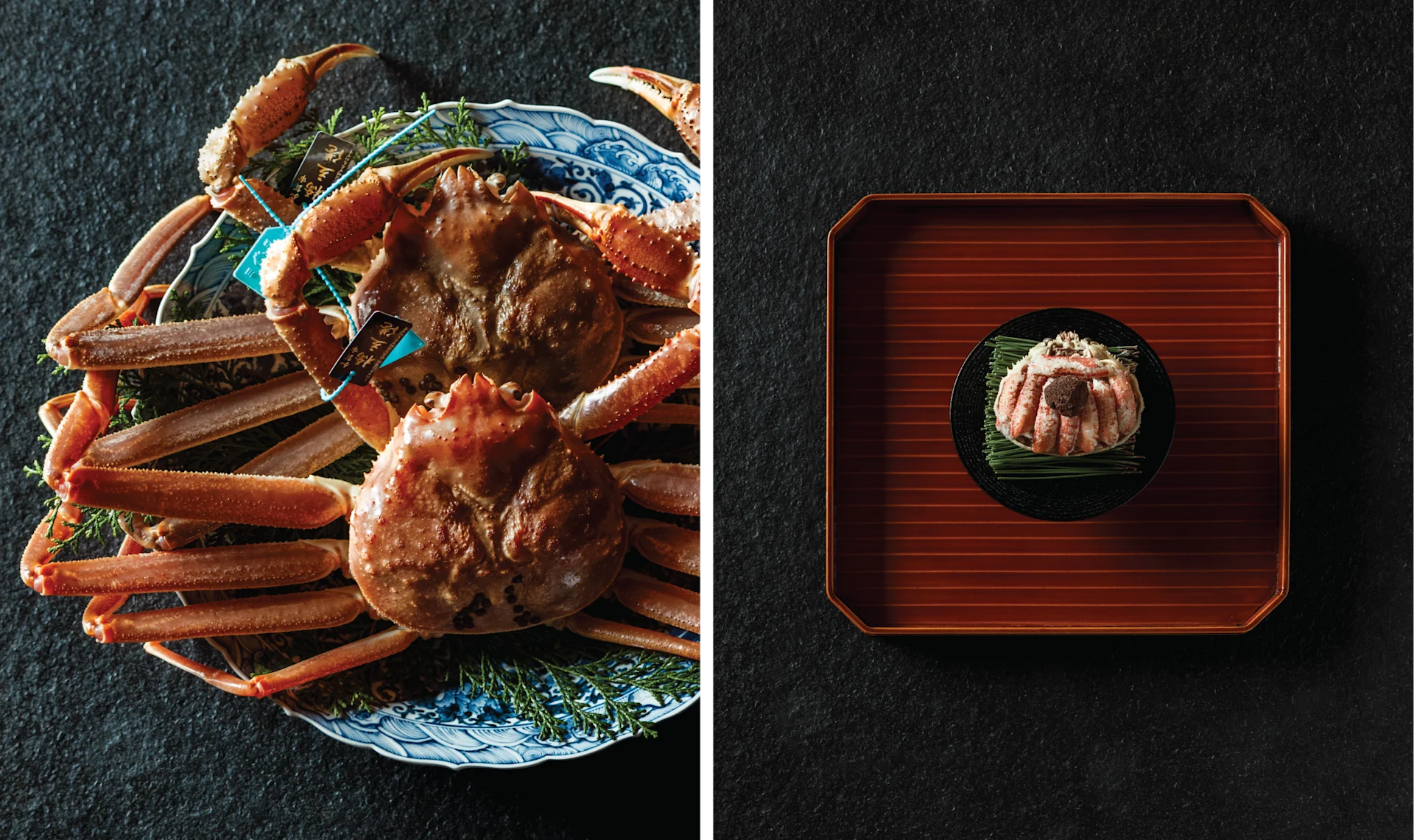
The lens throughout is food—an entry point into larger themes of craft, philosophy, seasonality, and hospitality. Knife making in Sakai connects to the kombu trade routes that helped shape Osaka’s culinary identity. Shojin ryori, or “devotion cuisine,” in a Kyoto temple connects to Zen Buddhism and the heirloom vegetables grown only in the neighboring mountains. A fishmonger reveals ancient knowledge of micro-seasons that dictate what is caught, served, and celebrated week by week. Every experience is tethered to its place and its moment in the calendar, which is why the trip runs in early November—a fleeting window when female crab season opens, matsutake mushrooms appear, and autumn foliage in Ishikawa reaches its peak.
Osaka: The Kitchen of Japan
Osaka is known as the kitchen of Japan not just for its food but for the city’s character, which is especially generous and direct. The first night opens with a kaiseki dinner served kappo-style at the counter in front of the chef. Kappo means “cut and cooked;” it’s the least fussy form of kaiseki and perfect for breaking the ice.
The following day, the group travels a half an hour south to the port town of Sakai, which sits on the historic kombu trade route. Kombu, the dried kelp that forms the base of dashi, is a fundamental ingredient in Japanese cooking. The town’s blacksmiths originally developed their craft to process kombu, and over time those skills evolved into what Sakai is known for today: some of the finest kitchen knives in the world.
“[The need for] tools that could shave such a difficult ingredient made for incredible blacksmiths,” Cervigni says. “These great craftsmen then shifted their attention to making some of the best blades in Japan.”
Kyoto: Ritual and Restraint
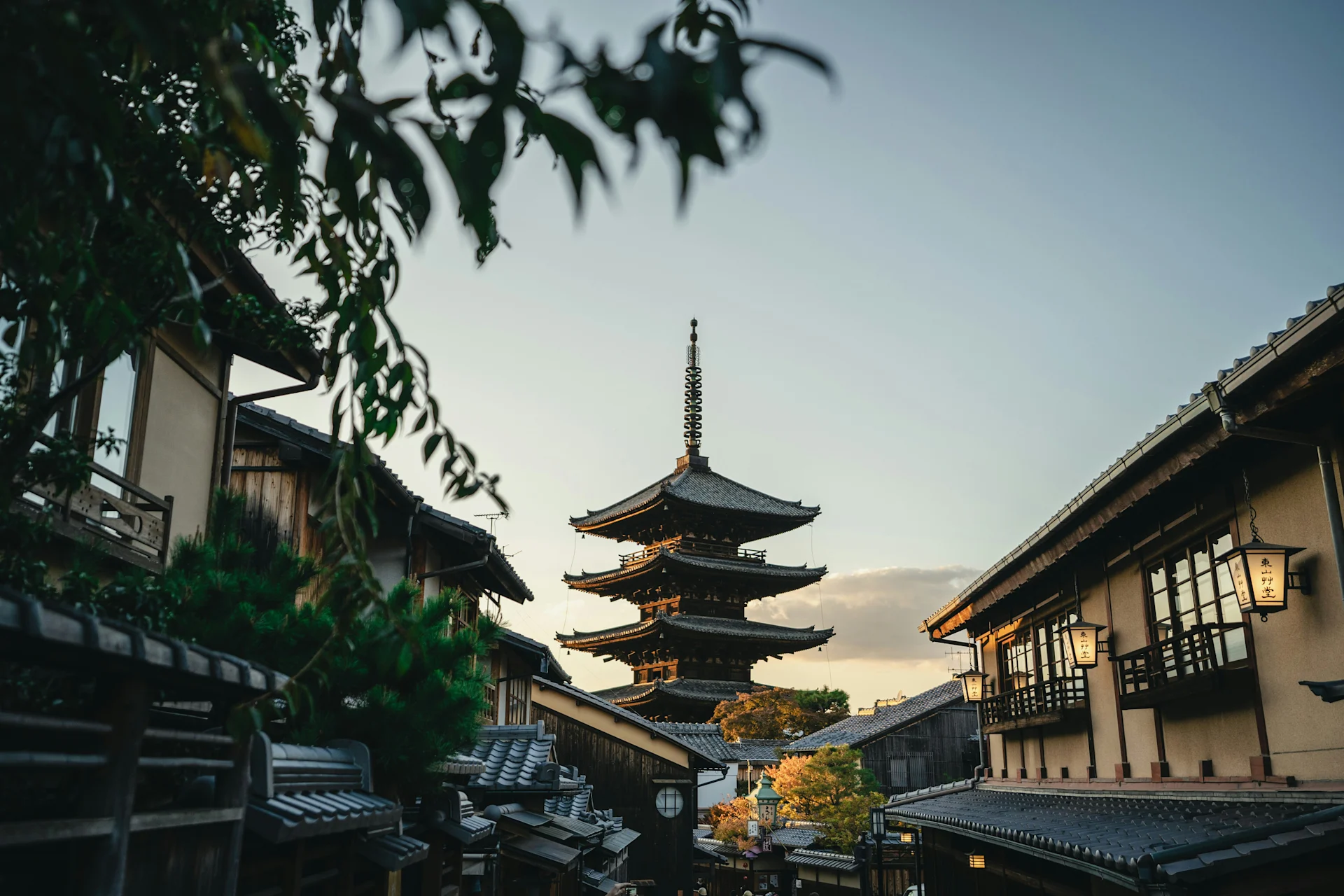
Kyoto was the capital of Japan before it moved to Tokyo and one of the few cities not bombed during the Second World War, a fact that gives its temple culture and culinary traditions a palpable continuity. Here we dive deep into tradition through a master-led tea ceremony, visits to a ceramics workshop and a sake brewery, and dinners that move from a lively izakaya to tempura at Tenyu to an invitation-only evening with the chef of Farmoon, who closes her restaurant to the public for the group.