“I’m convinced that the pandemic we’re currently living through is both a manifestation of and a mere interruption in the relentless march toward an interconnected world, one in which peoples and cultures can’t help but collide. In that world — of global supply chains, instantaneous capital transfers, social media, climate change, mass migration, and ever-increasing complexity — we will learn to live together, cooperate with one another, and recognize the dignity of others, or we will perish.”
It probably wasn’t what he had in mind at the time, but with these lines from his recently released memoir, A Promised Land, Barack Obama was offering much-needed comfort to some of the world’s most famous restaurants. I’ll try to explain.
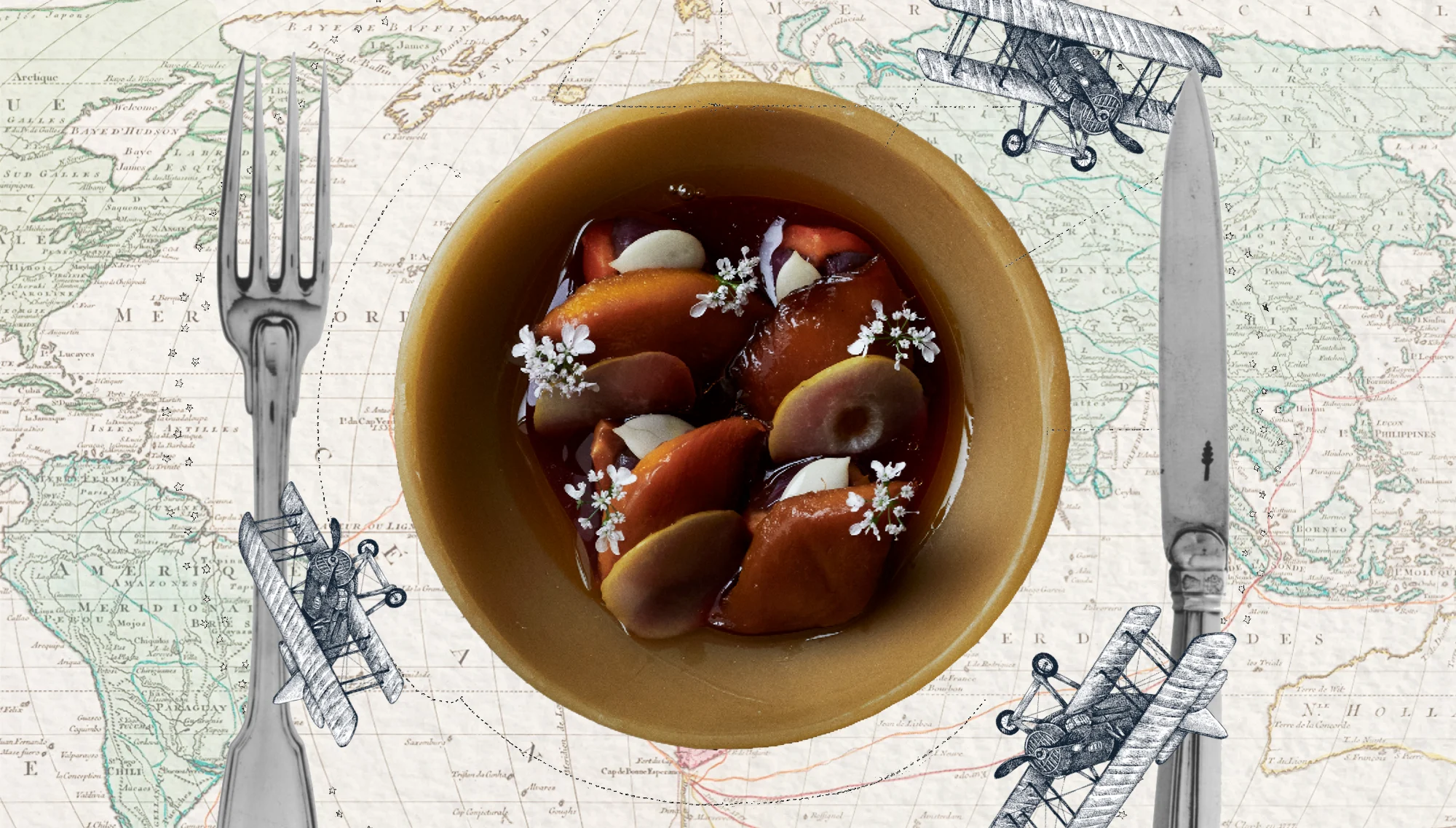
In the 15 or so years leading to the pandemic, chefs ascended to the ranks of artists and ambassadors, helped along by the advancements of the interconnected world the former American president describes. From Järpen to Bogotá, Santiago to Macau, hundreds of bucket-list dining destinations spread across the planet, sparking culinary movements, animating local economies, reshaping once-sleepy cities. If you booked a long-haul flight just to have a four-hour, $400 lunch at one of these spots, you weren’t merely chasing indulgence; you were tapping into an expression of place, with the ancillary benefit of gathering content for the ‘gram.
Now restaurants are in peril. In the United States, the industry faces near-extinction. Even in countries where governments have provided more support to the sector, survival is far from assured. Most globetrotting diners, meanwhile, are staying as local as everybody else, either because they see it as a moral imperative or it is simply illegal (or incredibly difficult) to do otherwise.
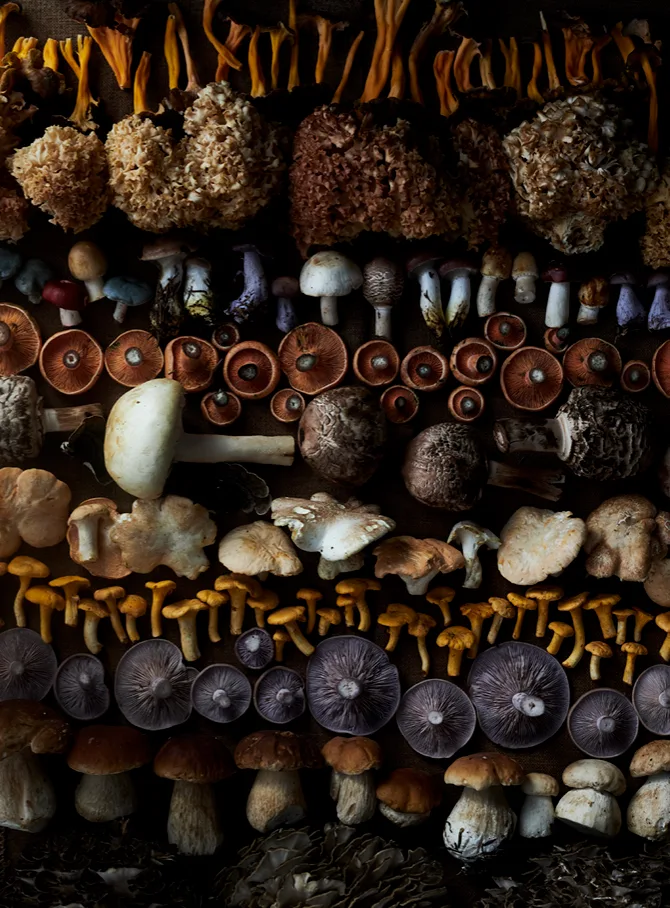
Naturally, this most excruciating pause has sparked debate. While no one is happy to see mom-and-pops disappear, some argue that another potential casualty of the pandemic — the notion of the chef-auteur — is, in the long term, more than beneficial.
So, for the sake of argument, let’s imagine a future in which we’re all sufficiently inoculated and border controls have relaxed. Are diners still going to jump through hoops for the privilege of sitting through a meal in 20 acts? Is the hope of the list-toppers of pre-pandemic times to proceed with business as usual? What will change? What will stay the same?
And, frankly, why should anyone give a shit?
These are some of the questions I posed to the operators of big-ticket restaurants and the diners who fly around the world to frequent them.