What
Singita Sabora Tented Camp in the Grumeti Reserve, a private concession that hugs the northern edge of Tanzania’s Serengeti National Park, has had more than a renovation—it’s basically a reinvention. This light-on-the-land encampment built a decade ago in a nostalgic colonial adventurer’s style (brass lanterns, luggage trunks, Persian rugs and artfully placed pith helmets) is now much more Of Africa than Out of Africa, well attuned to its environment, the regional culture and the current moment.
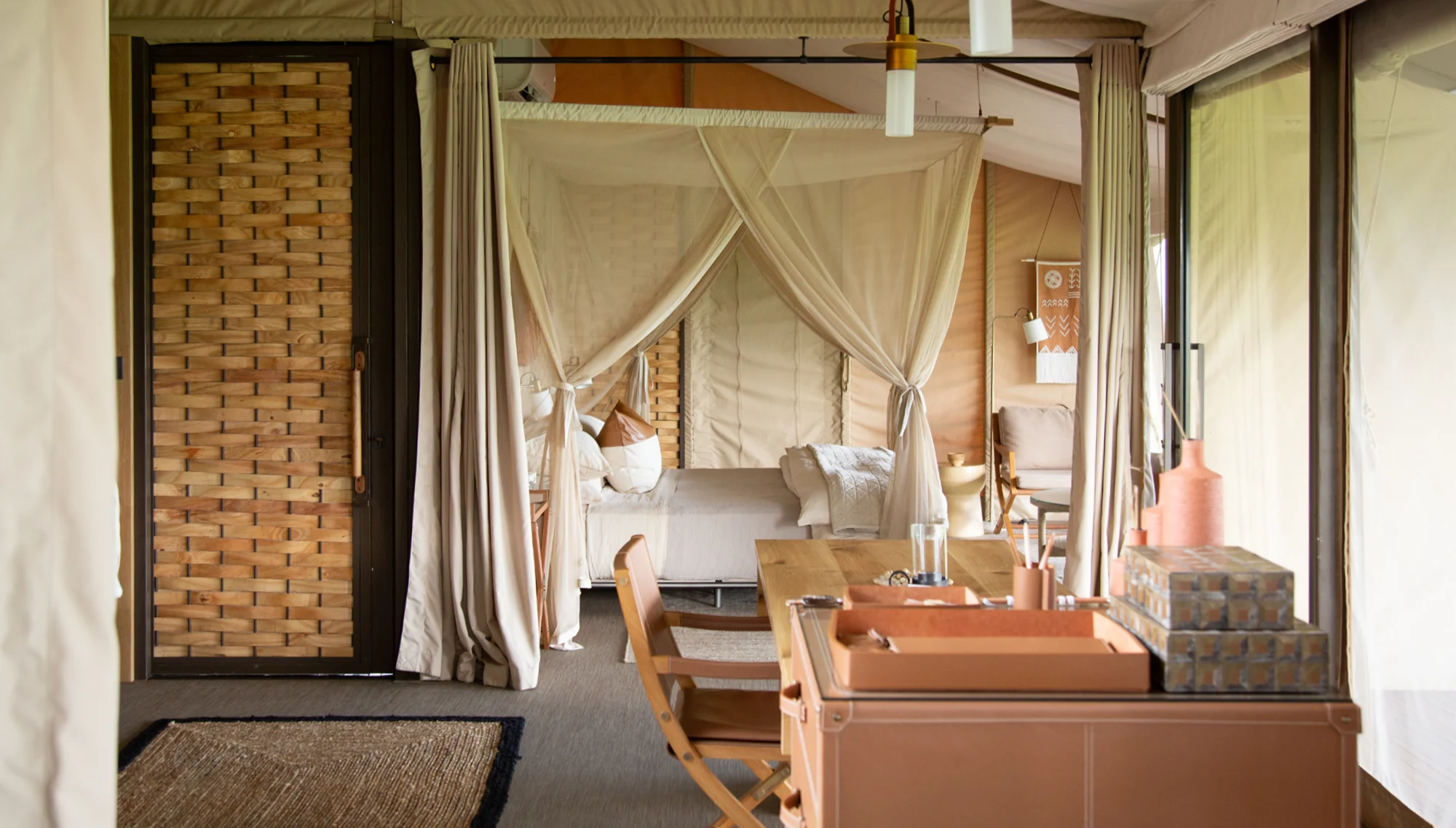
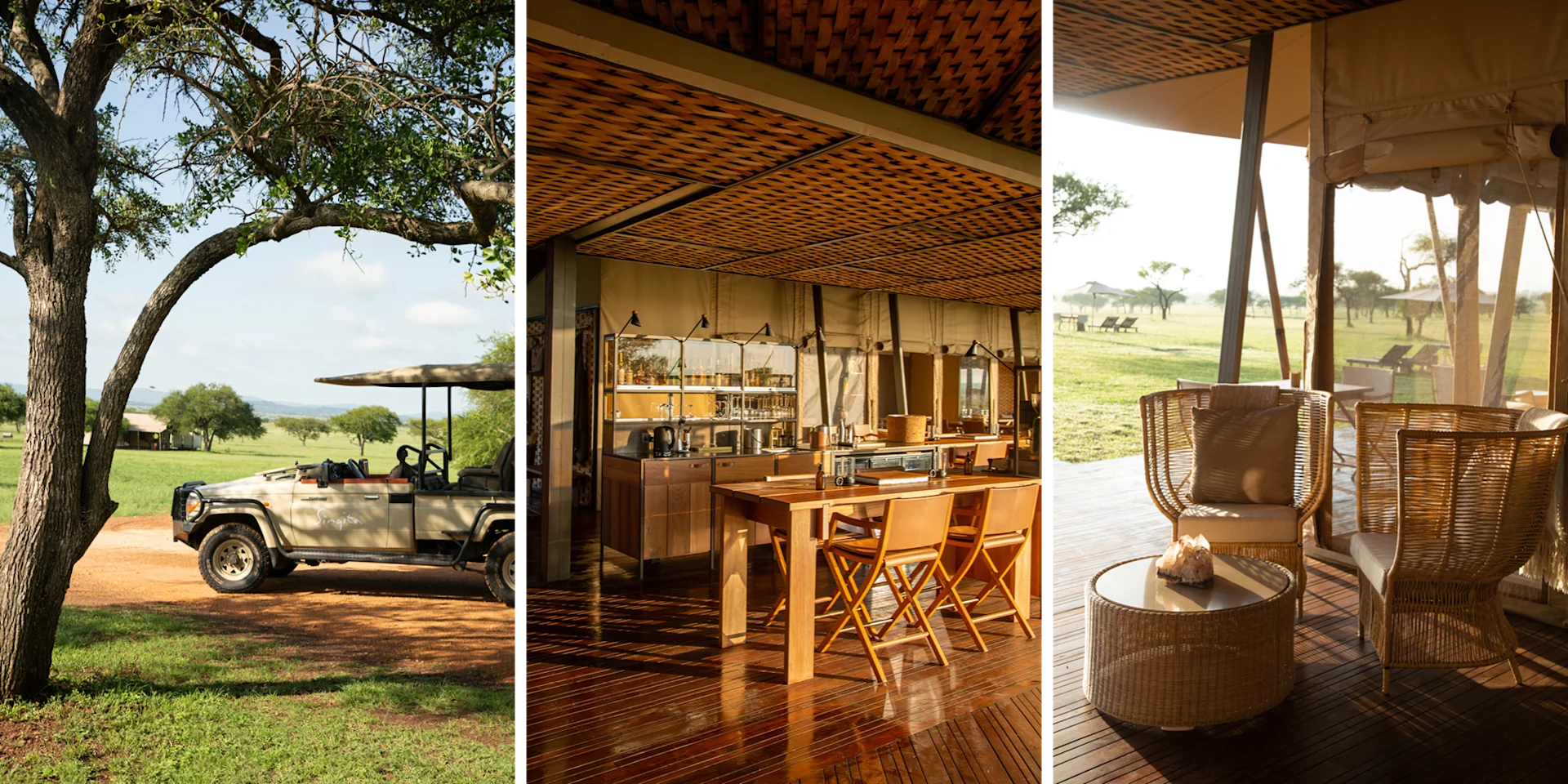
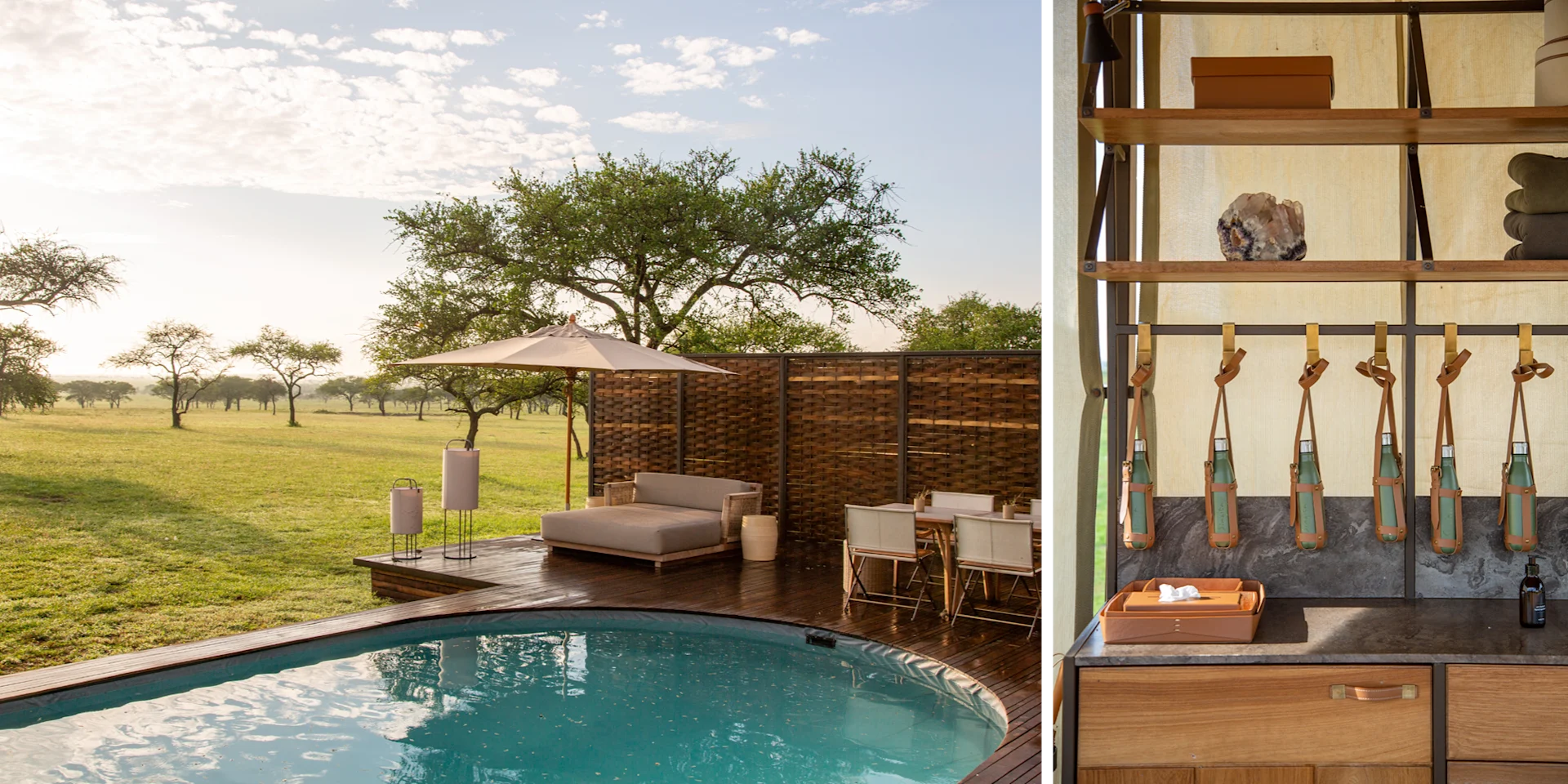
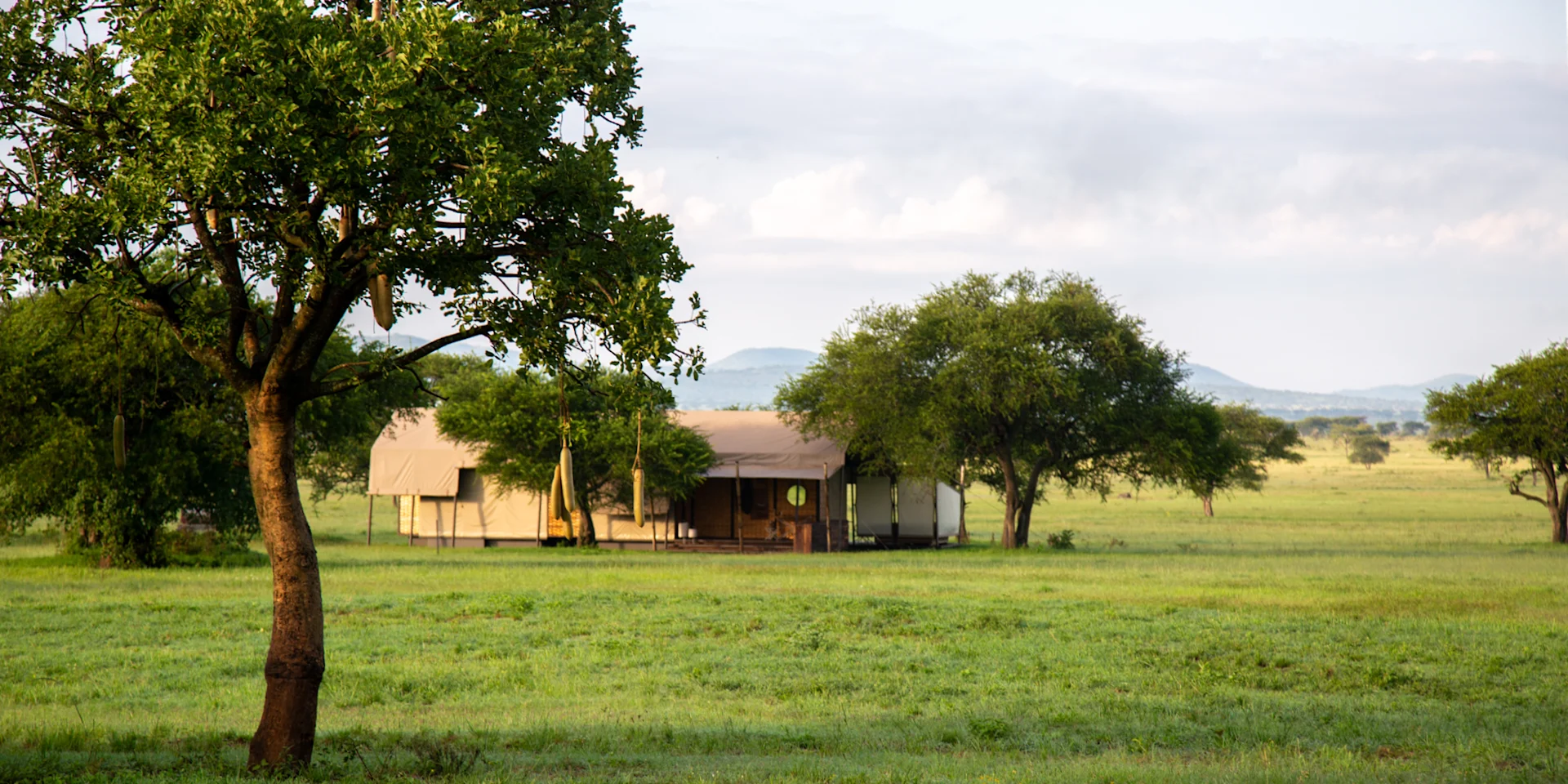
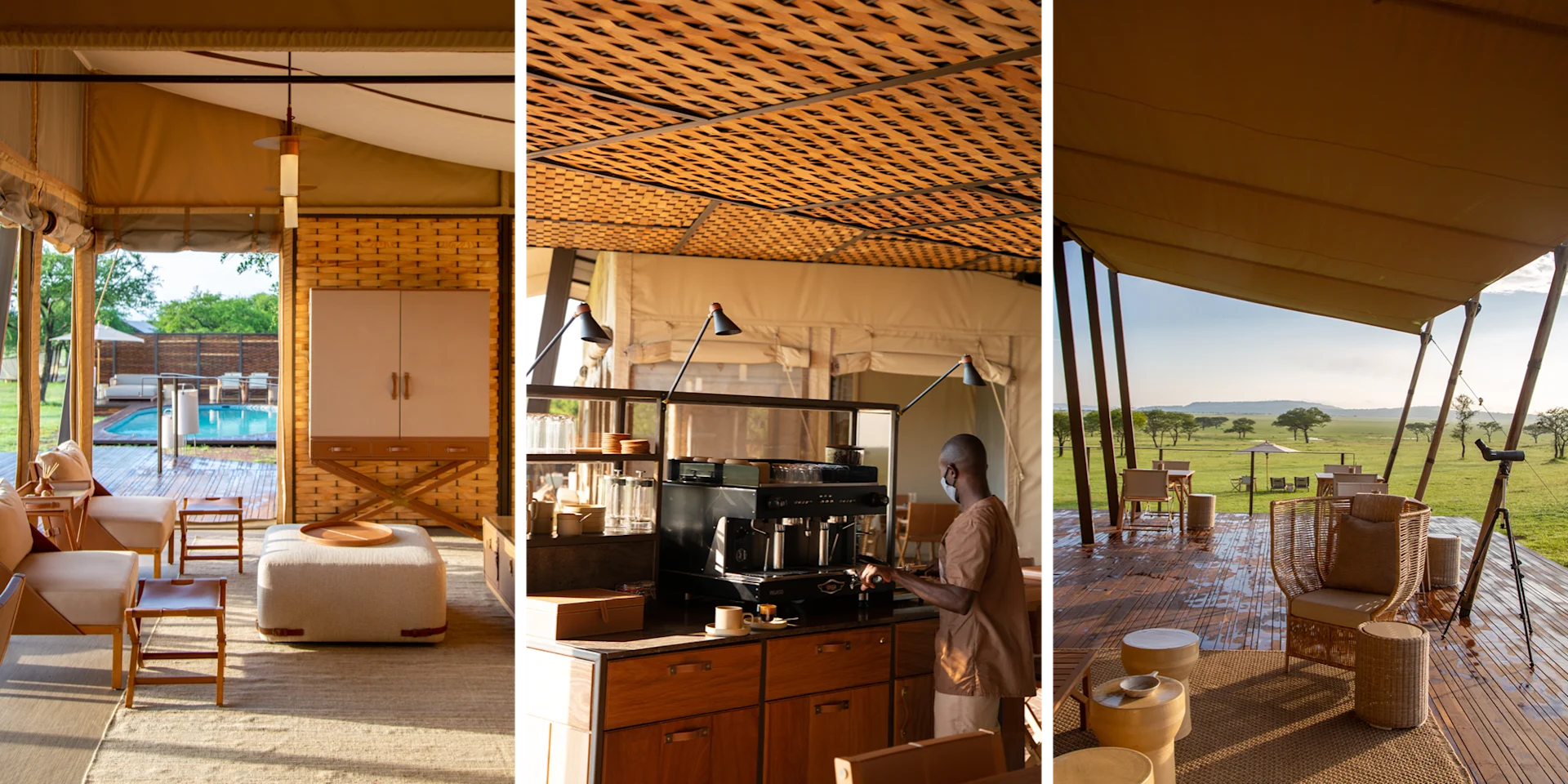
Sabora consists of nine tented suites spun off from a main lodge, which serves as a lobby-boma- dining area. Although they look like simple canvas and wooden-staked tents, these solar-powered semi-permanent structures with private decks and daybeds overlooking the plains could compete with the best hotel rooms anywhere. The taupes, browns and creams of the leather, linen and woods used throughout blend into the savannah with minimal intervention. This seamless integration is matched by the camp’s near faultless service and the unobtrusiveness of the operation in general. This is hoteling of the highest order.
Who
The Spielberg of safari, Singita is renowned for consistently and flawlessly delivering on the dreams of both the once-in-a-lifetime splurgers and the annual Africa-in-luxury veterans. (Perhaps too flawless for those who favor a rawer indie approach to adventure.) Established nearly three decades ago by South African Luke Bailes, Singita operates lodges and camps in four countries across the continent. Because of the brand’s partnerships with conservation NGOs that maintain and protect huge swaths of wilderness, Singita is known for pulling off exclusive access to landscapes untrammeled by other safari companies in otherwise crowded ecosystems. Here, their partnership with the Grumeti Fund—founded in 2002 by American billionaire conservationist Paul Tudor Jones, who leased this 350,000-acre former hunting concession from the Tanzanian government—means an up-close view of the annual Great Migration of wildebeest and zebras, which thunders through in June and July. (Though the camp is open year-round and nature is always putting on a show.)
The Surrounds
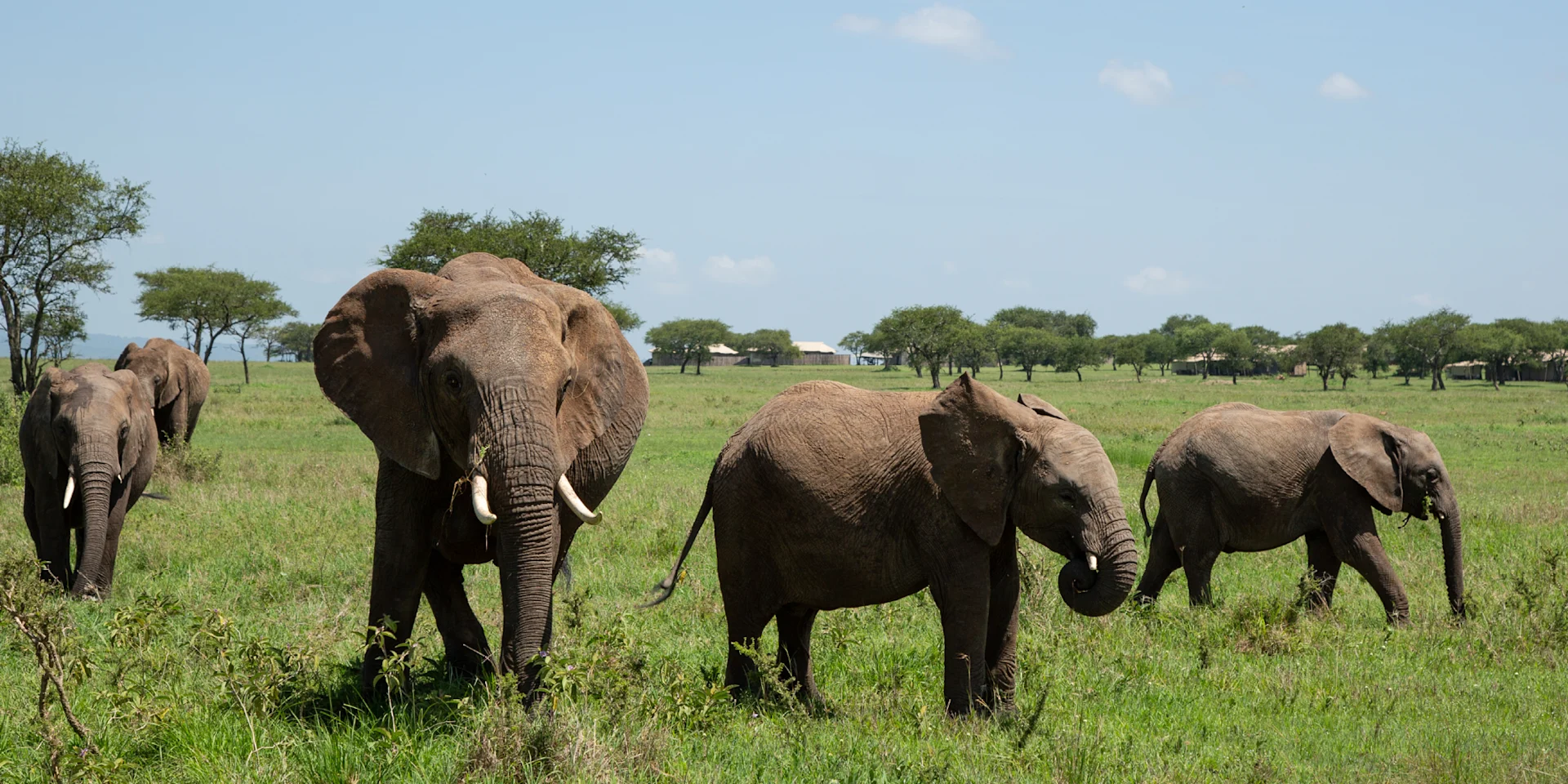
Not long ago this piece of land was barren, poached out beyond recognition. But the last few years have seen a remarkable turnaround, with a fourfold increase in the elephant population, ten times the number of buffaloes, a few translocated rhinos and the highest lion density on the continent—an outstanding achievement in not only conservation, but regeneration. Singita operates five camps and lodges across these plains and ridges, with Sabora being the one that sits flat on the savannah, eye level with impala and under the noses of roaming giraffes. You find yourself truly living amidst the animals, as evinced by a lioness holding us hostage at our doorstep one evening, a herd of 20 elephants wandering by in the afternoon and the flared nostrils of buffalo brushing past our tent screen well after midnight.
The People
Singita prides itself on an exacting level of service that retains local character. Ninety-five percent of the staff is Tanzanian, and the brand’s commitment to the long-term career development of employees is striking. Safari is made (or broken) by the expertise, knowledge and storytelling ability of the guides and the generosity of spirit of the lodge staff in the lengthy downtimes between game drives. (Shout out to the unflappable housekeeping team who not only rescued us from the lioness but captured a bat in the bedroom and saved our luggage from marauding monkeys.) Our guide, Mishi, the only female guide in the whole concession, began as a dishwasher who proved her facility for numbers and trained to join the tracking and guiding team. She was the first person to greet us when we landed and the last person to say goodbye on the tarmac, where she stood waving long after we’d lifted off towards Mt. Kilimanjaro. The gesture didn’t feel plucked from a hospitality handbook, but like a genuine personal gesture.
The Drives
Mishi’s commanding presence in the vehicle and genuine joy in the animal sightings—no canned explanations or impatience with our questions—defined our days. One of the joys of Singita is safari on your own schedule, in what feels like your own concession with a nonstop highlight reel of parades of elephants, dazzles of zebra and prides of lions. You can do two game drives a day, with bush breakfasts and sundowners, starting as early as you want or skipping it altogether. Our strongest advice: spring for a private car and guide. You don’t want to be beholden to someone’s grumpy teenager or a birder looking for Zazu when you’d rather spend your days tracking Simba.
The Rooms
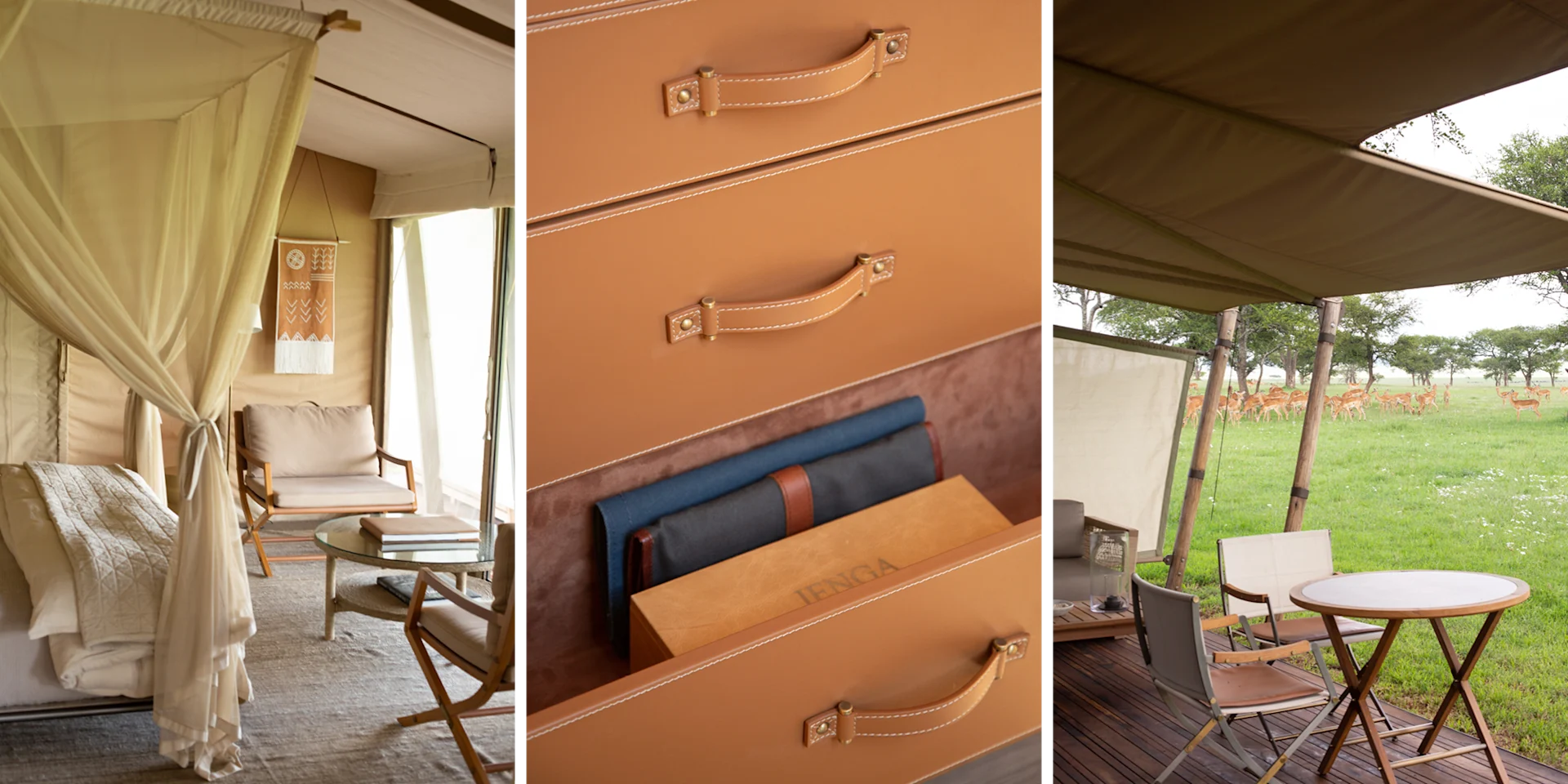
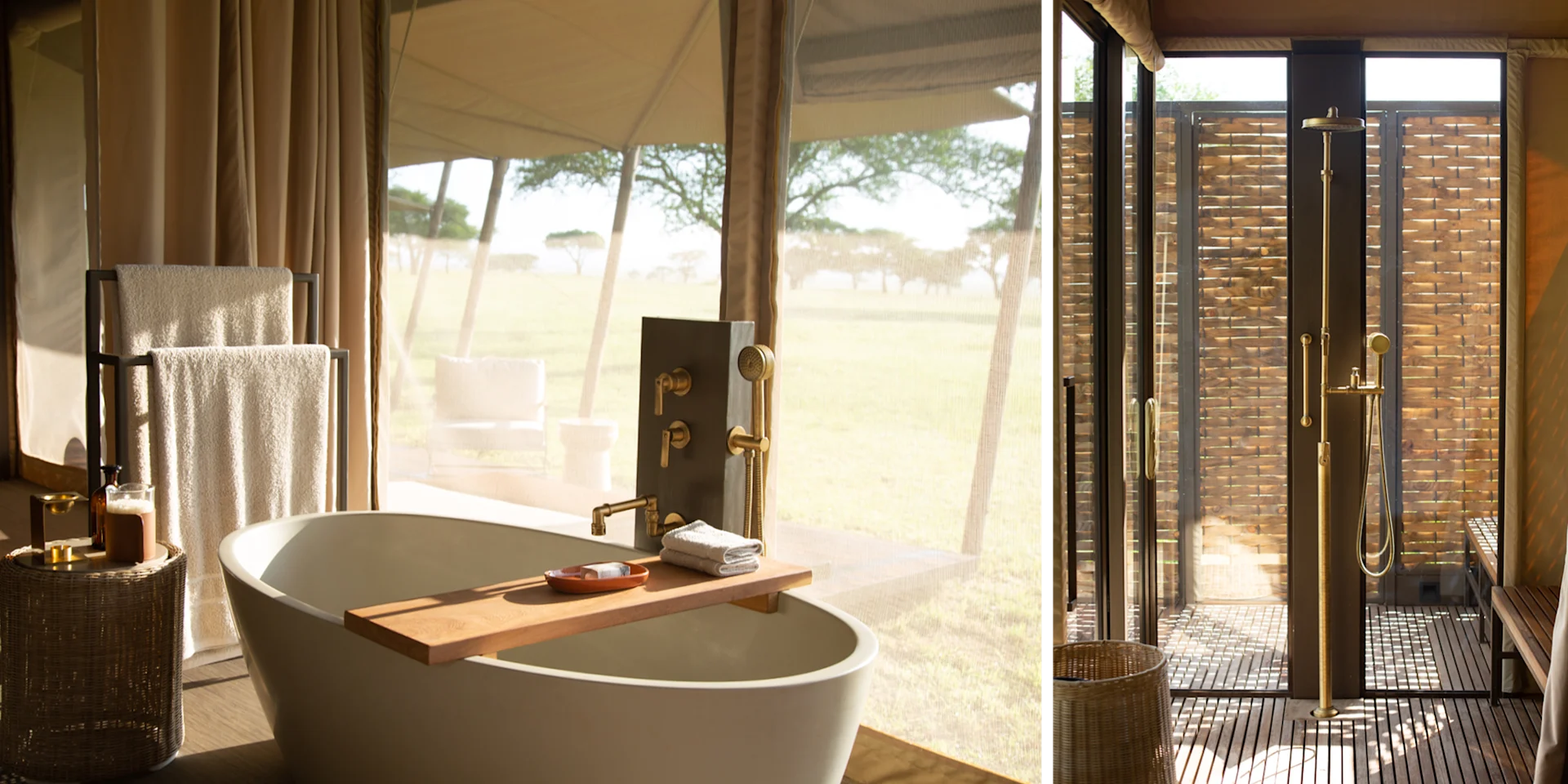
Are we really still pretending these are tents? They technically may be, but we admit there is no semblance of roughing it or conceding comfort to the constraints of a camp. The new rooms, a mix of the thickest saddle-leather furniture, woven cane and blond wood, handmade board games and beaded wall-hangings—much of it made in Africa—are seriously sophisticated. Refreshingly un-themey, these suites in every shade of khaki feel like a reinvention of a modern safari vernacular in which the wild backdrop is the real showpiece. (Although as in every new hotel room, it seems, the light switches are complicated to figure out, but are accounted for here in a bedside master switch.)
The Food
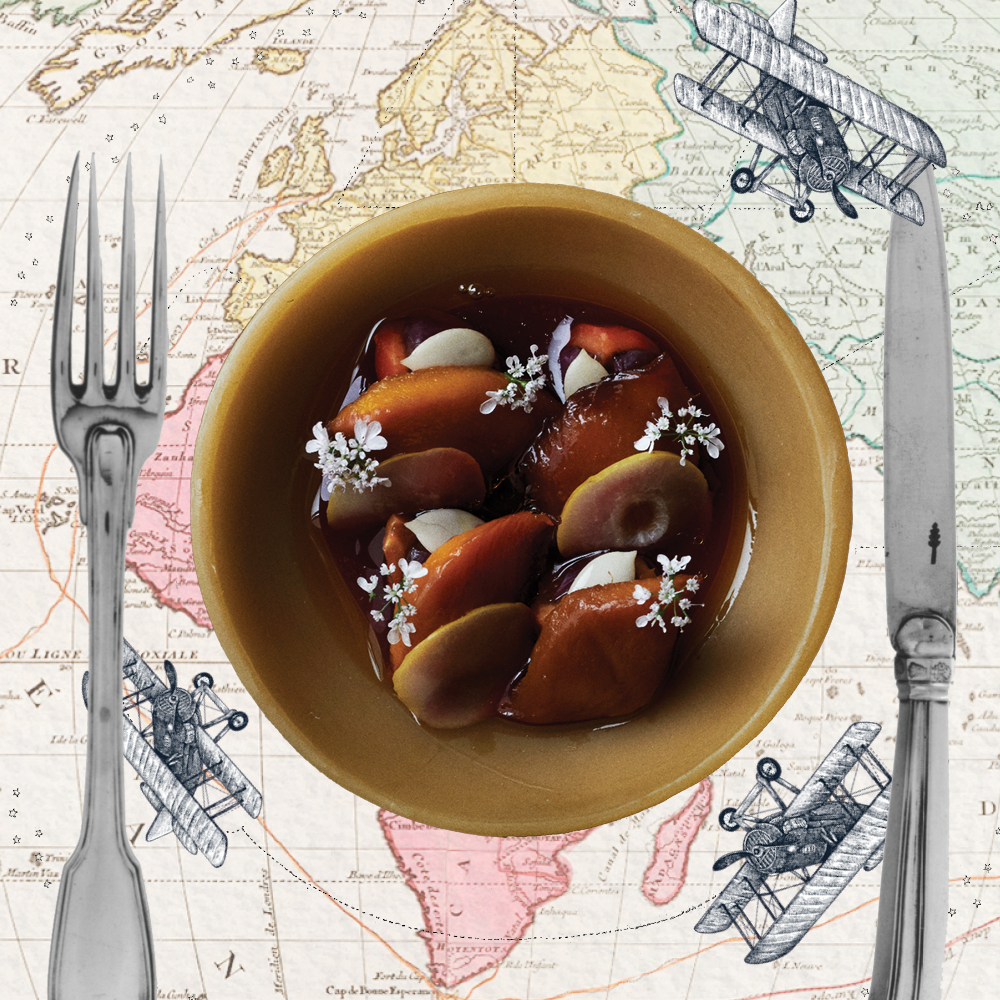
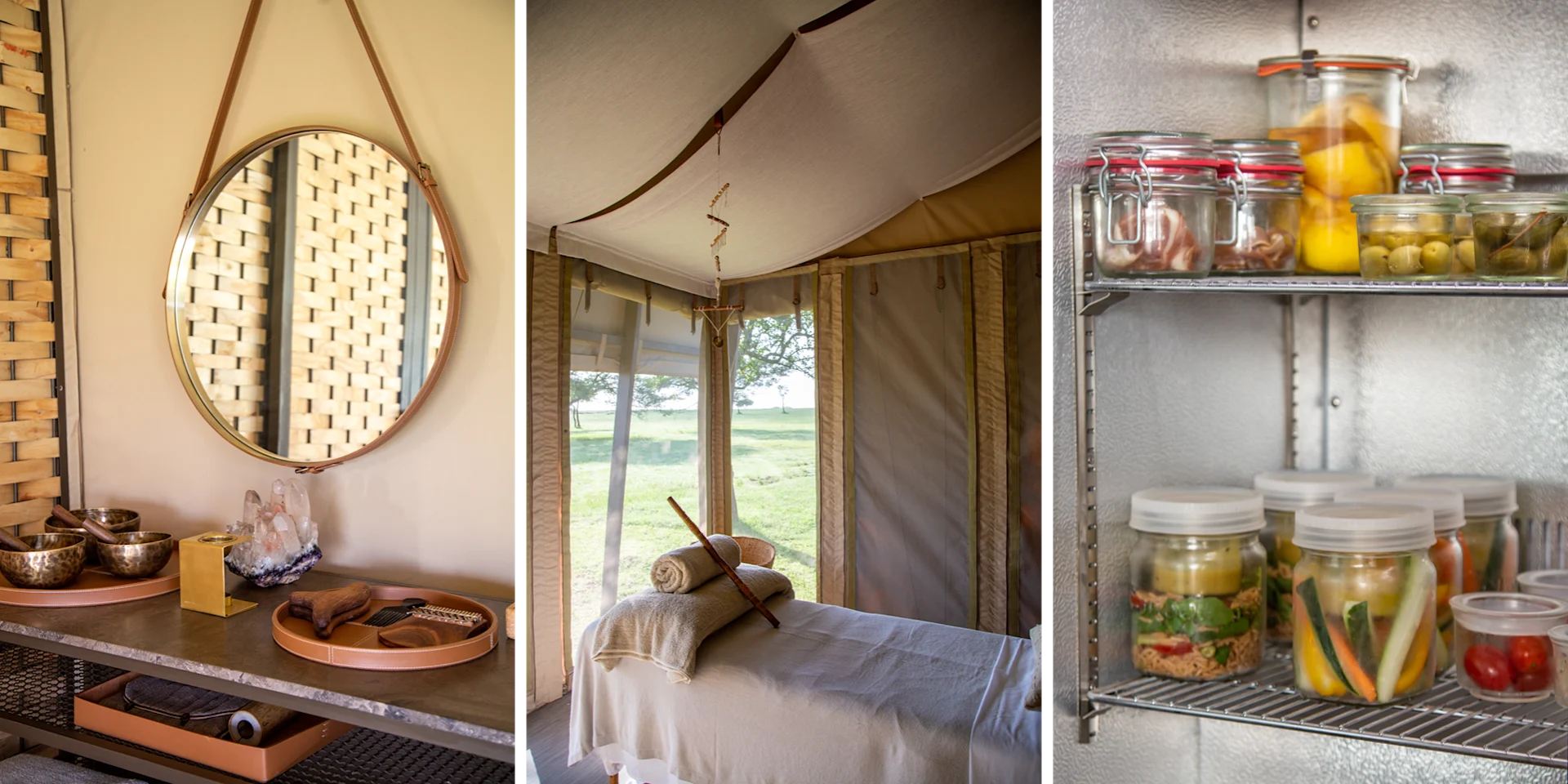
It is a typical (if whiney) complaint of safari that you are fed from dawn ‘til dinner like a suckling pig between the rather sedentary activity of game drives. We were skeptical of the “deli'' system in the main tent, where you could snack all day from a buffet of healthful foods like protein balls or fruit salad, but this grazing approach kept us from feeling turgid. (Also, a gleaming espresso machine turning out excellent local coffees, not a bar, holds the most prominent position in the tent.) The meals were surprisingly nourishing, vegetable-forward and often Afro-Indian inflected, with salads like you might find in a Cape Town or beachside Sydney café, without trying too hard. Some of this may be a result of Singita’s Community Culinary School, which brings in aspiring chefs from local communities and puts them through 18 months of rigorous training before finding them work, just one of several community empowerment programs the brand runs.
The Wellness
Standard massage and scrubs in the spa tent. The products used in the spa and in the bathroom are natural and inspired by African ingredients. But the overriding wellness aspect here is the exhilaration of being close to the animals and seeing a thunderstorm roll in across the plains. It is the feeling of being alive in unbounded wilderness, and that there just might be hope for the planet.
The Drawback
We were super impressed by our visits to the Grumeti Fund’s K9 anti-poaching unit that was underwritten by a former Singita guest (it requires a $500 donation). But we wish it were made clearer how Singita and the Grumeti Fund work together in this low-impact tourism model. We want to know how, exactly, we are contributing to the symbiotic relationship that rounds out the circle of life in this most extraordinary of partnerships.