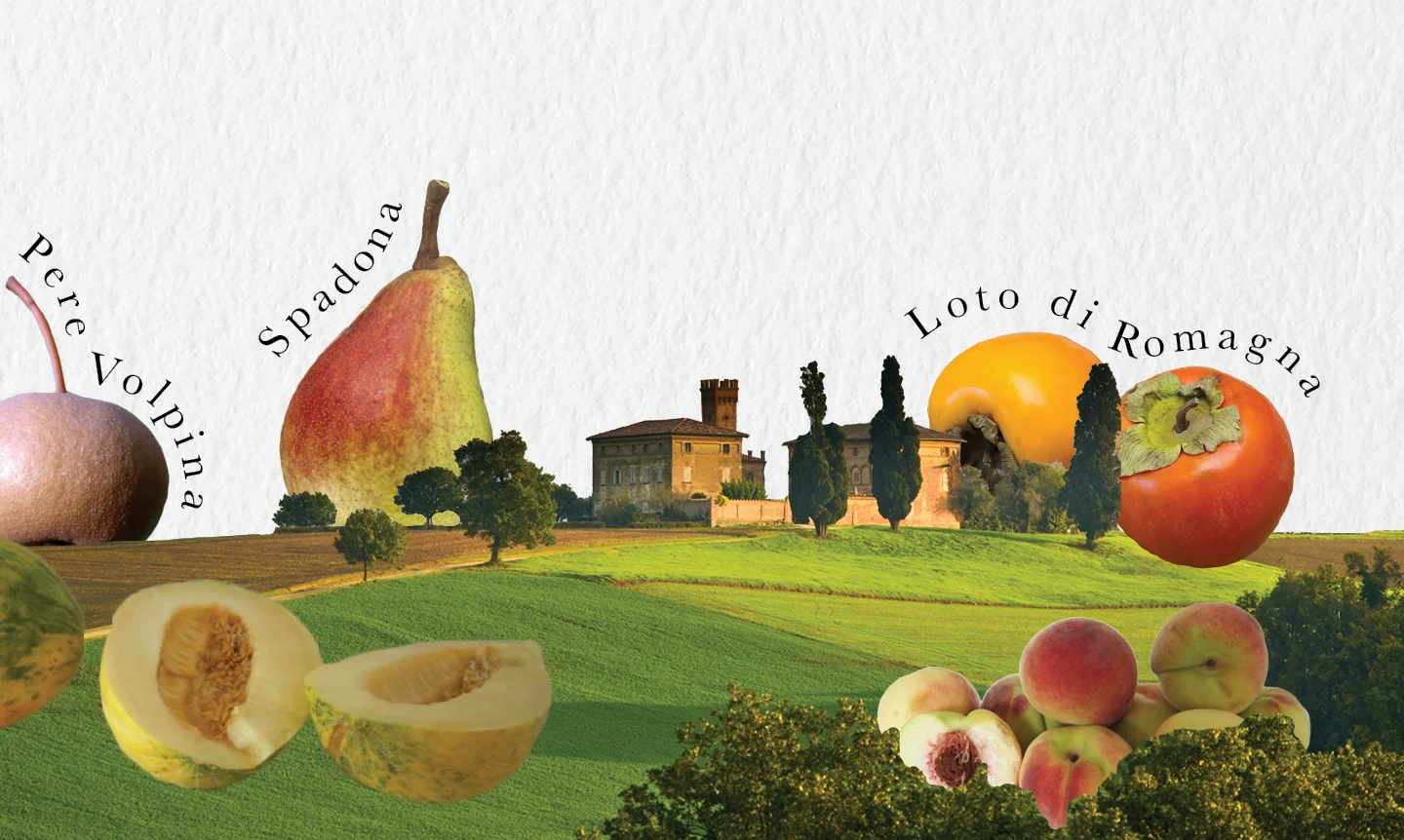
Forget, for a second, Emilia Romagna’s reputation for the tiniest handmade tortellini, rosiest culatello, or richest balsamico, or as the place where the entire world travels to twirl tagliatelle bolognese onto their forks. Before there were cheese caves filled with hulking wheels, a worldwide prosciutto trade, or any kind of seemingly static distillation globally of what the region’s cuisine “was,” some of the area’s—and Italy’s—purest and most distinctive flavors came straight from the branches of Emilia Romagna’s trees.
Beginning with the Roman presence there two thousand years ago, wild and hyper-regional fruits gradually moved from being collected in the woods to being cultivated in manicured gardens behind local homes. According to Lara Malavolti of Slow Food Emilia Romagna, in the monasteries and convents, fruit tree fostering became widespread—especially pears and apples—under the influence of the Benedictine mantra “ora et labora,” prayer and work. Women entering Romagna marriages carried with them the seeds of fruit trees from the mountains to the plains, and more trees were planted in honor of a male baby’s birth, helping to spread the varieties more widely across the region. These practices helped lock into place a broad genetic spectrum of fruit, eventually supplying for modern-day farmers a massive variety from which to breed and only further improve the most flavorful and robust modern cultivars.
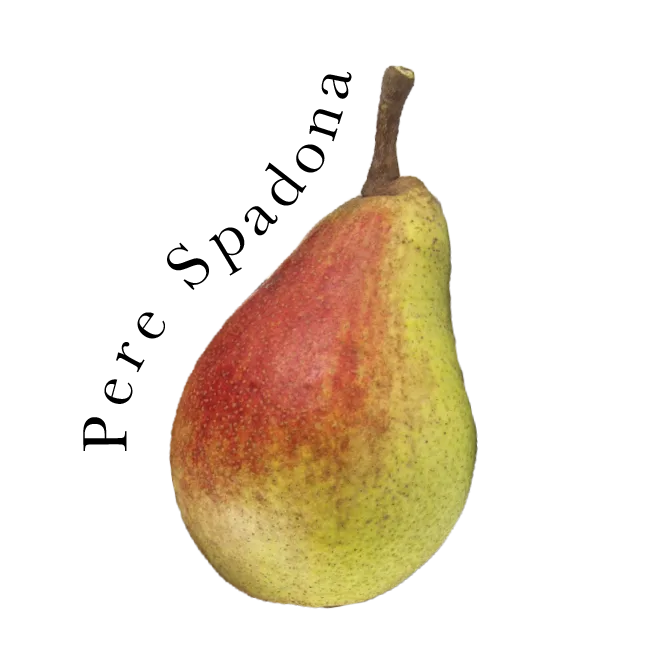
This is why, according to Italy’s Slow Food Foundation for Biodiversity, lower Romagna in particular is known as “the cradle of modern fruit growing.” It was here in this fertile northern Italian region—which encompasses hills, valleys, plains, and coastline—that, in the province of Ravenna in the late 1890s, the first peach orchard plantations were cultivated and studied on a few modest hectares. Experiments began with two varieties of peaches and soon, as offshoot operations sprung up in the Ferrara, Bologna, and Forli provinces, an industry was born. Today, commercial production in Emilia Romagna still supplies a vast percentage of Italy’s overall fruits. Several varieties and products made with them have Protected Geographical Indication (PGI): among them, melone mantovano—largely grown since Medieval times in Modena, Bologna, and Ferrara, and now a classic served wrapped with prosciutto di Parma—and amarena brusche, a preserve made with multiple varieties of sour cherries and used in Modena’s crostata di amarene, or sour cherry tart.
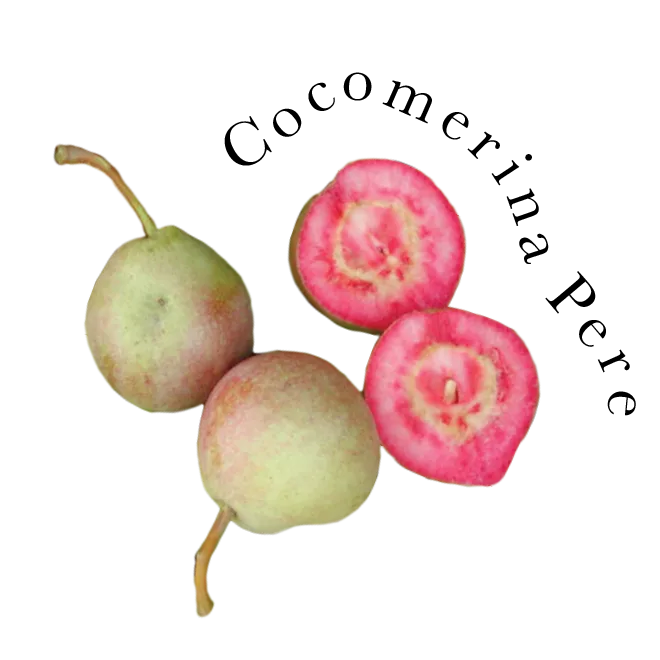
But beyond the long history of farmed fruits, a local focus has also been placed upon—and a new narrative crafted around—maintaining and celebrating the ancient, wild and now rare fruits of the region, too. “To make known and protect the great patriarchal fruits also means protecting the memories linked to these great trees and the knowledge of our farming civilization,” Malavolti says. “It represents the memory of a people, its history and its roots.” For 25 years and counting, for example, the Festa dei Frutti Dimenticati (Feast of the Forgotten Fruits) has taken place in Ravenna in late October, with historical discussions, tablewide displays of rare fruits shepherded into modernity by impassioned growers, and of course, tastings. And in the kitchens of regional restaurants mindful of preserving tradition, components such as mulberry sauces, quince compotes, and candied ancient fruits make their way onto menus, as do old-fashioned dishes such as piquant little Volpine pears stewed to palatability in dark Sangiovese wine, veal with local pomegranate, rare plums filled with zabaglione and nuts, or cakes made from wild apples such as the Francesca variety or the mela rosa mantovano (with pink-colored flesh). These offer a broader rediscovery of pre-touristic Emilia Romagna, but some are particular to a tiny portion of the land.
“In the Modenese hills,” for example, “there is still the Spalèr pear, rust-colored and very beautiful; the curiosity is that this variety is found only in a very limited range [of the region], in the municipalities of Carpiteti and Casina,” Malavolti says. “This denotes how often some production is closely linked to the soil and climate characteristics of [a very specific] territory.”
Here are more frutti antichi still foraged, cultivated and cooked in reverence of history:
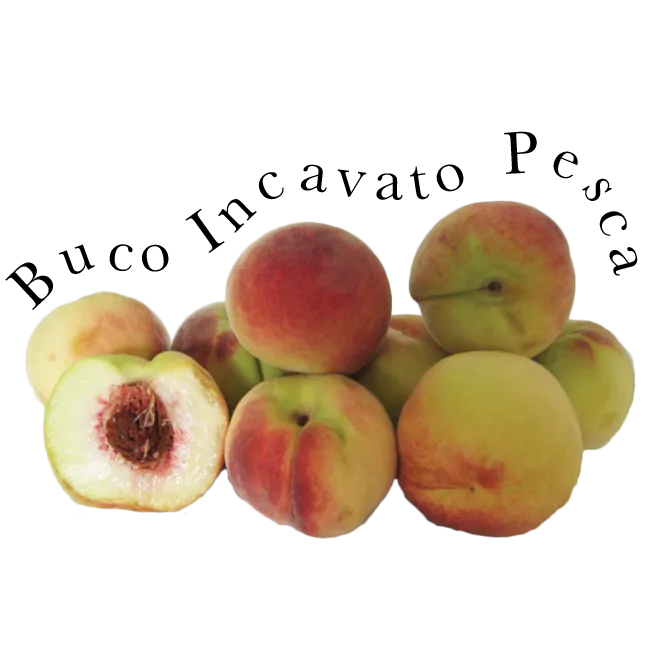
Buco Incavato (Hollow Hole) Peach
A soft and deeply red skin, intense fragrance, and firm but sweet white flesh that pulls away from the pit characterizes this once-popular variety (“Bus Incavé” in local dialect) that is now quite rare. According to Slow Food, “In the 1930s, during the peak period of when this peach was cultivated, the ‘bus incavé’ reached half of Europe, but with the introduction of yellow-fleshed varieties, more suitable for storage and long distances, its decline began. By the mid-1950s, it already represented less than 1% of regional production. The professional cultivation of the hollow hole peach had practically disappeared, but the local farmers, who have always appreciated this variety, have kept one or two plants each for family consumption.” Today about 350,000 tons of peaches (22 kinds) and nectarines (29 types) are produced in Emilia Romagna, but nectarines are beginning to overtake market demand.
“Grossa di Faenza” Pomegranate
An unusually large pomegranate that can grow to exceed 4 pounds, this varietal was often present on farms and planted close to the house. Its sweet and juicy seeds were found in historic texts to have been used instead of lemon juice to flavor salads and meats.