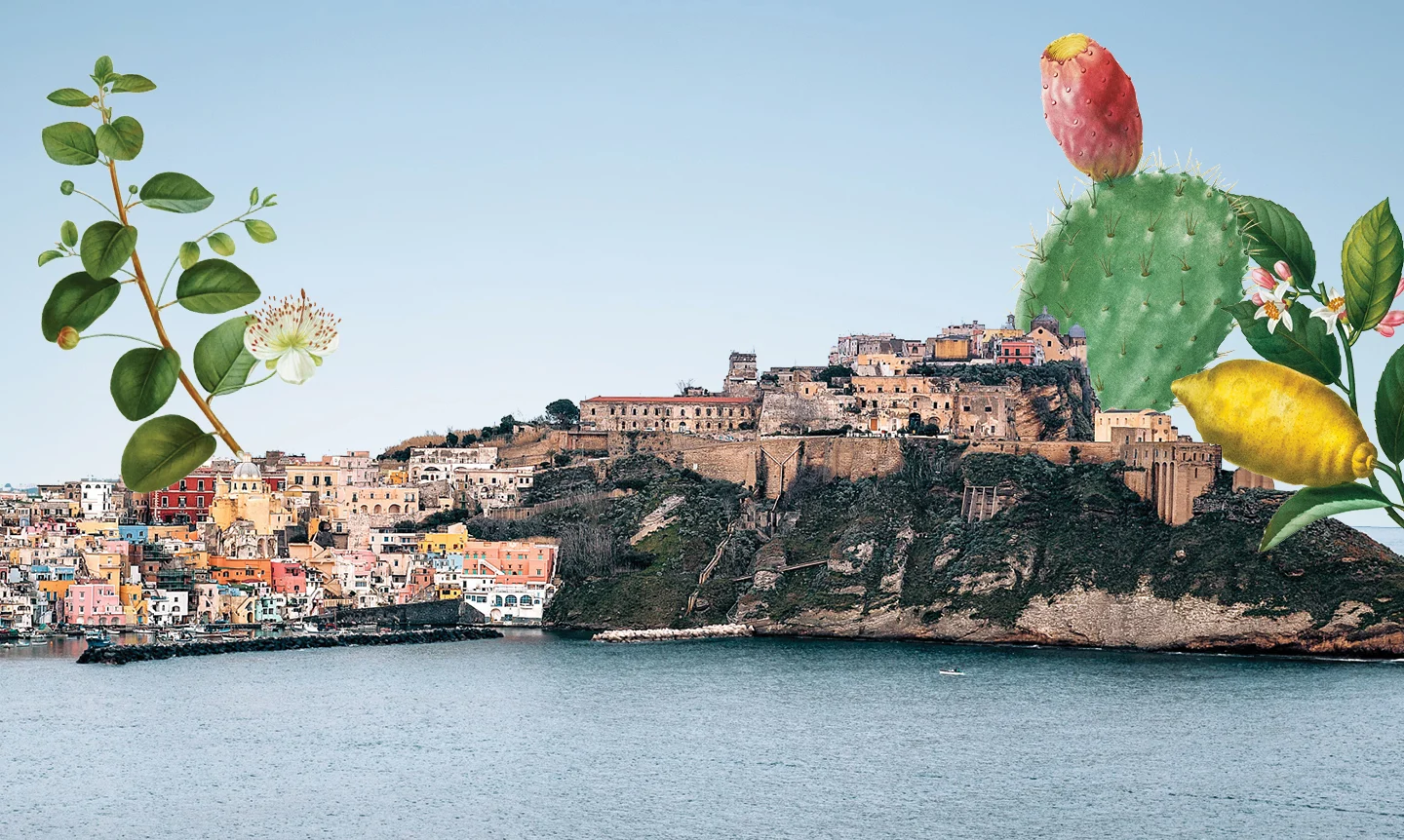
The vintage postcard images of pebbly beaches, neat rows of umbrellas shot from overhead, and pastel-colored cliffside houses on the old Italian coast bring instant tranquility. But the reality of at least Italy’s more trafficked coastal islands and towns in high season can be frantic, frenetic, and sometimes spoiled by cruises and mass tourism. There are also the kinds of places that have plenty of prettiness or the perfectly wrought bowl of seafood pasta, but feel soft on culture.
Knowing that Italy’s coastline can be a mixed bag of cruise ship ports and the not-so-exciting kind of untouched towns, we called Katie Parla. A longtime resident of Rome (going on almost 19 years) and the author of Food of the Italian South, Parla is currently at work on her next book, Food of the Italian Islands. She is full of advice on where to find what’s still romantic and authentic about Italy’s island culture, culinarily and beyond.
Here’s her take on the must-see volcanic landscapes, unexpected dishes and treasure-filled specks in the Mediterranean to know about.

Prior: Why a book about the Italian islands?
Katie Parla: So, I had two ideas and was given the choice [by my publisher] of which I wanted to do next: Food of the Italian North, or Food of the Italian Islands. And I said: “the fucking islands. Get me to Sicily, the kingdom of fried carbohydrates.” The book is going to be about the big guys—like Sardinia and Sicily—and the little guys, like Ponza, Ventotene, Giglio, and Pantelleria. Italy is such a popular destination, yet there are actually a shocking number of places that feel truly undiscovered, and huge parts of the islands are among them. What’s been super fun thinking about the new book is what I could show people about the islands that they might not imagine.
What are some of your favorite dishes and culinary discoveries?
There’s so much more to it than fresh seafood on the coast. That really didn’t even start as a pillar of dining in the islands until tourism (and refrigeration) in the ‘60s and ‘70s in some places, and even later in others. So for sure you can go and eat spaghetti alle vongole or risotto with cuttlefish ink on almost any island now—it’s so ubiquitous because it’s so transplanted. Meanwhile, when you go to certain parts of Sardinia, for example, you’ll find fish, but it tends to be escabeche style, which demonstrates a lot of the Spanish influence in the area, or even salted and dried fish, due to the fact that people lived inland historically to protect themselves from incoming coastal enemies. Sardinia is also both very pork forward and a potentially great destination for vegetarians, because there are tons of legumes and wild greens and lots of pasta and so much bread. It’s the island of sculptural and super ornate breads: virtually every town makes intensely intricate bread specific to that village.
I studied food in the islands of Pantelleria and Lampedusa [off the Mediterranean coast of Sicily], and a lot of food in Lampedusa—which is closer to Tunisia than it is to mainland Sicily—has a lot of spices, vegetable stews and brothy couscous dishes that feel North African. Ponza is super famous for its eels, and [rabbit is often] the main animal protein, like in Ischia, for example.