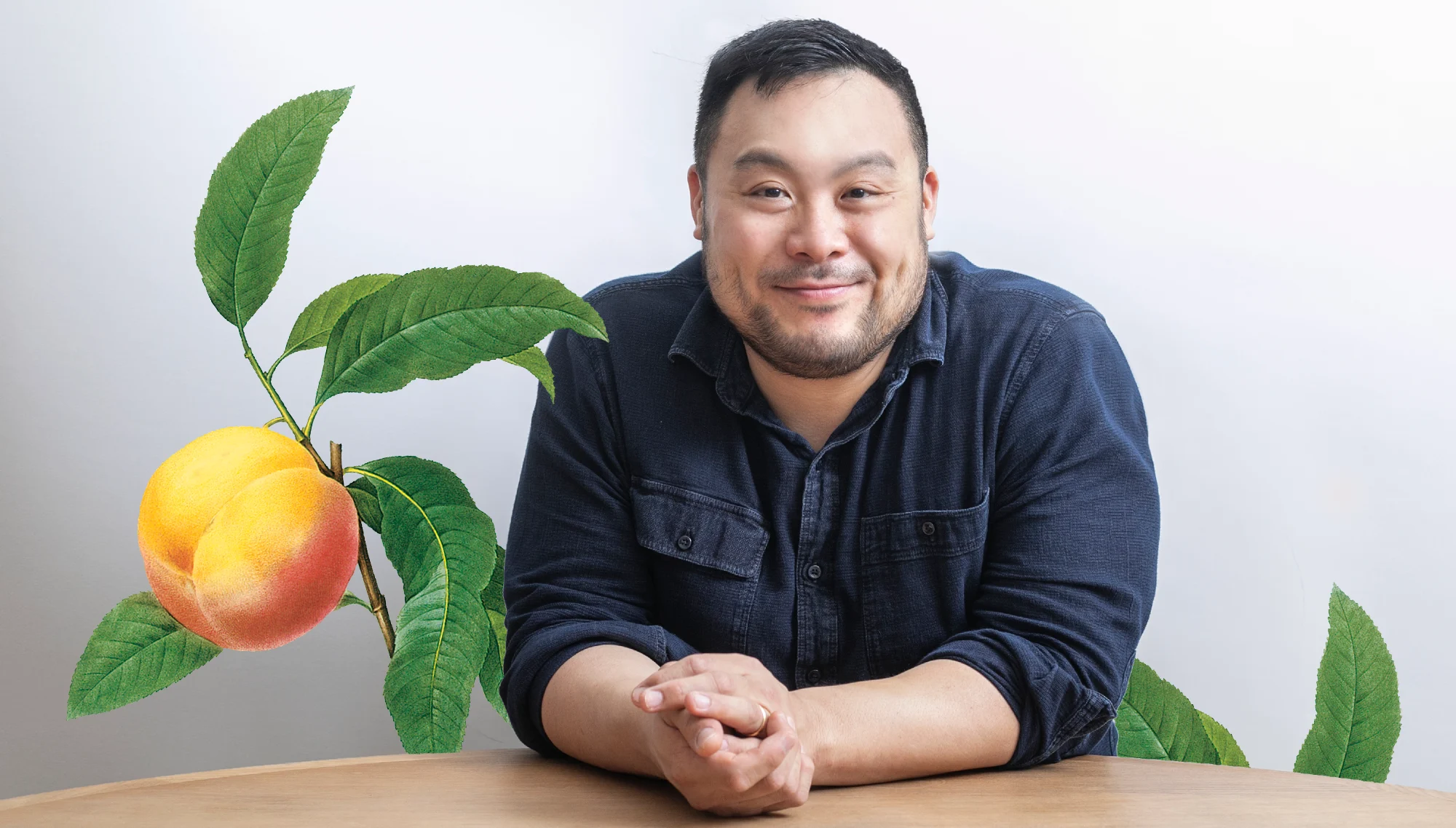
Quarantine has introduced David Chang to something new: staying put. The chef and founder of Momofuku, who once described himself as a human Roomba, spent much of the last decade on the road, checking in on restaurants from Vegas to Sydney, filming episodes of his Netflix show Ugly Delicious, and seizing on almost every opportunity to see more of the world. Right about now, in normal times, he’d be zigzagging the country in support of his new memoir, Eat a Peach, which was recently named a New York Times Bestseller. But the current arrangement doesn’t much bother the 43-year-old chef, since he gets all the family time he wants. In the following interview, Chang talks to his co-author about where he's been, where he'd like to go, and one of the book’s most prominent threads: escape.

To start on a sunny note, when we read in your memoir about how you approached travel for much of your life, it wasn’t this romantic or even fun thing for you. It was an escape from pain.
It’s a lot easier for me to put this together now, but yeah, it was my way out, my way to delay facing problems. The most obvious example is my first stay in Japan, right after college, which was well before I even considered becoming a chef. I wound up there because I went to a post-grad career fair on campus and literally chose the first booth I saw. Not kidding. All my friends had lined up awesome jobs—or at least they seemed awesome to me, a person who graduated near the bottom of his class—and I was just thoroughly unhappy. I still hadn’t found my place: not with my classmates at this school in Connecticut, not with my Korean family. So I convinced myself that my problems were in the States and that maybe I was destined to live the life of an expat.
Next thing I know I’m in an oppressively hot town in Wakayama Prefecture, having full-blown manic episodes, living next to a dorm for Jehovah’s Witnesses while teaching English to kids who are better at the language than I am. Nightmare. You might call that finding myself, but it certainly didn’t feel that way at the time.
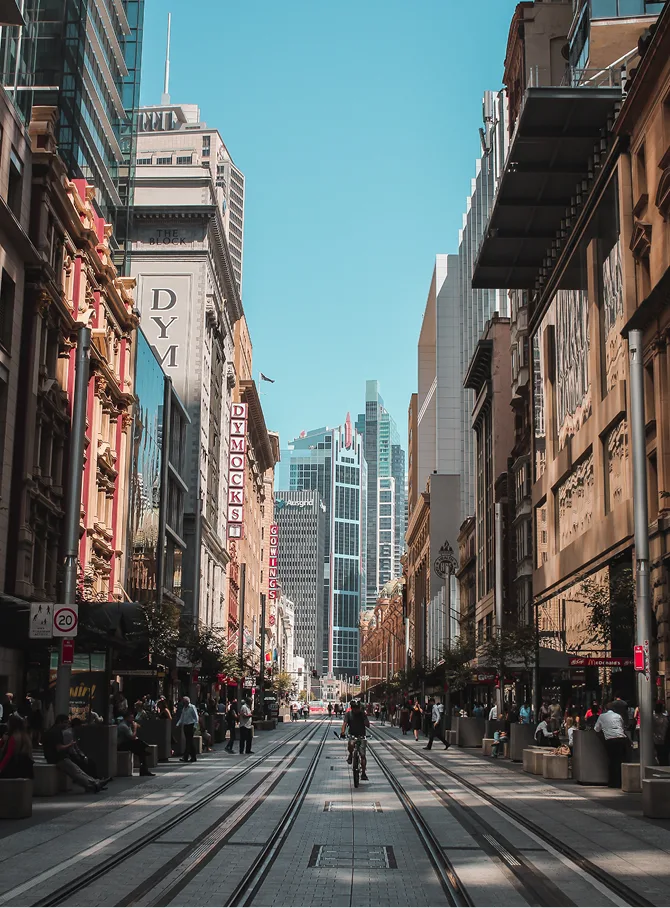
It was a pattern of escape for so long. People still don’t believe me when I say that the reason I signed on to open the first Momofuku outside of New York City in Australia—after declining almost every partnership deal to that point—was simply because my personal life was a disaster and suddenly I had the chance flee to the other end of the planet. I moved into the casino in Sydney and tuned out everything. So impulsive. I look back and almost can’t recognize that person.
In the book we learn about the consequences of that approach. But what lessons from those experiences are still valid now?
With Japan, especially, the beautiful thing in retrospect was that I didn’t know anything at all. I wasn’t reading Lonely Planet. How often do people go to a place without doing the homework in advance? It’s terrifying, but ultimately incredible.
And you don’t have to even get on a plane to achieve that. My first visits to the Chinatowns in New York made me feel like an outsider. When I was young, they reminded me of how varied the world really is. I mean this: Maybe just rent a place for a couple of weeks somewhere you suspect you won’t immediately fit in. Then find out if you can scrape by without downloading an app.