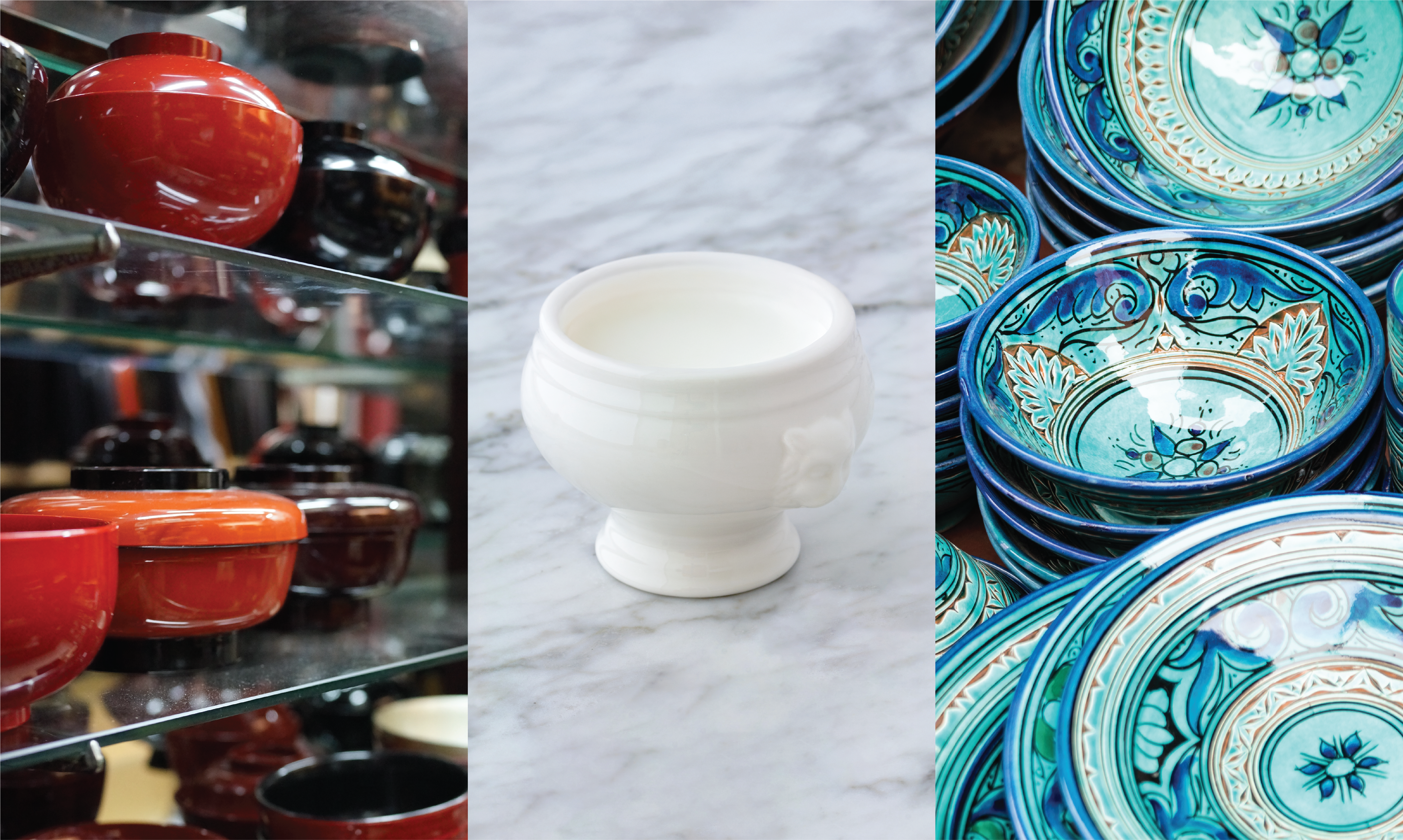
This article originally ran within Soup for the Soul — a collection of stories exploring the literal and allegorical magic of soup.
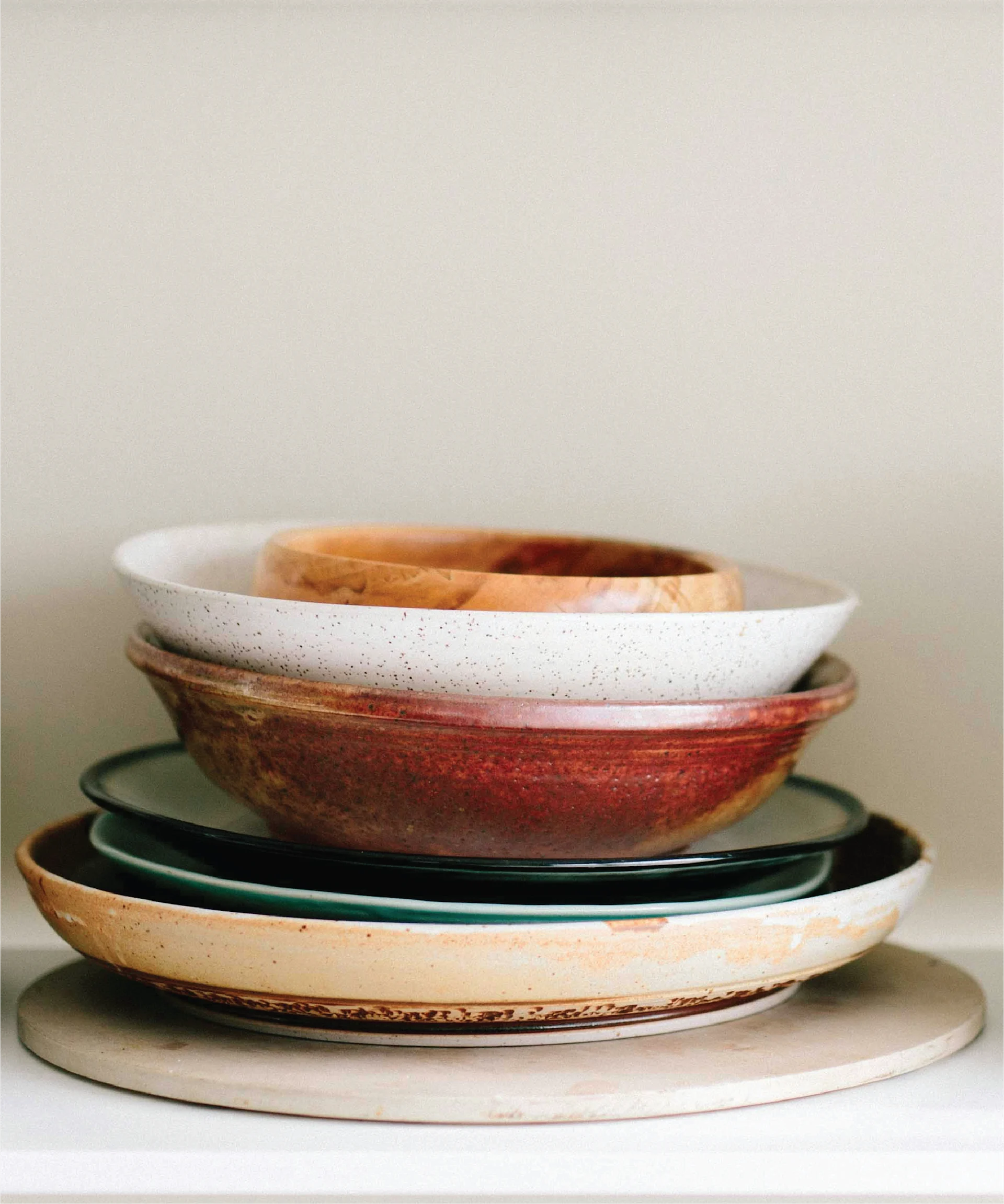
America: Earthy wide-mouth bowls
Every culture has its maternal staple — the soup we sip to feel taken care of when our mothers are far away. In the States, it’s Chicken noodle soup. My favorite spin is the matzo-ball soup at S&P Lunch, with extra schmaltz (rendered chicken fat). Or, if I’m making it at home, Camille Becerra’s brilliant Spicy & Healthy Chicken Soup always does the trick. New York’s cult ceramicist, Jono Pandolfi, makes the perfect bowl for all the fresh components Becerra adds. Across the US, Heath Ceramics and East Fork Pottery are also good finds.
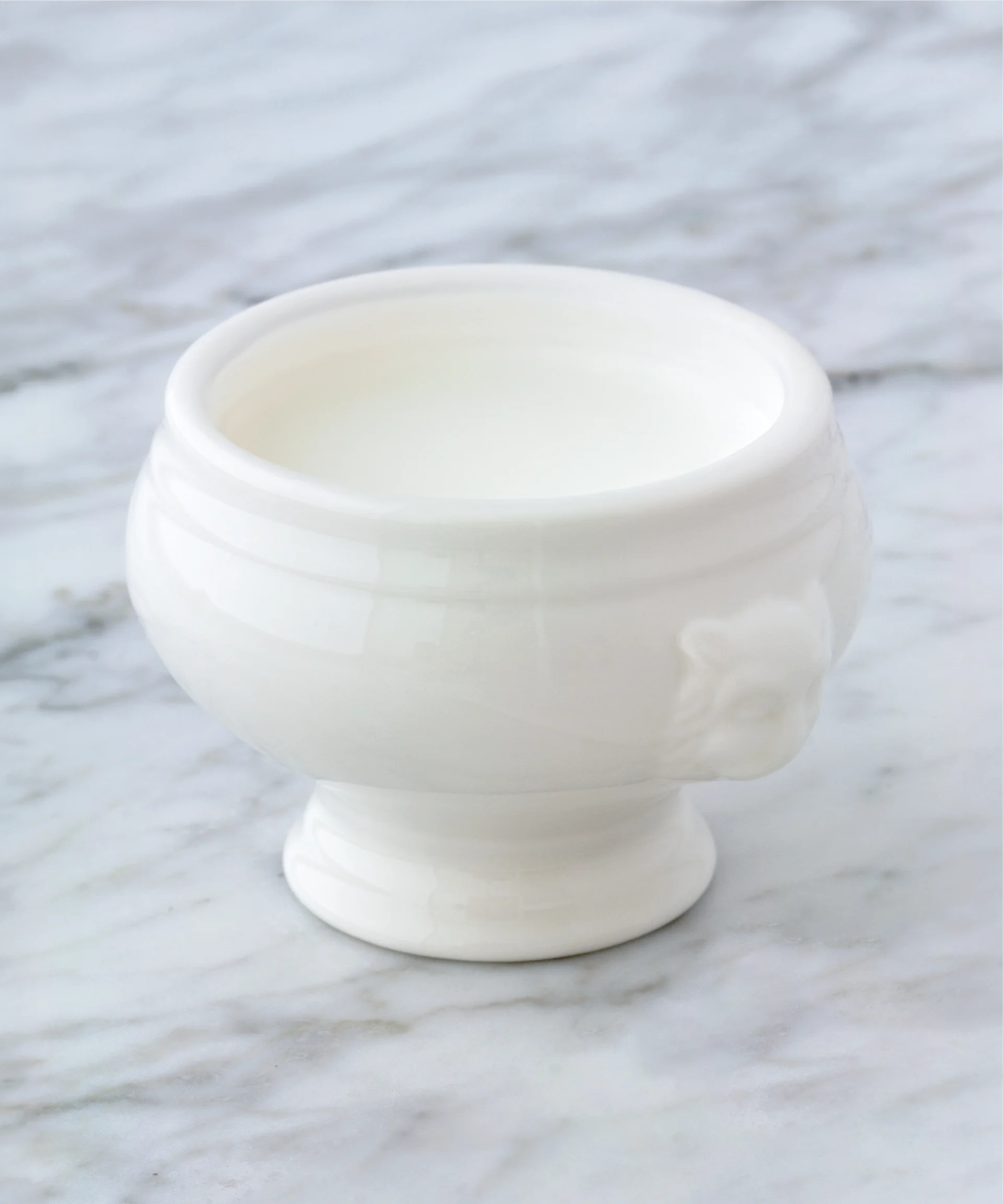
France: Footed ceramic bowls
It’s not as easy to find a bowl of cheese-capped onion soup in a Parisian restaurant as you would think (or hope!). The elusiveness of the dish and its iconic bowl only heighten the appeal. Take these footed Astier de Vilatte bowls — an elegant evocation of a late night at restaurant Au Pied du Cochon near Les Halles. If you make it for lunch, you could search for a more casual vessel at the nearby kitchen-supply temple, E. Dehillerin, to hold the melty mix.
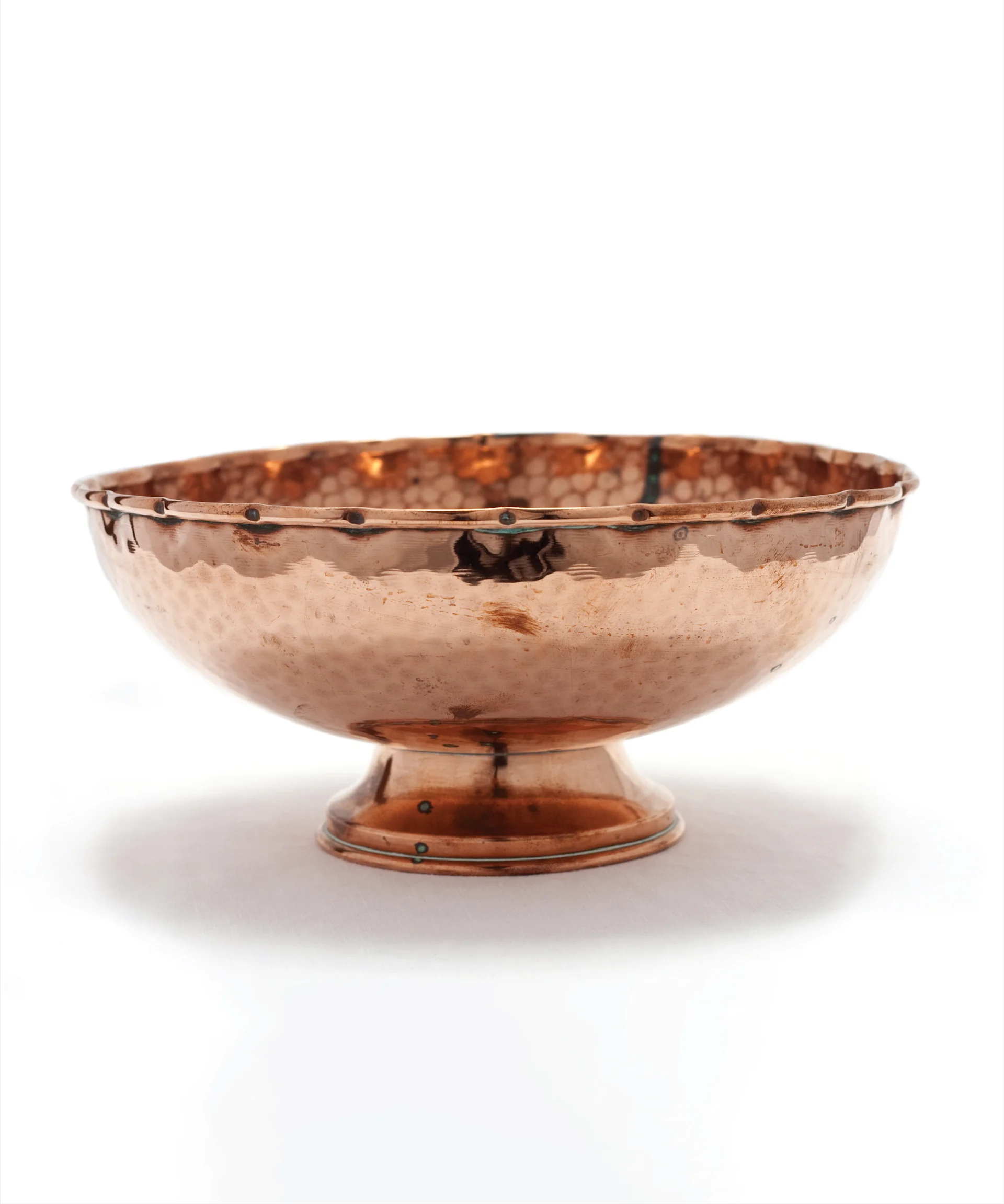
India: Hammered copper bowls
Last fall in Mumbai, Aditi Dugar of Masque restaurant took me to the city’s best eateries, high and low. One of my favorite meals, however, was the one she and her mother prepared at home, including mulligatawny soup served in hammered copper bowls. The soothing Anglo-Indian soup, the first recipe for which appeared in Charles Dickens’ weekly journal All the Year Round in 1868, varies from home to home, but usually features lamb or chicken, vegetables, Madras curry powder, red lentils or chickpea flour, lemon juice and, sometimes, mango chutney.
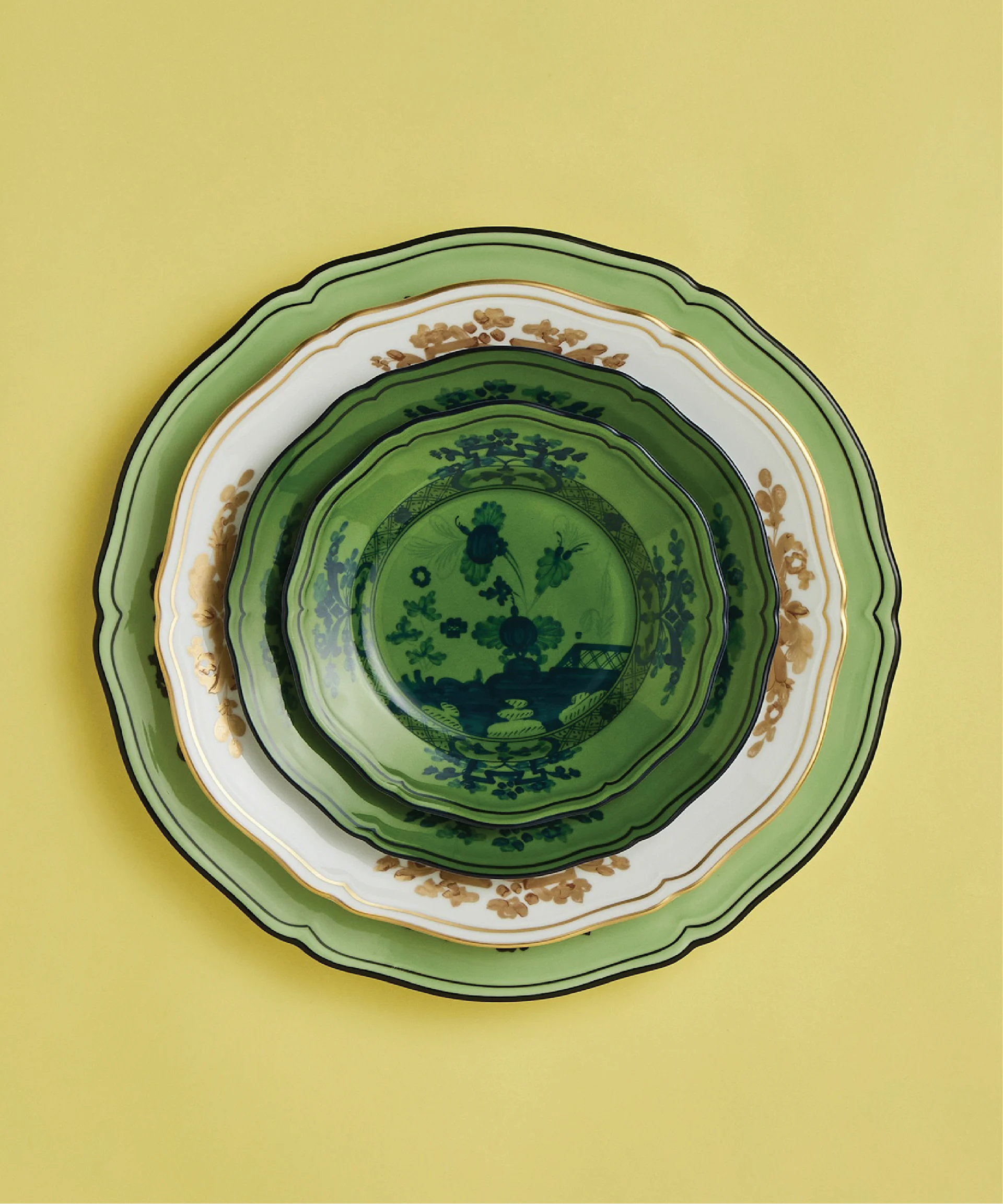
Italy: Porcelain soup plates