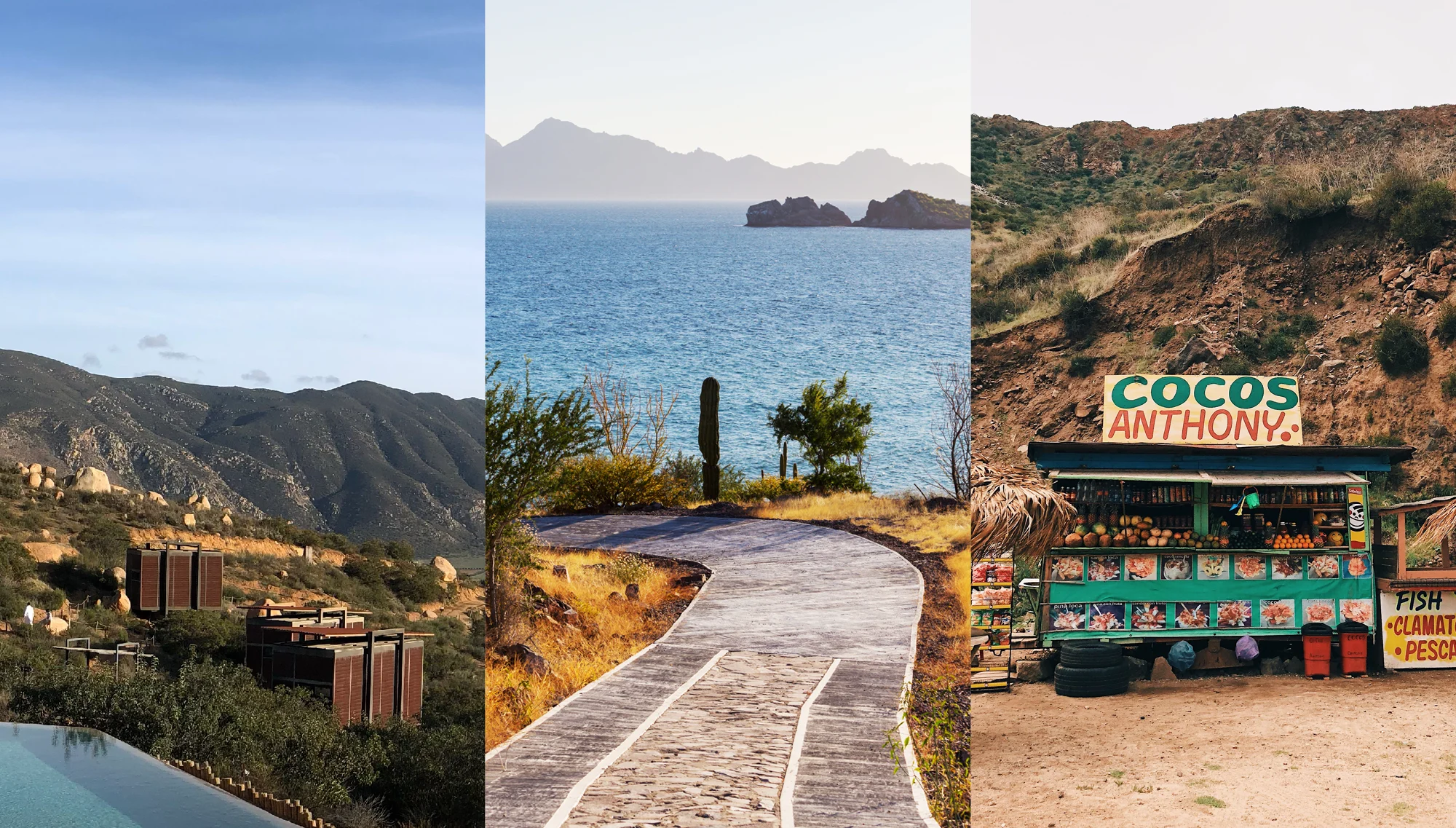
The northern area of Baja California, Mexico, used to have a lot of “world’s most…” associations tied to Tijuana. Whether it was the world’s busiest land border crossing or, at times, the world’s most dangerous city, the rest of this bountiful, beachy region an hour’s drive from San Diego was eclipsed. But now, due to a burgeoning creative and culinary scene that proudly draws from Mexico's regional history, raw materials and endemic ingredients— not to mention endless coast (and fish taco) access and a real-deal wine region— Baja is one of the places we’re most eager to explore. (And not just because we can still get into the country.)
Whether spending a long weekend or tucking into glamping life, Baja’s northern region has some serious superpowers. The main cities of Tijuana and Ensenada have seen a creative boom, while over 80 percent of Mexican wine is produced in the rich soils found in the Valle de Guadalupe region a few miles inland. Or if you just want to stay in your palapa drinking local craft beer, that’s fine, too. Clearly, (just) south of the border is the place to be.
Here’s what to look for:
Wine:
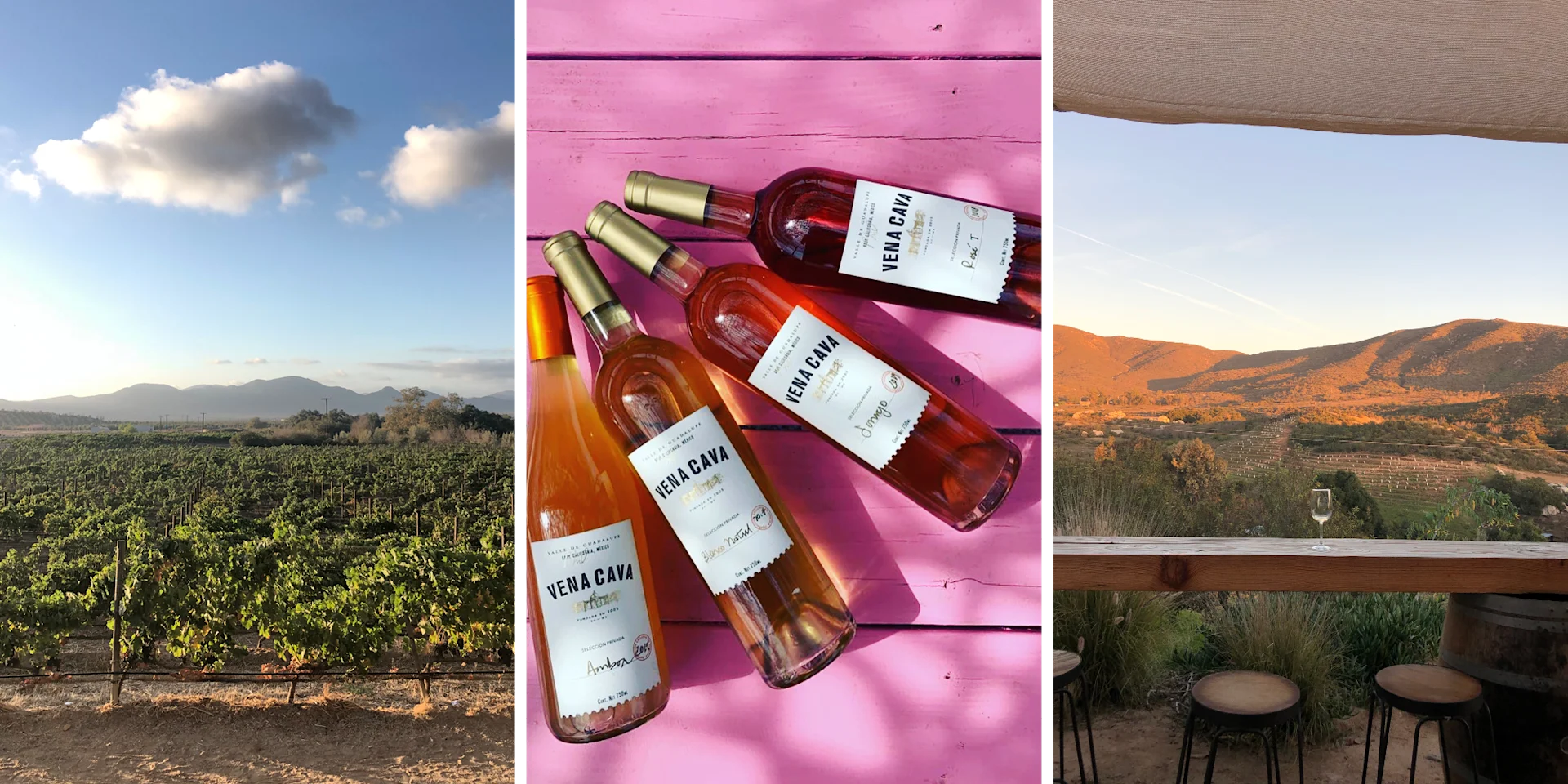
A 20-minute drive inland from Ensenada’s city center, Valle de Guadalupe’s breezy, Mediterranean-like climate makes it a natural home for vineyards. Its centuries-old olive-green trees, rosemary and lavender bushes and winding routes evoke Napa, but cult-cab tourists might balk at the rugged dirt roads and rustic vibe — not to mention that each of these one-of-a-kind wineries feels like a discovery, not another point on a tasting tour. Wineries to visit include Casa de Piedra (the flagship winery founded by the father of modern Mexican winemaking, Hugo d'Acosta), Vena Cava, Mogor-Badan, Bruma, Vinos Lechuza, whose chardonnay has made appearances on the list at the French Laundry, and many more. Few of these wines are exported, so enjoy them while you can— or try to bring some back.
Seafood:
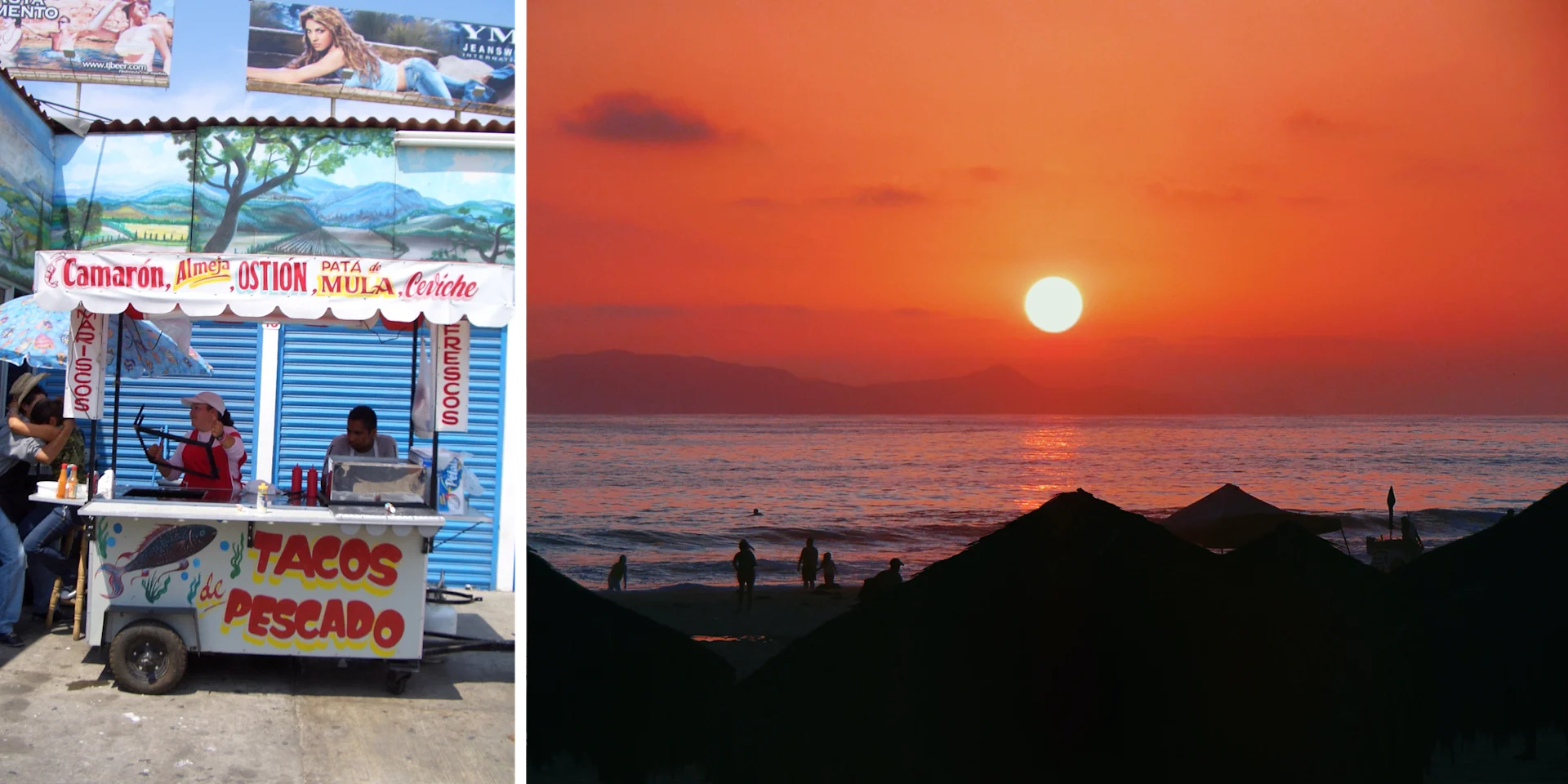
Located between the Pacific Ocean and the Sea of Cortéz, the region is known for its exceptional productivity in terms of agriculture, aquaculture and fisheries. The port of Ensenada is one of the most important in all of Mexico: It’s said that the best restaurants in Mexico City, including Contramar and Pujol, have their fish flown in daily from here. The main market is the bustling black market, known locally as Mercado Negro, located along the port, which earned its name back in the late 50’s when they began to sell illegal species like lobster and abalone that were supposed to be reserved for fishing cooperatives.
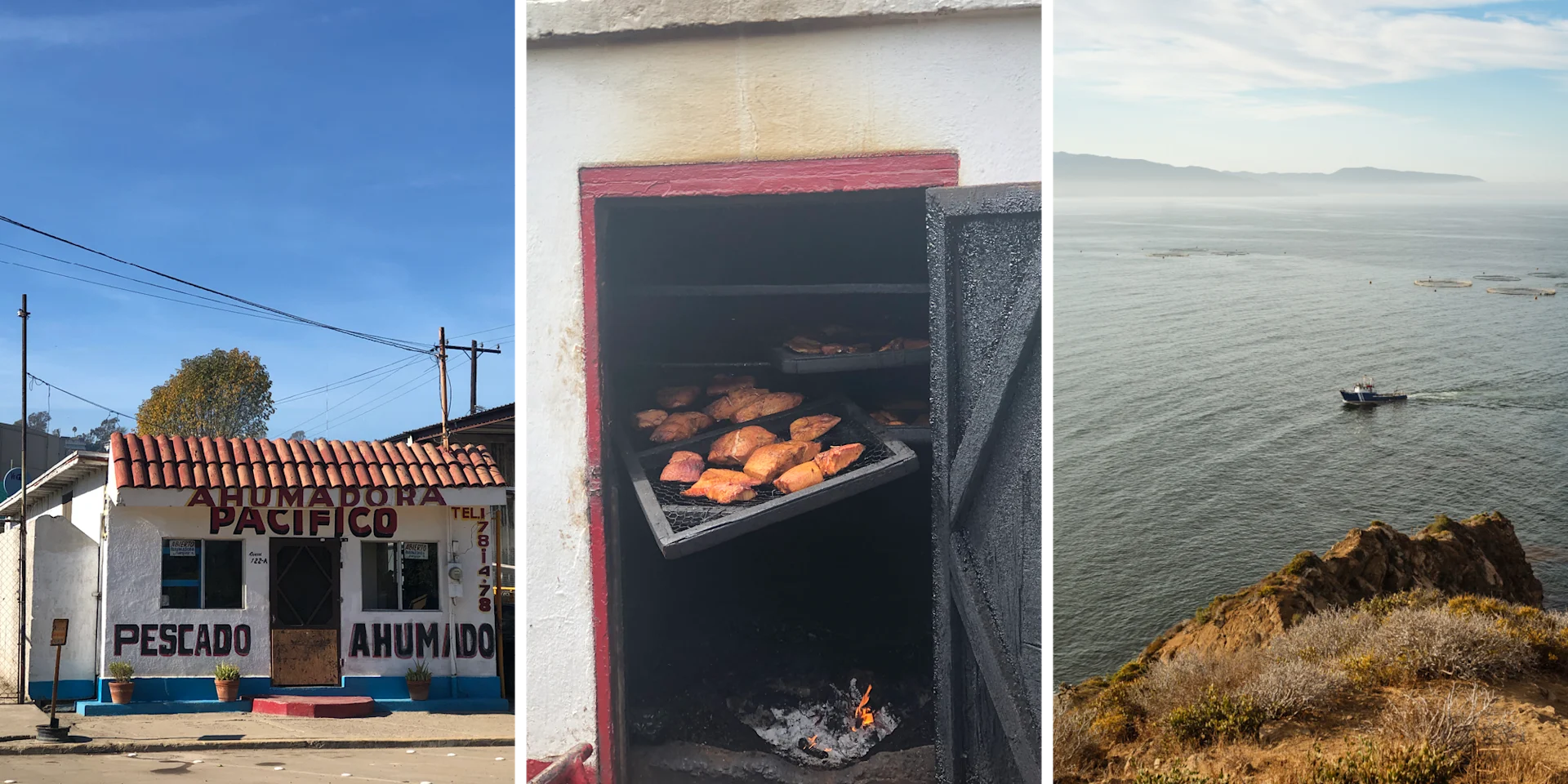
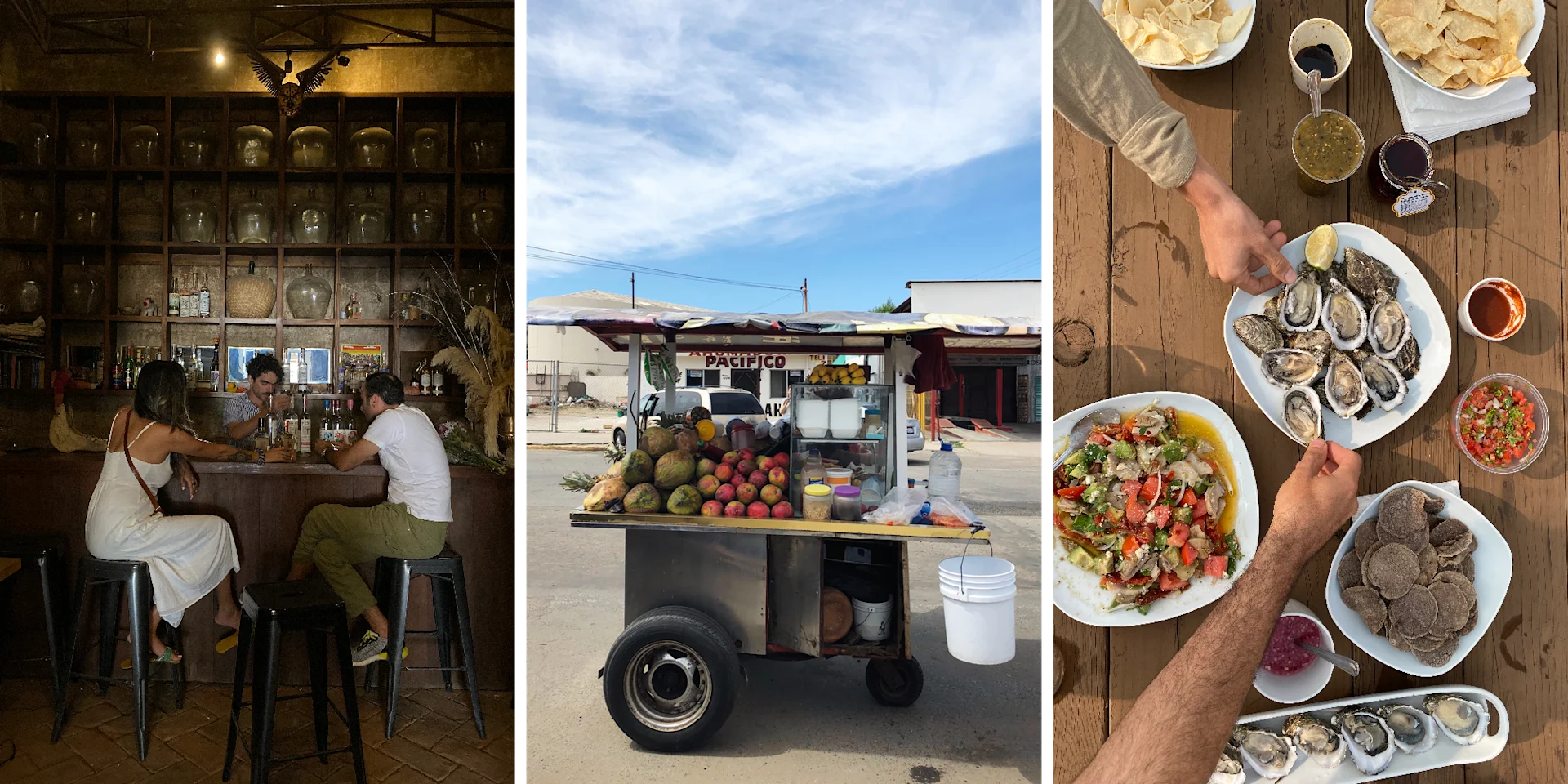
After walking the stalls of mackerel, bonito and smoked fish, head over to Tacos Lily or Tacos el Fénix for a genuine Baja fish taco or three. To taste raw seafood at its finest, make your way to the iconic street cart, La Guerrerense, for a seafood tostada (pro tip: add raw scallops and avocado to whichever tostada you order!). We also especially love Muelle 3, a restaurant overlooking the port where you can also sip locally made craft beers. If you’re hungry while driving from Tijuana to Ensenada, you can stop at Sandra’s in Puerto Nuevo, famous amongst locals for its lobster preparations. (Hint: it’s fried in lard and served alongside homemade flour tortillas, melted butter, rice and beans.)
Authentic Design:
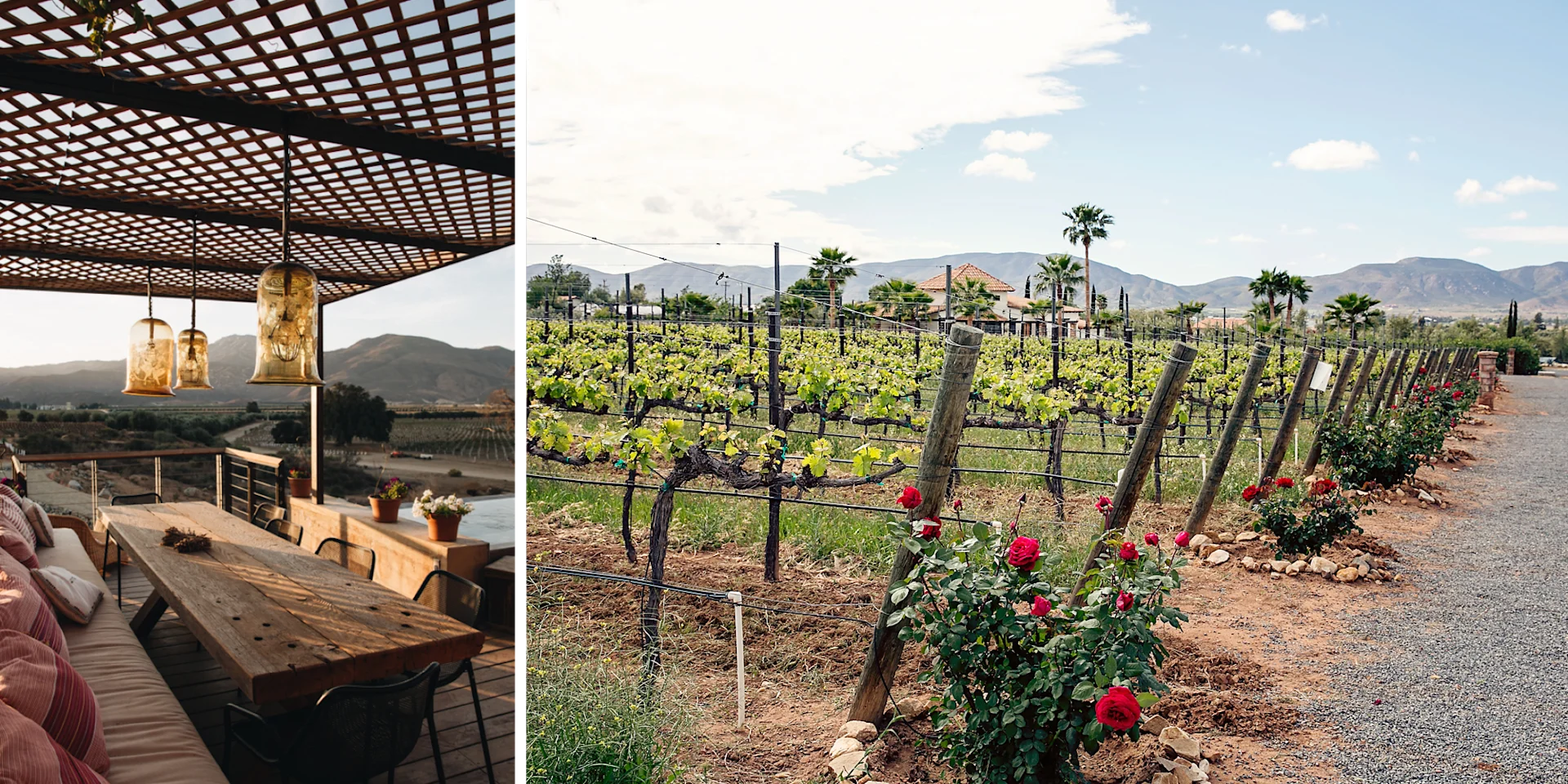
Given its recent international appeal, Valle de Guadalupe is turning heads with its design-forward wineries and boutique-style properties. One of the most renowned architects and designers in the area is Alejandro D’Acosta, who specializes in sustainable and regenerative design, implementing recycled materials and endemic stones in many of his projects. Wineries Clos De Tres Cantos and Vena Cava best reflect his style and approach.
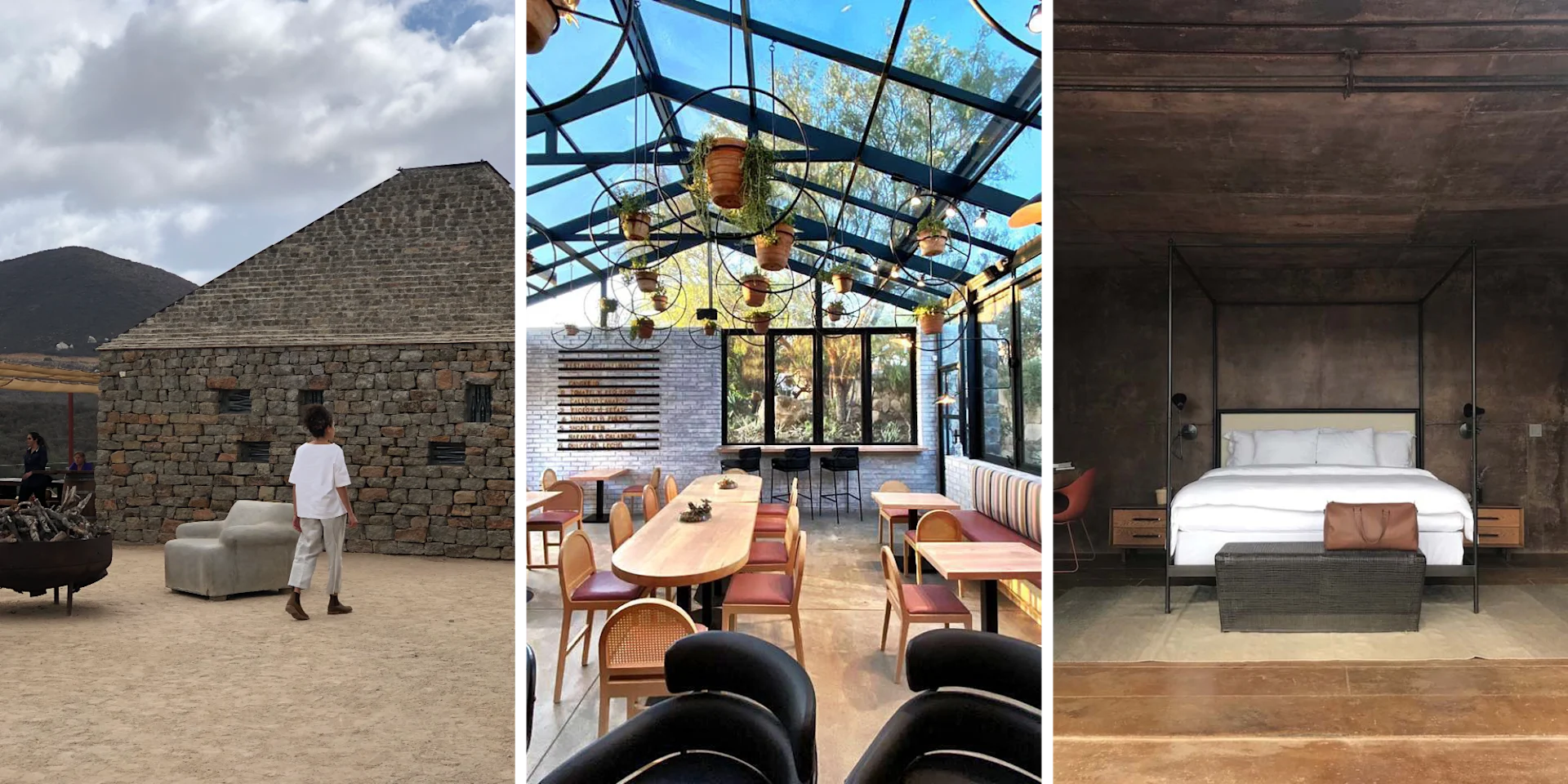
Check out the design at hotels like Encuentro Guadalupe, Bruma and Campera. One of the area’s newest restaurants, Lunario, which was designed by Tijuana-based interior design firm, Casa Duhagón, has also received recent recognition from design folks.