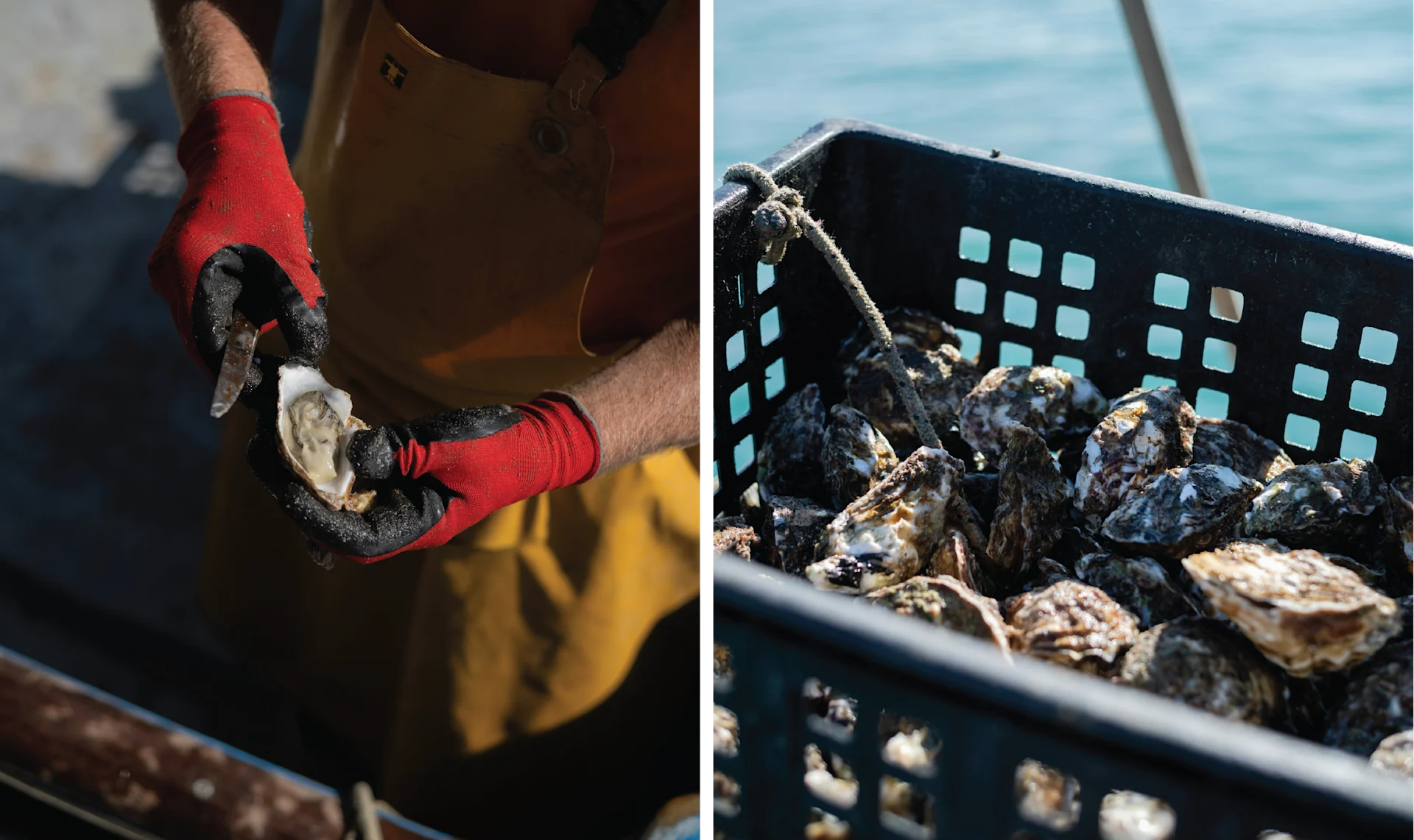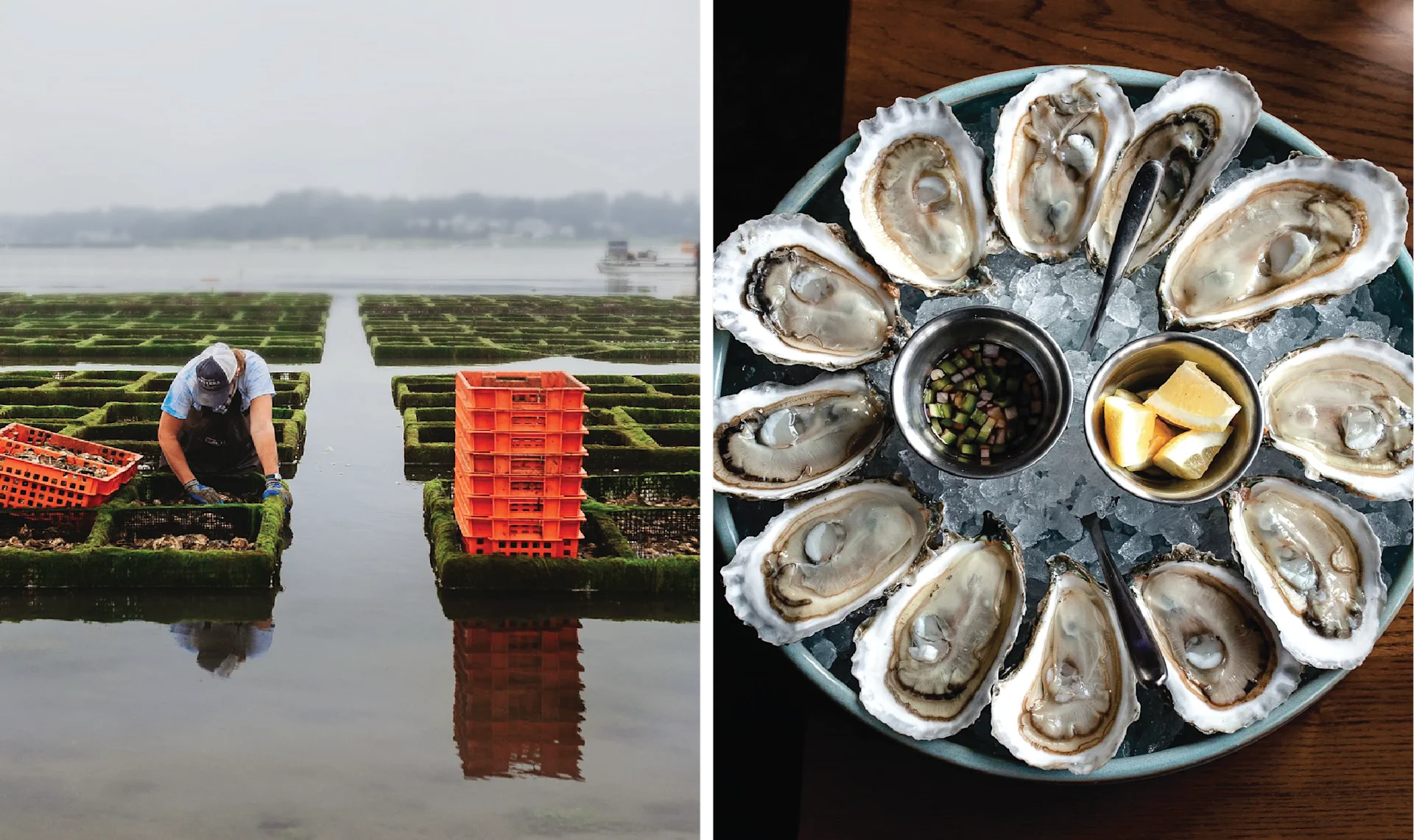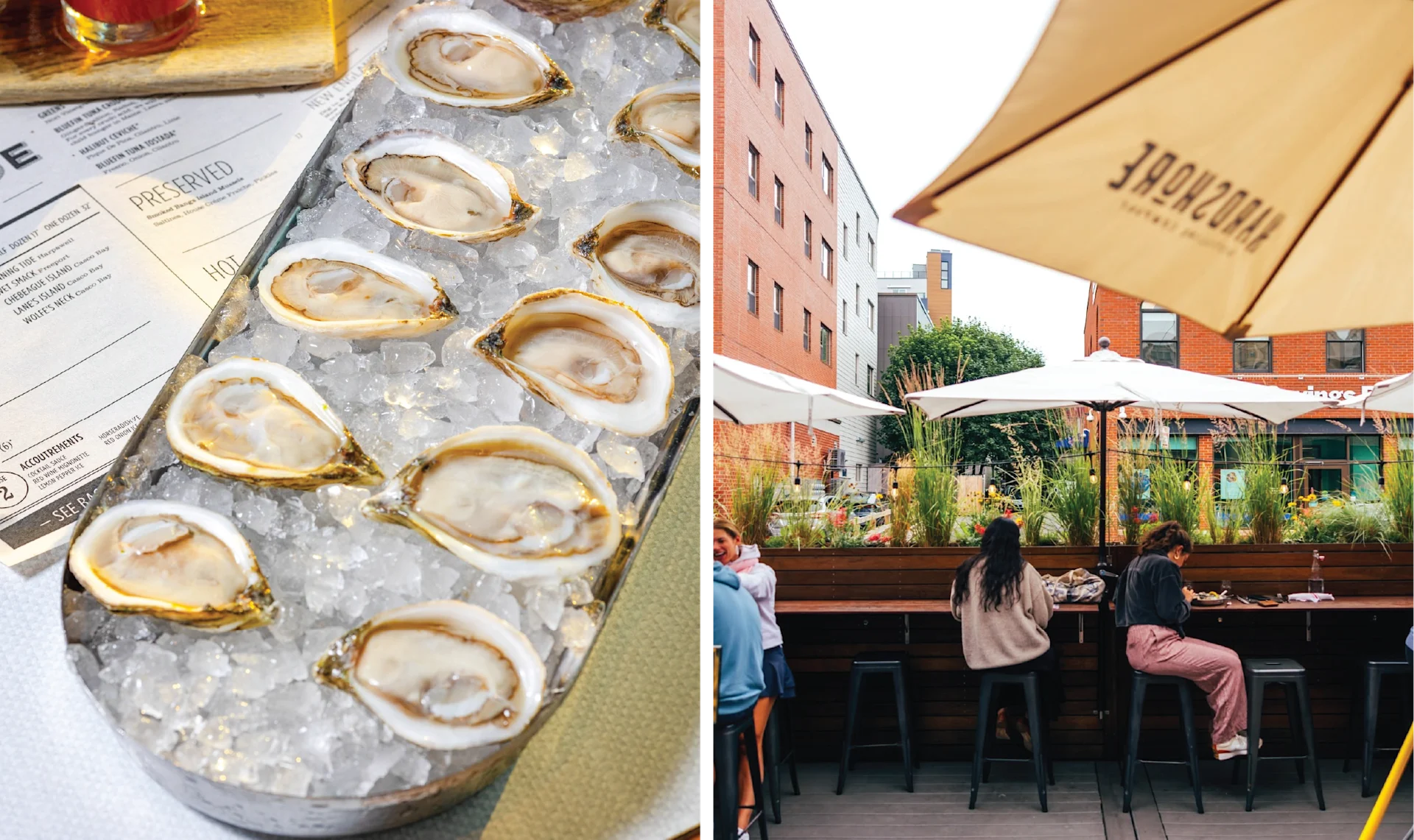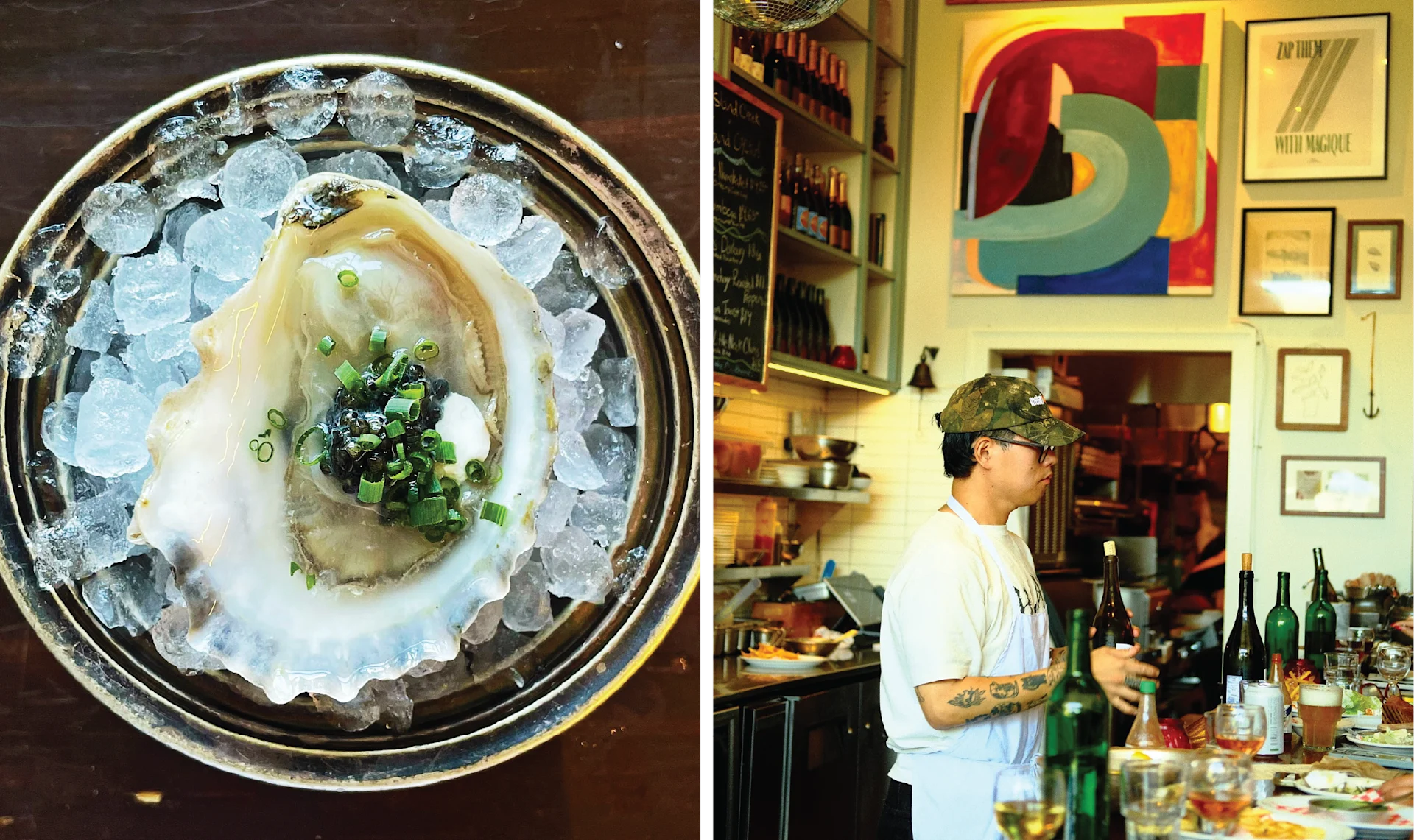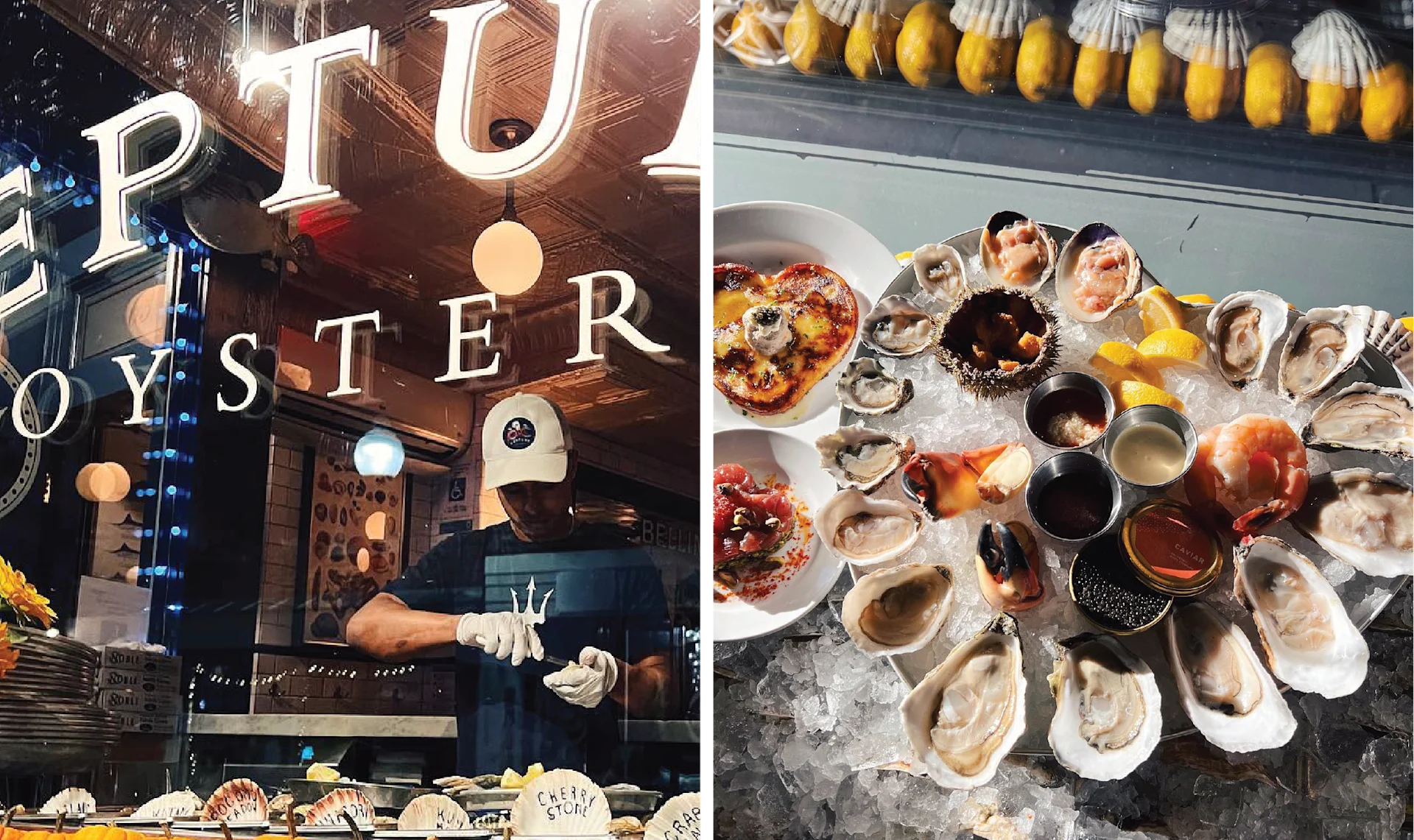
There’s an old adage about only eating oysters in months containing the letter “R.” That may have held true in our pre-refrigeration past, but these days, why waste time debating oyster season when you could simply be eating oysters?
Modern oyster-farming practices make the filter feeders safe to eat year-round. Colder waters do produce plumper, crisper oysters, but both the location and conditions in which oysters are grown play a huge role in determining each one’s quality. Like soil and sunlight to a wine’s terroir, a body of water’s temperature, algae, and minerals affect the oysters that grow there. (The term merroir, from the French word for “sea,” describes these unique environmental factors that come into play.) All of this to say that part of the pleasure in lingering over an icy platter is in tasting the subtle differences between each type.
Only five species are native to the US, and most are further categorized by names reminiscent of the body of water they are harvested from (i.e., Wellfleets or Netarts Bays). Each has its own distinct shape, size, and taste—a further product of the way they’re farmed and processed in the country—but to generalize, expect brinier, more delicate oysters in the Northeast; petite, deeper-pocketed, and more vegetal oysters in the Northwest; and big, meaty, and minerally oysters in the South.
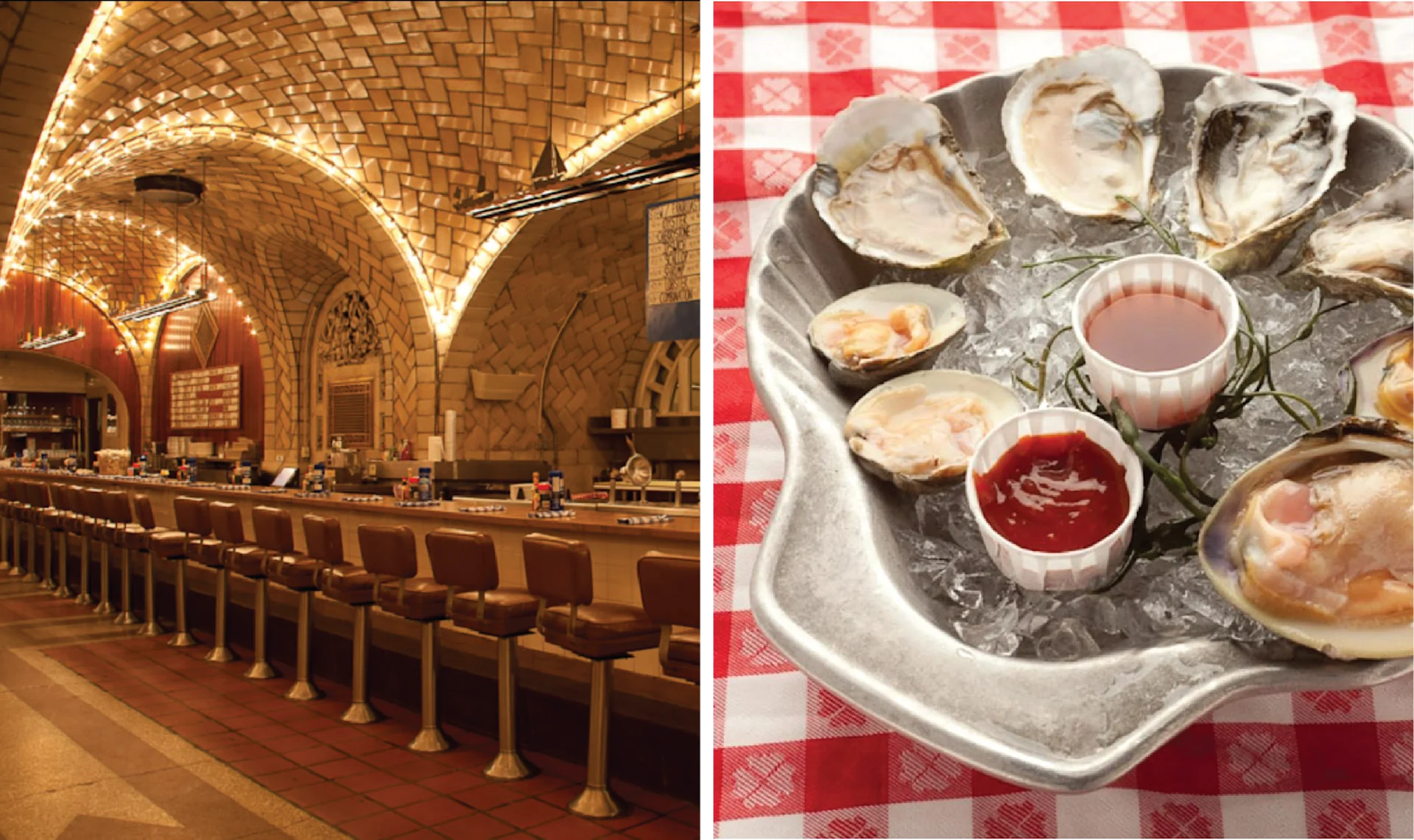
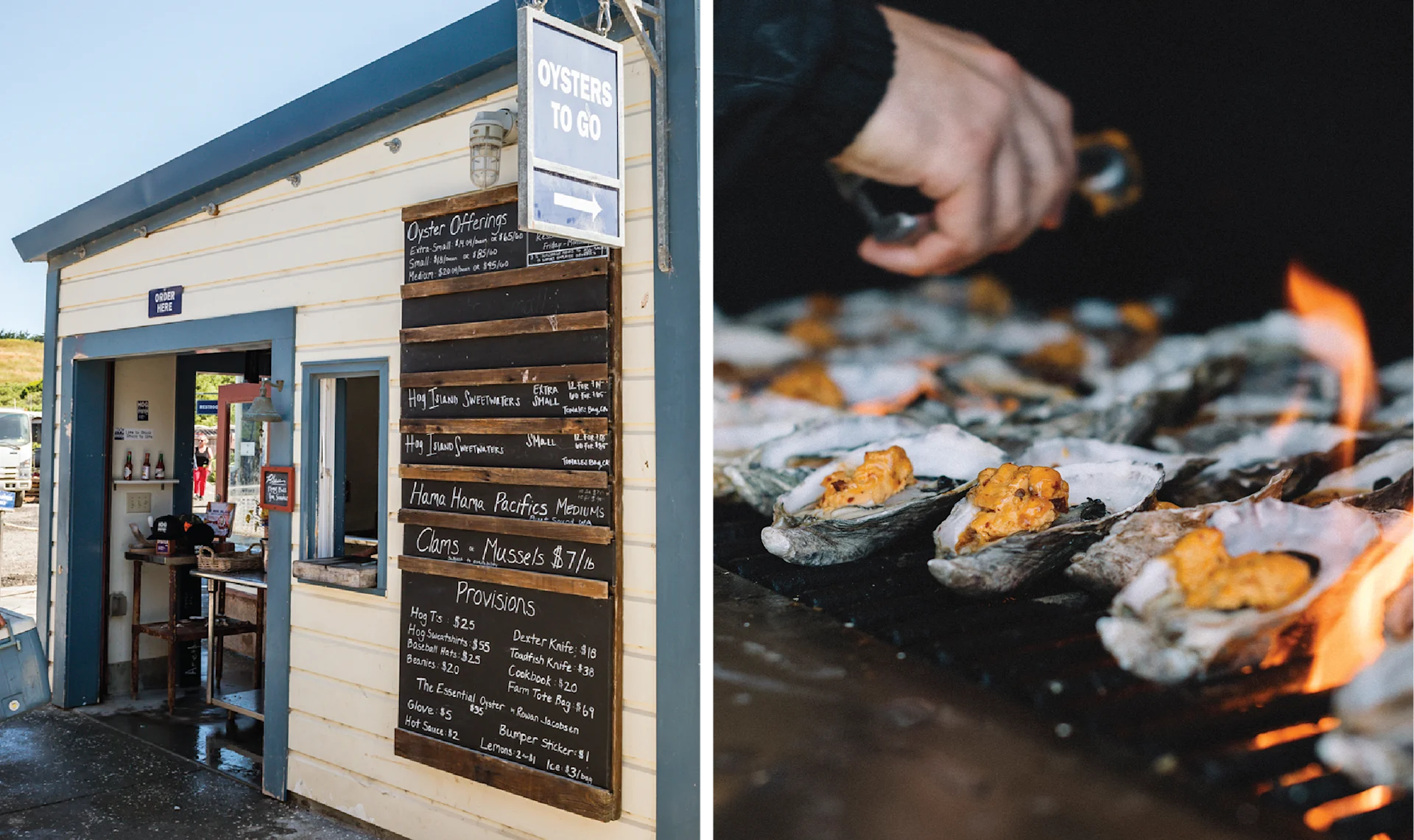
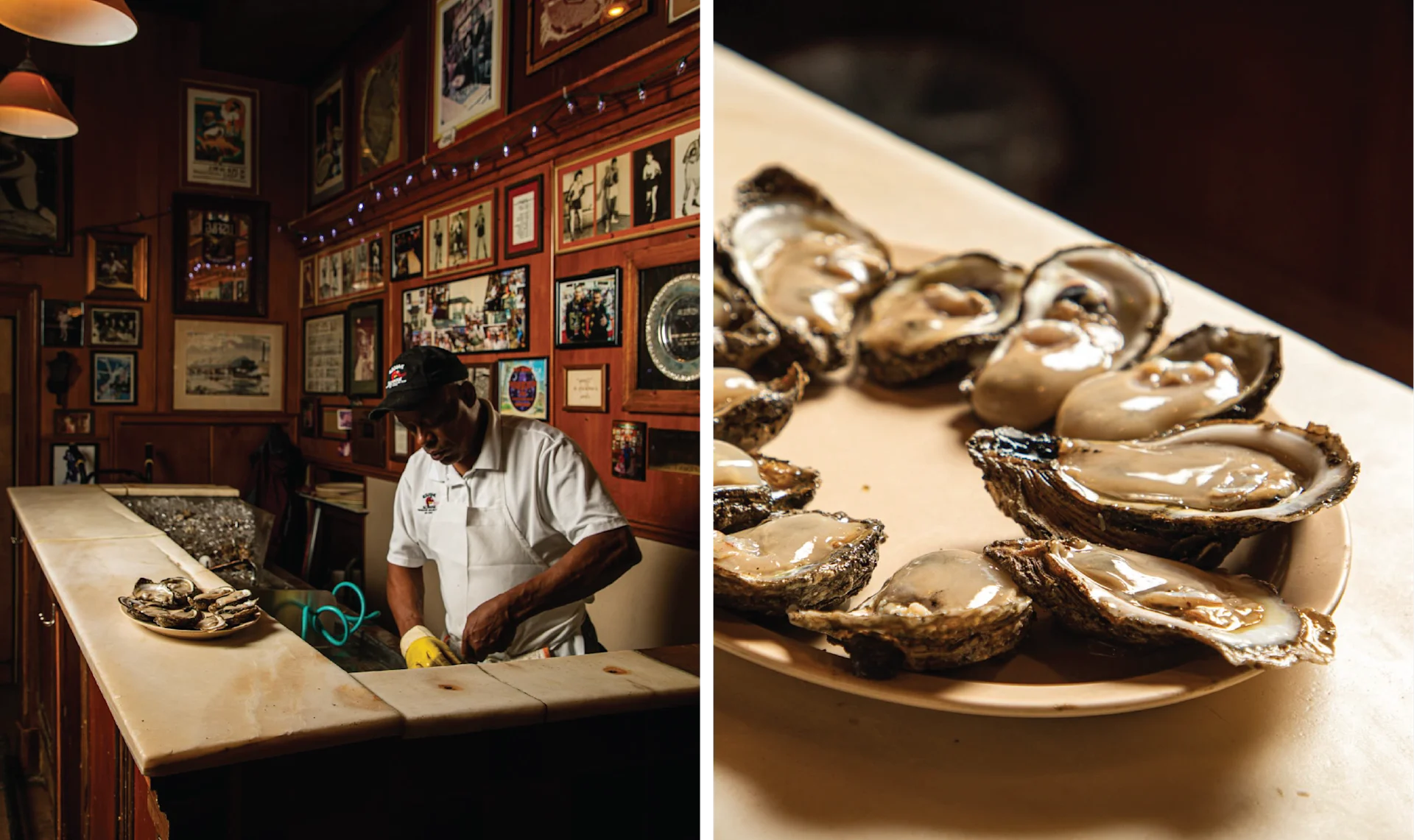
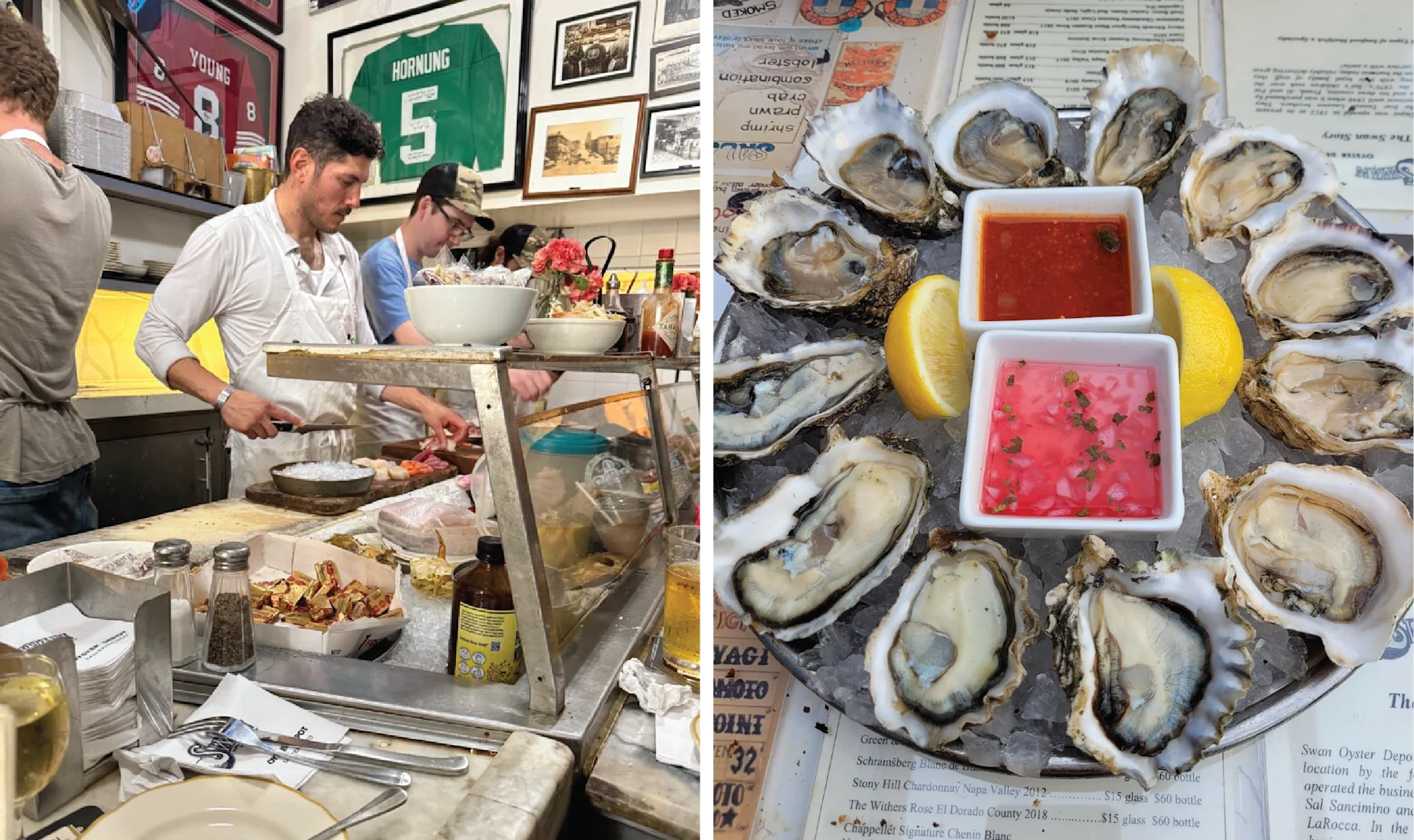
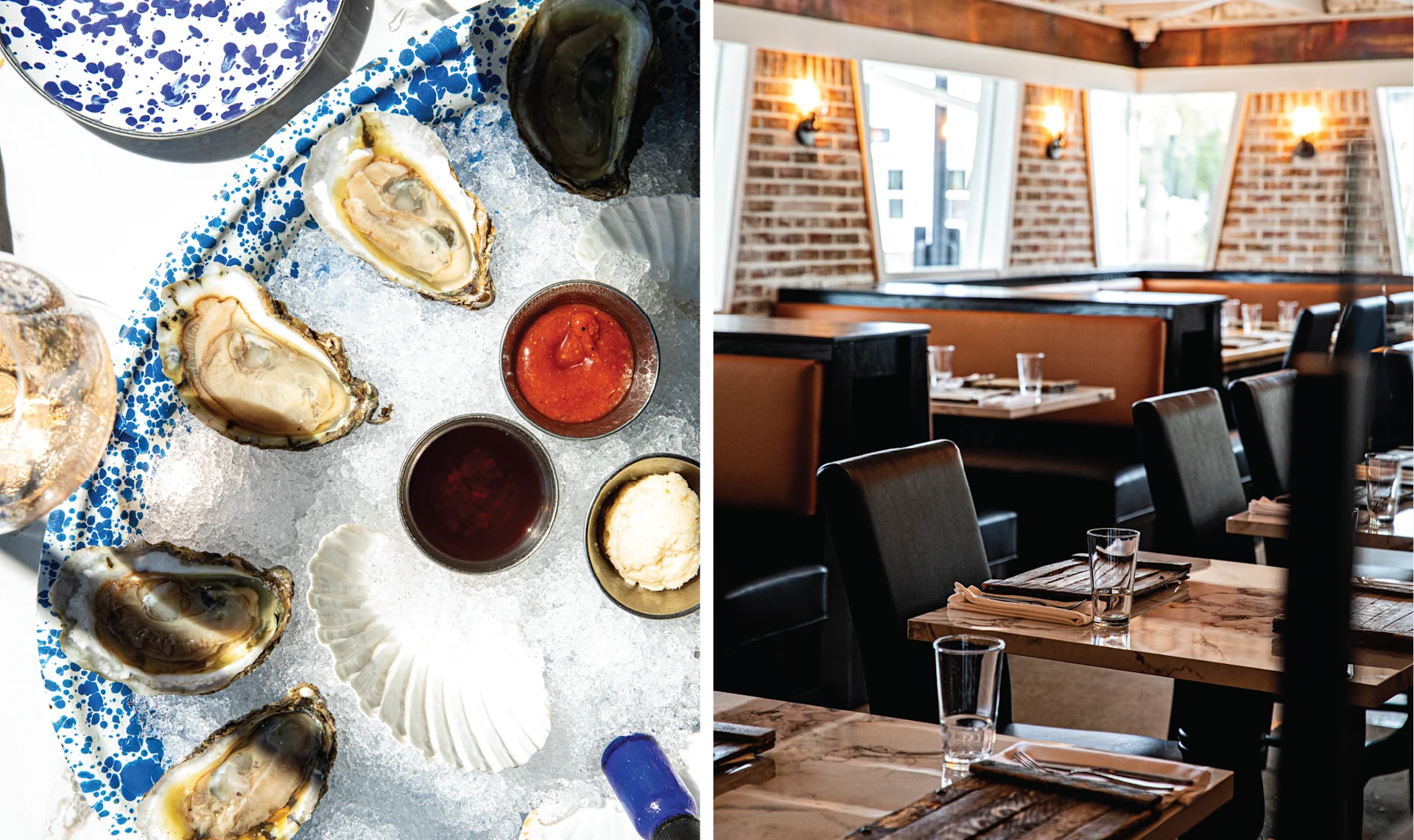
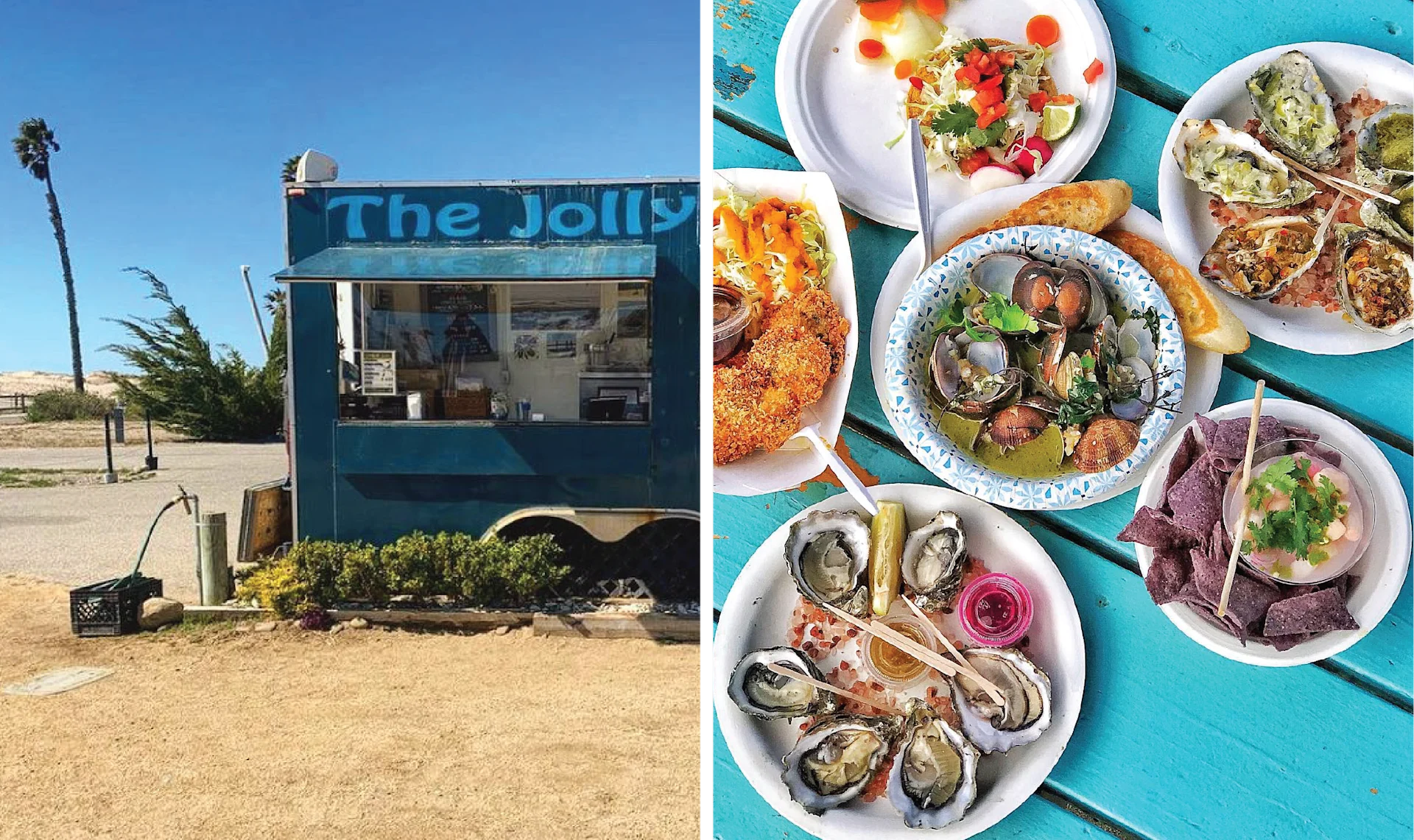
Of course, there are as many kinds to choose from as there are places to eat them now. So the main thing you need to know about American oysters is where to go. Below, our 10 picks for the best oyster bars across the country—legendary and new, and each with a flavor of its own.