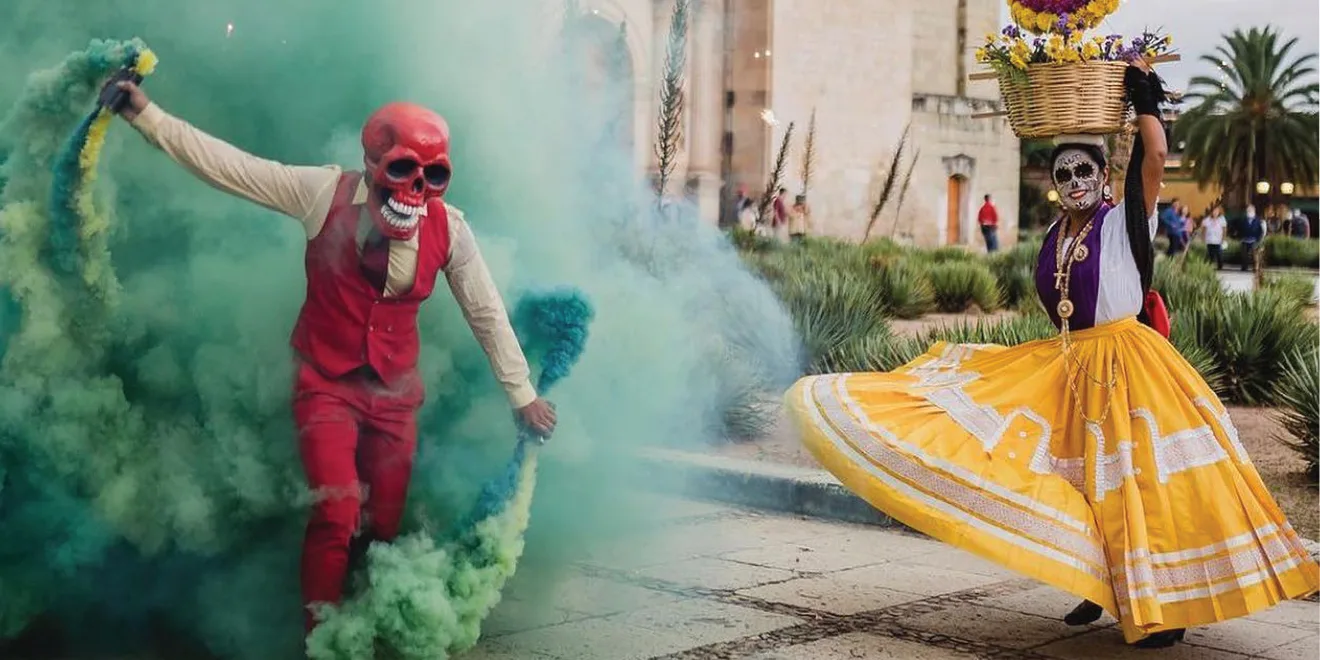
Ahead of Day of the Dead, or Día de Muertos, Mexico has turned into one, enormous Parade of the Catrinas, a lively spectacle of faces painted as skulls and paper-mache skeletons honoring the lives of departed ancestors.
As it just so happens, we’re on a group trip in Oaxaca. Watching the parade of skeletons adorned with marigold crowns got us thinking about the many ways that the symbol of the skeleton serves as a backbone of afterlife creativity not just in Mexico, but around the world.
Certainly, ours is the season of bones — marrow, that is. Perhaps because bone-marrow and its many international iterations can be labor intensive, the fatty filling (scooped out from the bone or melted like butter) is uniquely satisfying — one of those things we crave when we travel. There is a richness and depth to marrow, both in terms of flavor and culture. This is why it’s an elemental staple in virtually every corner of the culinary world — Vietnamese beef pho, French pot-au-feu, German Markklößchen (dumplings), Persian lamb, to name but a few.
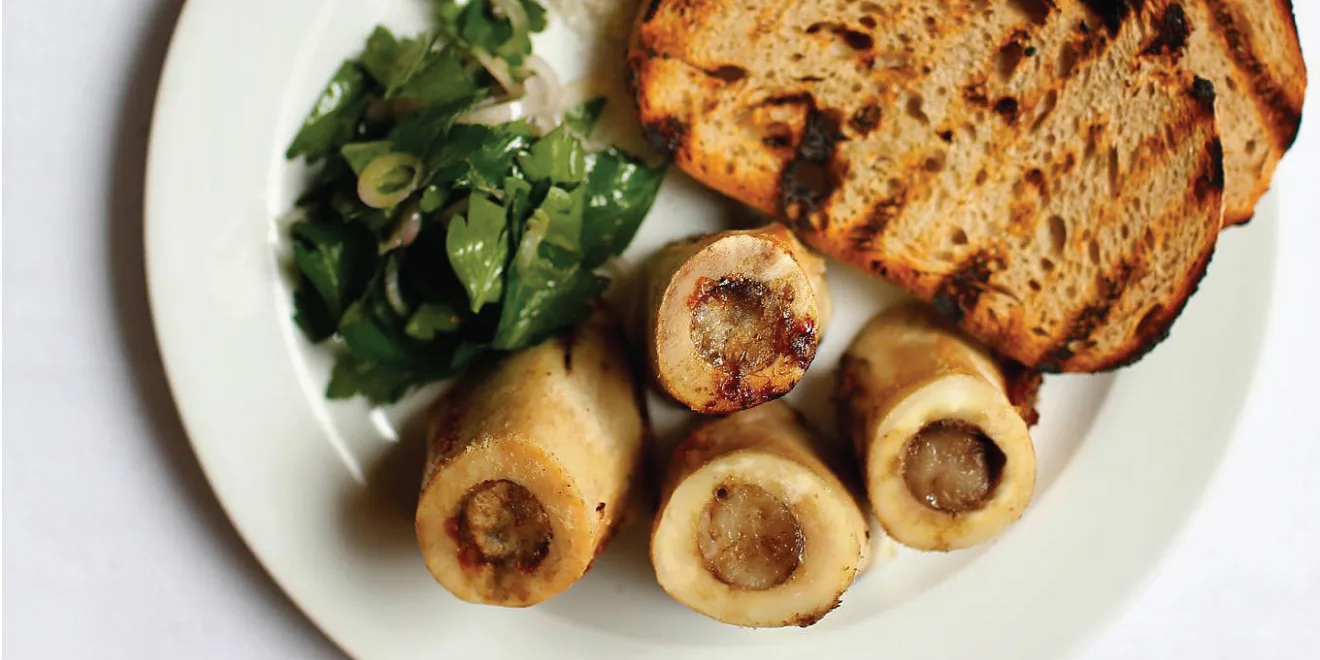
But, really, marrow-related matter is something you want to order out at a restaurant. Say, stuffed in a taco at Pepe’s Red Tacos (“L.A.’s first bone marrow taco truck”) or roasted with parsley salad and toast in the classic dish from St. John in London ( no one has got their skull around these crossbones quite like chef Fergus Henderson). Or come lo farebbe la mamma (“like mother would make it,” as Italians are prone to say) at Trattoria Masuelli San Marco, where the ossobuco (a dish that translates to “bone with a hole”) is so rich that you’ll need to stretch out your bones before dessert to shake off any lingering abbiocco (the Italian word for that sleepy feeling you get after a big meal).
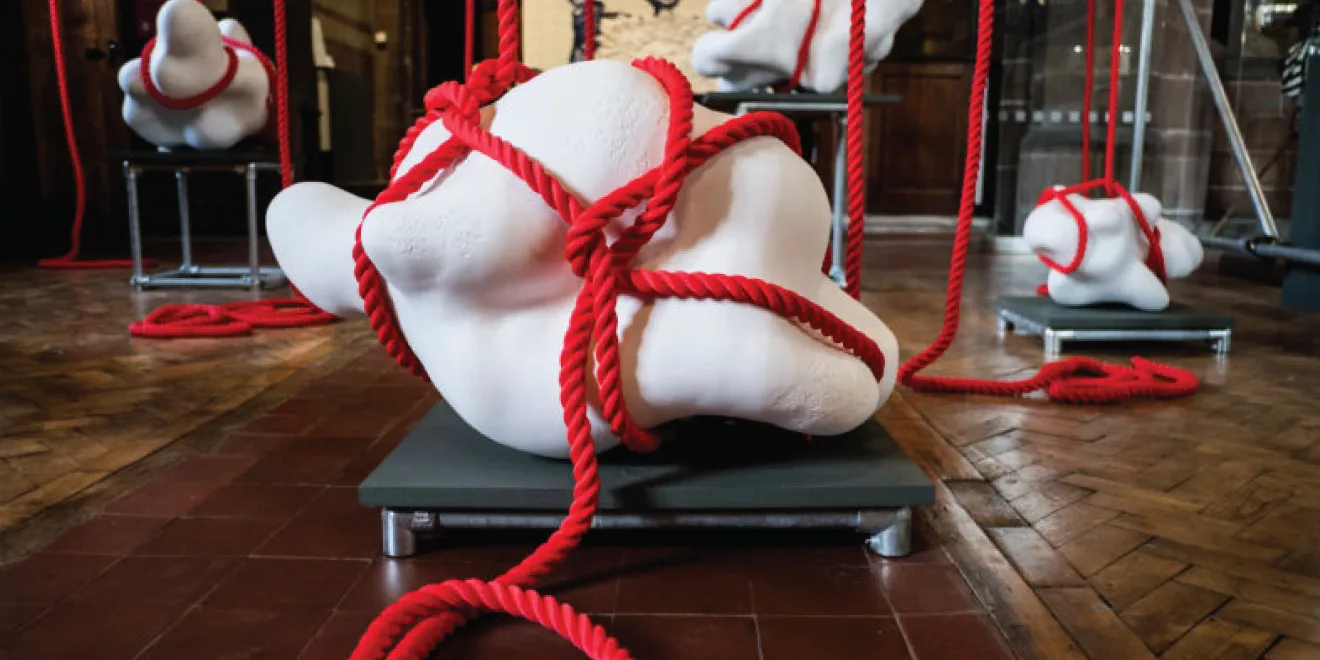
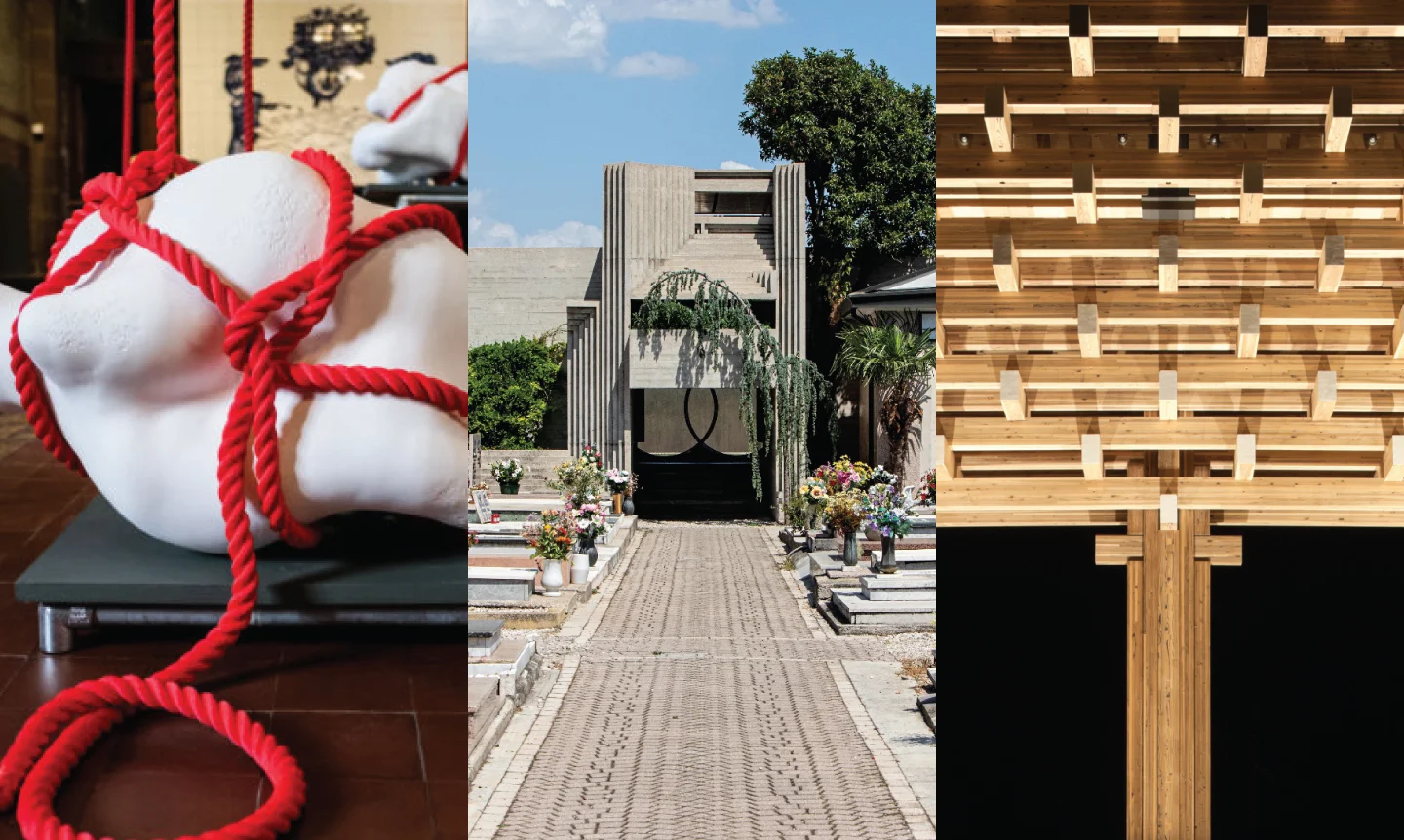
The ceramicist Mella Shaw has a much bigger bone to pick. This month, she won the $10,000 prize by the British Ceramics Biennial for her powerful work on “the devastating effects of sonar pollution at sea.” Titled “Sounding Line,” the piece is a large-scale replication of a whale’s tiny inner ear bone made from clay and bone ash taken from a beached bottlenose whale in Scotland. (Don’t worry, Shaw received permission from Nature Scotland.) The work, on view through November 5, hopes to draw attention to the increased number of whale beachings in the United Kingdom due to the invisible threat of marine sonar.
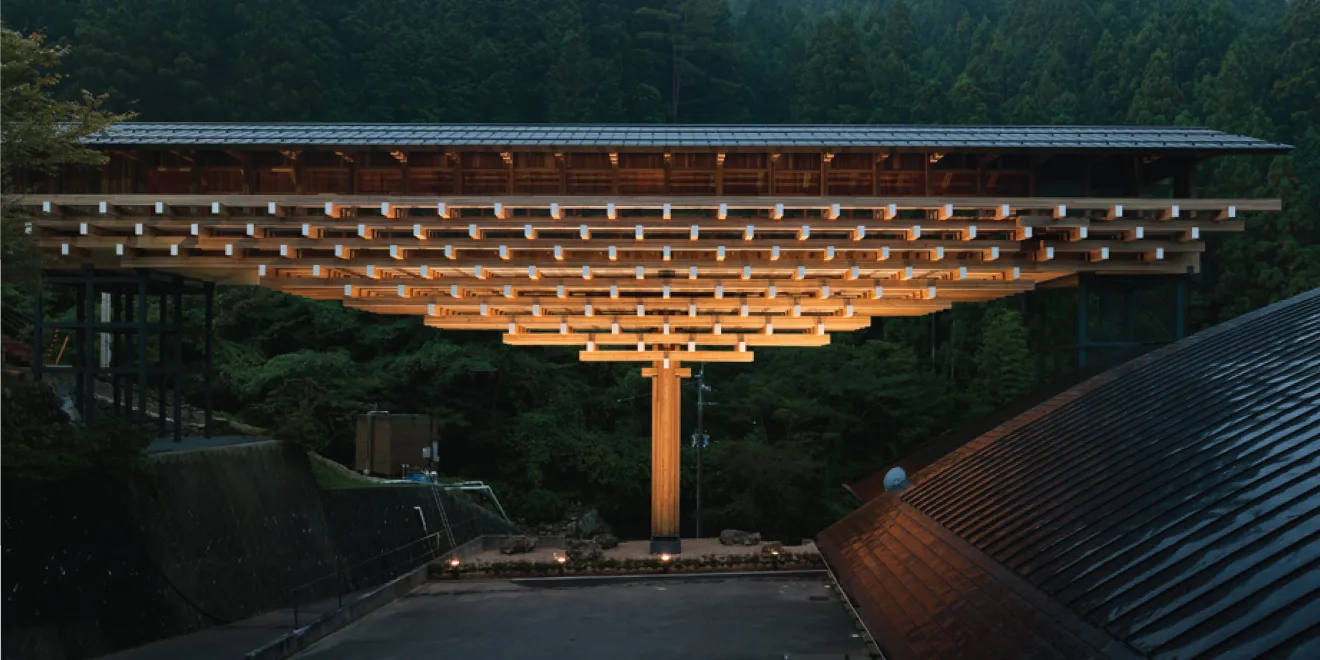
For his part, Tokyo-based architect Kengo Kuma said that “transparency is a characteristic of Japanese architecture.” One example: Yusuhara Wooden Bridge Museum, the architectural marvel he designed in the forested mountains of Kochi, Japan. The slatted timber skywalk — it links a museum on one end and an elevator shaft leading to a hot-springs hotel on the other — is crafted from an innovative system of interlocking cedar beams, which creates an intricate maze of longer slats atop progressively shorter ones. This means that the two skeletal towers supporting the bridge form a panoramic X-ray of the landscape. “My architecture is some kind of frame of nature,” he said.
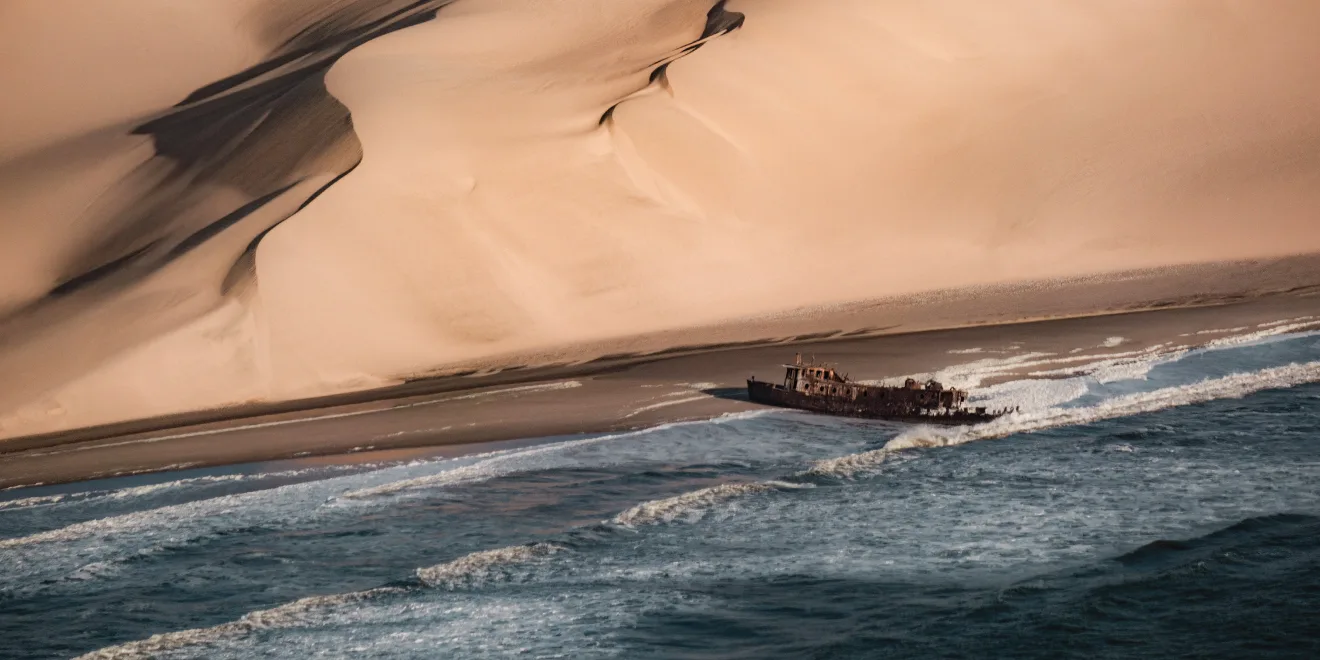
Another feat of bare-bones beauty is Namibia’s Skeleton Coast. Strewn with shipwrecks and sun-baked bones, the region is often referred to as the end of the Earth. Though this landscape is somewhat haunting from afar, with driftwood scattered along empty stretches of sand and dunes streaked with black magnetite, there are pockets of life. Along the shoreline, pawprints from animals like jackals, hyenas, or elephants make for stunning reminders of life’s endurance.
Travelers can opt to stay at the first and only permanent lodge in Skeleton Coast National Park: Shipwreck Lodge, a collection of ten wooden cabins, overlooking the crashing ocean. Conceived by maverick Namibian architect Nina Maritz as “abstracted wreckage fragments put together by survivors as shelter against the relentless wind and searing sun,” the cabins are spread out along the dune edge “like a listing flotilla against the skyline.” (Contact us to plan your trip to the Skeleton Coast region)