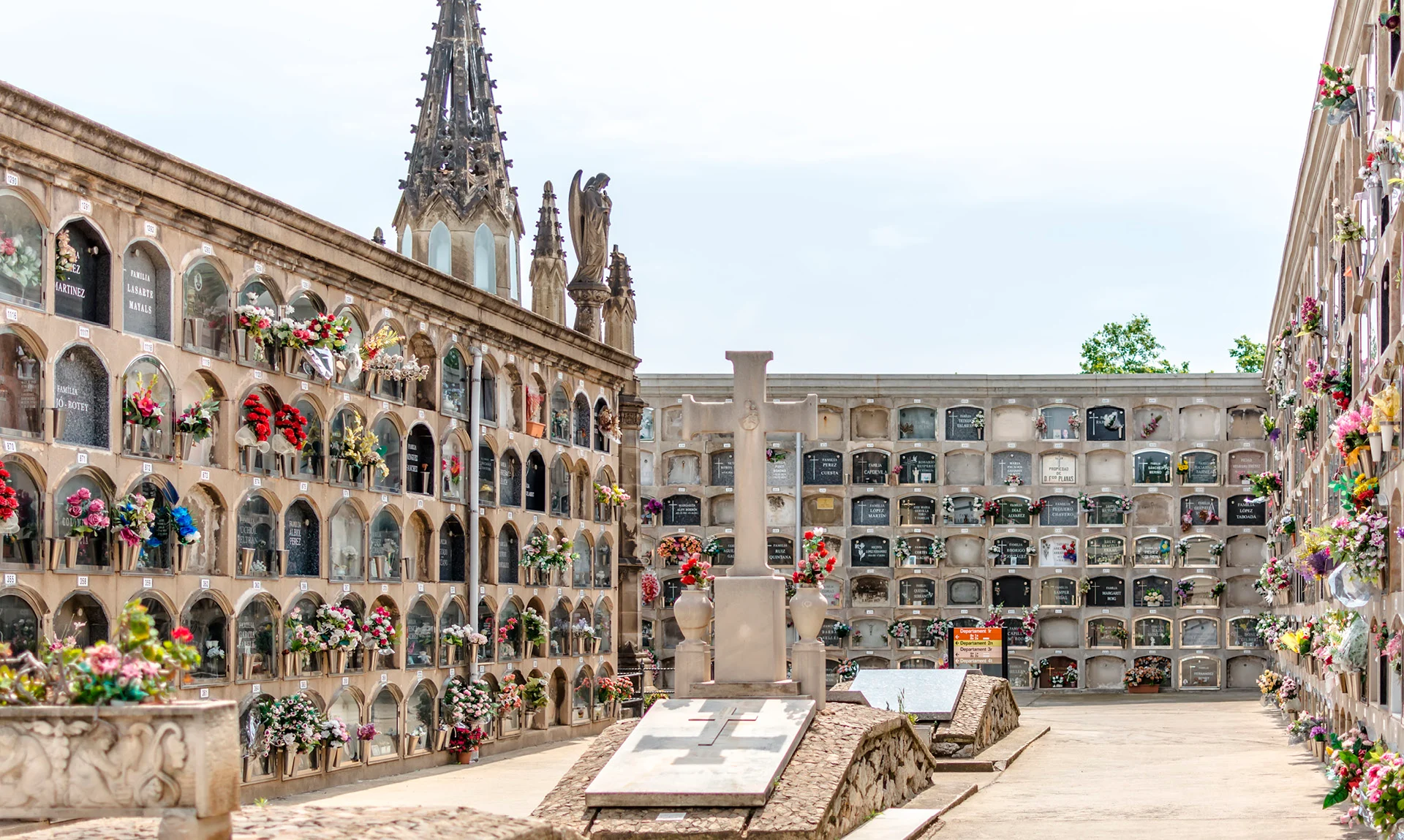
The silence and tranquility of a cemetery feels different from, and more peaceful than, any other in the world. There is some mystery around we are curiously drawn to them—maybe as a source of connection between generations and across places and histories. But their unique and singular beauty most certainly factors in.
As the rituals of burying the dead differ across cultures and countries, so do the aesthetics and architecture of burial grounds, which is why visiting one can reveal so much about a place, its past, and peoples. From 250-hectare, beachside An Bang cemetery in Vietnam, with its magnificent mausoleums, to the riot of color that characterizes the Guatemala highland’s Chichicastenango Cemetery, the passing of life and the spirits of those gone are honored uniquely and distinctly across each and every one.
Here are seven cemeteries with unique histories, residents, and methods of memorializing the—sometimes common and sometimes famous—persons who lie amidst their storied grounds.
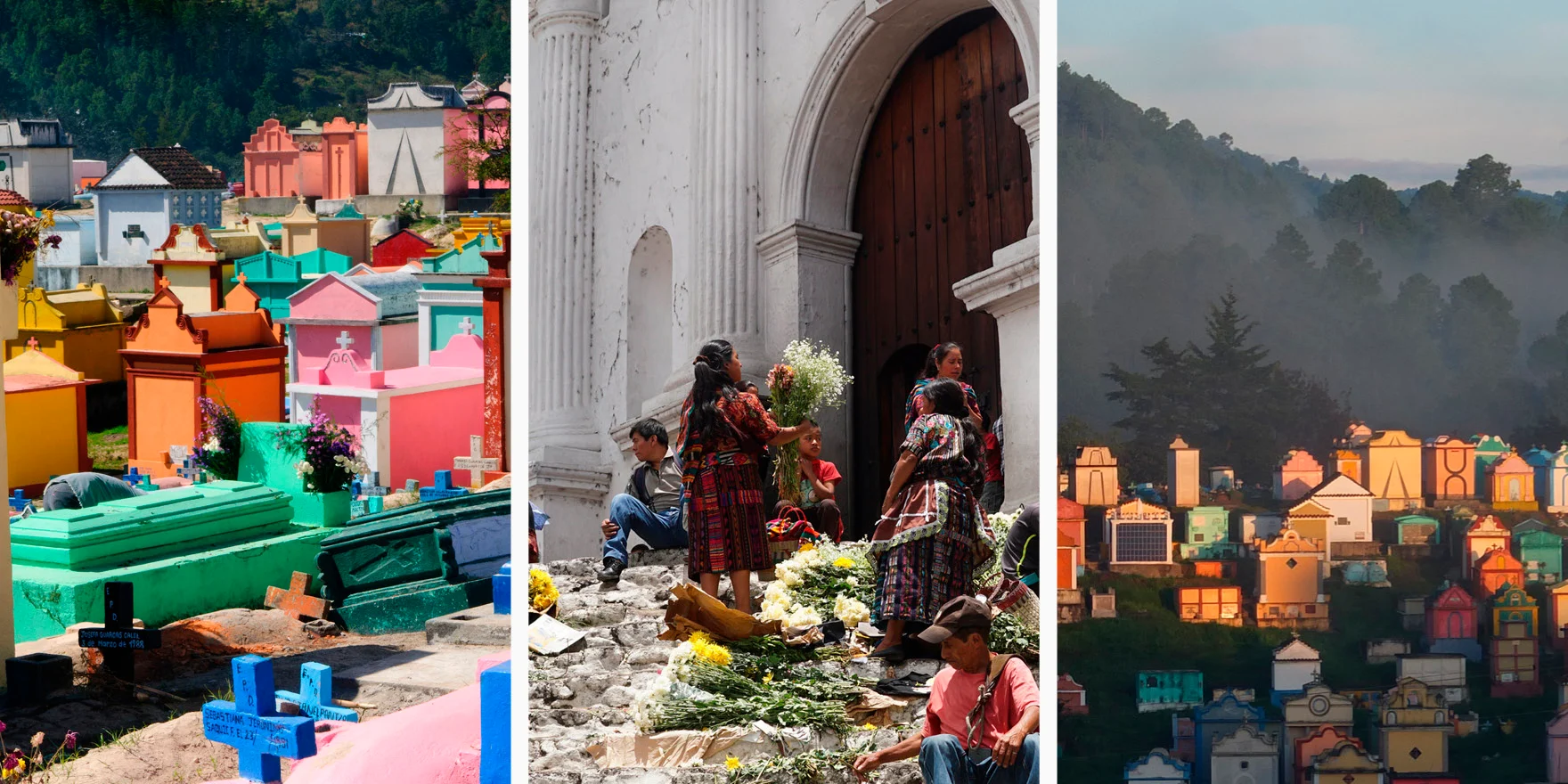
Chichicastenango Cemetery, Guatemala
Spread over a grassy hillside in this south-central Guatemalan town, known locally as “Chichi”, the vibrant colors used on the painted crosses, headstones, and mausoleums located here are a symbolic celebration of the afterlife. The wide spectrum of colors are said to signify the roles that some individuals played in life: turquoise representing mothers, yellow—the quality of protection provided by the golden sun—standing for grandfathers. The town is one recognized for its use of color all around, including within the vendor stalls and displays of Guatemala’s (and possibly the world’s) largest craft market found within it, which specializes in handmade textiles. The majority of people interred in this small local plot are of indigenous origins, and their Mayan descendants today still make visits to honor their ancestors here.
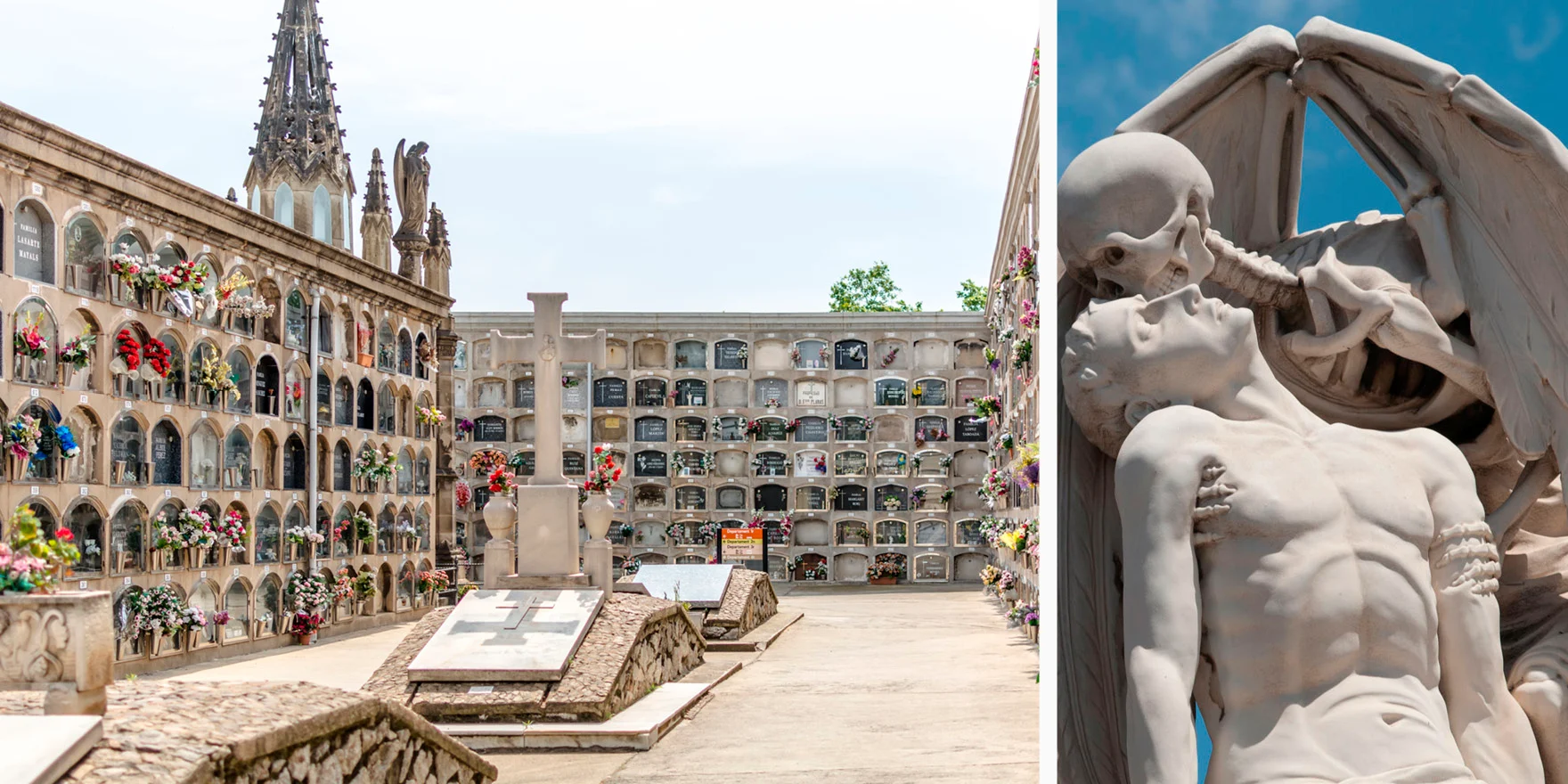
Poblenou Cemetery, Barcelona
After the original was destroyed by Napoleon’s troops in 1775, the current form of this cemetery was rebuilt in 1819, with corners of historic and artistic merit from different periods and styles now to be discovered within. Extravagant Neoclassical and NeoGothic tombs, for example, and mausoleums built by Barcelona’s richest families, are located here, making the cemetery akin to a funerary art museum. The two main sections are the most visited: a front part with egalitarian niches created by Italian architect Antonio Ginesi, and a back part where individual mausoleums can be found. (A third part of the cemetery contains an area of mass graves where at one time commoners were said to be buried.) By far the most renowned fixture is Jaume Barba’s 1930 marble sculpture “Kiss of Death” (“El Peto de la Mort” in Catalan or “El Beso de la Muerte” in Spanish)—a haunting piece in which a winged skeleton plants a kiss on a young man, who seems to welcome the embrace.
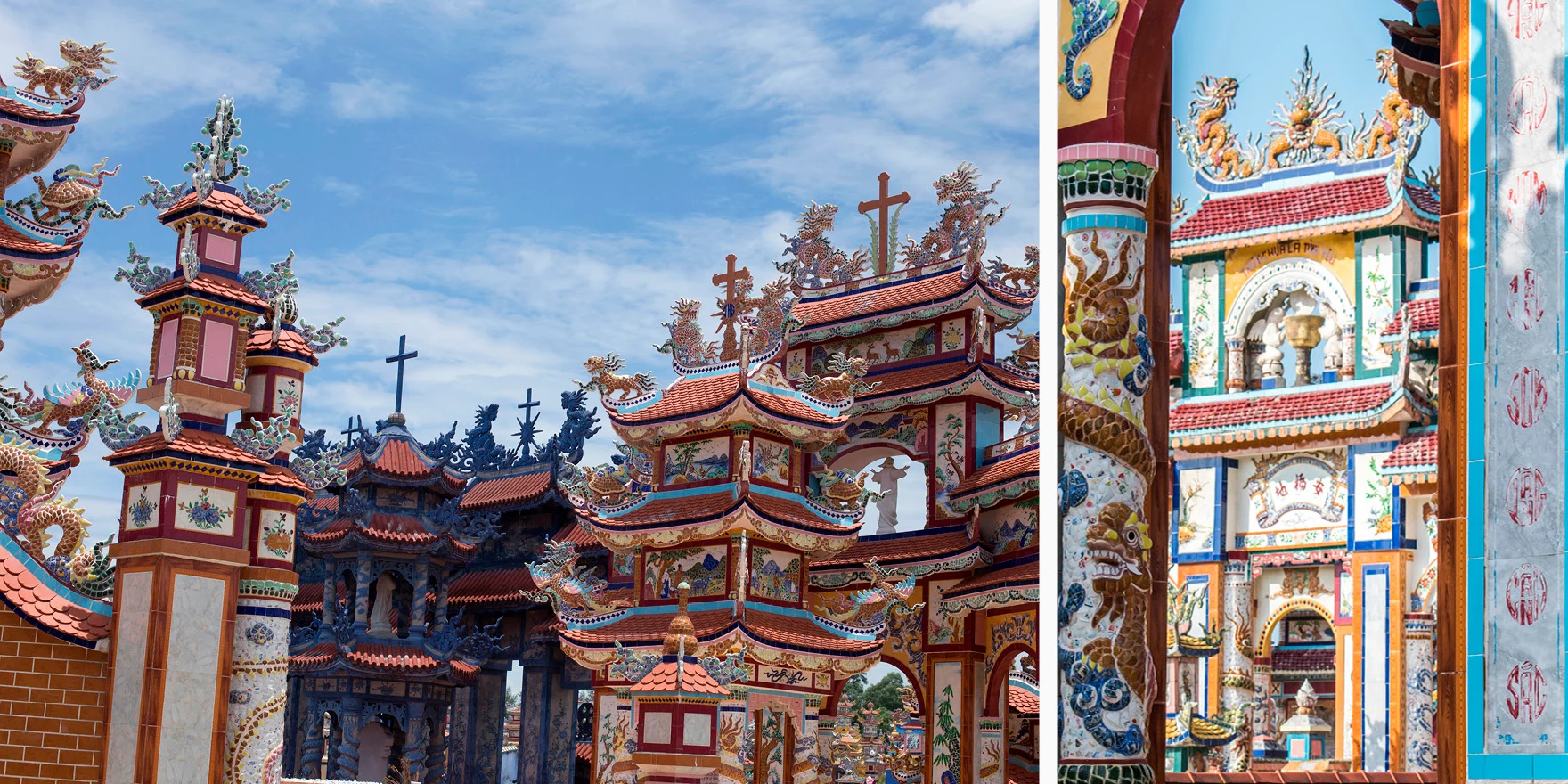
An Bang Cemetery, Hue, Vietnam
Known also as the City of Ghosts, this enormous cemetery, the largest in Vietnam and located in the former fishing village of Hue, may often be found completely empty of visitors. Lavish, towering mausoleums, most constructed with the Vietnamese diaspora’s earnings when emigrants sent money back to family members following reunification of the country in 1975, may be two to three stories high. They include mosaic dragons, sculpted phoenixes, and other mythical creatures as well as fully functional rooms for the dearly departed to dwell in, and a range of tributes from Buddhist to Tao to Islamic.
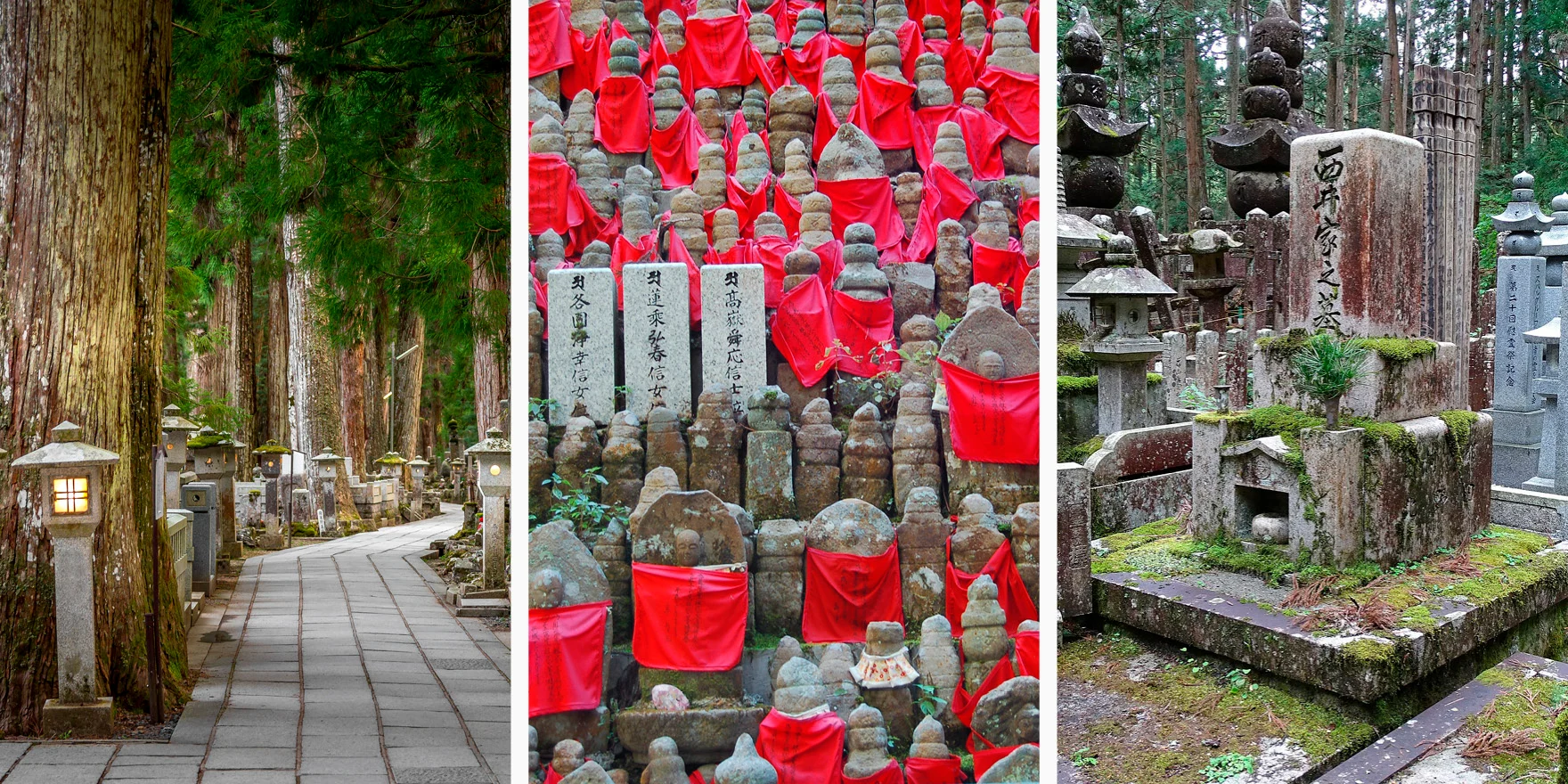
Okunoin Cemetery, Japan
The largest cemetery in Japan which dates back to at least the early 800s, this ancient burial ground of Buddhist monks located atop a foggy mountain top has over 200,000 burial places and 100 temples, and is considered one of Japan’s most sacred locations. The Ichinohashi Bridge dramatically marks the entrance, and two kilometers of pathway wind through moss-covered graves and shrines intermixed with trees, some more than 1,200 years old. Torodo, a hall of lanterns holding more than 10,000 lights across maze-like walls, is mausoleum of Kobo-Dashi, who founded the Shingon sect of Buddhism. It is believed that some of the lights have been burning since he died over one thousand years ago.
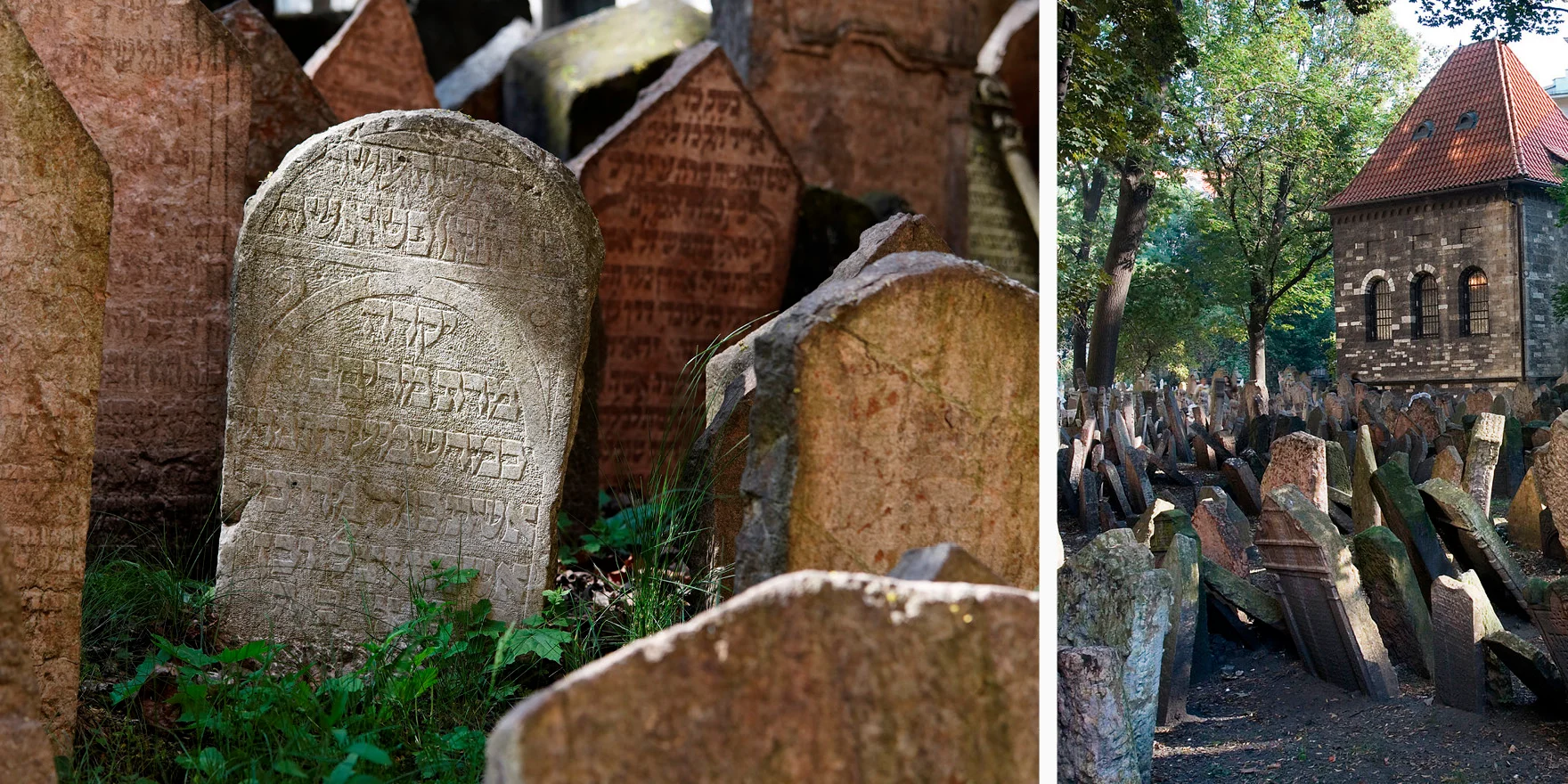
The Old Jewish Cemetery, Prague
One of the oldest Jewish cemeteries in the world, with the first graves dating from 1439 and the latest from 1787, the Old Jewish Cemetery is not far from the city’s Old Town Square. Characterized by an austere beauty, the site has locations where up to twelve layers of bodies exist (Jewish law prohibits destroying graves or removing the dead). The graveyard contains a mish-mash of simple, crooked tombstones and some more lavish ones reflective of the 16th century Renaissance in Prague.