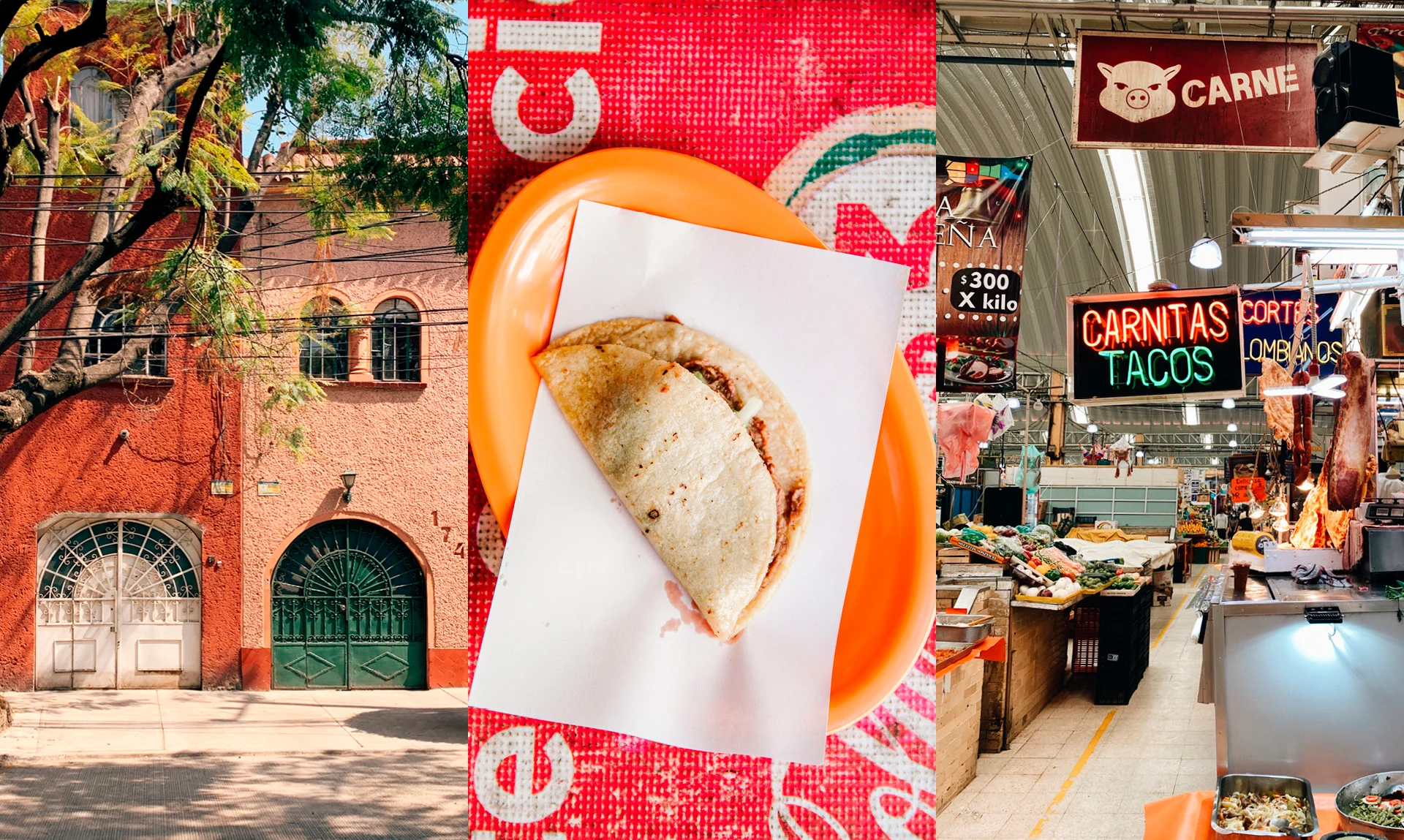
Watching a warm, supple tortilla skillfully flipped atop a comal, it is easy to see how this thing of great beauty is also a complete culinary blank canvas. The taco, which perhaps should be thought of as more a concept than a dish—a tortilla encasing a filling—can be endlessly and imaginatively versatile.
Although the word “taco” did not appear in Mexico’s written history until the late 19th century, the food is thought to have existed centuries before this. And it is clear why the invention has had staying power: Able to be eaten without utensils or even plates, plus fast, fortifying, and friendly to nearly any ingredient on hand—from potatoes to cactus paddles to slow-braised pork parts—the taco has historically been a staple for all, from emperors to the everyman.
As Mexico City continues to constantly change, so do its tacos and taquerías. While you can now find tortillas with any filling imaginable, certain tradition-based tacos are indispensable to painting the picture of the city’s past and present. Today, locals and visitors will find taqueros making and selling incredible versions of the various styles out of tiny storefronts, in grand seated restaurants, or, in the case of tacos de canasta, off the handles of bikes along the busy morning streets.
As a crowded taquería is a good taquería, it helps to know the various styles before getting in line. Here are nine, of many, essential taco styles to try when in CDMX, and a place to try them each.
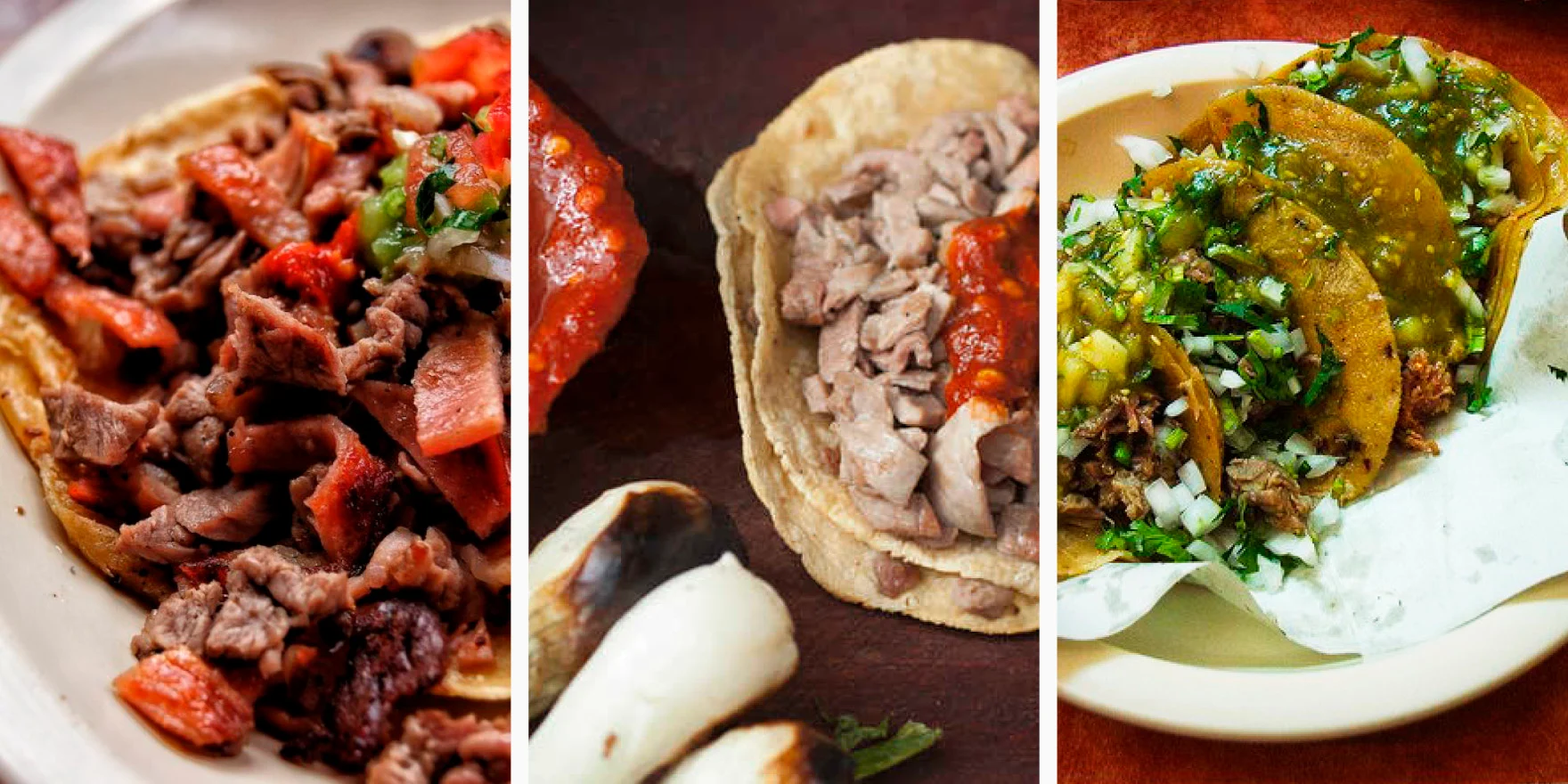
Tacos al Carbón at Los Picudos
Though fewer and fewer places actually use carbón (charcoal), this is still the name for tacos of grilled or griddled meat, or nopales (cactus paddles) for vegetarians. Although a typical preparation is just the grilled topping and tortilla, taquerías will have an array of salsas and garnishes on offer. If they have it, try a costra, a variation that emerged in Mexico City in the ‘90s, where a crisp-chewy "tortilla" of browned melted cheese is fused to, or wrapped around, the filling.
Los Picudos: Moras 230, Colonia Del Valle
Tacos de Fritanga at El Borrego Viudo
Although it is probably the most common taco category in Mexico City, the phrase "tacos de fritanga" is rarely uttered here as it is somewhat synonymous with "tacos." It refers to meat cuts, mostly from the head or innards (and usually pork), which are long-cooked in a mix of oil, rendered fat, and meat juices. The taquero mans a large, round, shallow tray with a moat of bubbling liquid (the meat is neither deep-fried nor braised, but essentially both), with a convex hump in the center for draining oil and heating tortillas. Many taquerías who serve this style specialize in specific cuts, like tripe or tongue, but they almost always have options like chorizo and suadero (brisket), too.
El Borrego Viudo: Av. Revolución 241, Colonia Tacubaya
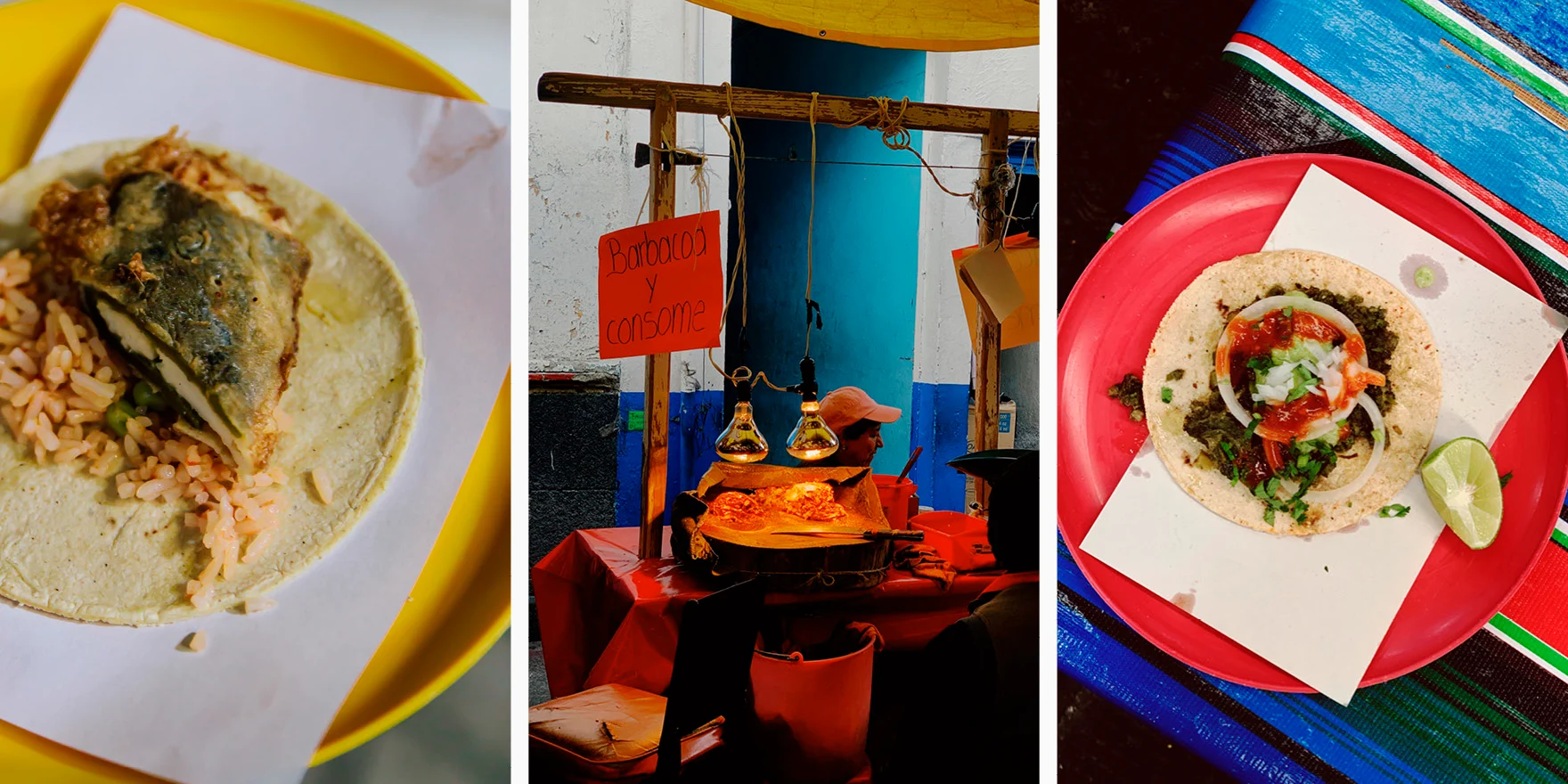
Tacos de Guisado at Tacos Hola “El Güero”
Guisado is a term for something braised or stewed, and these precooked fillings, usually served from clay cazuelas, are dolloped generously (if unceremoniously) onto tortillas and served with the lime-onion-cilantro garnishes, guacamole, and an array of salsas. The homey vegetable-based fillings, such as spicy cauliflower, poblano chiles in a cream sauce, or tomatillo-braised chard, are equally alluring as the chicharrón, steak, or picadillo (ground beef), and rice or beans can serve as an extra layer beneath the filling, making de guisado among the heartier taco styles.
Tacos Hola: Amsterdam 135, Colonia Condesa
Tacos de Carnitas at Los Panchos
History explains that Mexico didn't have pigs until the Spanish brought them in the 16th century, but you wouldn't know it by the ubiquity of pork in Mexico City’s tacos today. Carnitas refers to pork long-cooked in its own rendered fat, and in the case of tacos here it may be any number of cuts from the lean loin or leg meat (maciza) to juicy ribs (costillas) or chewy pork skins (cueritos). Try a taco de achicalada, which is made up of the extra fatty meat bits from the bottom of the cooking vat. (At the more than 75-year-old taquería Los Panchos, you can order the carnitas on its own by weight—with sides of cactus and tomato salad, too.)
Los Panchos: Tolstoi 9, Colonia Anzures