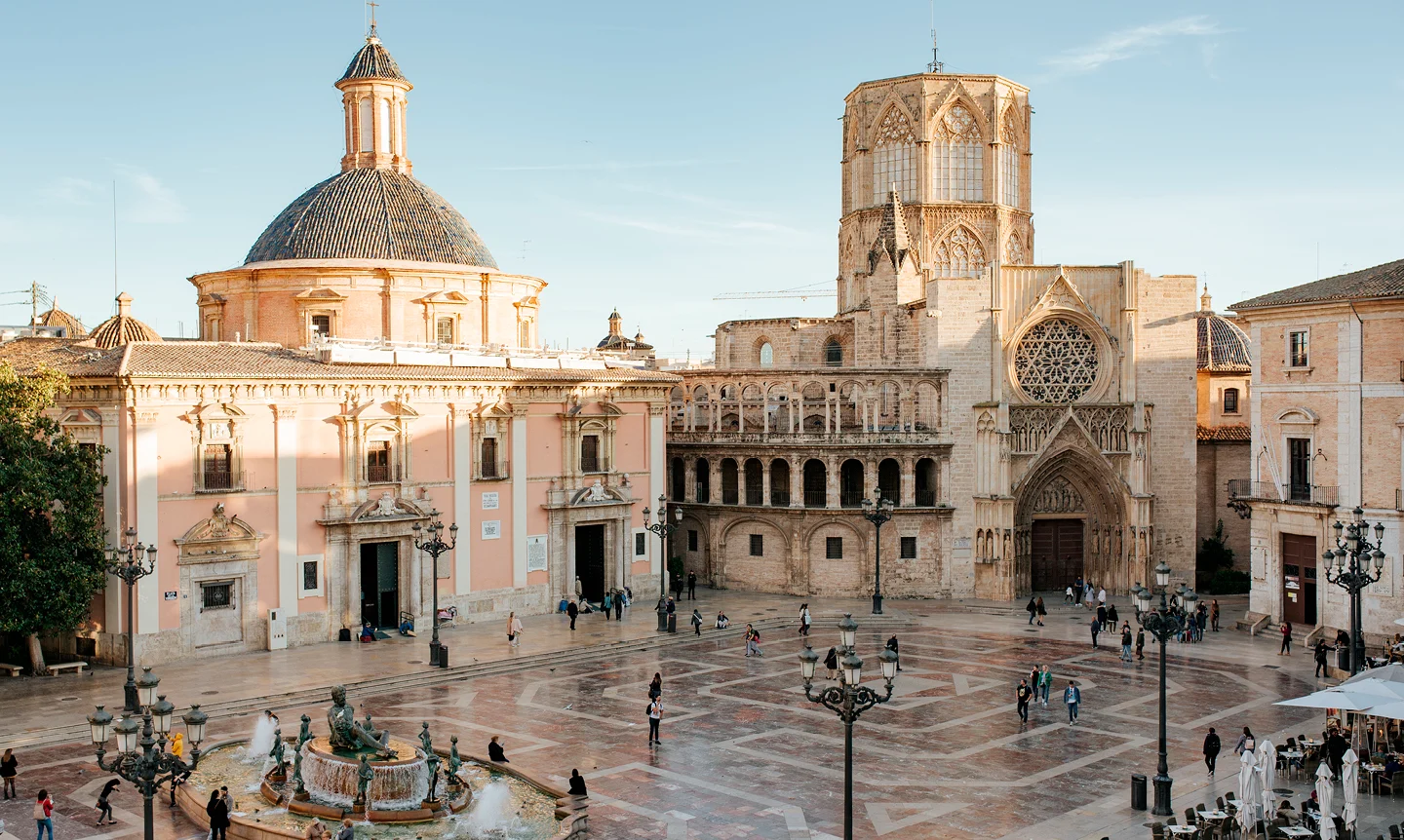
Tucked by a warm and docile Mediterranean Sea, surrounded by vegetable gardens and orange groves, Spain's third-largest city now lives in the midst of international buzz. This year, Valencia celebrates its designation as World Design Capital 2022 though its status as a creative hub has been long in the making.
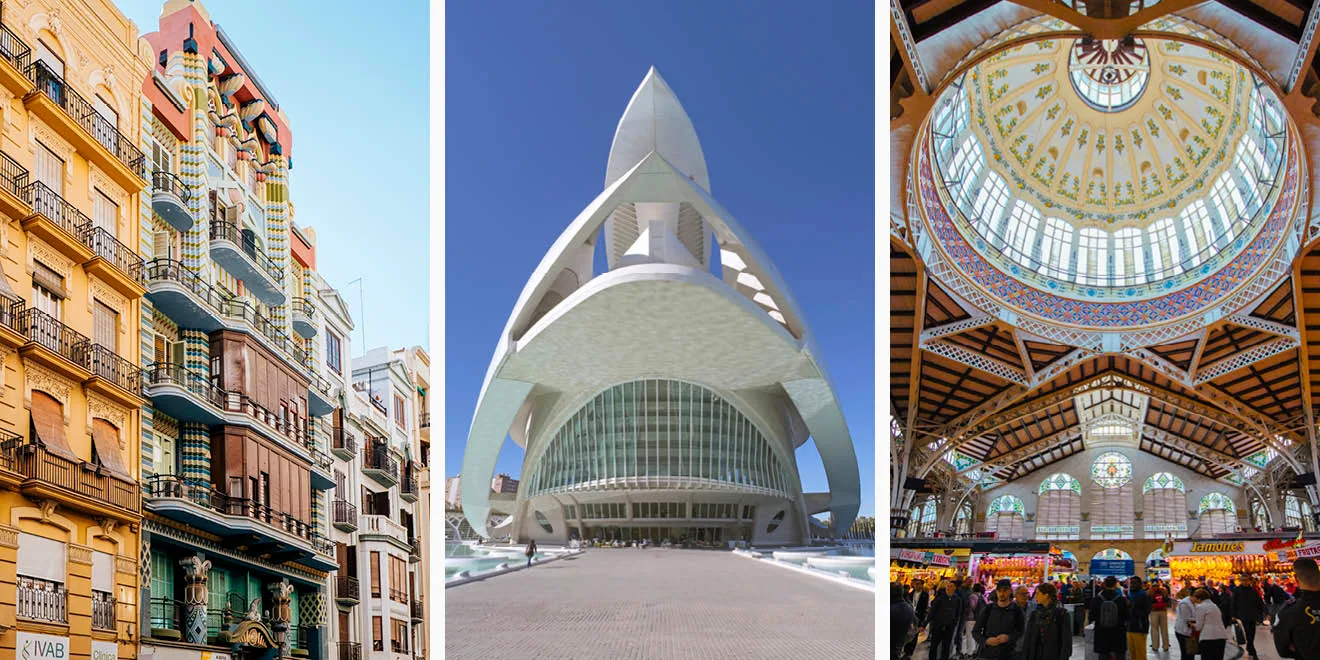
It was 1998, with the installation of Valencia’s City of Arts and Sciences, that it began to gain international momentum. Designed by Santiago Calatrava, the Valencia-born starchitect behind New York City’s Oculus, (part of the rebuilt World Trade Center), the complex has become the backdrop of choice for a host of future-set Hollywood productions. In the City of Arts and Sciences, an architectural marvel in which cones, parabolas, and arachnoid glass sculptures intersect with infinity pools, lies an example of the city’s forward-looking experimentation.
Valencia's historic heart is also experiencing a quiet renaissance. Amidst Art Nouveau mansions and palm trees, dozens of trendy bars, stores, restaurants, and hotels have sprung up in the winding El Carme neighborhood and popular Russafa. Even El Cabanyal, a fishermen's quarter lined with vivid tiled facades, is now a gastronomic destination. Paella, Valencia’s signature dish, still takes center stage on many menus; once a simple farmer’s lunch of rice, beans, rabbit, and chicken, today you’ll find varieties with everything from mussels to oxtail (though Spaniards won’t call those paella, instead opting for “arroz con,” or “rice with.”)
But even as the city continually reinvents itself, it remains committed to a culture of art, crafts, slow strolls, and lingering at meals for hours. There’s no better time to get to know the real Valencia than spring, when the Fallas Festival fills the streets with towering sculptures that are set aflame with much fanfare and firecrackers. It’s a reminder that quality of life never goes out of style.
What to See in Valencia
Bombas Gens
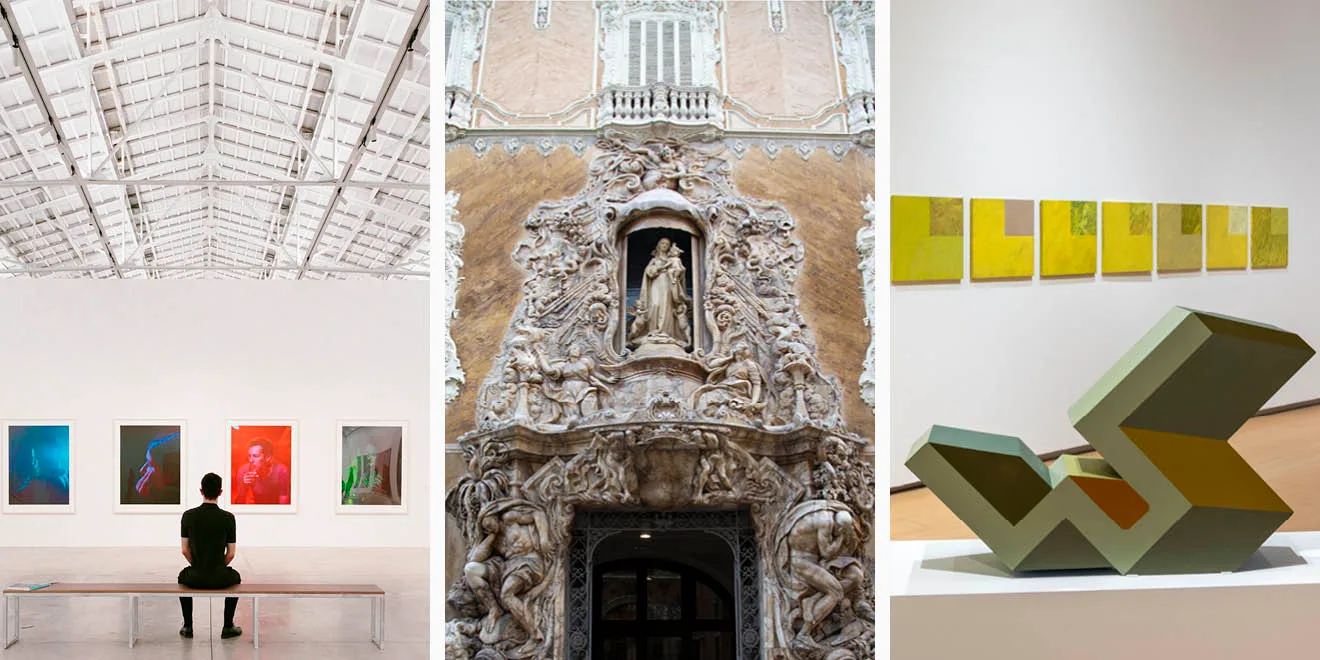
A former industrial brick building used to manufacture hydraulic pumps in the 1930s, Bombas Gens has become a contemporary art center that houses some of the most interesting collections in the city. In the basement of its warehouses and courtyards, there is an air raid shelter built during the Spanish Civil War and a cellar from the late fifteenth century that resurfaced during renovations. The center is also home to the restaurant of renowned chef Ricard Camarena.
Avinguda de Burjassot, 54-56
IVAM
This art center launched the career of curator Vicente Todolí, who later directed the Serralves Museum in Porto and London’s Tate Modern. IVAM houses one of the country’s most innovative permanent collections, with work from the likes of Richard Hamilton and Yves Klein as well as unmissable local masters such as Carmen Calvo, Julio González and Equipo Crónica. Its current Anni and Josef Albers retrospective, which covers the couple’s extensive career as pioneers of 20th-century modernism, shows why IVAM is among Spain’s best.
Carrer de Guillem de Castro, 118
Museo Nacional de la Cerámica
This museum is located in the Palacio del Marqués de Dos Aguas, a crown jewel of Rococo architecture. (Think alabaster sculptures of men, vegetation, and mythological animals.) In keeping with the original Baroque decoration, Museo Nacional de la Ceramica’s rooms display an extensive collection of Spanish and foreign ceramics, from the 8th century to the present. The highlight is the abundant collection of handmade Valencian ceramics, which includes classic medieval socarrat tiles and terracotta plates glazed in white.
Carrer del Poeta Querol, 2
Architectural Wonders
Valencia’s architectural wonders range from medieval walls and towers such as the Torres de Quart of 1392 to Gothic silk exchange markets with hidden orange gardens like the Lonja de la Seda At Valencia Cathedral witness the work of three centuries in facades of varying styles, as well as a bell tower whose ascent offers the best views of the city. If you’re looking for colorful local art deco architecture, neighborhoods like L'Eixample show jewels of strange beauty like the Casa Judia (Calle de Castellón, 20). For modern marvels, head to Calatrava’s City of Arts and Sciences, and don’t miss David Chipperfield’s port sculpture Veles e Vents, known as the America’s Cup Building, which was held here in 2007, whose white concrete contrasts with the tile facades of the El Cabanyal maritime district.