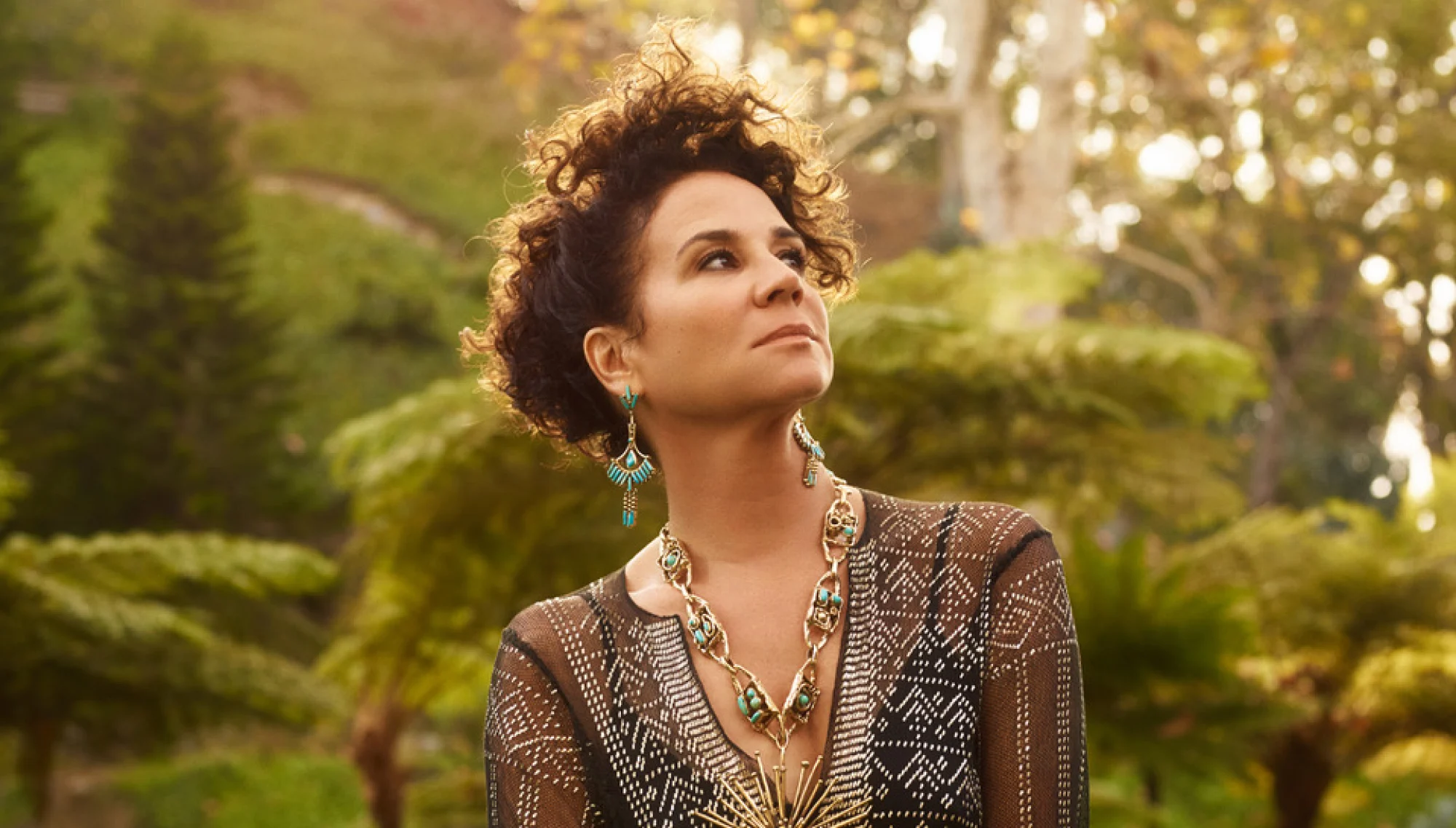
The consummate collector and polymath, Lisa Eisner is one of the most uniquely glamorous women in Los Angeles. If you are lucky enough to be invited to her Cliff May-designed, hacienda-style Bel Air home, your idea of eclecticism and style will be forever changed. To see an exquisite crystal chandelier hung from a gigantic tree in a vast one-acre garden was quite an impressive and unusual sight when I first met her back in 1988. Beneath it was spread an exotic carpet with an elegant sofa, a coffee table, and lounge chairs facing a large open fireplace.
Lisa’s daring way of mixing things is not limited to her stunning home. It trickles through every aspect of her life: the clothes she wears, her choice of friends, her love of places and countries, and the jewelry she makes, which she refers to as “wearable sculptures”.
In America where “bigger is better” and originality is king, Lisa has the creative smarts to achieve both. Her free spirit and joie de vivre can be seen in her work as a fashion editor, photographer, filmmaker, writer, and founder of Greybull Press, known for artfully cool books like Kustom, Height of Fashion, and Rodeo Girl. In the early ’80s she lived in Paris and studied the fashion of Mugler, Montana, and Yves Saint Laurent. She then moved back to LA where she was the West Coast Editor of Vogue and did a stint for Ralph Lauren. Sitting in her jungle-like garden we talked about why she is longing for her birthplace Wyoming and what fuels her constant desire to travel.
How do the places you travel to influence you?
There is this thing about seeing things for the first time, where your eye is so fresh, because you don’t have a reference. That really is an amazing feeling. I can understand why people can get addicted to traveling. And you can leave all your worries behind.
Do you have favorite places to travel to?
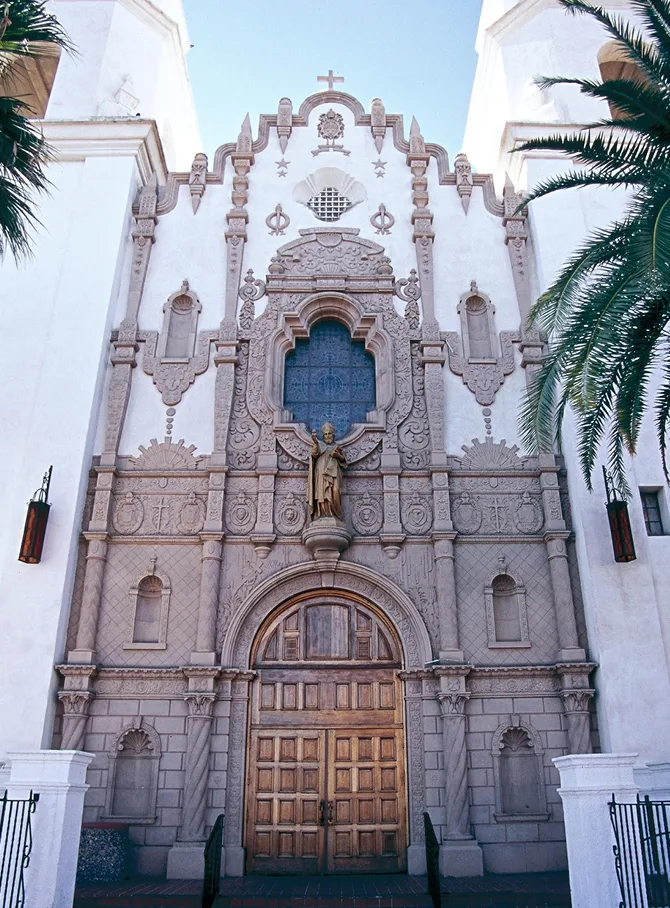
Every February I go to the Tucson Gem and Mineral Show. There are rock hounds and gem sellers from everywhere—Brazil, Germany, Australia, you name it. I get all my stones and turquoises there. Tucson is a cool, small town that’s nicely preserved, and I walk through there and think, “Oh, I would love to live in a small town.”
Do you collect from your travels?
My house is overflowing with stuff from my travels. Stores don’t do it for me, so the first things I look for are any sort of antique or flea markets. I’ve learned history from going to flea markets; you can find out so much about a city at them. Once you know that you are good at picking things at a flea market you just go for it every time. It’s a hunt, and I love the hunt!
How did growing up in Wyoming influence you?
It’s the third largest state of America and only half a million people live there. So you can imagine what that looks like driving through—there’s so much nature, incredibly vast skies, magical sunsets, and people who live a simple life and are happy. Today I appreciate more than ever how I grew up. It was a weird perfect world with no worries that gave me freedom and safety. Now I like to go places with a lot of nature. I need it for my soul.
How do the West and Native American culture influence you?
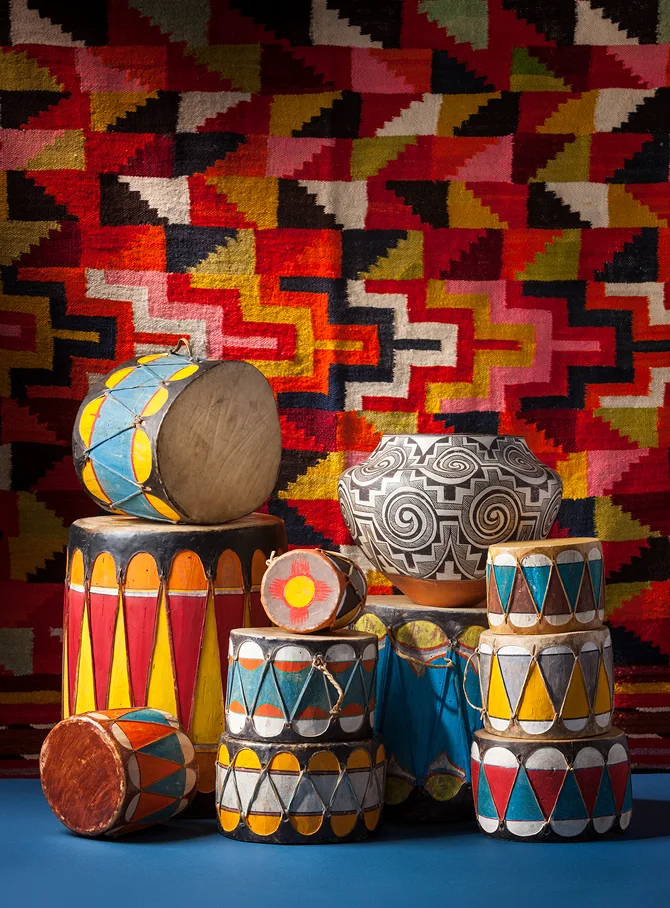
I was born in Greybull, Wyoming. Between the two towns where my two grandparents lived was the Wind River Indian Reservation. It was a weird mystery to me when we went through.During the Cheyenne Frontier Days, the biggest rodeo festival in the US, the Native Americans would dance and they had this village set up—it was all very fascinating. Sometimes I think maybe that’s how I got into fashion: rodeo queens and Native Americans with all the feathers and sequences. It was the couture of my world and it was awesome.