
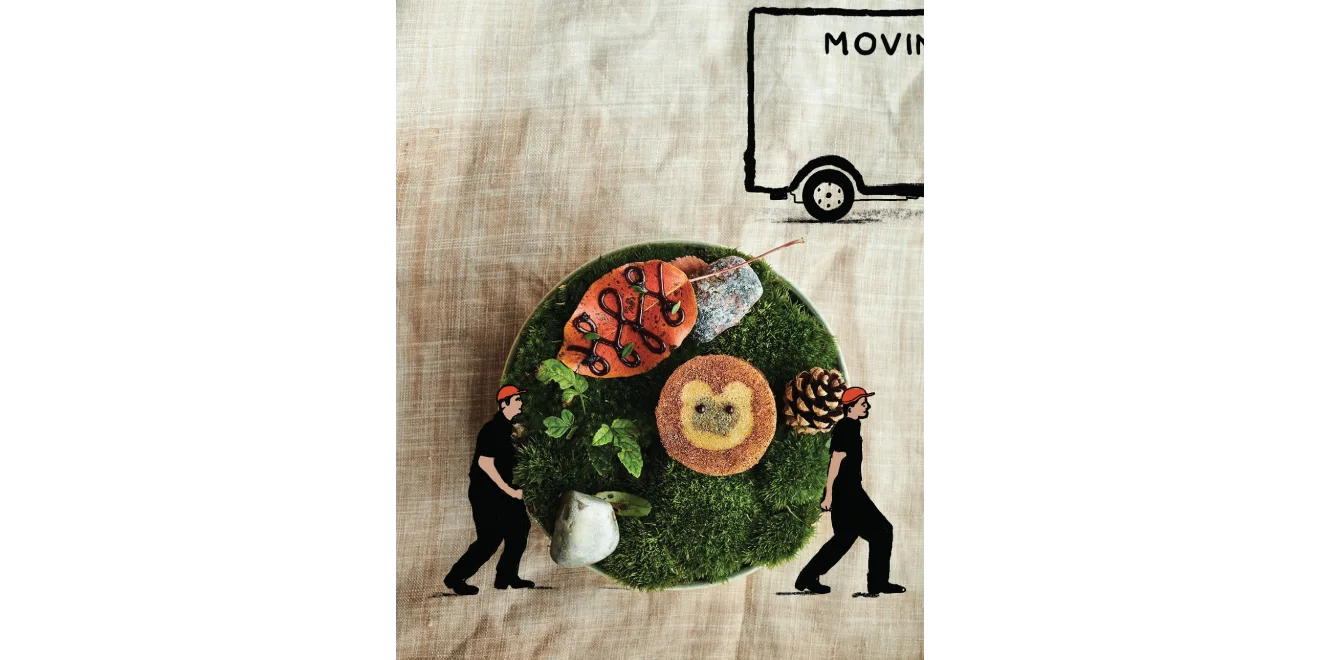
The food world continues to digest the news that Noma, the best rated restaurant on the planet, is shutting its main service in 2024 to reinvent itself as a full-time “food laboratory.” But one aspect of the Copenhagen dining institution’s legacy seems to be getting lost amidst all the table chatter.
And no, we're not talking about the shadow cast by creator René Redzepi over the film The Menu, the foodie-horror sendup of class and cuisine now streaming on HBO Max that gives the role of master chef a campy villain edit.
Of course, there is no denying that Redzepi's showstopping ability to turn Nordic gastronomy into something approaching performance art brought him a type of movie-star status. Just look at this lyrical description of a Noma meal by the New York Times restaurant critic Pete Wells, published earlier this month: “Still, I wasn’t prepared for the shimmering beauty of what came to the table, like the iridescent silhouette of a starfish brushed on a plate with edible paint and covered with the sparkling roe of wild Danish trout.”
But all that plated operatic drama has less to do with a cult of food personality than a newly-invigorated, if not downright fanatical, appreciation for once-humble endemic ingredients. Over the years, those otherworldly displays of taste and adoration swirling around courses of grilled reindeer heart resting on a pillowy nest of fresh pine needles and rose-scented cakes shaped like terracotta gardening pots (and topped with fresh wild herbs for added trompe l'oeil effect) had a trickle-down-effect on the world's collective appetite, rewiring gastro tourism with a five-star focus on regional sustainability and local flavors.
When the dust settles and the plates are cleared, Noma's still unfolding legacy has less to do with the bill associated with an elite fine-dining experience and more to do with the urgent (and far more priceless) need to preserve the palette of a particular place.
For proof, just look at the chefs collaborating with threatened indigenous communities in the heart of Brazil’s Amazon rainforest, an award-winning ancestral kitchen in Minneapolis whipping up “decolonized” dishes and the new breed of culinary activism popping up in the rural villages of Portugal featured in this week's newsletter.
And over in Kyoto, a much-anticipated Noma spin-off at the Ace Hotel will showcase Redzepi’s take on the Japan's sakura season via ingredients sourced from “local farmers, hunters, fishmongers, and foragers” (think Japanese ants, fermented black garlic and salted ume) and “poetic” tableware crafted by regional master ceramicists. Some things, however, will never change. Reservations for the 10-week stint, which opens March 15 and runs through May 20, are already fully-booked.
A Tour of Portugal’s Endangered Kitchens
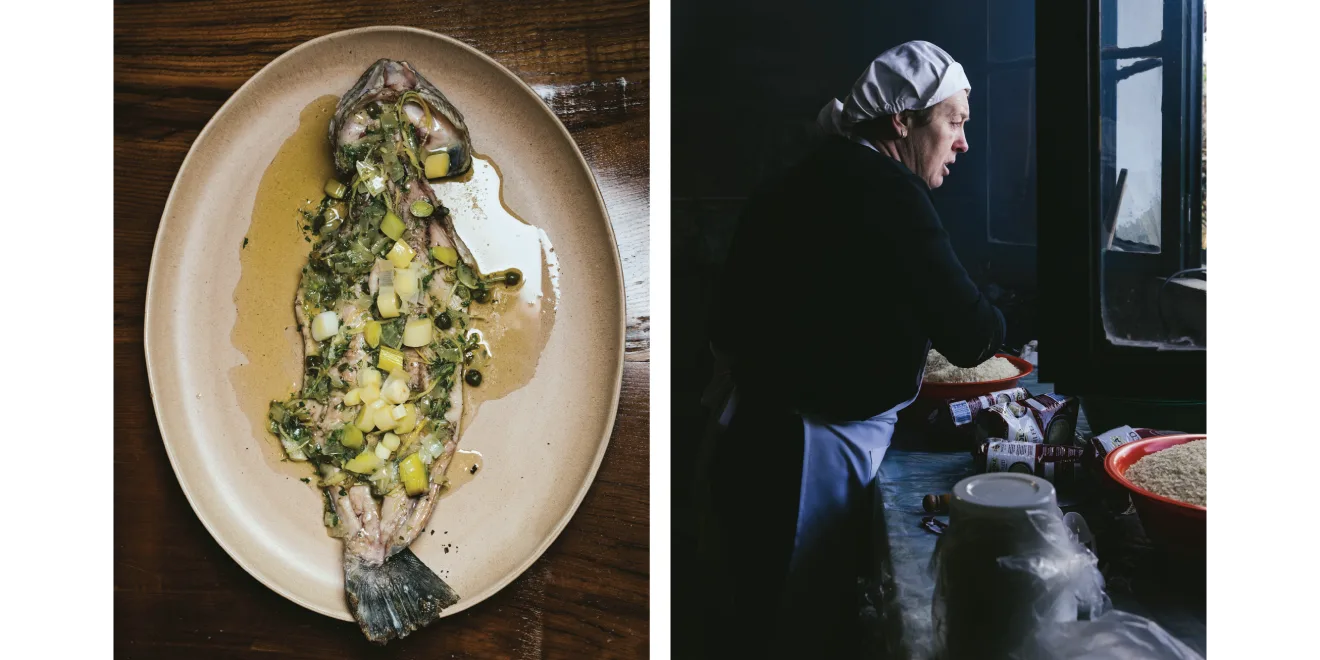
João Rodrigues, the acclaimed Portuguese chef whose resume includes the Lisbon hotspot Feitoria and the soon-to-be-opened Monda, recently made waves when he published Projecto Matéria, a gastronomic directory of traditional food producers, family-owned farms, regional handmade goat cheeses, smoke-cured meats, local honey purveyors and native turnip greens that make up his homeland of Portugal.