For centuries, London pubs served as the beating heart of neighborhood life—places where Pearly Kings held court, where dock workers gathered after shifts, and where the rituals of British social life played out over pints of bitter. These institutions, with their dark wood paneling, frosted glass, and worn velvet banquettes, represented continuity in a changing city. But as the 2000s progressed, these spaces remained largely unchanged while the world around them shifted. Traditional pubs struggled to attract new customers, their formula feeling increasingly outdated to a generation that expected experience alongside institution, design over heritage, and curation over tradition.
Simultaneously, London's dining scene was polarizing. Tasting menus proliferated, concept restaurants demanded intellectual engagement with food, and the city's hospitality landscape split between tourist traps and temples to culinary art. The beloved middle ground that made London’s pub culture so welcoming to all began to disappear. Young professionals found themselves choosing between overpriced gastropubs or sterile wine bars for the weekly (or in some cases daily) after-work drinks. What was missing was somewhere that felt both considered and comfortable, sophisticated yet undemanding. Across the city, pubs and bars were feeling the loss of neighborhood—that sense of belonging and purpose in serving the people around them that had once made them essential to London life.
Into this landscape stepped three friends who understood that change could honor tradition. Phil Winser, James Gummer and Olivier van Themsche founded Public House Group with a simple philosophy: take British classics, execute them flawlessly, and present them in spaces that felt both timeless and contemporary. Their approach centered on UK-sourced ingredients, minimal intervention cooking, and applying the same restraint to their environments. The group has even expanded beyond fixed locations with The Bushcamp, a nomadic dining experience that brings their open-fire cooking philosophy directly to clients' outdoor spaces across the Cotswolds.
A Quite Revolution in Hospitality: The Public Houses
The Pelican, Notting Hill
The transformation began in 2022 at 45 All Saints Road, where The Pelican had operated for 150 years before Public House arrived to strip back the decor. Working with London-based interior design firm Studio Squire, the team carved out what would become their signature aesthetic. What emerged was revelation through reduction. Gone were the cluttered surfaces and competing patterns that characterized traditional pubs. In their place: clean lines, raw materials, and a studied simplicity that made the space feel both larger and grander, yet more intimate. The design spoke in whispers rather than shouts—zinc-topped bars, exposed fireplace scorched brick and furniture that looked effortlessly chosen but was meticulously curated.
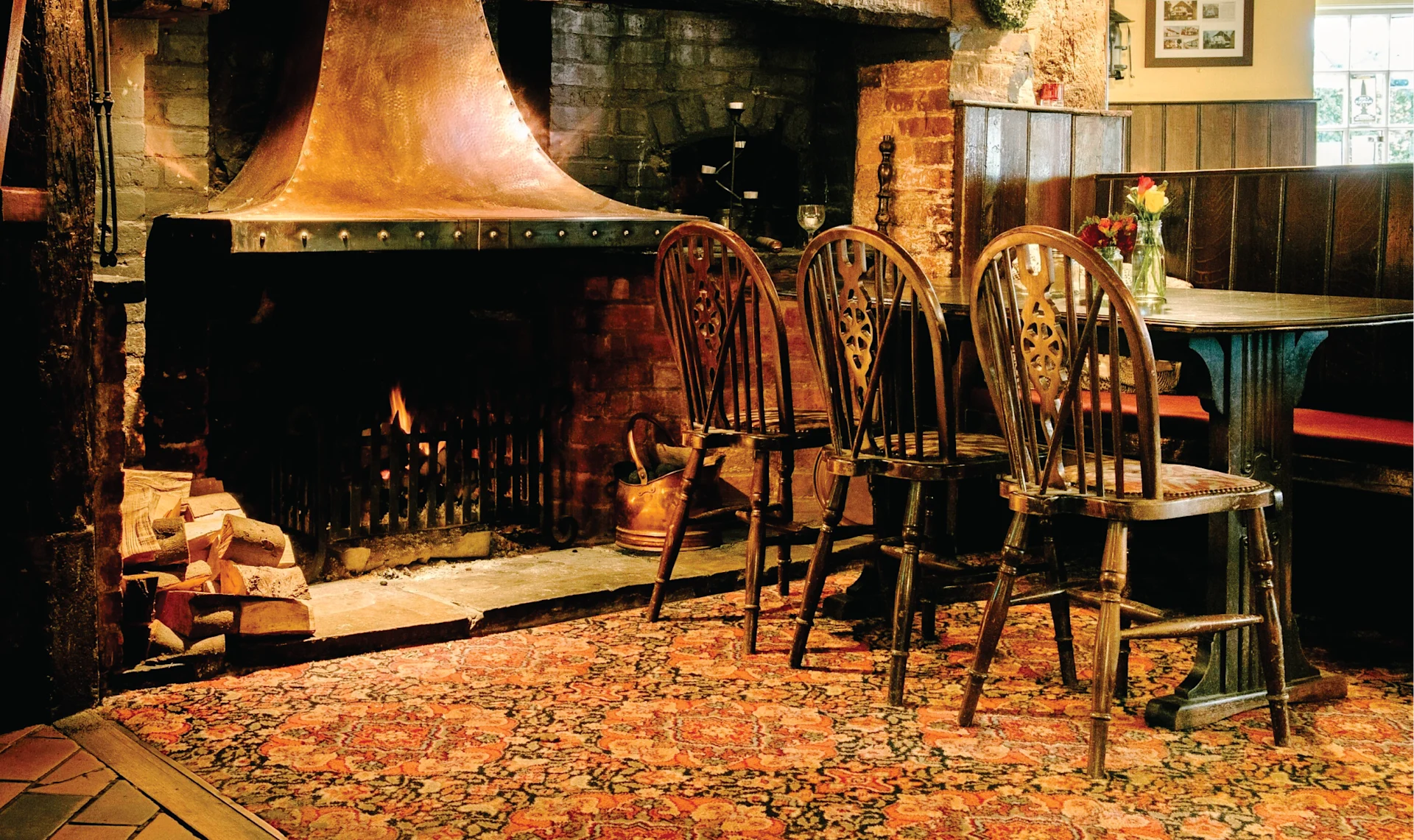
The Pelican became home to Notting Hill's in-crowd through something more fundamental than exclusivity—it simply worked for everything. The space handled casual after-work pints as easily as elaborate Sunday lunches for 12, centered around substantial lobster pies designed for sharing. Quieter corners by the fireplace accommodated intimate conversations just as naturally as the bar served quick drinks. The food struck the perfect balance: elevated pub classics like exceptional Welsh rarebit and refined sausage rolls alongside playful takes on traditional bar snacks. The space felt simultaneously polished and unpretentious, drawing people who appreciated craft without ceremony.
The Bull, Charlbury
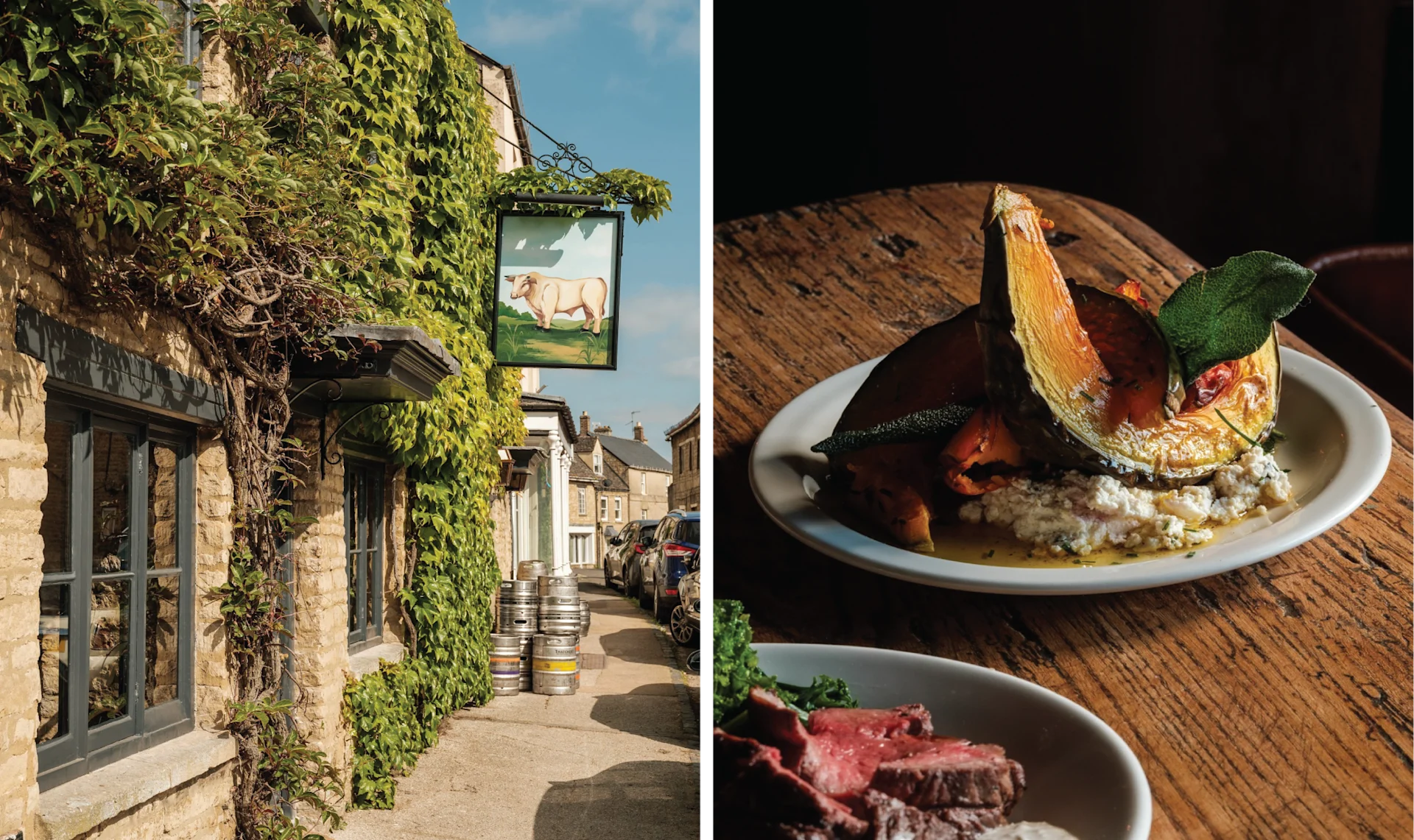
The early 16th century Bull in Charlbury proved the group's design language could translate beyond London's urban density. Opening in July 2023, the Cotswolds venture faced the challenge of updating a 500-year-old coaching inn without losing its essential character. Working again with Studio Squire, the solution was their now-signature approach: strip away the accumulated clutter of centuries, reveal the building's bones, then add only what was necessary.
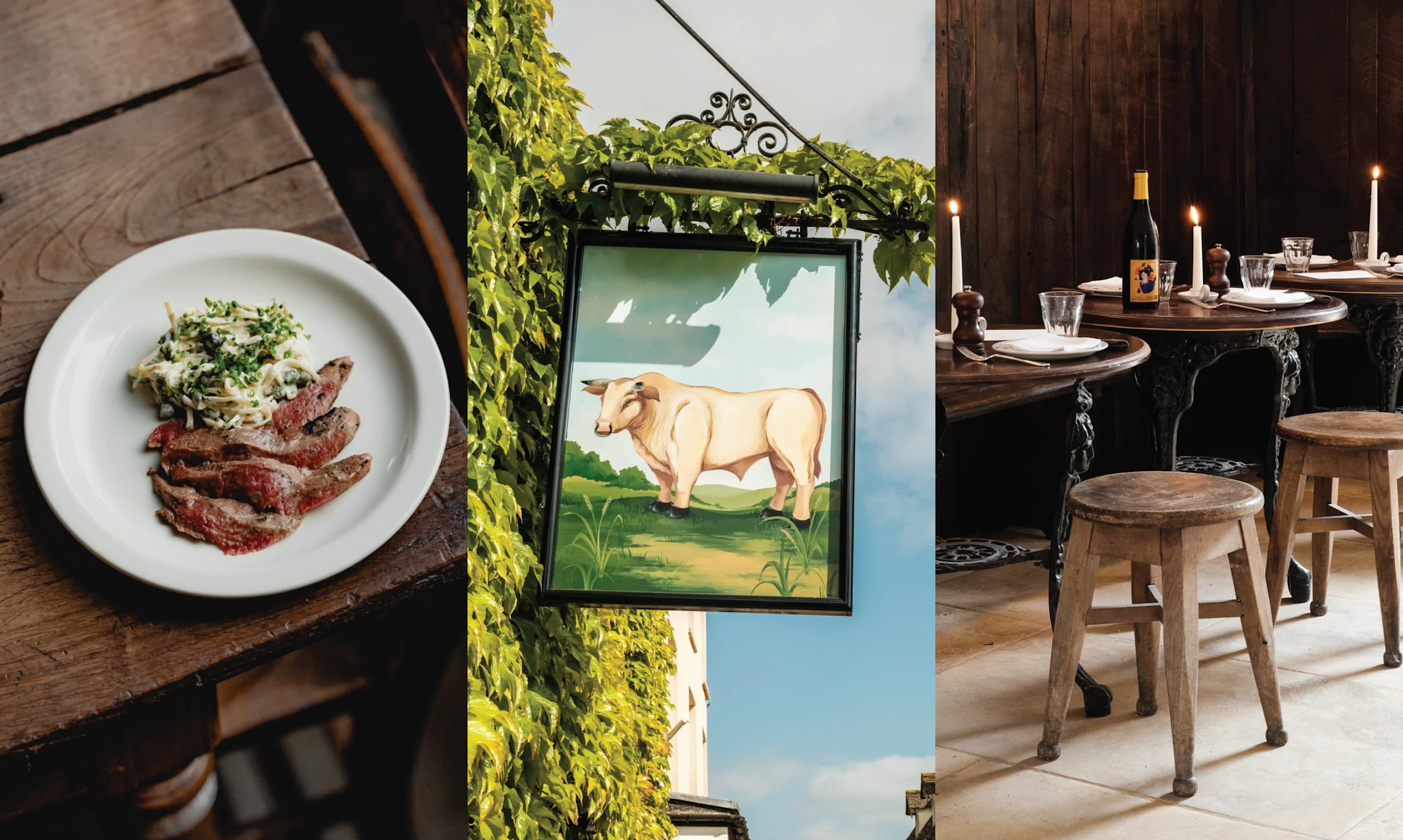
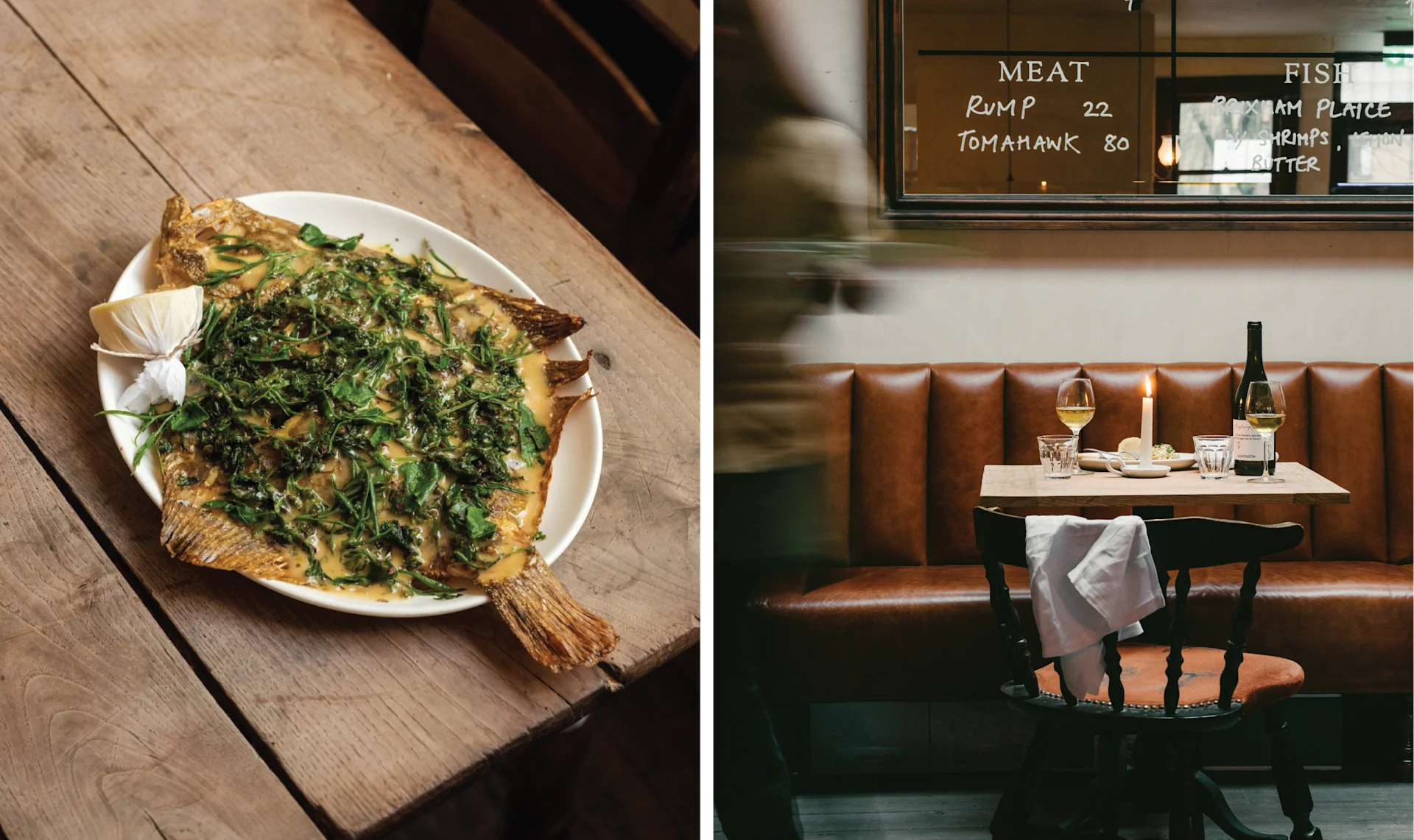
The Bull operates as both a classic pub and boutique hotel, with ten pristinely designed bedrooms scattered throughout the inn. Studio Squire's approach continued the group's commitment to design restraint—no chintz, no faux-historical decoration, just beautiful materials, perfect proportions, and an understanding that luxury often means having less, not more. Each room was designed to feel like a private home rather than a hotel room, extending the hospitality philosophy beyond London's boundaries into the countryside.
The Hero, Maida Vale
The Hero in Maida Vale represented a more ambitious architectural statement—a vertical village of hospitality experiences. Opening in May 2024, the design worked with the Victorian building's imposing corner presence, creating distinct atmospheres across multiple floors while maintaining the signature restraint established at The Pelican. The location itself marked a shift: Maida Vale's quieter residential character demanded a more sophisticated approach, and the food—particularly in the upstairs grill—reflected this elevation in ambition and execution.