It’s no mystery why the Balearics became a haven for writers and artists as far back as the late 18th century. With lush Mediterranean scenery and a tangled past (the islands were ruled over the centuries by the Phoenicians, Romans, Byzantines and Arabs, among others), the Balearics exemplified the Romantic ideals of exoticism and the exaltation of nature—values that continue luring artists and creatives today.
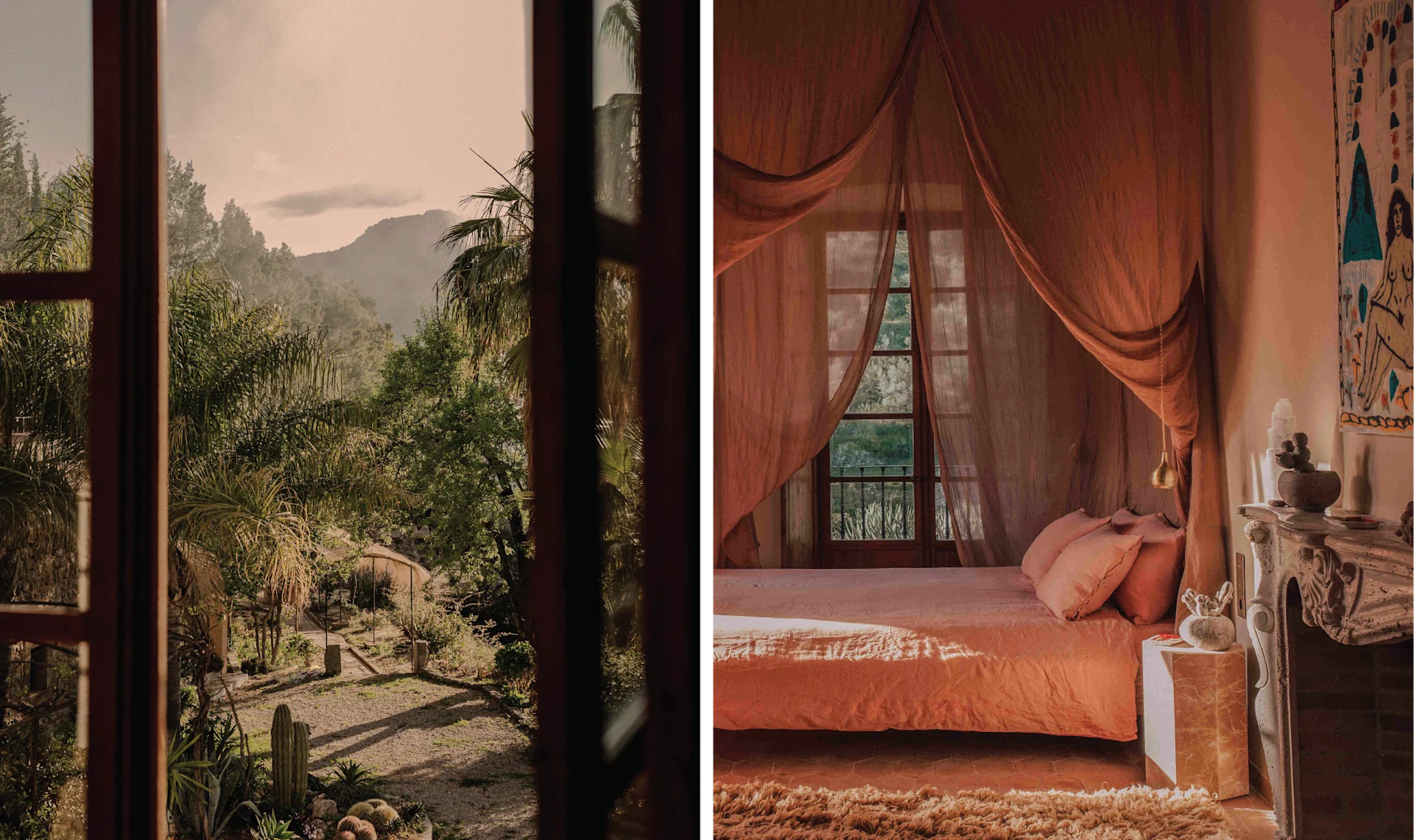
In 1838, Frédéric Chopin and his lover, the French writer George Sand, spent a winter in the Mallorcan town of Valldemossa while the pianist and composer—a leading figure of the Romantic era—convalesced from tuberculosis. While their time on the island was less than idyllic (the weather was wet and cold and one can imagine that the locals weren’t exactly welcoming to the unmarried, cigar-smoking Sand), the young writer described the island’s landscapes as “leav[ing] nothing to be desired and nothing to the imagination” in her 1841 autobiographical novel “A Winter in Majorca.” She wrote: “All that a poet or a painter might dream of, nature has created here.”
A century later, the American novelist Gertrude Stein likewise described Mallorca as a paradise, inspiring one Robert Graves to escape a WWI-devastated England for the hilltop town of Deià. The writer and poet would remain there until the end of his life, writing dozens of novels and inspiring a legion of other artists including actress Ava Gardner and novelist Gabriel Garcia Márquez to set up shop in the mountain hamlet, where his influence can still be felt today in the smattering of creative businesses like artist studios and ceramic shops. “I found everything I wanted as a writer: sun, sea, mountains, spring water, shady trees, no politics, and a few civilized luxuries…” he wrote about his expatriate life.
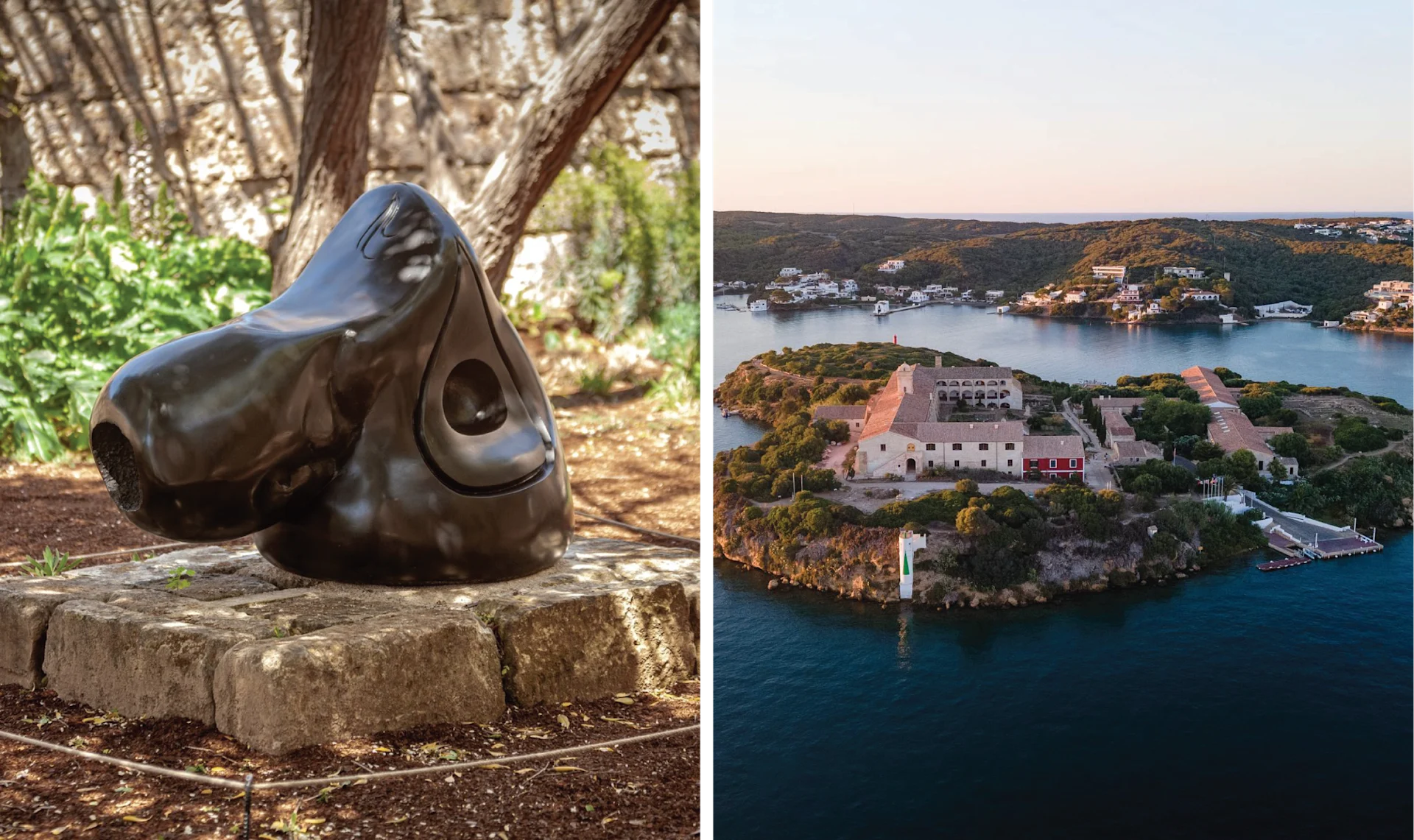
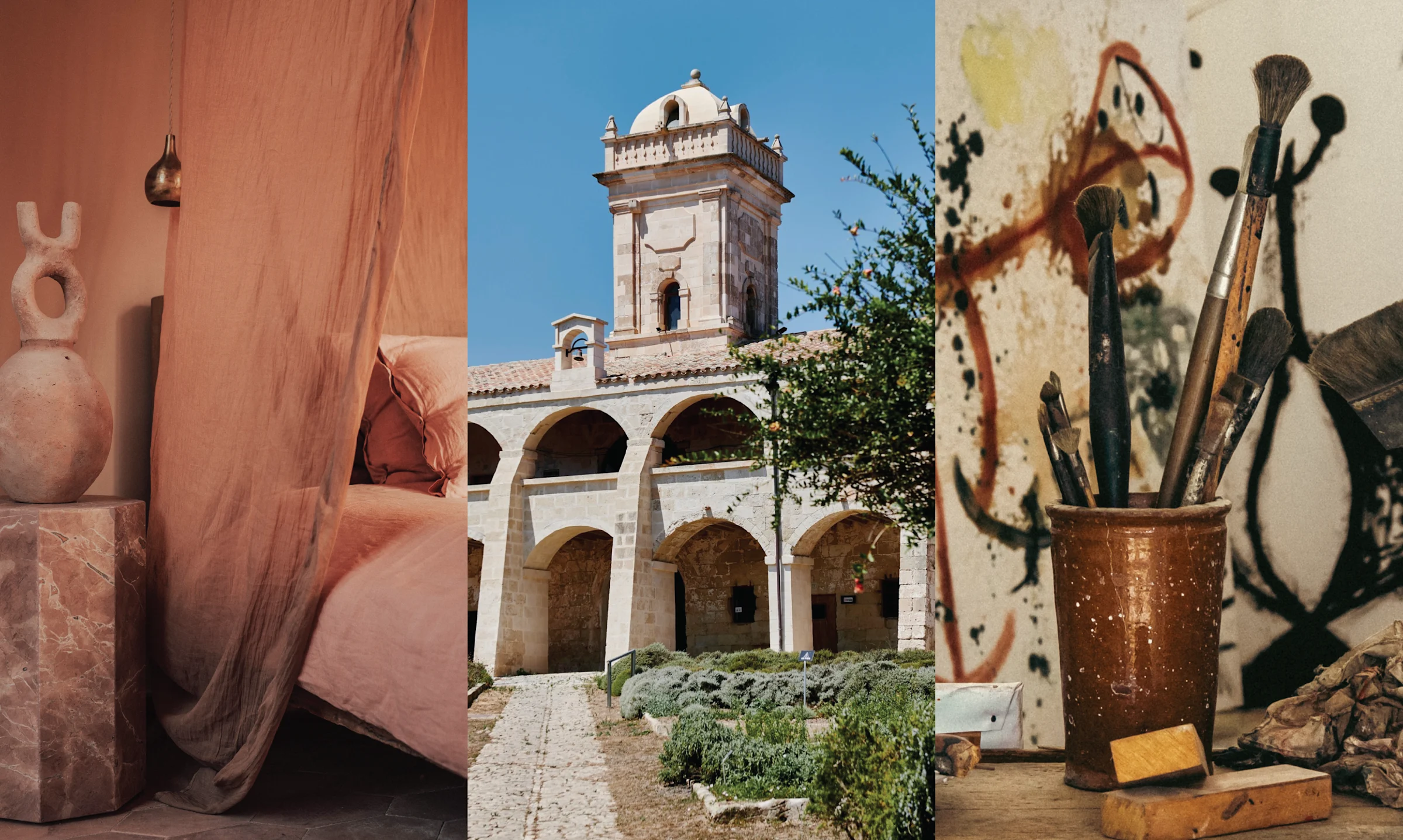
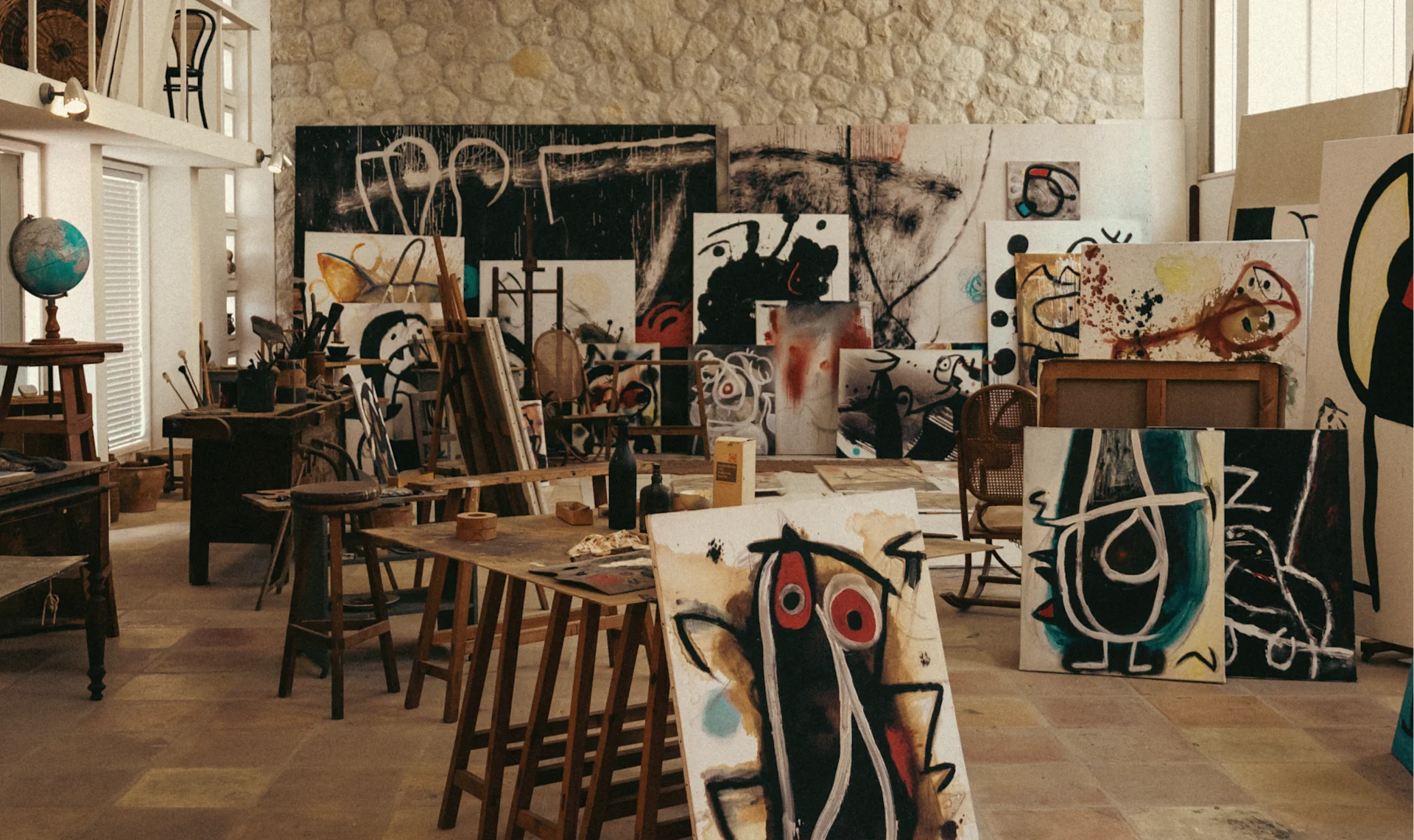
Beginning in the 1940s, the Balearics became a refuge for artists escaping the fascist grip of Spain under dictator Francisco Franco. Barcelona-born painter Joan Miró and his family hid from Franco’s mainland in Mallorca, where he lived for nearly 30 years until his death in 1983. Today, travelers can visit his former home and studio in Cala Mayor, on the western outskirts of Palma, where the artist used brooms, brushes and his fists to apply paint to large-scale canvases that typify his colorful, expressive style.
Like the Romantics of the 18th century, the artists and free-thinkers of the 1960s were also chasing utopia on the Balearic Isles. Joni Mitchell, the Rolling Stones and Yves Saint Laurent were among the A-Listers who reveled in Ibiza and Formentera’s free-love spirit and contraband culture. Cementing the islands’ free-wheeling reputation was the 1969 Barbet Schroeder film More, which depicted love and drugs in the Ibizan countryside to a soundtrack by Pink Floyd. “I wanted to live,” begins the film’s voice-over narration. “... I wanted to be warm. I wanted the sun and I went after it.”