Air travel is rebounding. US airlines operated some 461,000 flights in March, not quite at the pre-pandemic March 2019 level of 583,000, but far above the Covid-19 nadir of 180,000 flights last May. Jet bridges are log jammed and cabins are full, which means security queues are gridlocked—just like in before times. In fact, the Transportation Security Administration (TSA) reports that airport screenings hit a 2021 daily high the week of June 7, of just under 2 million passengers, thanks to a cocktail of Pfizer, Moderna, nationwide heat waves and hugely pent-up demand.
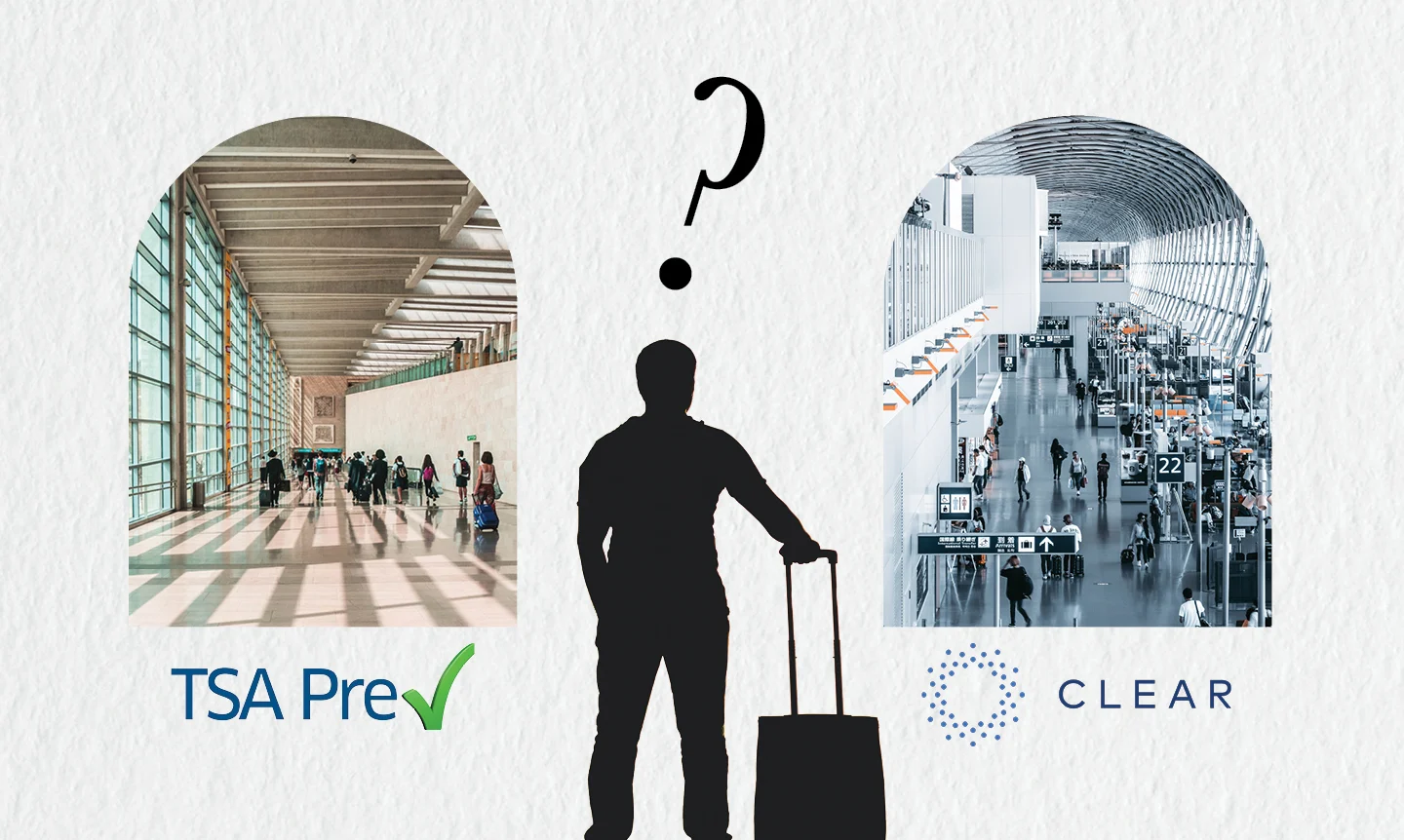
American travelers have two options for avoiding those theme-park-like Tensabarriers herding crowds through security screenings: the TSA’s own PreCheck program and the private CLEAR program.
Both programs allow passengers to skip lines. CLEAR cuts precious minutes spent verifying identities and travel documents, so there’s no fumbling with passports, visas, and boarding documents—jump right into the X-ray screening. (CLEAR also works at a few major stadiums and arenas across the country.) Meanwhile, PreCheck accelerates the actual physical screening phase by letting passengers skip disgorging laptops and liquids, not to mention removing shoes, belts and light jackets.
HOW THEY COMPARE
Here’s a comparison of the major plusses, minuses, and fine points for both programs.
TSA PRECHECK
Eligibility: US citizens, US nationals, certain permanent residents
Age requirement: 12 and over; kids under 12 with a PreCheck adult
Cost: $85/5 years
Number of US airports: more than 200