Jiggly, milky, and buzzing with caffeine, boba is perhaps Taiwan’s most famous export. Also called bubble tea or zhenzhu naicha (珍珠奶茶), the combination of milk tea and dark, syrupy tapioca pearls has become a canvas for innovation and experimentation around the world. Today’s menus offer a kaleidoscope of tea varieties and toppings, from traditional grass jelly to cold foam and popping pearls. In the United States, the Asian American “boba generation” has affixed cultural meaning to the drink as it grew in popularity over the 2000s, creating new shops and variations. But nothing compares to drinking boba in Taiwan itself, where widespread boba consumption and a centuries-old tea culture have combined to create a cutting-edge, ever-evolving market shaping the rest of the world, as Taiwanese chains expand beyond their borders.

As a writer and editor focusing on food culture, I’m professionally obligated to look for meaning in what we consume. But boba is a singular fixation. It’s infinitely adaptable, as each shop asks for your preferred ratio of ice and sugar, and the combination of tea and toppings means it doubles as both a snack and drink. While I’ll never be free of my morning coffee, bubble tea is also the perfect afternoon ritual, providing a pick-me-up with a bit of chew. When my girlfriend Shirley and I began planning a trip to Taiwan to spend Lunar New Year with her family, I immediately knew our trip would be largely fueled by the stuff.
Boba is everywhere in Taiwan. A single intersection might have three or four shops, each with their own seasonal drinks and snaking line. Scooters and sidewalks are studded with boba carriers, essentially a cup holder attached to a strap that allows you to loop the drink around your wrist for easier transportation. (Some taxi drivers even use them to secure portable speakers to the back of headrests…genius.)
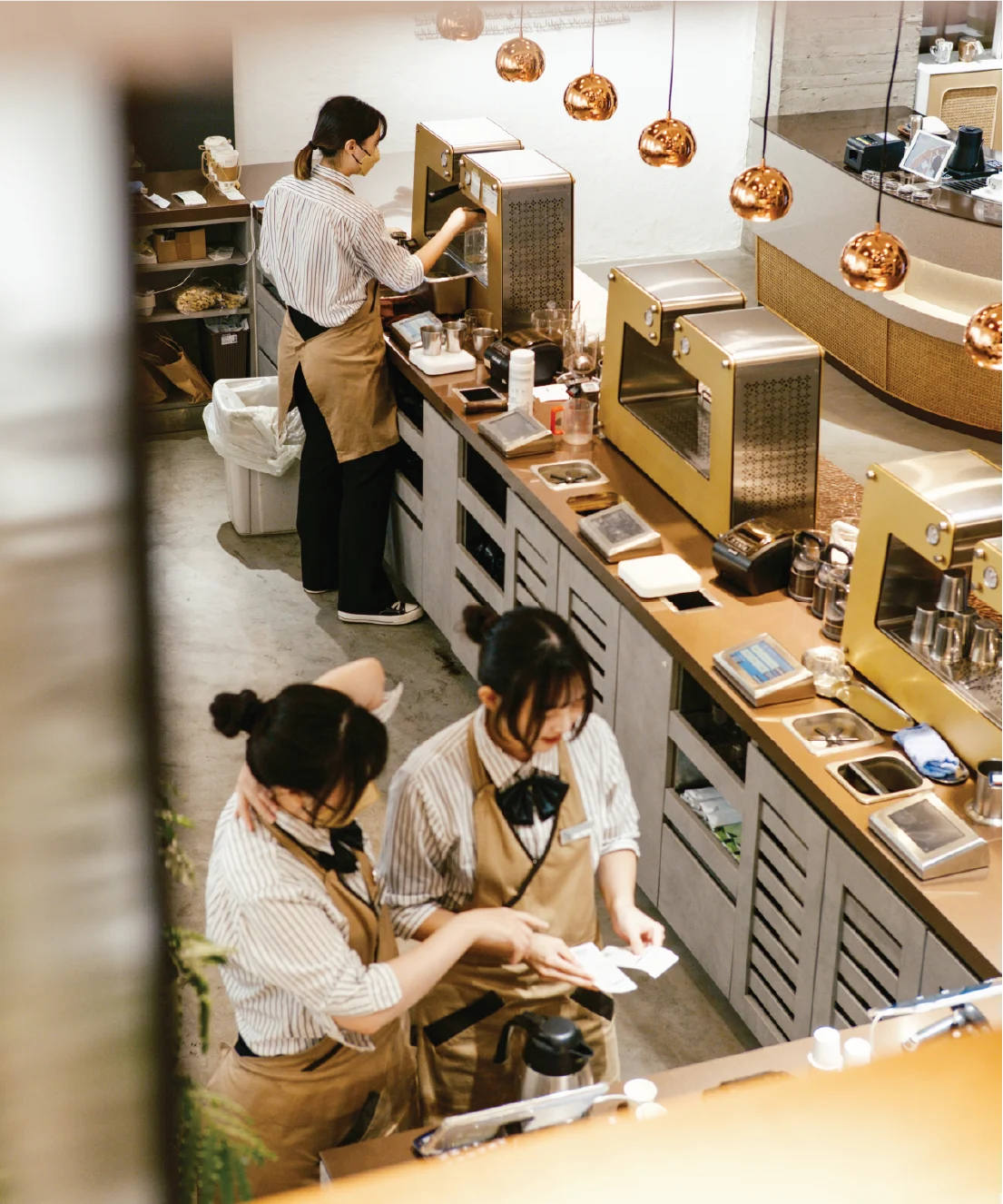
Contemporary Taiwanese boba culture is driven by a sort of “third wave” boba scene, led by smaller chains dedicated to showcasing single-origin Taiwanese teas (similar to that of coffee’s most recent era, highlighting beans whose flavor profiles reflect hyper-local climates of origin).
The subtropical island’s particular combination of climate and geography — cool, moist air and high-altitude mountains — is ideal for growing tea, from high-mountain oolong to Sun Moon Lake black tea. These seasonal and precious teas are brewed through gleaming Teapresso machines that quickly brew concentrated tea powder using hot water and pressure, similarly to espresso machines and coffee beans.

Odd One Out is an excellent first stop to tap into Taiwan’s contemporary boba culture. The cult-followed small chain is dedicated to showcasing seasonal single-origin Taiwanese teas, from hand-rolled jasmine tea grown in Pinglin to velvety red oolong grown in Taitung. The flagship location in trendy Da’an is a sleek split level storefront, with a golden Teapresso machine stationed on the chunky marble bar next to a menu detailing drinks like the bestselling TW 22' Champion Milk Tea (as the name suggests, the winner of the 2022 Taiwan Milk Tea Festival) and seasonal grapefruit oolong, alongside boba variations like jasmine silk and honey cube.
Besides tea flavor, texture is a critical component to bubble tea. In Taiwan, the squishy, chewy, pleasurably gelatinous texture that accompanies well-cooked tapioca pearls is called Q, or QQ for emphasis. As Leslie Nguyen-Okwu writes for Eater, “Like the Italian notion of al dente, Q is difficult to master and hard to capture — boba with the right Q factor isn’t too soft or too bouncy, but has just the right amount of toothiness.”
The grapefruit oolong is deeply fruity, with small pieces of fruit swirling around the bouncy, truly QQ squares of honey cube boba. The milk tea is perfectly balanced, with a tannic, botanical tea flavor and long rectangles of soft, aromatic silk boba. At around $120 NTD a cup, it’s almost three times more expensive than the big chains like TenRen and 50Lan. The difference comes down to the quality of the tea itself — signs on the wall explain Odd One Out buys tea at 4-6x the price of most brands. Still, it’s almost $5 cheaper than the same cup at the brand’s US location.
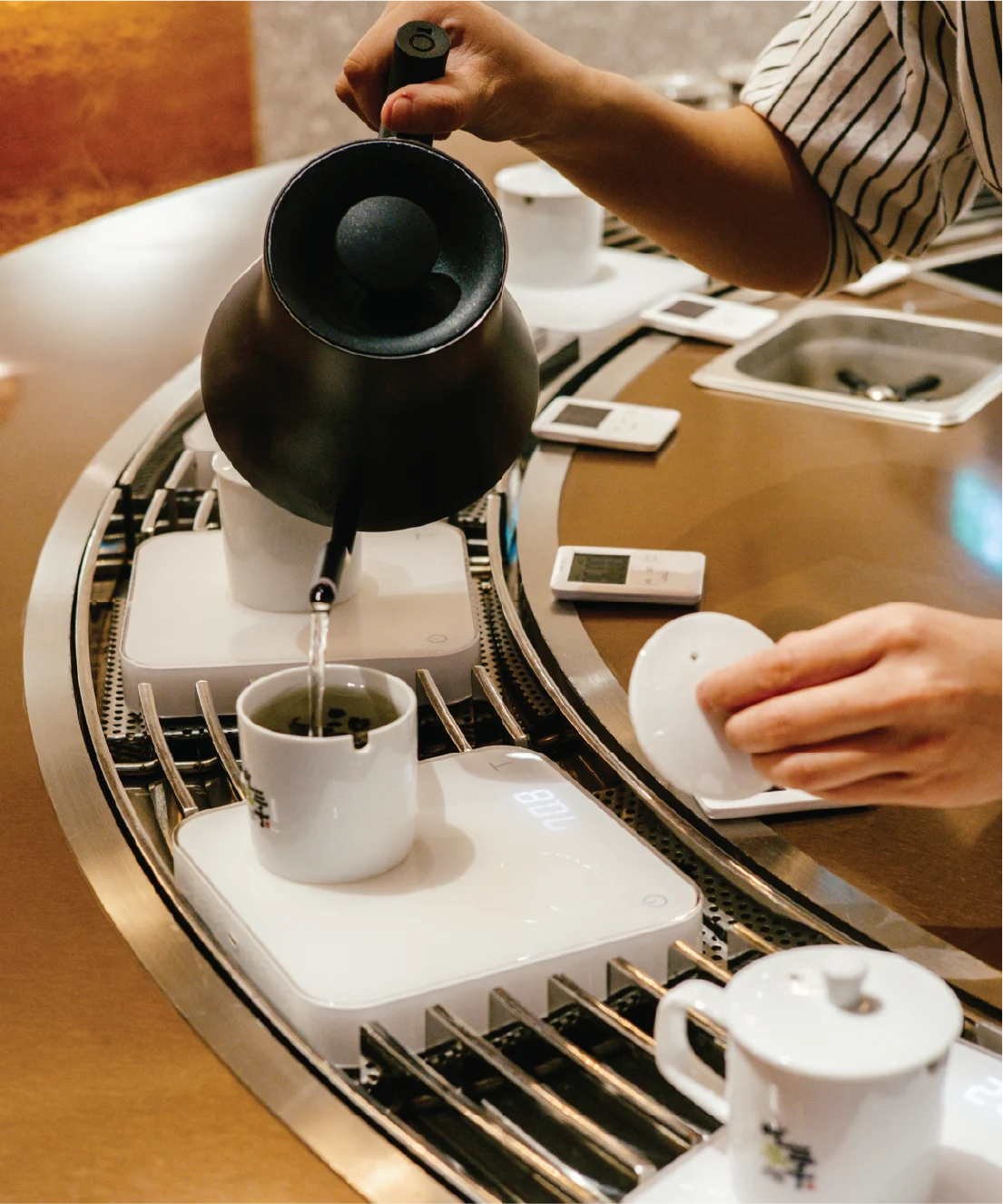
Another big player in the single-origin boba scene is Chicha San Chen. The Taichung-based chain is on a recent expansion kick, with over 100 locations worldwide. It’s impossible to walk past their NYC location without spotting a line snaking through Chinatown, but approaching the flagship store in Taichung, it’s clear this is a whole other level. A flourishing tea garden showcases the botanical origins of each cup on the third floor, while a fleet of female baristas in striped shirts and dark neckties stand at a row of gleaming Teapresso machines below.