On this Earth Day, the undeniable facts bear repeating: Tourism has the third-largest environmental effect of any industry in terms of energy consumption, with hotels ranging among the top five most energy-consuming buildings in the service sector. But the next time you check-in doesn’t have to be a carbon crisis. In fact, as hotels and resorts around the world begin to take an honest look at their impact, it’s becoming more and more possible to actually do some environmental good when you travel. These eight properties are making big moves for the planet: Some are at the forefront of green architecture, while others are a means to serve a bigger mission—to save forests, oceans, and vital habitats. All go well beyond paper straws and low-flow showerheads to truly protect our precious home. After all, it’s the only one we’ve got.
Soneva Fushi, Maldives
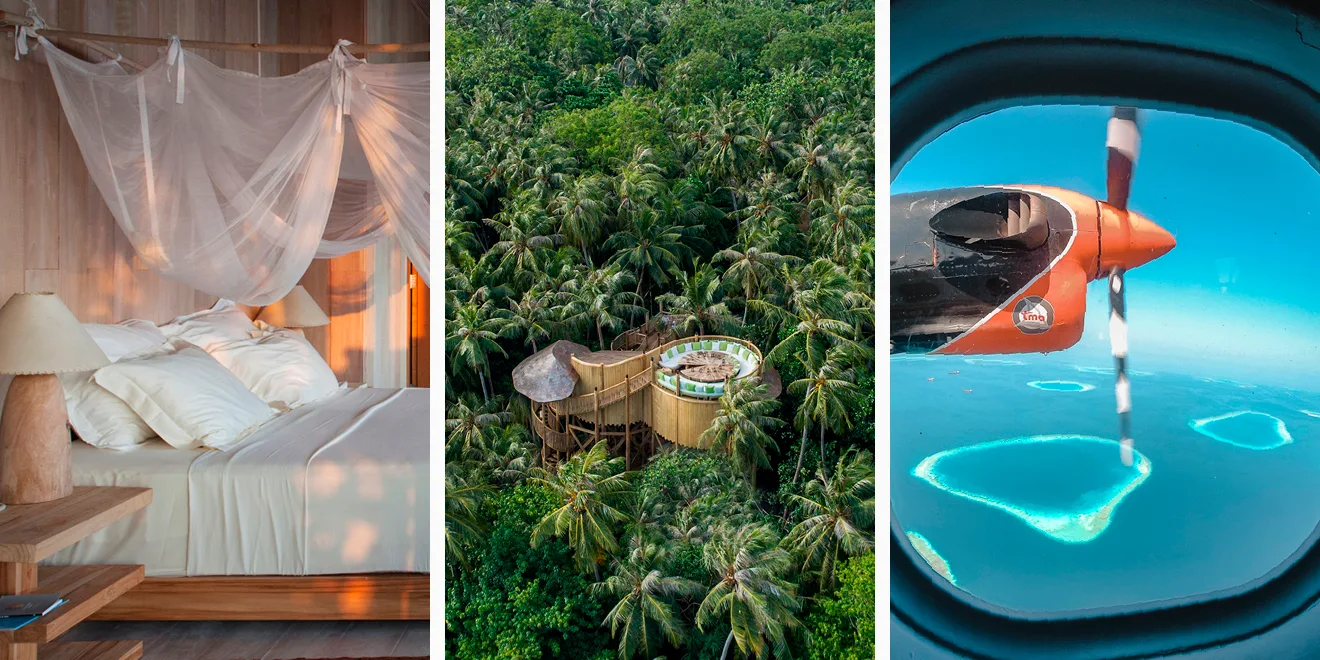
The future is especially precarious in the Maldives, where studies have shown that 80 percent of the entire nation could be underwater by 2050 if sea levels continue to rise at their present pace.This private-island resort is working to save not just itself, but all 1,200 islands in the archipelago. Already a leader in sustainable hospitality for its comprehensive waste reduction systems and organic farm, Soneva Fushi will soon become the home of SCI:ENCE, short for Sustainability and Conservation for Island Ecosystems through Nurturing Collaborative Endeavors. The research center’s team is at the helm of dozens of initiatives, including coral propagation (using 3-D printers to restore and regrow damaged reefs) and a mosquito management program that has nearly eradicated the ecosystem-threatening invasive species. The best part of all is the widespread impact: All research outcomes and ensuing initiatives are shared with the Maldives' other resorts and islands.

Potato Head Studios, Bali, Indonesia
Sustainable building takes a village—or, in the case of this Seminyak property, a desa (that’s the Indonesian word for village). Desa Potato Head is the utopian community of entrepreneur Ronald Akili, who has called his 7.4-acre estate a “creative playground.” At the heart of it are the Potato Head Studios, constructed from handmade breeze blocks, terrazzo from recycled concrete, and ceiling panels woven by local craftsmen from 1.7 tons of recycled plastic bottles. Guests of the 168 suites are gifted Zero Waste Kits, which include reusable water bottles and lunch boxes made from 100 percent recycled material. Elsewhere, the zero-waste ethos continues, from the Beach Club, which has been certified climate-neutral by the United Nation’s Climate Neutral Now initiative, to the Sustainism Lab, where artisans give waste a second life, from artwork and building materials made out of recycled flip-flops to hammocks fashioned from recycled plastic fibers.
Limalimo, Ethiopia
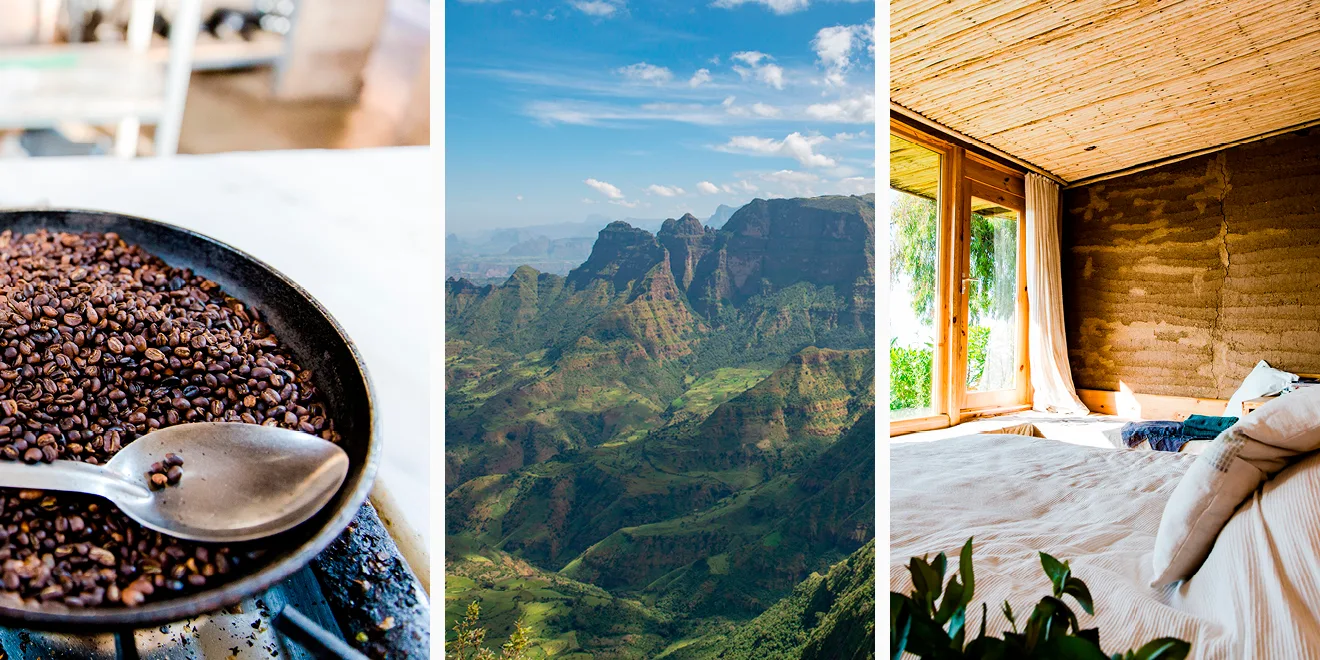
Before Limalimo safari-goers in Ethiopia’s Simien Mountains National Park had to make do with low-budget ecolodges. But with this 14-room safari camp set on 30 private acres, owners Shiferaw Asrat and Meles Yemata, two Ethiopia natives (and safari guides) from the nearby town of Debark, have made something both luxurious and sustainable. Mother Earth was the building block for the camp, which was constructed from rammed earth bricks made by more than 150 locals who were trained, or “upskilled,” in this and other sustainable techniques. The resulting design is modern and clean, blending in flawlessly with the surrounding Simian escarpment. Of course, Limalimo isn’t all form—it’s sustainably functional too: Waste is treated through an on-site biowaste system, greywater is used to maintain the grounds, kitchen waste is composted wherever possible, and electricity is provided through renewable sources and solar panels. Little luxuries are conscientious too, with everything from the coffee and wine to the sheets on the beds sourced from Ethiopia.
Isla Palenque, Panama
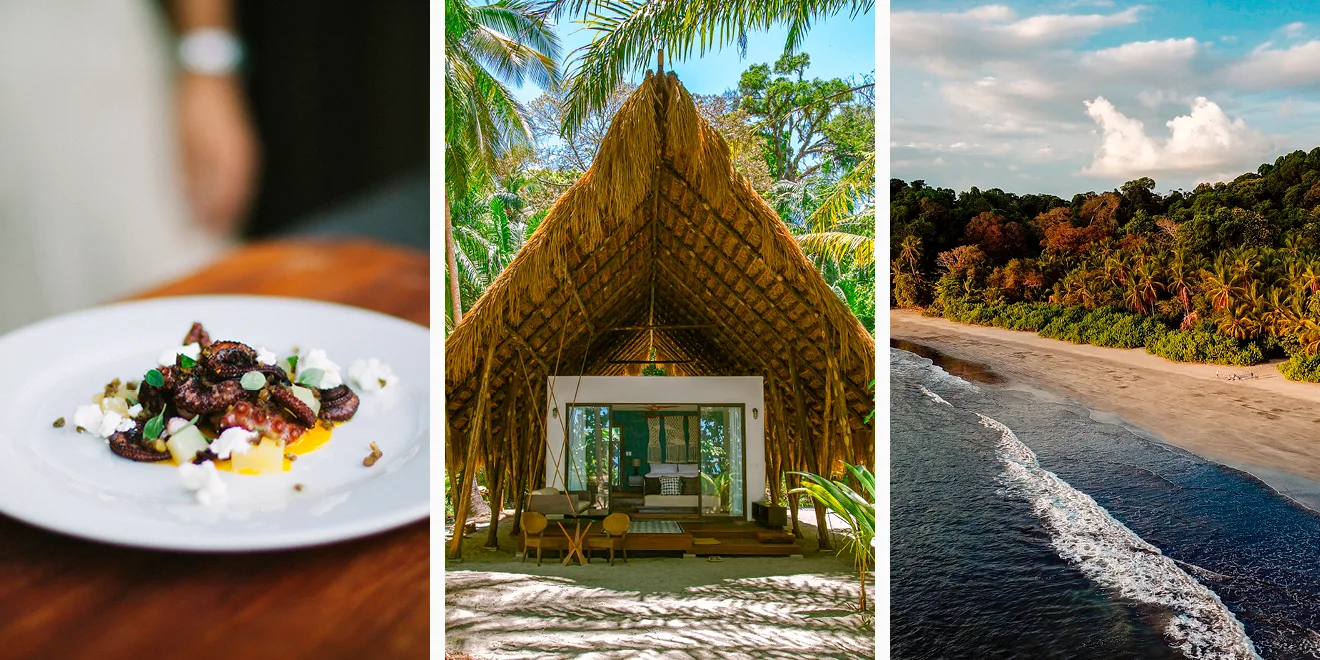
Part of the Cayuga Collection, which pledges an “ultra-local” ethos, Isla Palenque is nestled into a 400-acre private island off Panama's Gulf of Chiriquí, yet the resort claims just five percent of the land—the rest of which has been carefully reforested to bring back a thriving population of howler monkeys, iguanas, and dozens of exotic birds. Isla Palenque follows Cayuga’s thorough sustainability model, purifying wastewater for use in a drip irrigation system that supplies its organic farm and orchards, and maintaining a strict anti-plastic policy (enacted long before the paper straw trend hit, it should be noted). The electricity? Solar-powered. The furniture? Crafted in the on-site woodshop from naturally felled wood around the island. And the seafood? Always fresh and wild-caught through the Dock to Dish program supporting local fishing communities. Not only has everything been accounted for here—it’s all transparent too, with the resort inviting guests on back-of-the-house tours to see just how green a hotel can be.
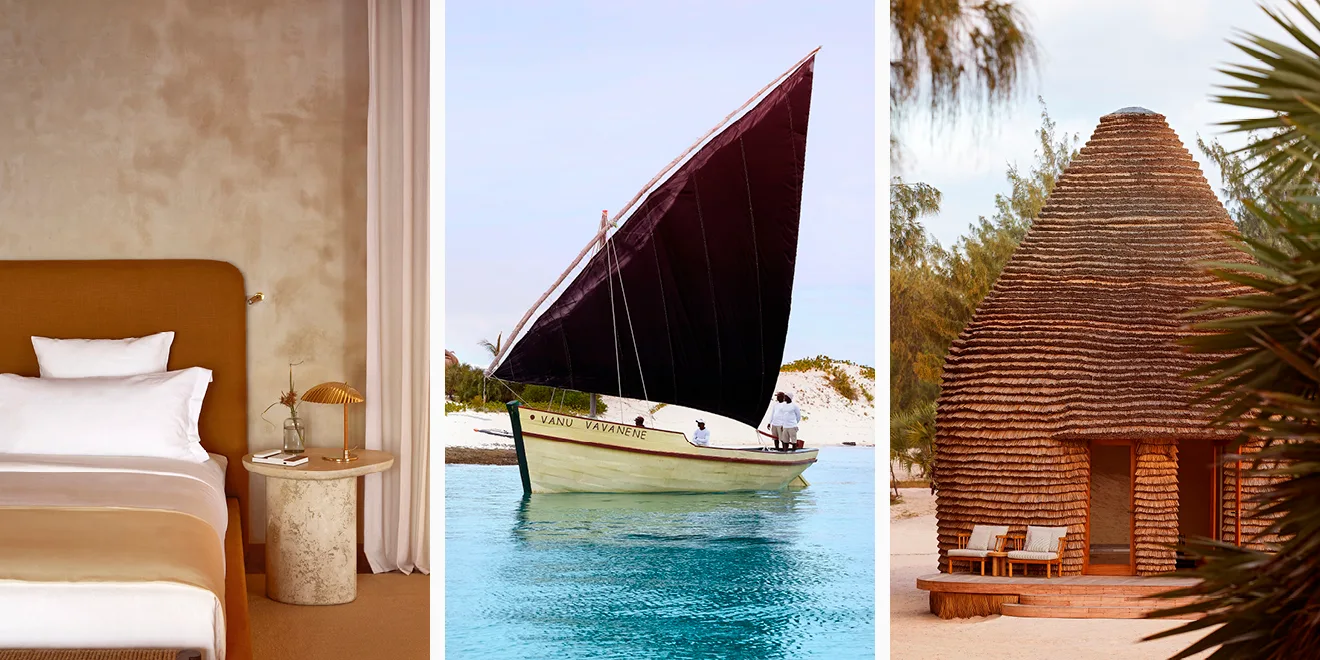
Kisawa Sanctuary, Benguerra Island, Mozambique
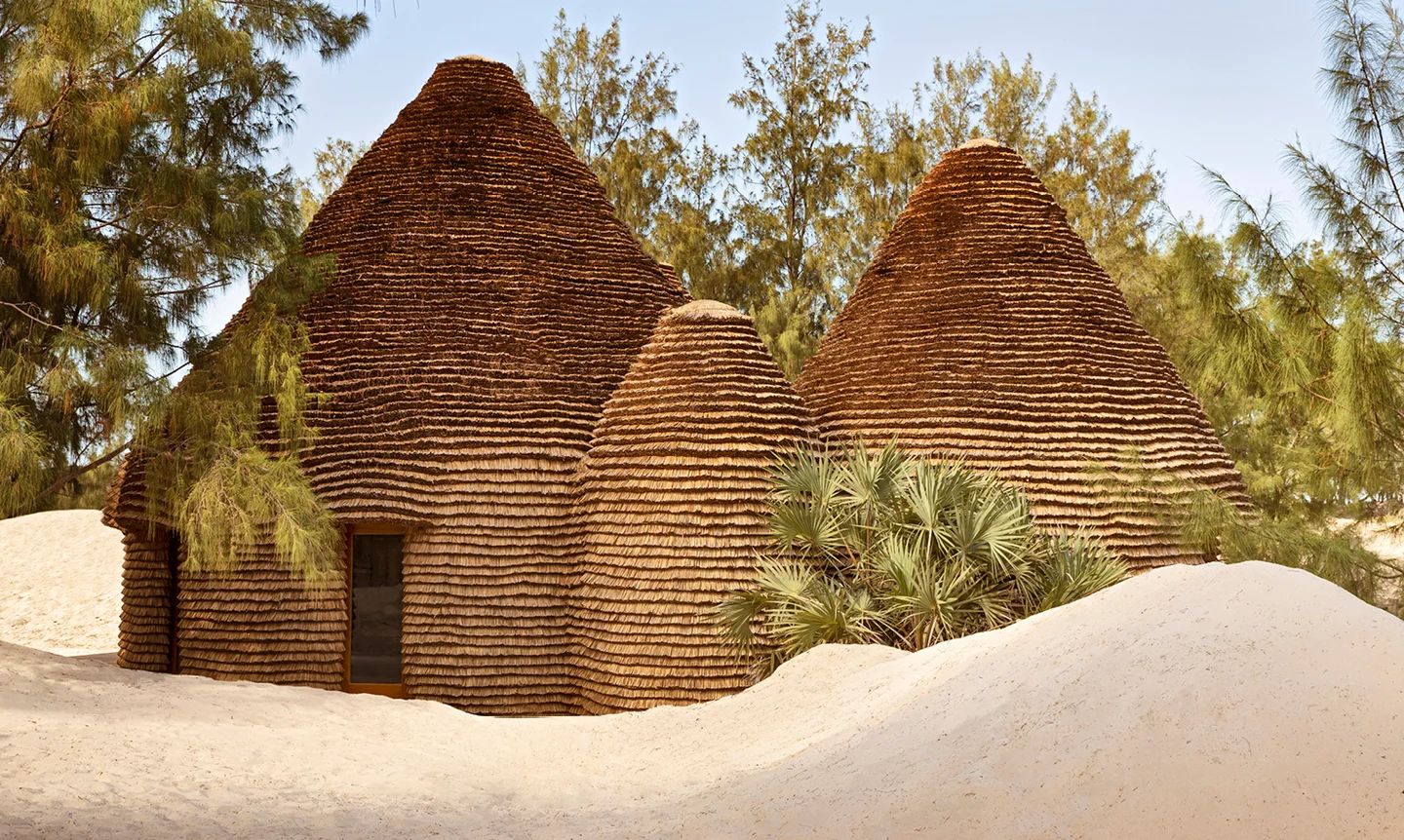
Believe it or not, the undulating sand-dune-like villas at Kisawa Sanctuary are actually cutting-edge architecture. The construction materials were created from the island’s own sand and saltwater, which created a natural mortar. This was fed into a patented 3D sand-printing technology, resulting in decorative structures and cladding built using 3D-printed components. A visionary who colors outside the lines, owner Nina Flohr didn’t stop there: Her 740-acre resort’s construction team was roughly 80 percent local, using recycled plastic, native grasses, and other readily available and environmentally sensitive materials to build as green as possible. (Anything that wasn’t local was transported by dhow, or traditional sailboat, to reduce emissions.) But Flohr’s most enduring contribution is the Bazaruto Center for Scientific Studies, a solar-powered marine research facility funded by Kisawa’s profits. Guests of the resort are invited to assist Bazaruto’s scientists as they monitor ecosystems and ongoing climate change in the region; they can even join the experts in tagging sea turtles and collecting vital data about fish.
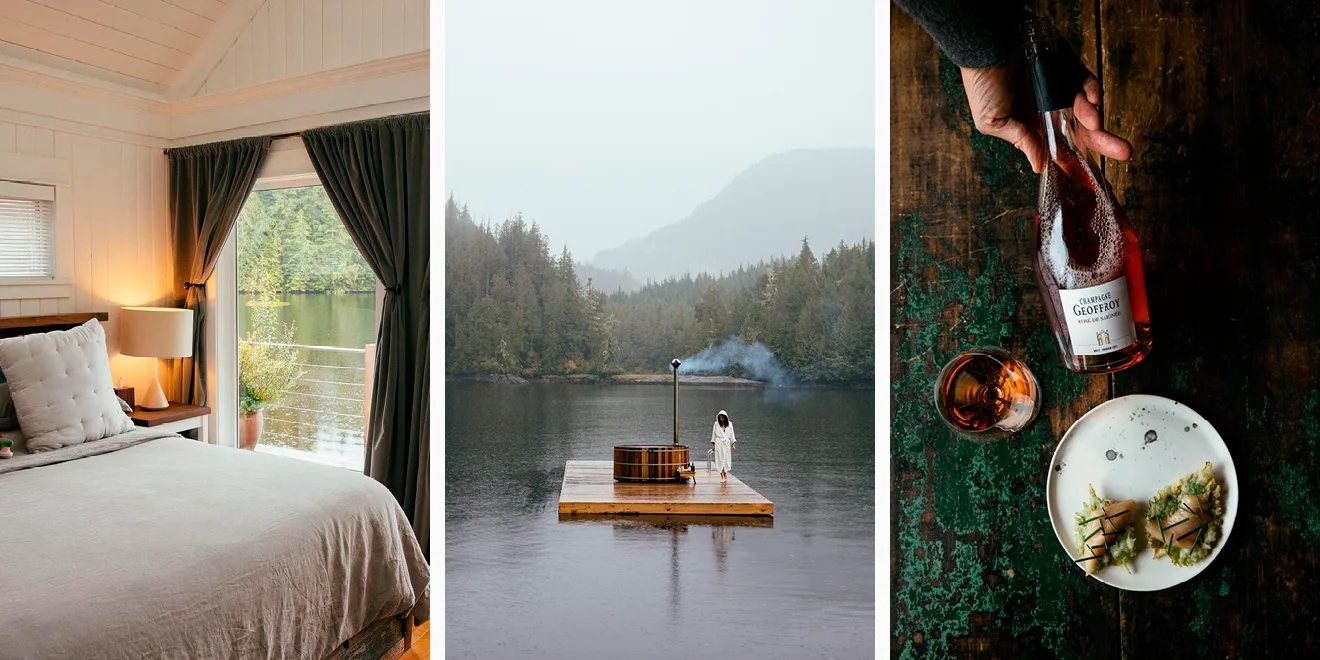
Nimmo Bay Wilderness Resort, Great Bear Rainforest, Canada
To create Nimmo Bay a nine-chalet wilderness retreat in the heart of British Columbia’s Great Bear Rainforest, owners Craig and Deborah Murray chose not to build into the forest, but rather out over the shores of the Pacific Ocean. The resort, which sits atop a series of floating docks, is powered entirely by a hydropower system fueled naturally by streams and waterfalls, and 100 percent of its drinking water comes straight from the source. Having succeeded in maintaining a consistently low carbon footprint at their resort for years, the Murrays are now investing in more widespread conservation projects, including Sea to Cedar, a research program that collects data on salmon genetics to protect the species from overfishing, and funds research using local bear DNA to establish park boundaries that allow the animals to thrive. Nimmo Bay has also launched Bullets for Binos, a program that incentivizes hunters to forfeit their hunting licenses in exchange for a free bear safari in the wild. So far, they have collected 10 licenses.
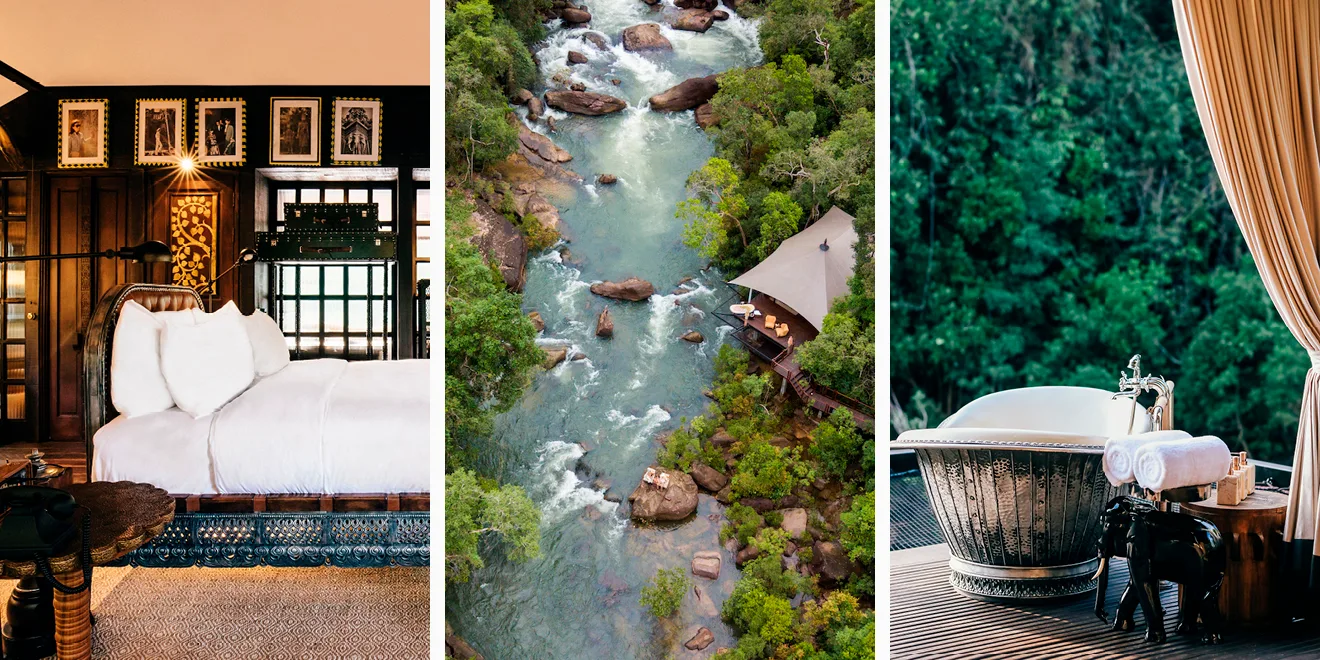
Shinta Mani Wild, Cambodia
Architect Bill Bensley had been designing hotels for decades when he purchased 865 acres of dense jungle in the Cardamom National Park of Cambodia in 2010. His goal at first was not to build anything, but rather to put an end to the logging and poaching that had ravaged this land and the more than 50 threatened animal species that lived there. Eight years later, in 2018, Bensley successfully combined his passion with his talents to create the 15-tent Shinta ManiWild which today serves as a model for high-yield, low-impact tourism. Not a single tree was felled during its construction, and the camp bans single-use plastics, but most notably, the property funds an on-site Wildlife Alliance ranger station that protects the area. In the five years since its opening, rangers have released more than 100 captured animals back into the wild and confiscated thousands of snares, chainsaws, and other tools of loggers and poachers who, without Shinta Mani, might have otherwise destroyed this delicate ecosystem.