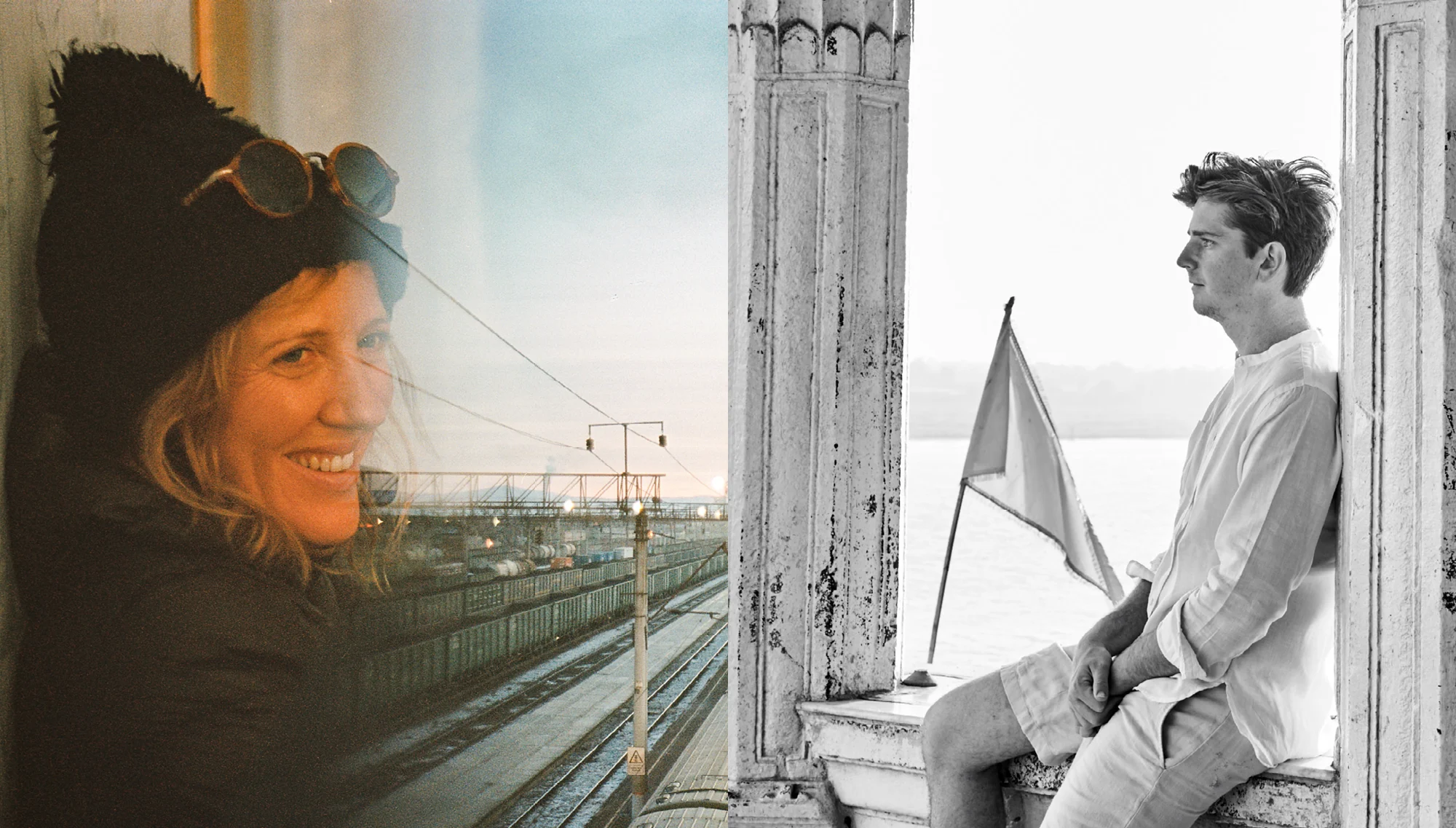
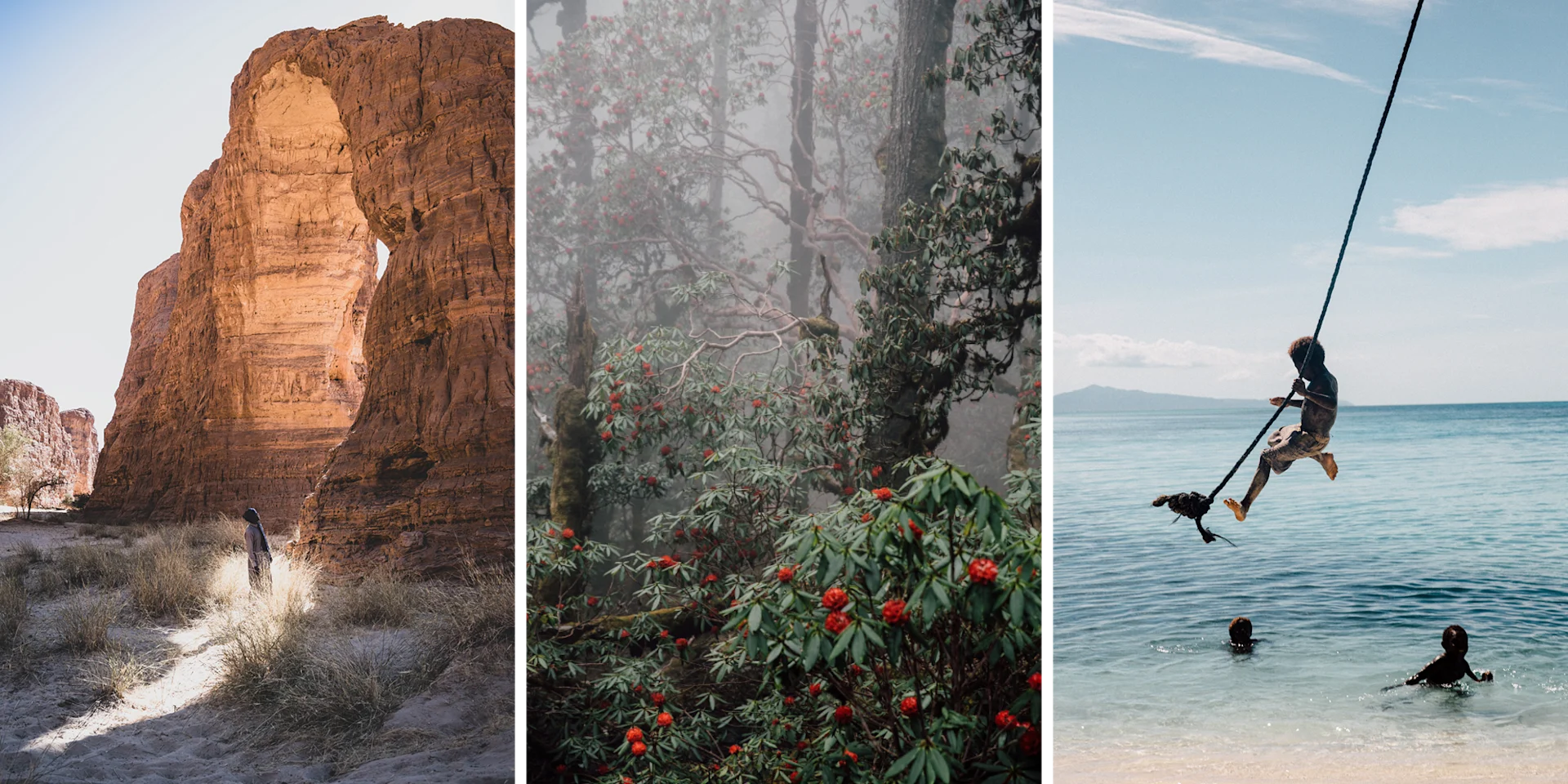
Take one look at Sophy Roberts’ spellbinding Instagram, or better search out her reporting, and you’ll be instantly transported to somewhere else in this world. In a given moment, she’s in the lush jungles of the archipelago nation of São Tomé and Príncipe, then with the communities of coastal Papua New Guinea, and most recently, helicoptering through the Ennedi Massif in Chad. Wherever she goes, Sophy shines an intense spotlight on that place and its culture, through good old-fashioned, swashbuckling travel writing but also with a keen sense of modernity and often a loving gaze. She’s at once an adventurer-meets-anthropologist-turned-explorer from another era and the contemporary conscience of the travel industry.
This interview has been edited and condensed.
DP: I guess we need to start from the beginning. How did you end up writing about travel?
SR: I started writing about travel by accident. I studied at Columbia School of Journalism. I wanted to work in conflict journalism, but I had to find a job quickly to pay back some money to pay my debts. Condé Nast Traveller was just launching in the U.K., and I was lucky to be part of the launch team. I have always believed that people are generally more interesting than places — people’s stories give a place life. Conflict journalism is truly about people. It's about humanity, and humanity suffering, isn’t it? It’s the human experience at its most intense. I worried travel writing was a lazy get-out at first, but as I got braver and stronger, I started to realize that I could find important stories through the act of travel – without necessarily getting shot at.
DP: Before you did more intrepid culture and destination focused reporting you were more focused on traditional luxury travel. How did that evolve?
SR: When I started at Condé Nast Traveller, it was with a team of brilliant journalists who had very little experience in travel, which was both a hurdle and an opportunity. The benefit was that my colleagues’ minds ranged widely; they saw travel as an entry point into all sorts of issues and lifestyles, which I still believe it is. But the other side of it was that they had little knowledge of the industry: the hotels, the cruise lines, the nuts and bolts of the holiday companies that make vacations happen. Since I was the coffee maker — I was like the Super Junior — I was the person that went to all the PR events. I built up a good address book. But I was also unhappy. I left two years to the day after taking the job because while I was grateful for the opportunity, it wasn’t quite the storytelling I was hoping for.
When you’re at the bottom of the scale, you’re doing the humdrum hotel reviews — the bread and butter of the tourism industry — and writing from press releases. I wanted to focus my storytelling on people and my own experiences.
I immediately went into freelancing to see what was out there and what I could do. But the reality is, I had to make money in the industry that existed, and all the money was in the luxury sector.