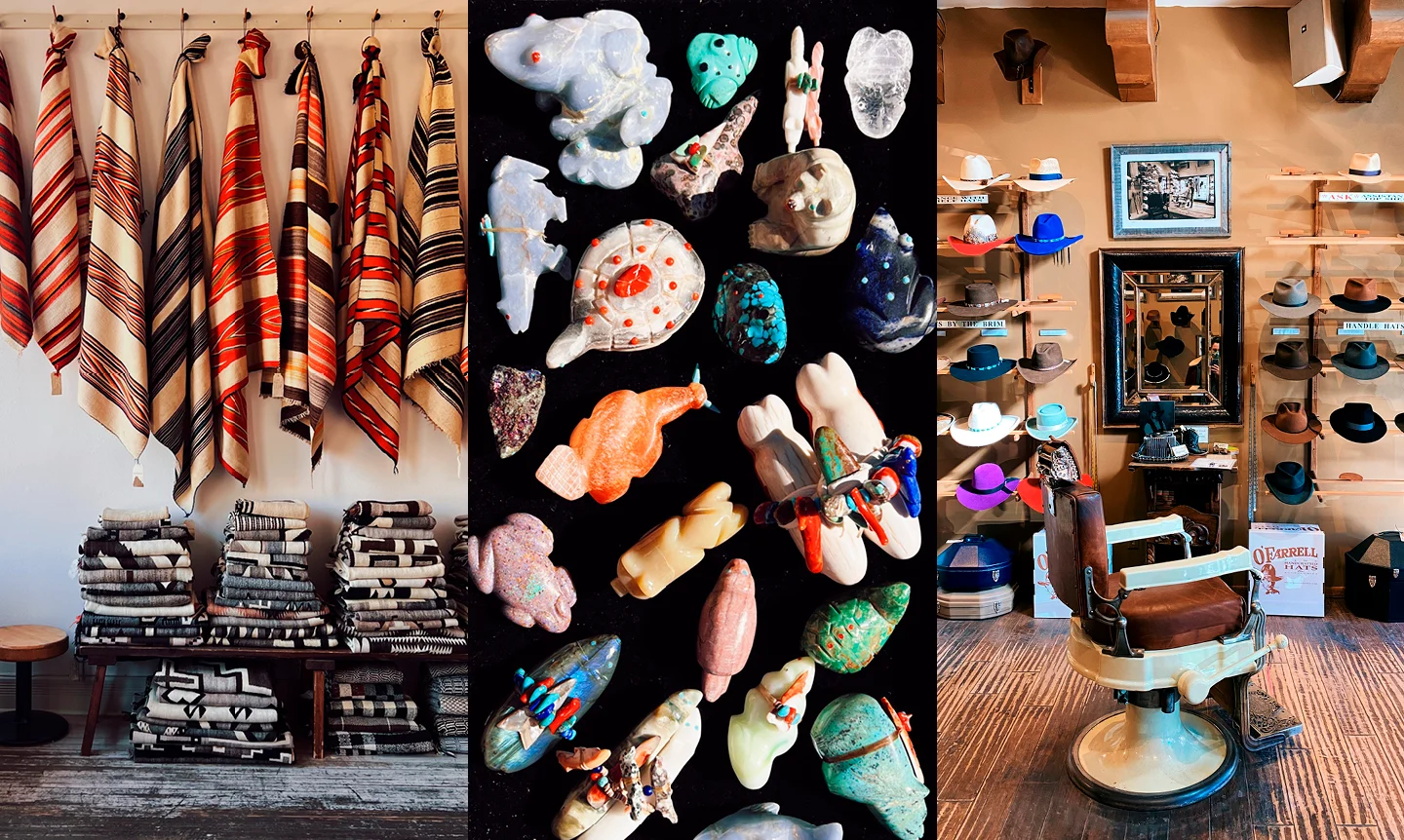
The oldest capital city in the United States, Santa Fe casts an entrancing spell of Southwestern culture and history. Martian mountainscapes and the psychedelic quality of the high-desert light serve as perfect backdrops for the New Mexican metropolis’ heady mix of pueblo-style architecture, abundant Indigenous heritage and cattleman swagger. Beyond the gift shops of Ghost Ranch or the Georgia O'Keeffe Museum, Santa Fe is increasingly a mainstay shopping destination for authentic Cochiti pottery figures, bespoke Western fedoras and antique Chimayo weavings. Case in point: From August 17 to 21, the Santa Fe Indian Market is celebrating its 100th anniversary as a global mecca for antique and contemporary works by hundreds of Native American artisans. But whether you’re shopping for silver arm cuffs assembled on the spot by local craftspeople in the Historic District or modernist Japanese bamboo baskets sold at one of the pricier art galleries, a spectacle of multicultural handcrafted traditions is the throughline woven throughout the city’s eclectic retail landscape. Taken all together, it’s a fever dream of folk arts and crafts, old and new, as singular as a Santa Fe sunset.
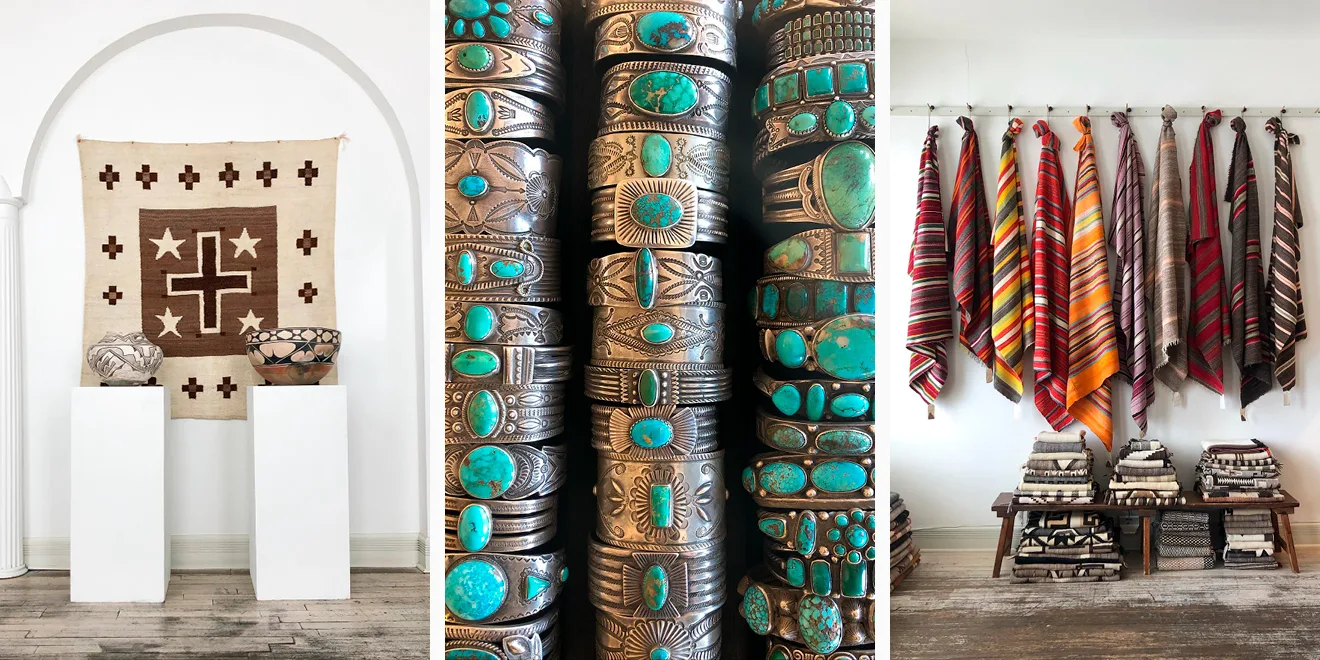
Shiprock Santa Fe
Over the past three decades, Navajo art dealer Jed Foutz, a dealer of historic and contemporary art and home furnishings made by Native American tribes of the Southwest, has transformed Shiprock Santa Fe gallery into something of a retail landmark for the city. Navigating the historic treasures on display — Navajo rings with turquoise stones, Zuni inlay pins, San Juan native-clay bowls from the 1930s, saddle blankets from the turn of the 20th century — is thrilling, but the spectacle of historic high art comes with a hefty tag. True to the city’s mix-and-match aesthetic, Shiprock also sells an impressive collection of mid-century furniture, ranging from hand-carved Spanish colonial wooden chairs to modernist masterworks by George Nakashima,
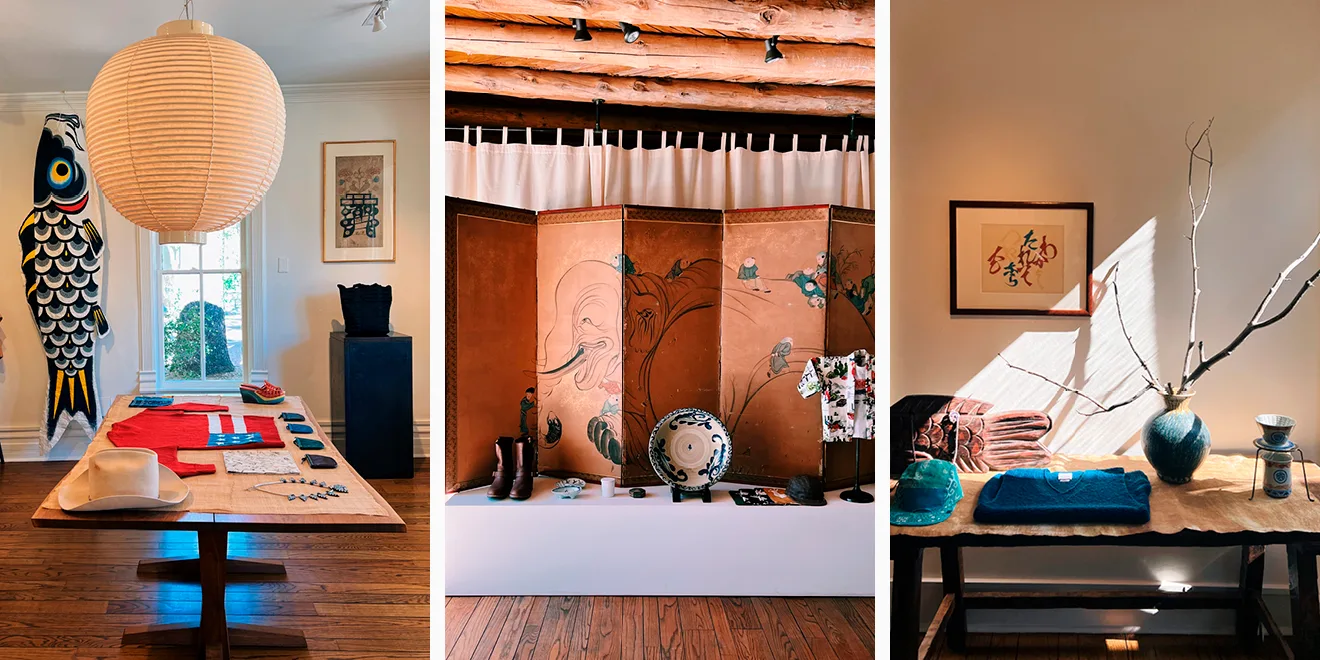
VISVIM Santa Fe
Visvim, an experimental clothing label that combines a Japanese design sensibility with a folkwear twist, has developed a cult following among both high fashion and streetwear enthusiast for its unexpected use of materials, such as moccasins made from reindeer suede or quilted shorts assembled from mud-overdyed bandanas and bamboo buttons. Hiroki Nakamura, the label’s designer, has said he wants his hand-stitched assortment of sailor pants crafted out of specialty “damage-processed” cotton with water buffalo horn hardware or sneakers with an aged patina— the result of being buried in the Santa Fe soil for weeks— as “future vintage.” Fittingly, Visvim forgoes the typical seasonal fashion calendar. Instead, Nakamura urges his loyal customers to trust the garment’s aging process and enjoy the pieces for years to come.
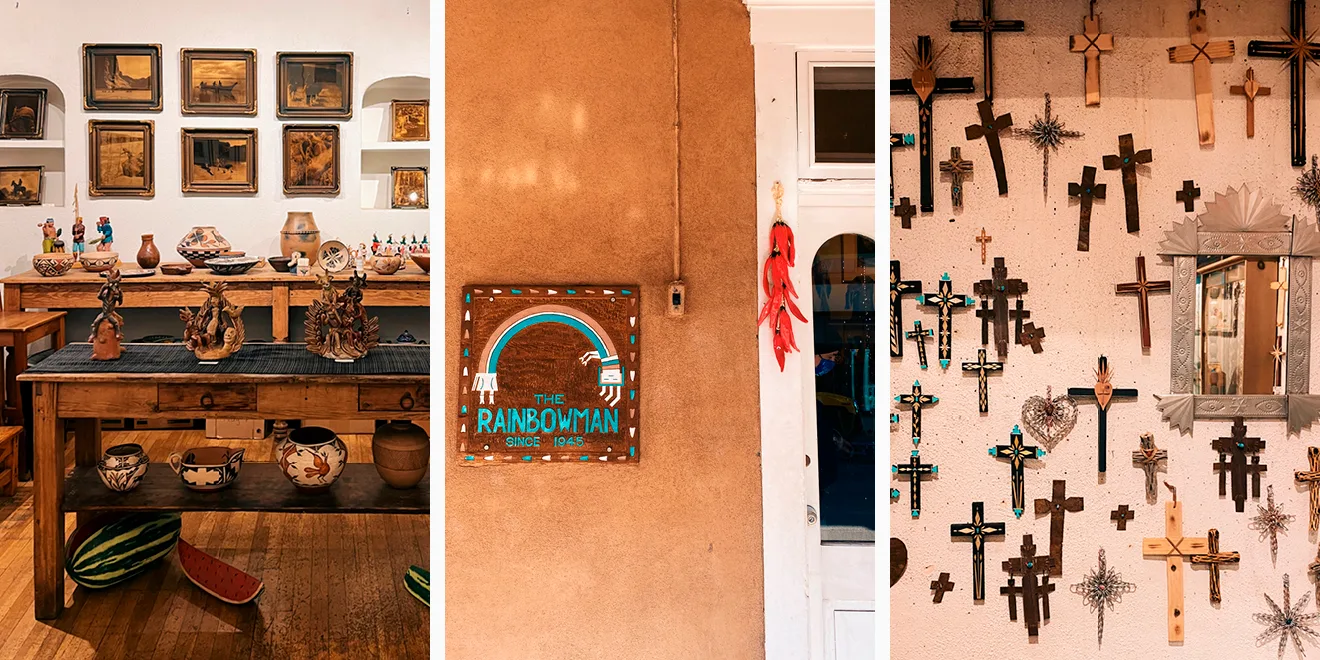
Rainbow Man
The curation of Native American and Hispanic arts and crafts at the Rainbow Man (or the “shop of the Rainbow Man in Old Santa Fe,” as a mural on the store's siding puts it) is as inspired and dazzling as the vintage and contemporary items for sale themselves. Rare gold-tone prints by the legendary American photographer Edward Curtis sit next to stacks of just about every style of Pendleton blanket imaginable; small sculptures representing a new spin on the Santero tradition by painter Marie Romero Cash nestled in glass cases housing Navajo squash blossom necklaces made from silver and turquoise. Shoppers will encounter a range of keepsakes, from small fetish figurines less than $20 to tens of thousands for antique concho belts.
Keshi: The Zuni Connection
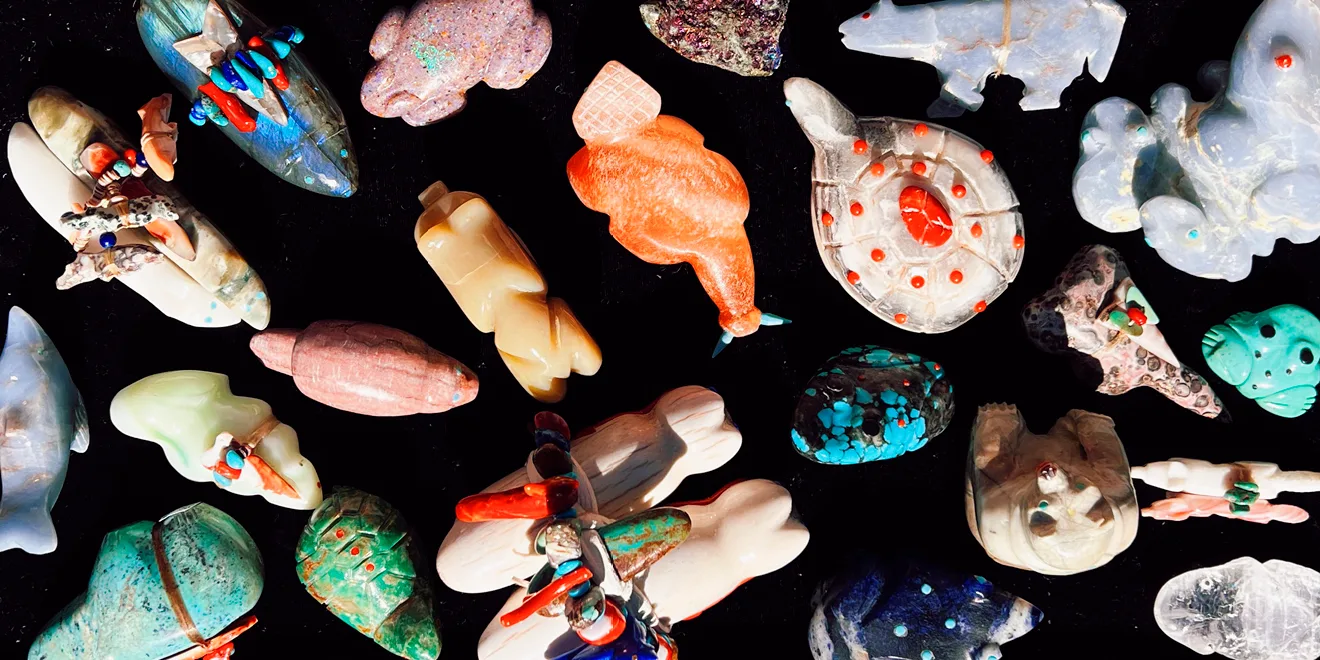
The boutique Keshi: The Zuni Connection is home to one of the world’s largest collections of Zuni fetishes, miniature animal carvings made by the A:Shiwi (“The People”) for ceremonies and other traditional uses for over a thousand years. Measuring around six inches or so tall and wide (or less), pieces include bison carved out of indigenous Zuni Pueblo travertine, hummingbirds etched from turquoise stone and obsidian badgers. The A:Shiwi and other Native American tribes believe each animal possesses a healing aura based upon its relationship with the natural world. This means that a wide variety of species — bat, dragonfly, coyote, turtle, raven, deer, you name it — come in an equal diversity of styles, including animal inspired belt buckles, earrings, bracelets and bolo ties.
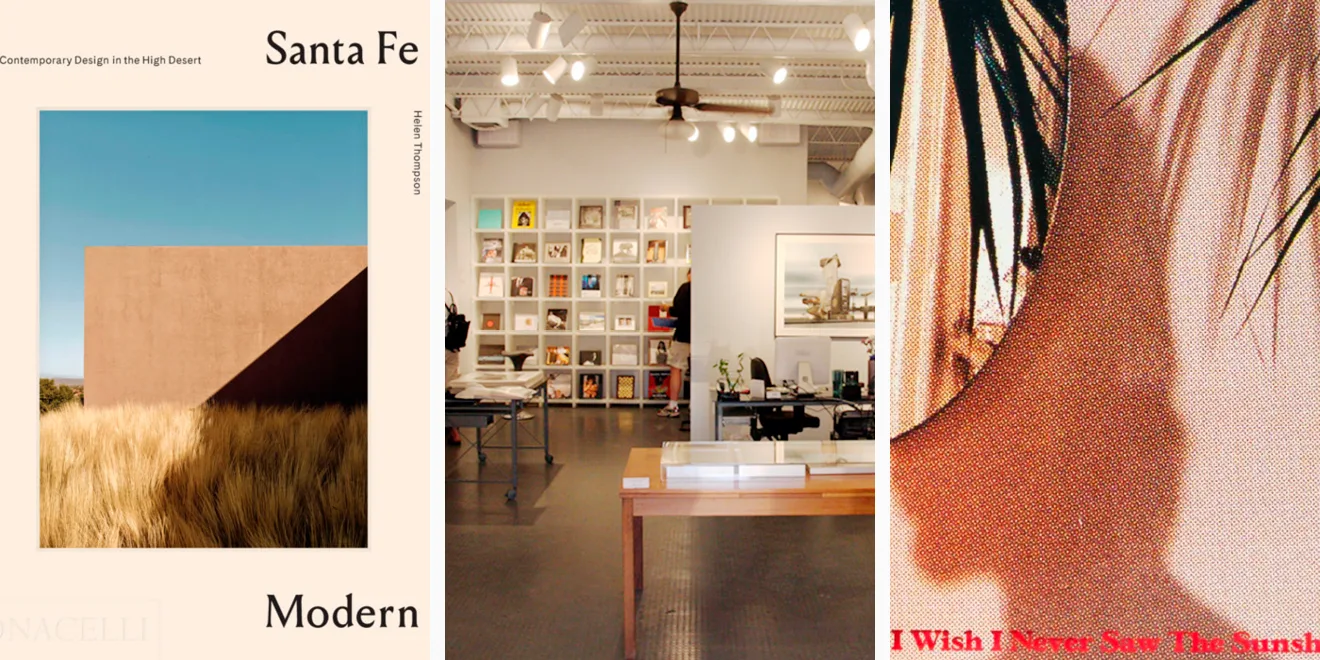
Photo Eye
Santa Fe’s rich cultural history shouldn’t distract from the fact that the city has an ambitious contemporary art scene. Take the bookstore and gallery Photo Eye, which specializes in limited-edition photo books, such as titles from the likes of the Missouri-based photographer Julie Blackmon and The Sioux Project, a North American survey of contemporary Sioux aesthetics. But it is the custom editions produced by the store’s own eponymous imprint from Photo Eye’s Sant Fe studios — anodized aluminum boxes filled with a dozen pigment-ink prints of the Mexican countryside, fifteen signed nude portraits by the Dutch photographer Carla Van De Puttelaar that are limited to just 50 copies — that truly feel worthy of a museum.

TAI Modern
Few cities in the United States have the cultural diversity of Santa Fe. This is perhaps why many of the city’s best shops specialize in craftwork you can find nowhere else in the country. The gestural, minimalist bamboo art and basketry on display (and for sale) at TAI Modern is a wild showcase of the Japanese aesthetic of wabi-sabi, which balances imperfection and irregularity with minimalism and weaving artistry (techniques like splitting, dyeing, bending and knotting). The gallery houses both historic works from the 19th century and post-war periods, as well as contemporary pieces crafted by Japanese and American basketmakers alike.

Santa Fe Vintage
Everything about Santa Fe seems to be steeped in history or at least awash in dust from the red-rock landscape, including the fashion. Santa Fe Vintage is a by-appointment showroom overflowing with cattleman finery (vintage denim, cowboy boots), Victorian-era lace skirts, bolero ties, New Mexican art, textiles and even the occasional bull skull to hang on the wall. If there is something you’re hoping to lasso into your Western wardrobe— balls of indigo-hued twine, rodeo shirts with cactus applique, cowboy boots galore — well ma'am, Santa Fe Vintages likely has it.