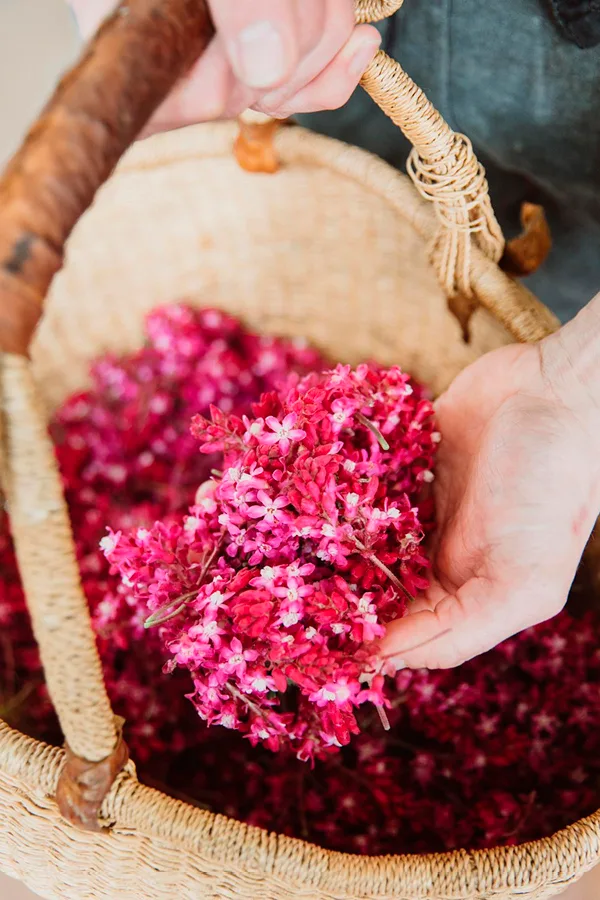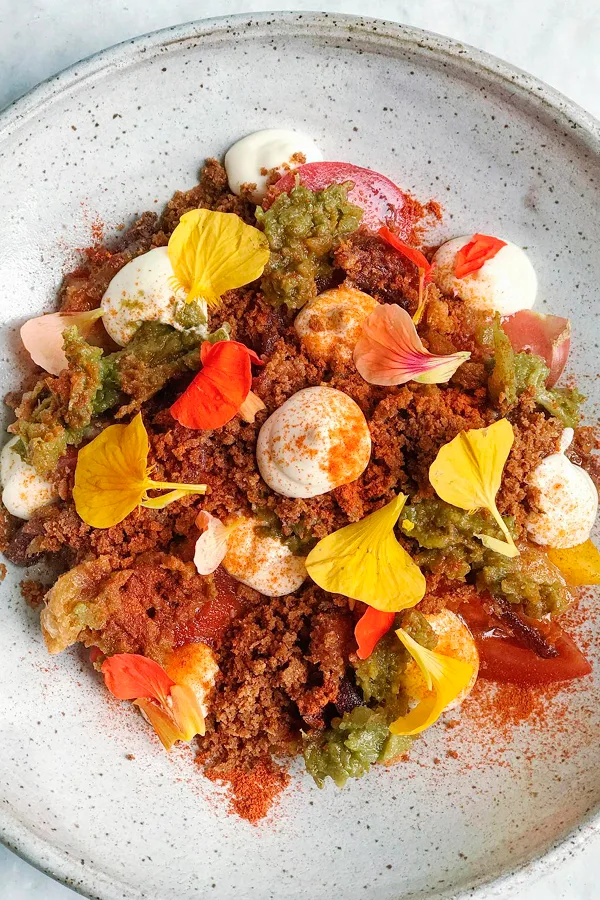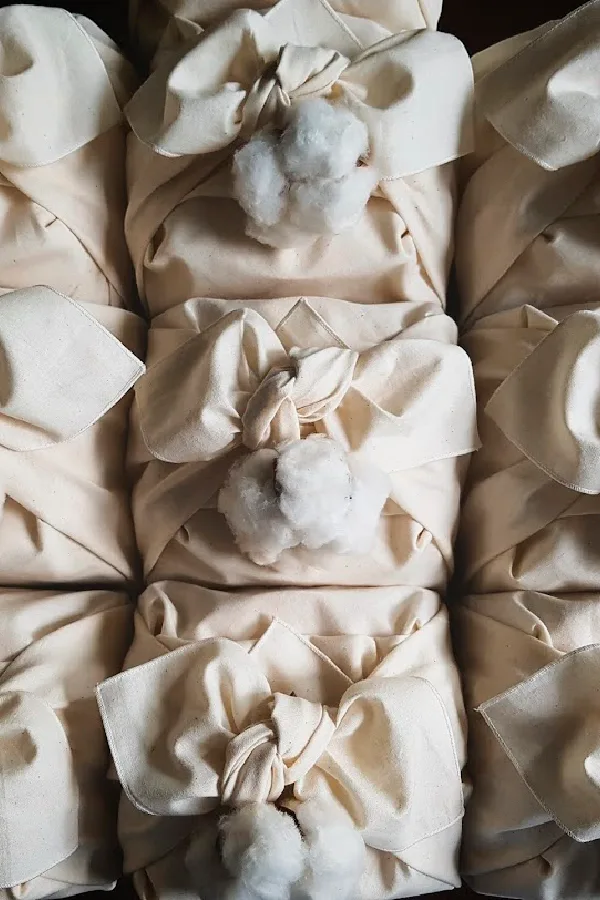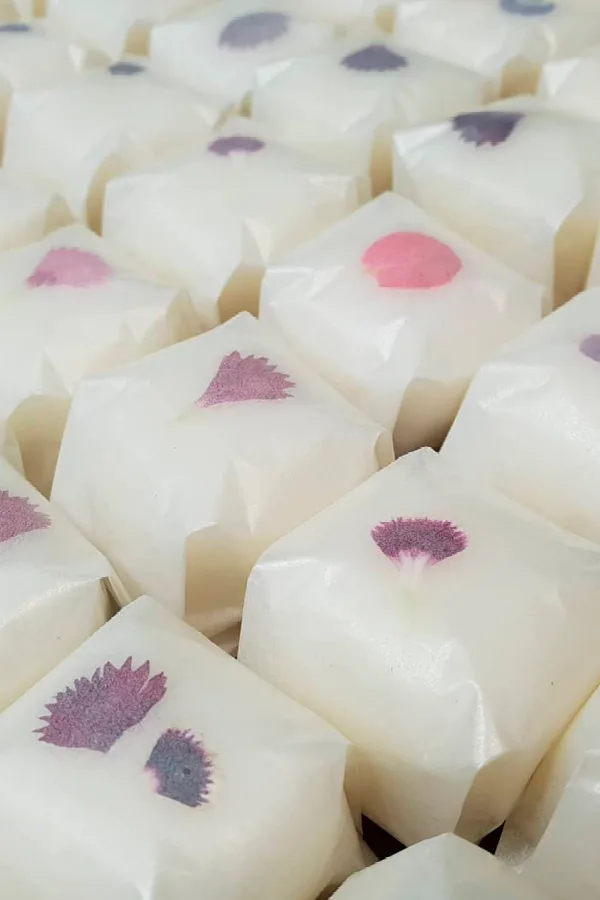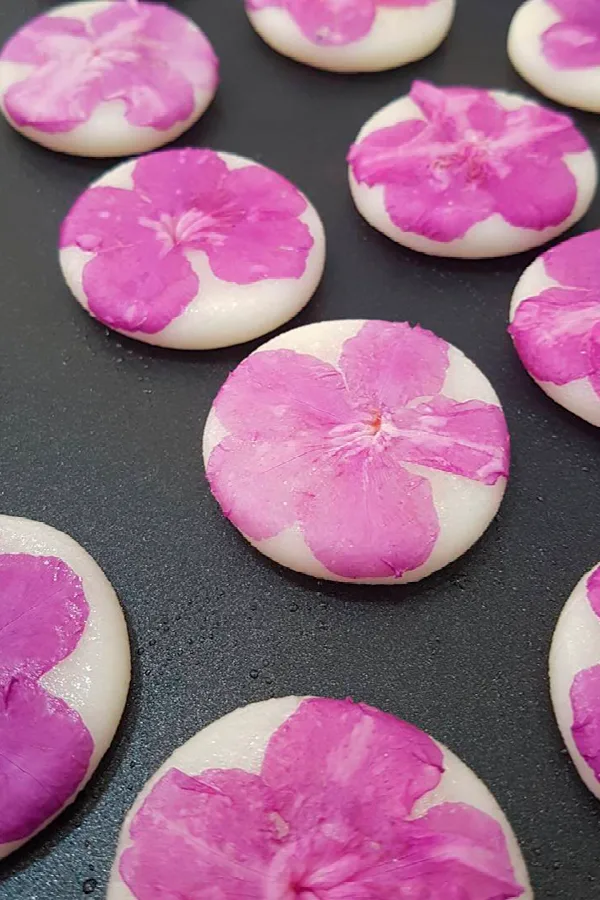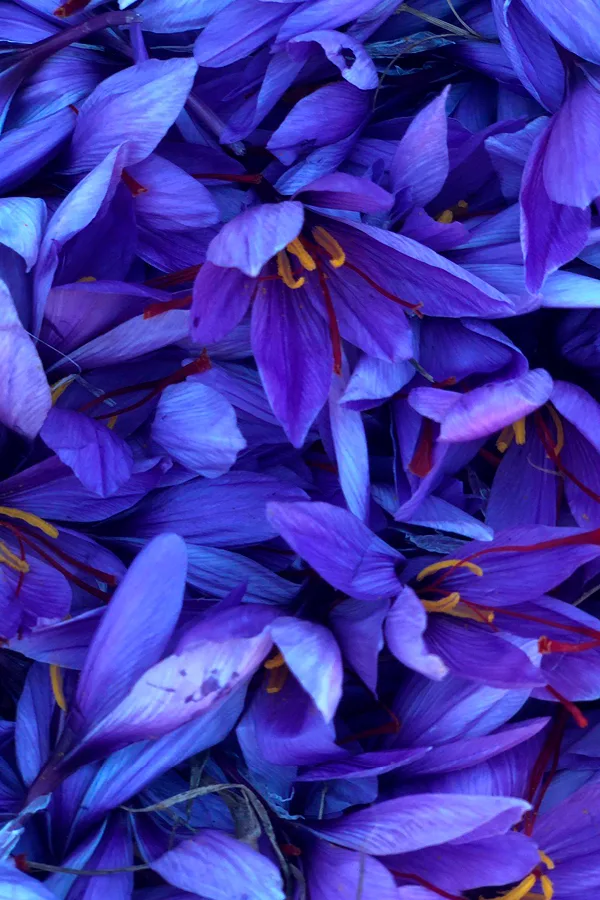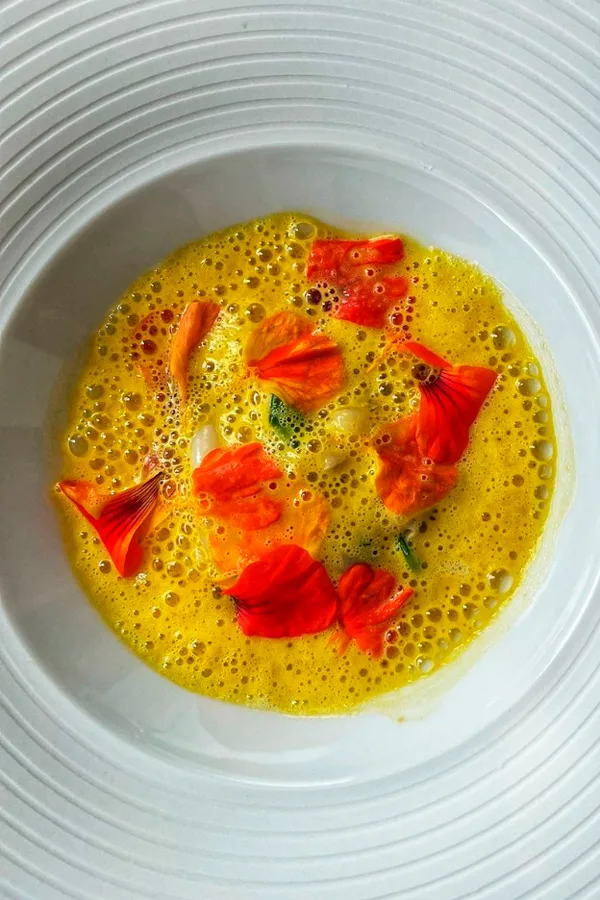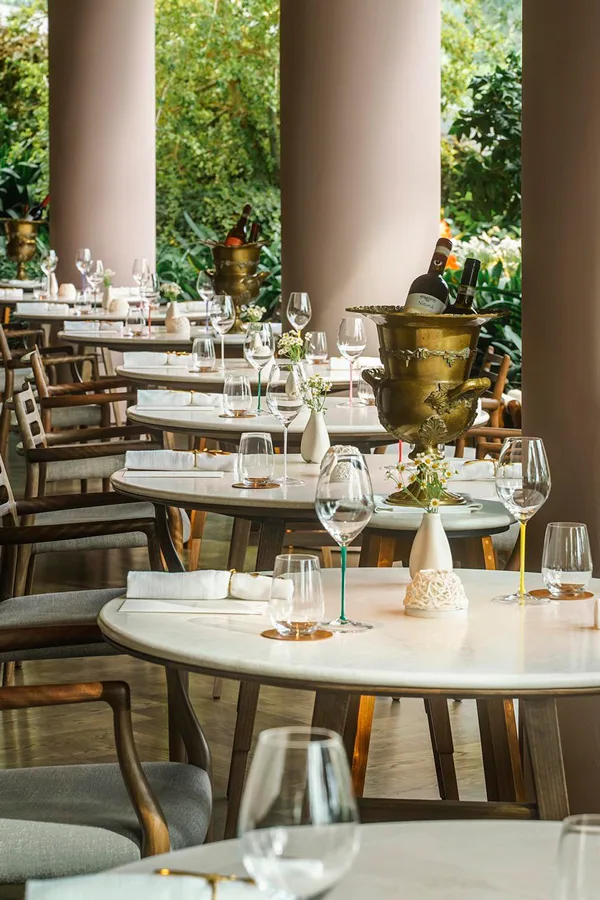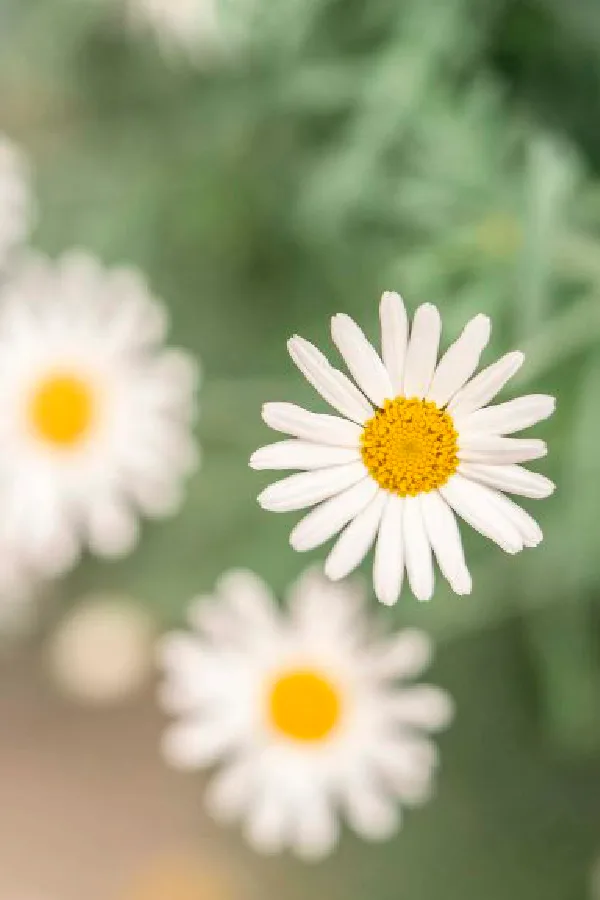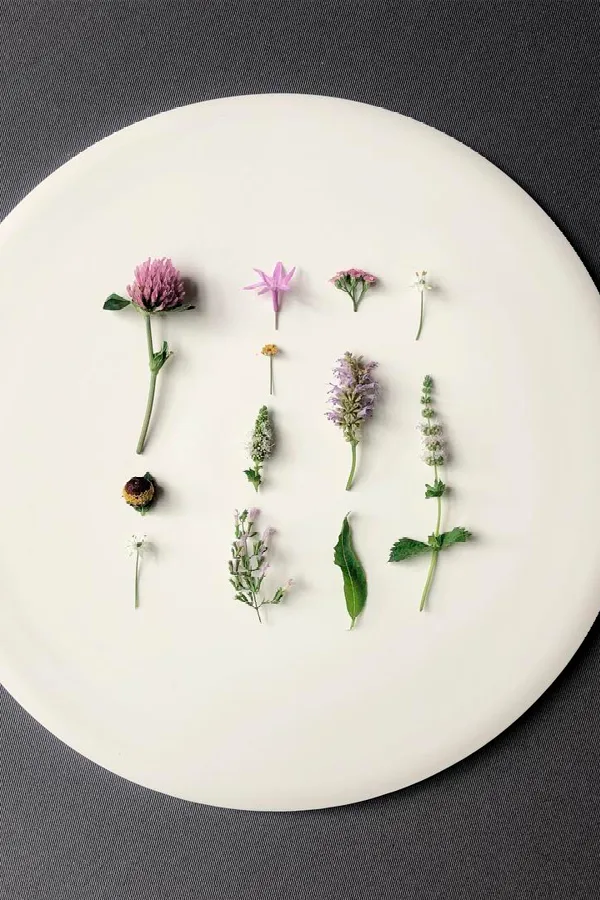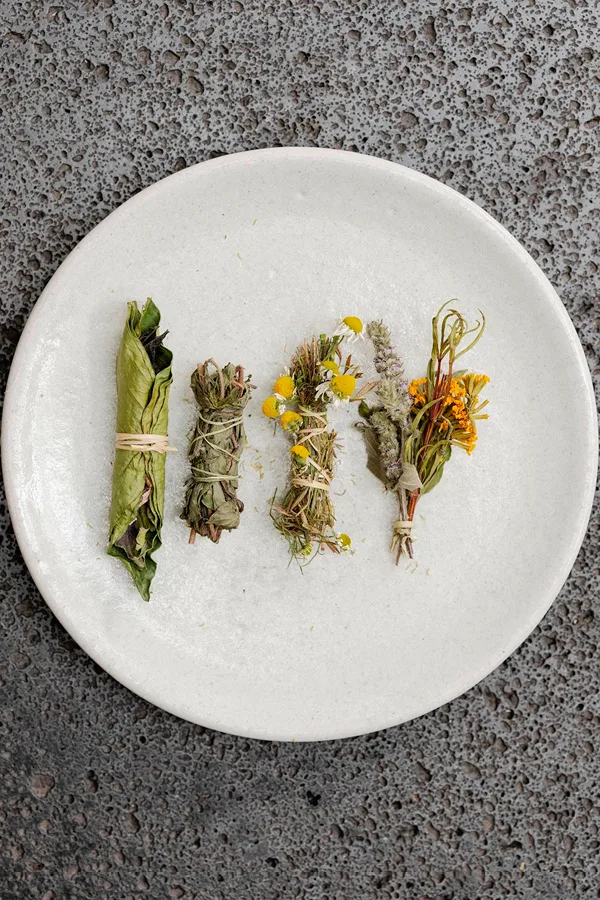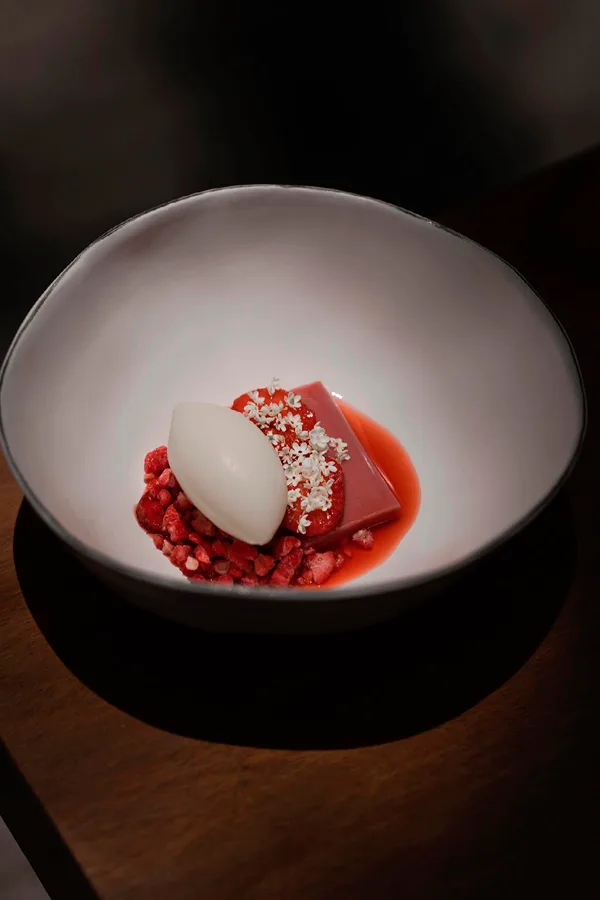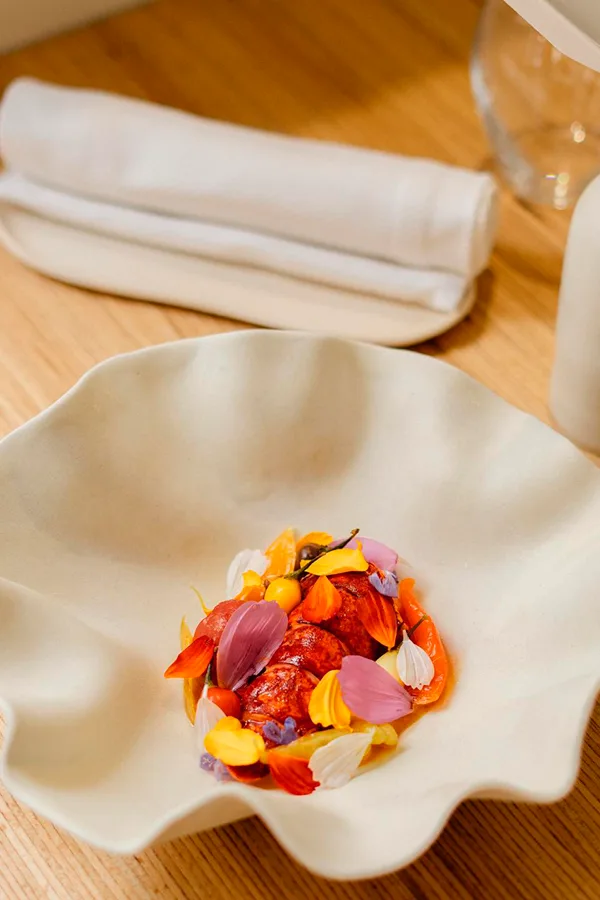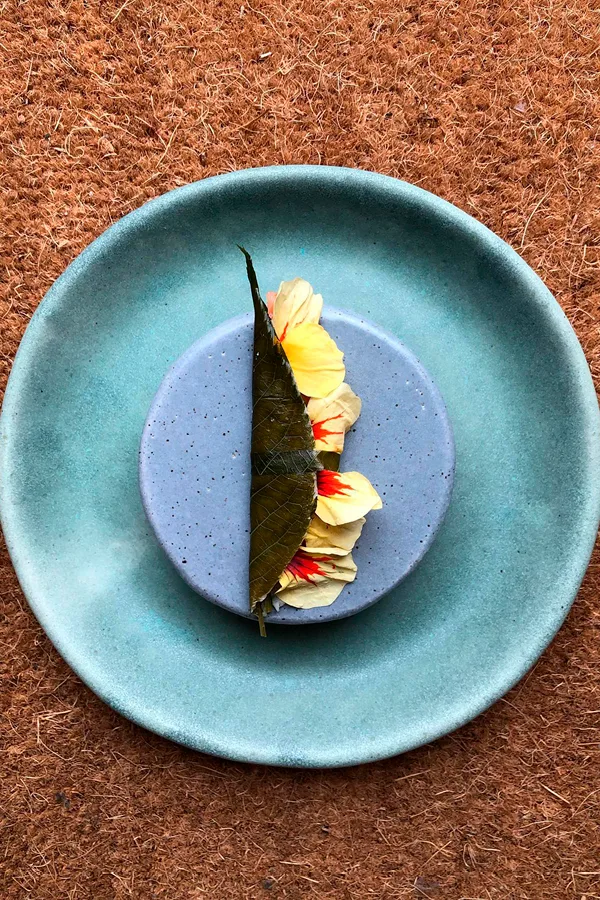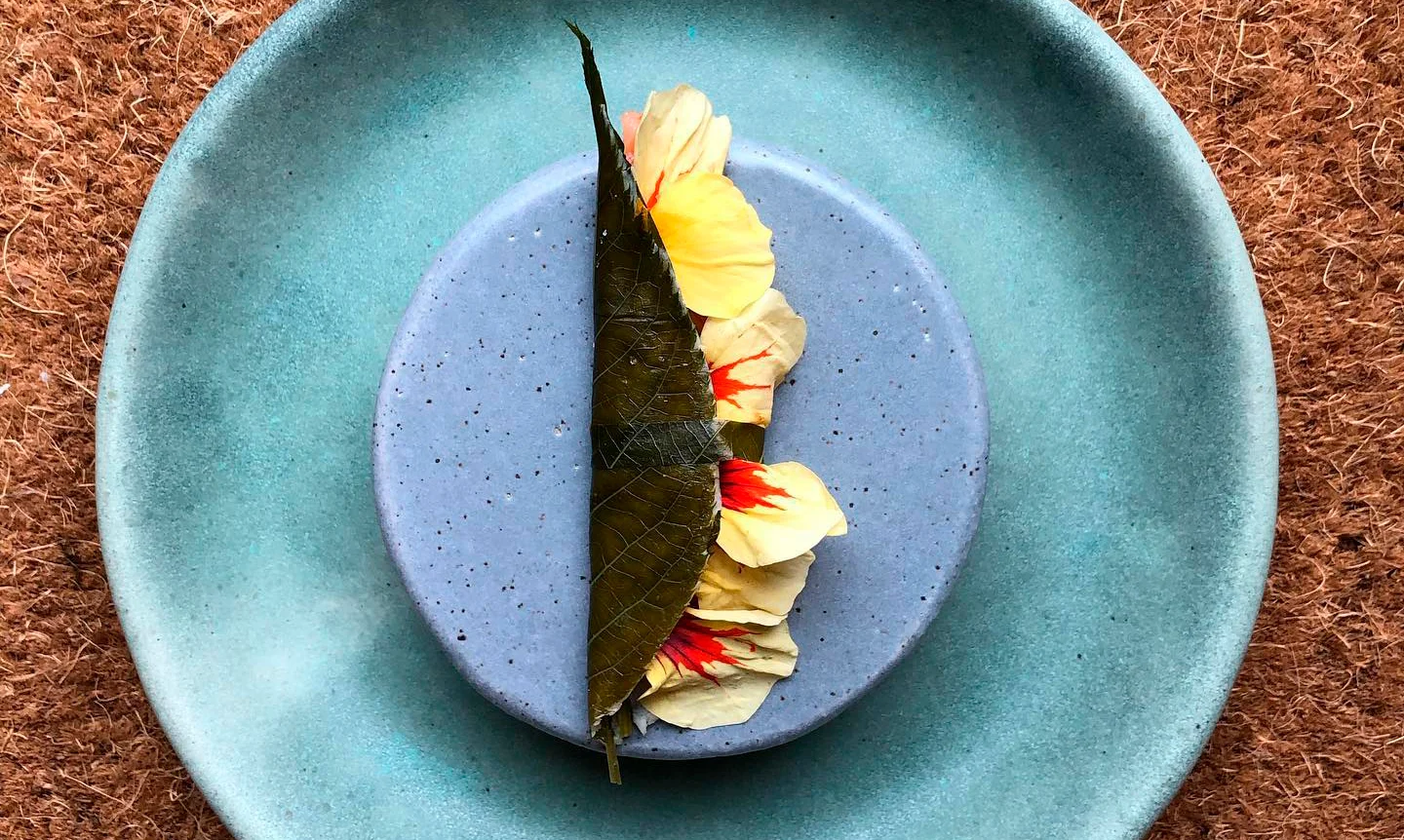
From marigolds to roses to lavender, flowers have been incorporated to add flavor to food for thousands of years. But recently more creative chefs across the globe are experimenting with different techniques— drying flower for jams and infusions, pressing or crystallizing them for an elegant garnish on a dessert or even freezing them for an added splash in a cocktail. Arnaud Lohrer, the founder of Superette, started an urban farm in Paris to supply fresh petals and plants daily to various restaurants while Marguerite in Singapore accentuates their tasting menu with edible flowers. With more and more interest in eating healthy and sustainably, edible flowers fit in perfectly with a plant-based cuisine. There’s also the aesthetics: bright, colorful petals and leaves on the plate always are appealing—it’s almost too pretty to eat.
Gem
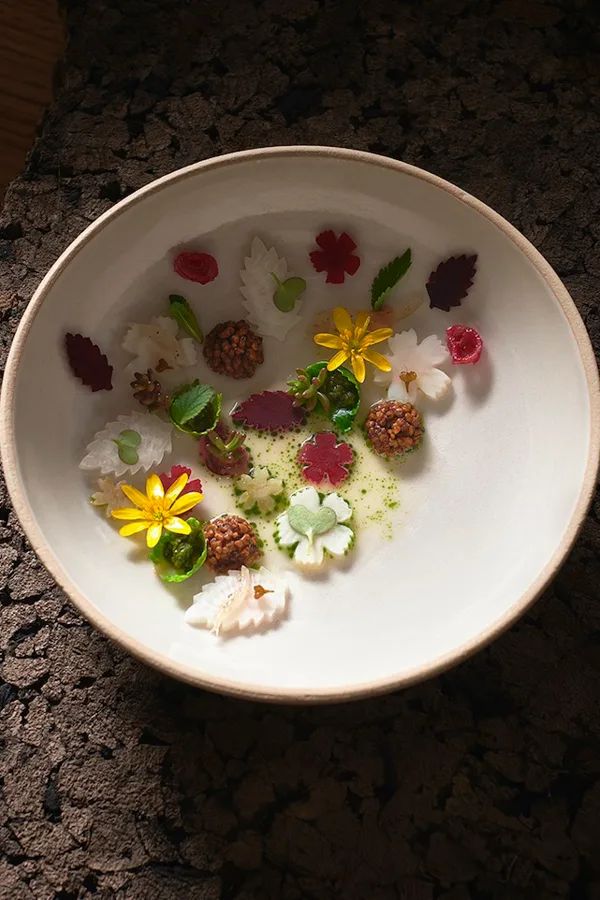
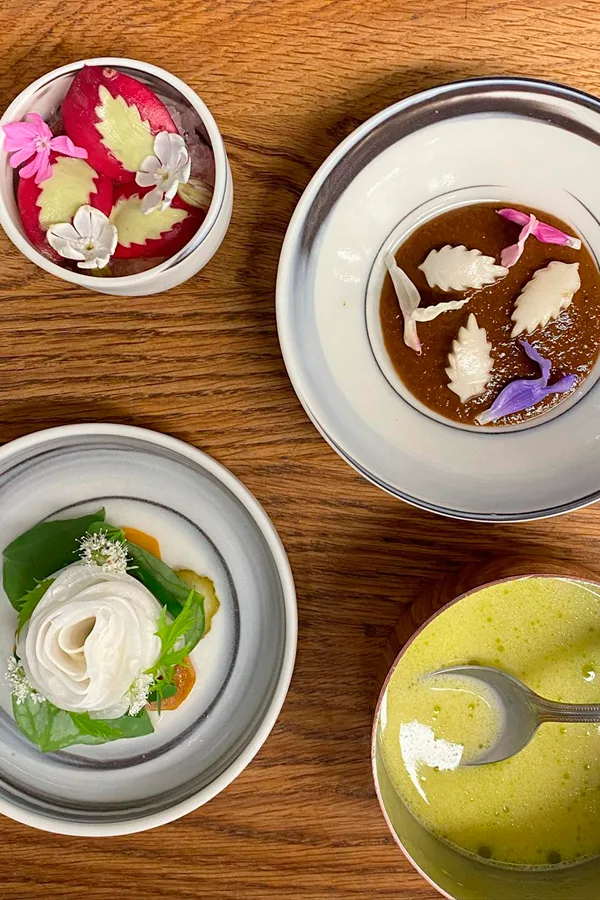
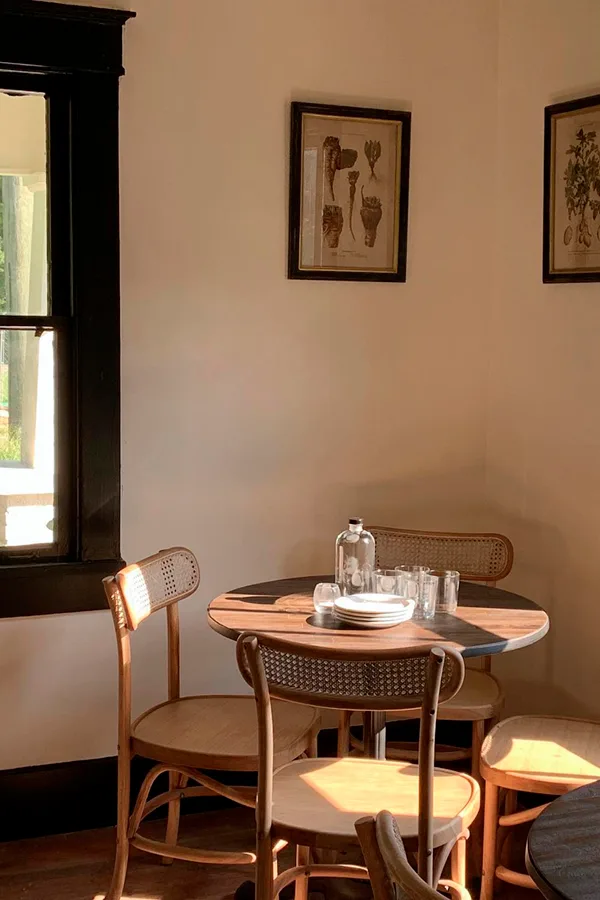
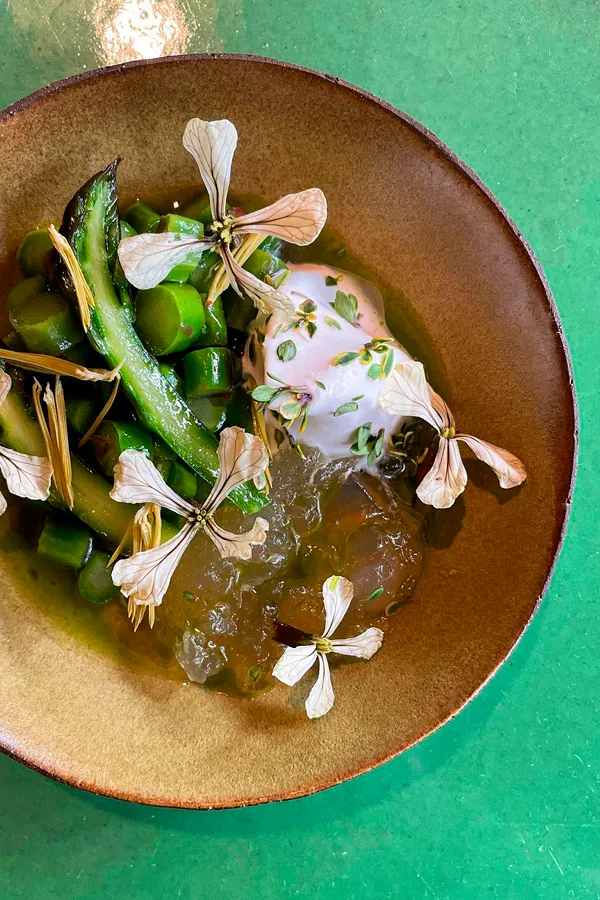
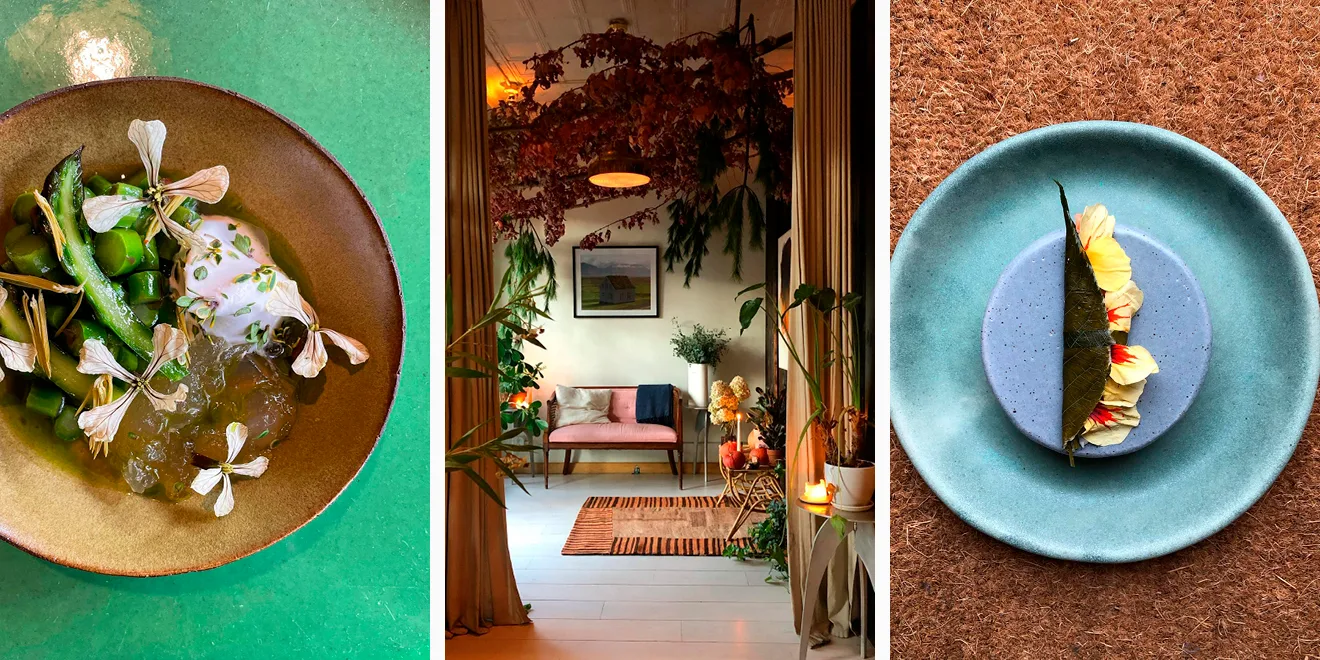
The culinary wunderkind Flynn McGarry, who started cooking at 13 at his pop up restaurant Eureka out of his mother’s house in California, is known for his nuanced and delicate approach to cooking. So it comes as no surprise that he would showcase edible flowers at his California Craftsman style restaurant Gem, located on New York’s Lower East Side. The restaurant, which opened in 2018, is known for its elevated vegetable creations. The menu changes often, according to what it’s in season. Some signature dishes include crab legs with rose petal miso with chamomile-scented potatoes and white asparagus with pine needles, all of which look artful compositions on the restaurant’s rustic, earth tone dinnerware.
Mirazur
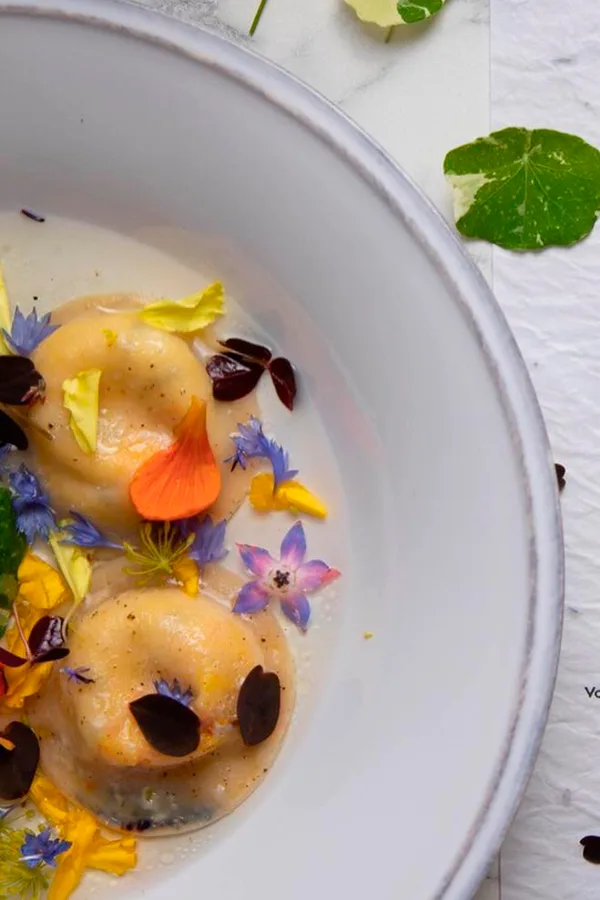
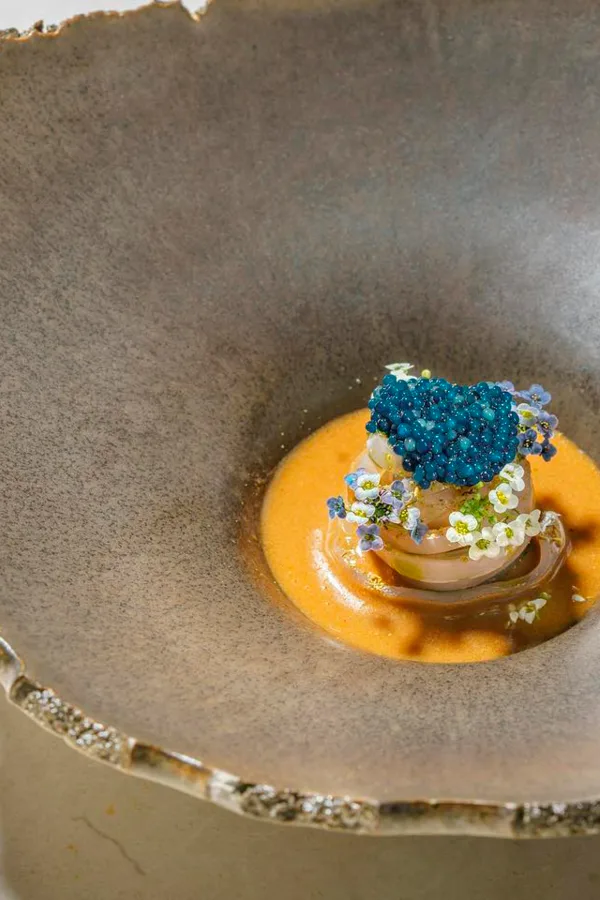
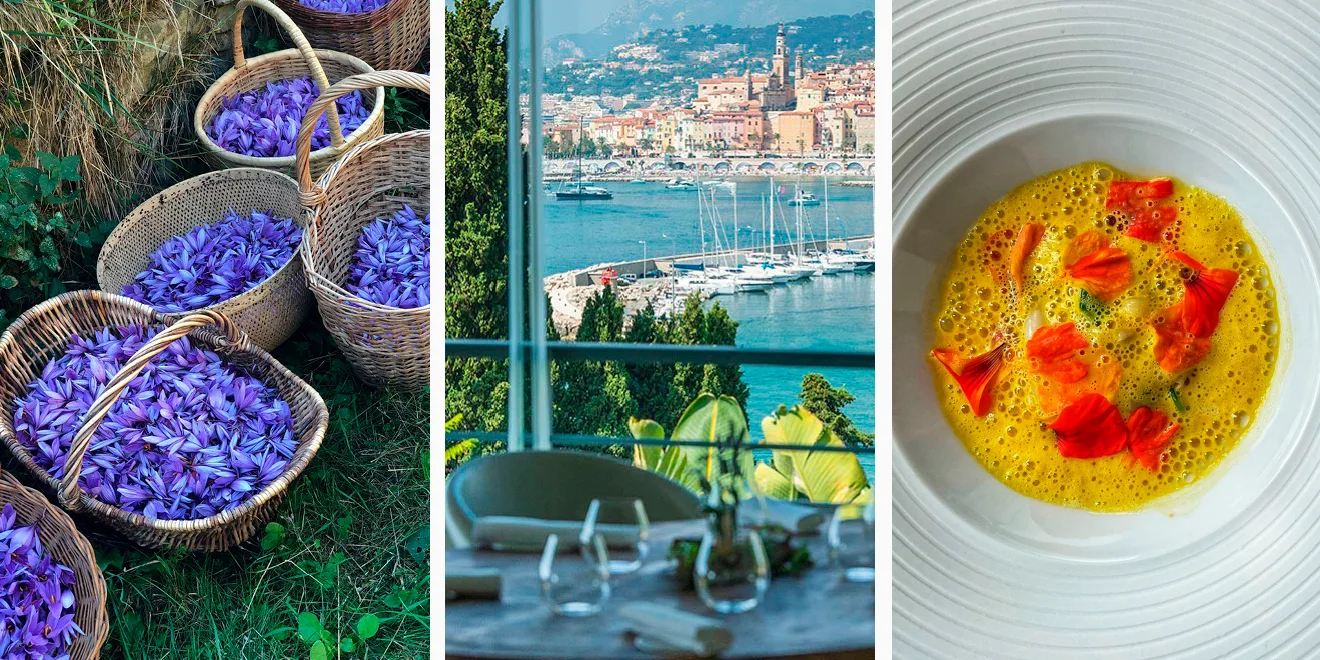
Mirazur, a three Michelin star restaurant, is perched on the cliffs of Cote D’Azur between Italy and France, which allows the Argentine chef Marco Colagreco to source his ingredients for his menu, which changes every day, from many different markets. Colagreco is also inspired by the mountains, the sea and the cascading terraced gardens which have hundreds of varieties of herbs, wild flowers, fruits and vegetables. (His “Lunar Menu” a few years back was inspired by the cycles of nature and was divided into four elements: root, leaf, flower, and fruit.) Colagreco wants diners to see, smell and taste the surrounding landscape in every dish so an amuse bouche of sardines comes on top of a layer of pebbles, clams and turnips are topped with nasturtiums while fresh oysters are finished with a shallot cream sauce, slivers of Wlliams pears and tiny, purple flowers.
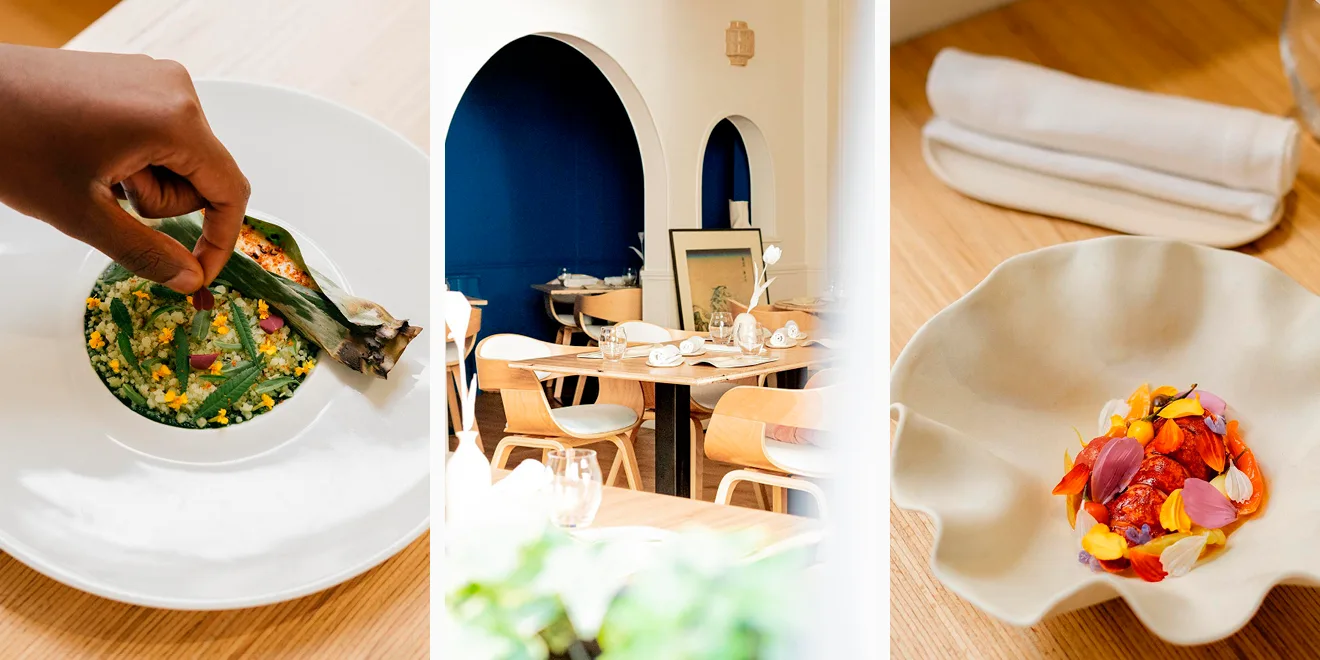
Mosuke
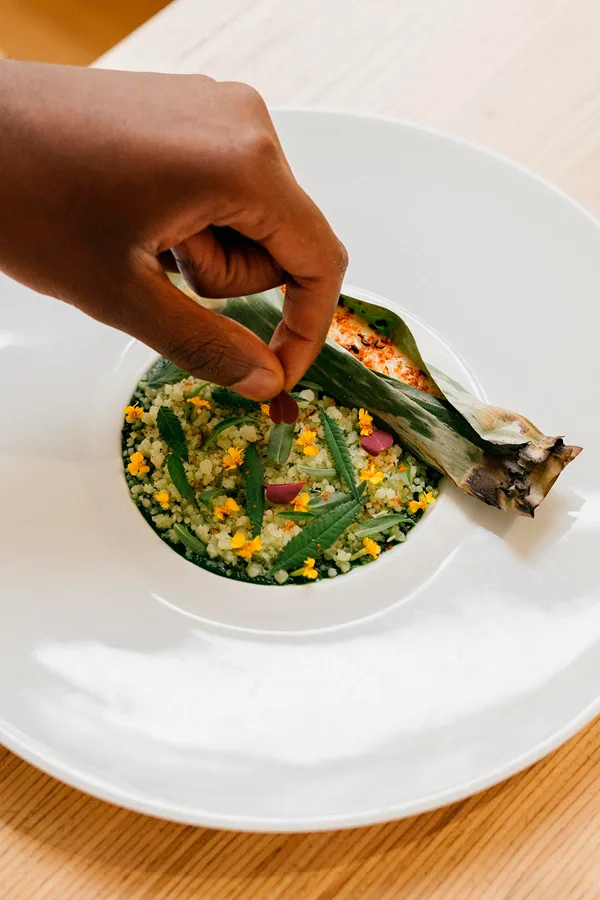
Tucked away behind a train station in the 14th arrondissement sits Mosuke, the new restaurant from rising chef Mory Sacko. The 29 year-old Sacko (who also was a popular contestant on France’s Top Chef and has earned his first Michelin star ) combines the foods and flavor of his Malian roots with his deep knowledge and training of French cooking and his passion for Japanese technique. This trinity of cuisines can be found in dishes like his lobster in miso sauce with smoked pepper and fermented tomato, grilled mango with smoked pepper and basil, and sole wrapped in banana leaves and garnished with various edible flowers.