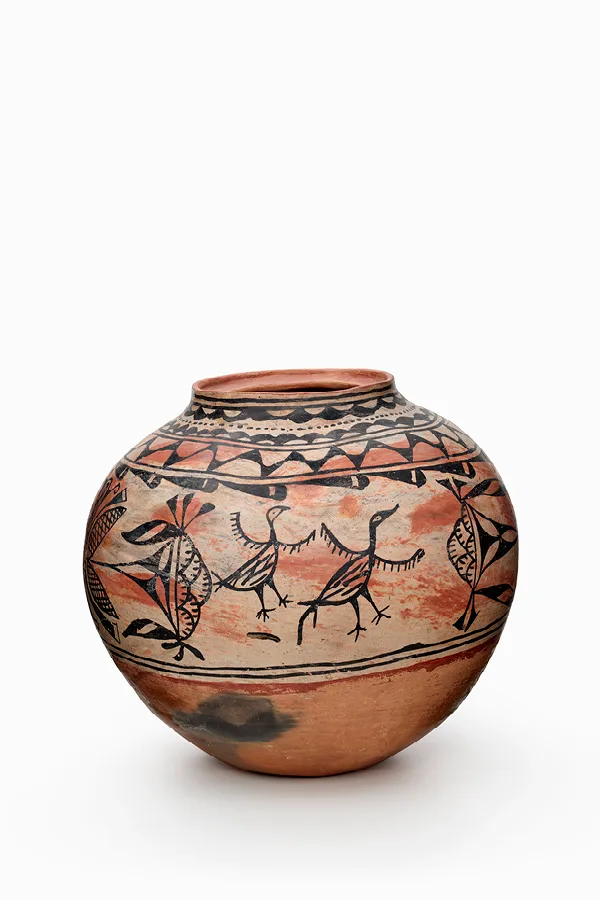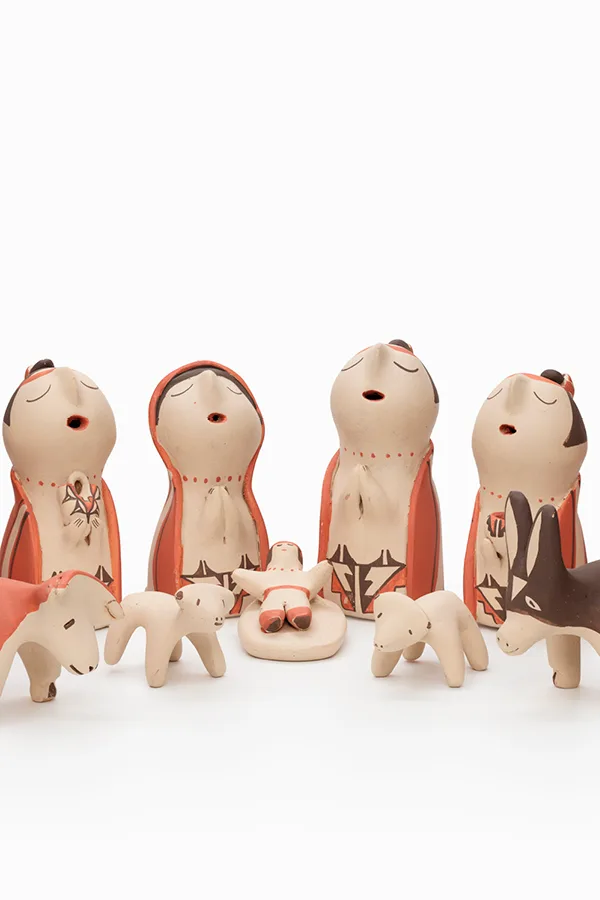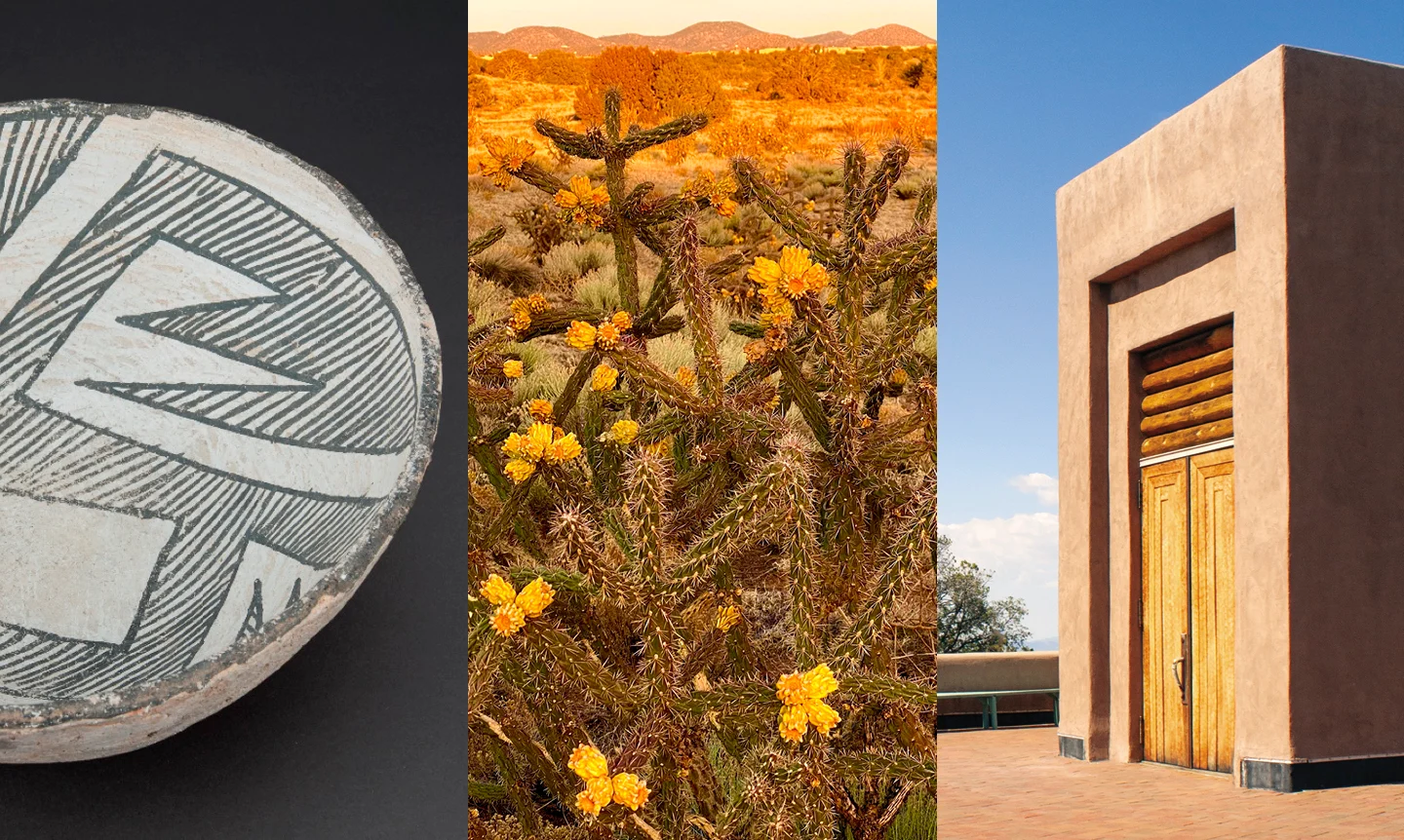
It all began with a broken Zuni water pot. In 1922, Martha and Amelia Elizabeth White—the independent-minded daughters of a New York newspaper magnate—and a group of Santa Fe creatives were attending a dinner party at the home of journalist Elizabeth Shepley Sergeant. At some point during the evening, a guest toppled a ceramic bowl to the floor, sparking a discussion about the need to preserve this vanishing artistic tradition and the formation of the Pueblo Pottery Fund. The restored Zuni pot—a late 17th-century polychrome piece aswirl with black-and-white bird and cloud patterns—became the first object in the collection.
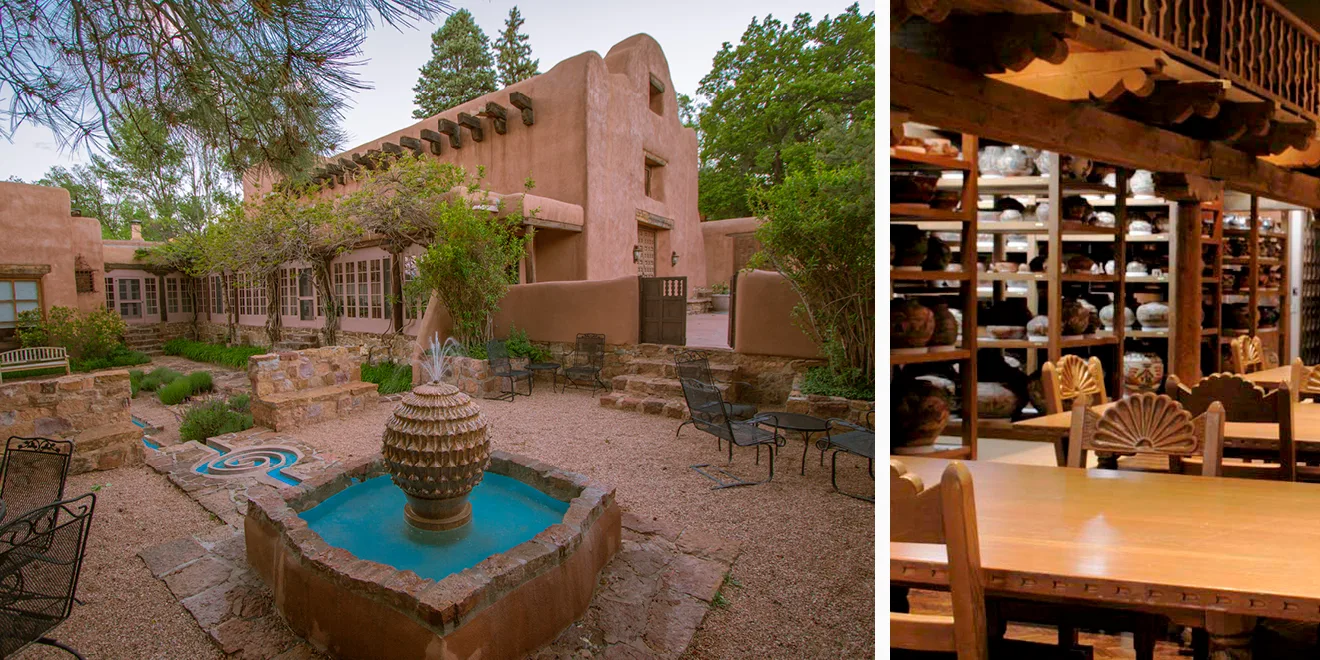
As it swelled to include baskets, painting, textiles, and other pieces procured from Pueblos (indigenous villages) across the Southwest, the trove was housed variously in a living room and museum basement before finding a home in the ‘70s at the School for Advanced Research—on the grounds of “El Delirio,” the White sisters’ former estate. The Indian Arts Research Center, as the fund is now called, includes over 12,000 pieces of Navajo and Pueblo-style indigenous art and is open for public viewing on Fridays, or by appointment. “Though well intentioned,” IARC director Elysia Poon is careful to note, the founders’ approach of snapping up treasures from their in-situ communities “was unquestionably presumptuous and paternalistic.”
Still, it’s a fitting final resting place for the collection. Even before moving to Santa Fe, the White sisters—well-educated bluestockings who grew up next to Tiffany’s but volunteered as nurses in WWI France—were vocal defenders of Pueblo Indian land rights, opposing Congressional legislation that would make it easy for settlers to obtain Indian lands. Honing an appreciation for traditional craft during their travels around Central America, Europe, and Morocco, Elizabeth (as she was known) in particular became a devoted collector who pioneered a market for Indian art—befriending Pueblo artisans and opening the first shop for Indian painting and crafts onin NYC’s Madison Avenue in 1922, and later organizing the groundbreaking 1931 Exposition of Indian Tribal Arts in the city as well.
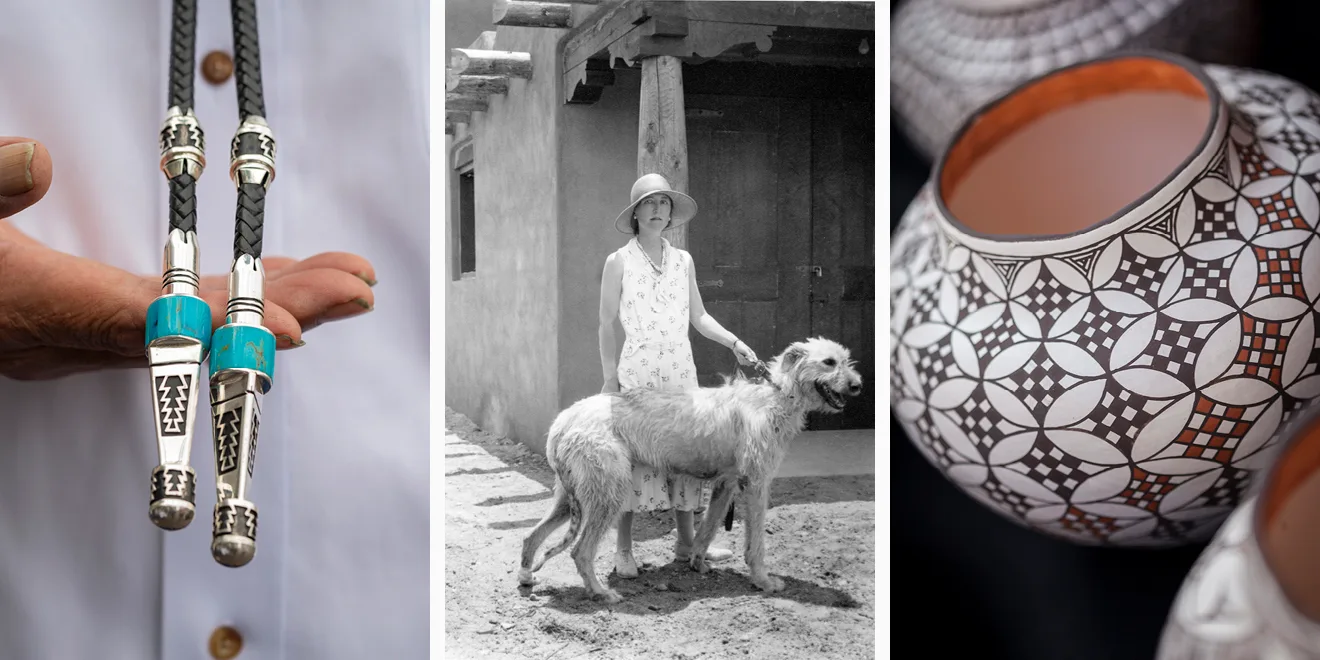
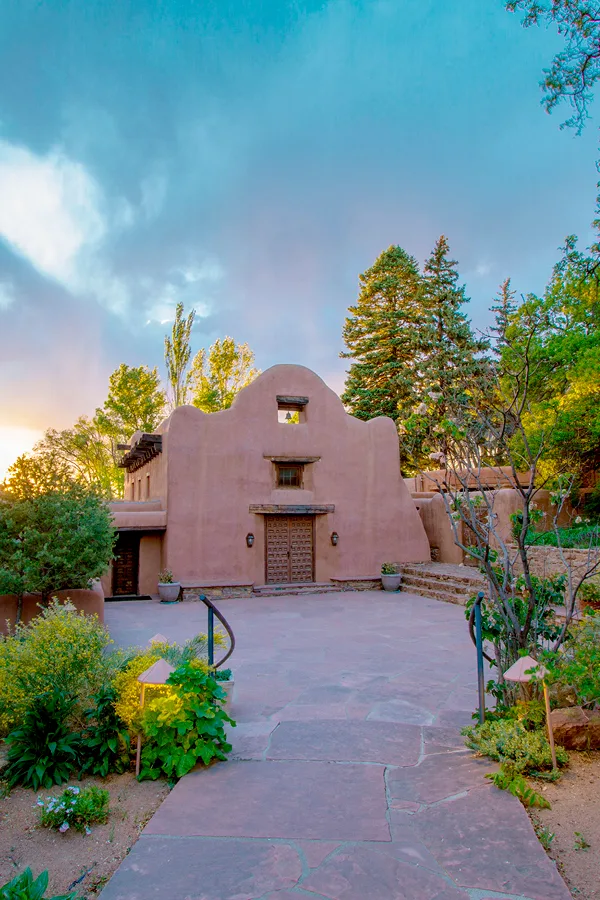
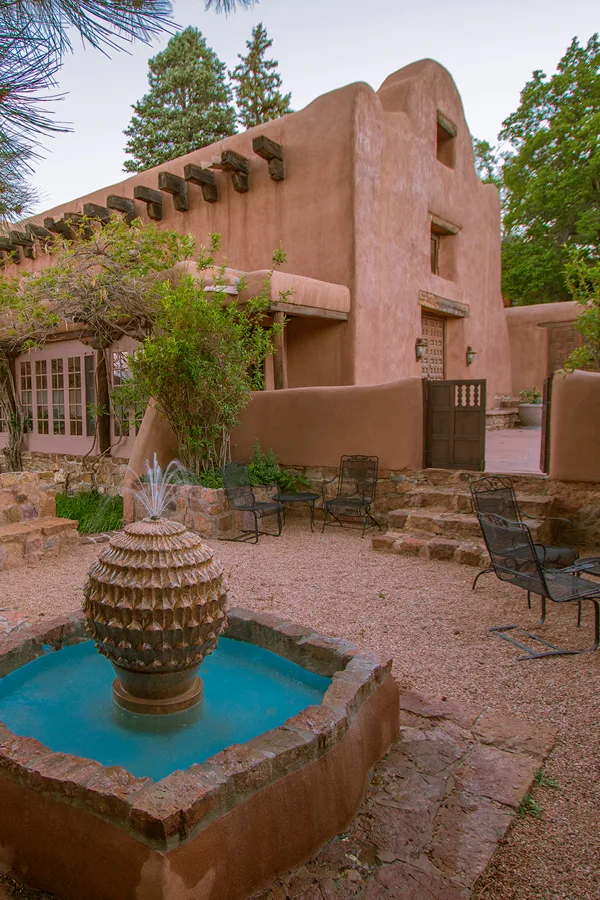
Constructed of adobe and modeled after a mission church in 1924, El Delirio (“the madness”) soon became a hub for Santa Fe artists, writers, and archeologists who flocked to its tiered gardens, tennis court, and swimming pool, the city’s first. Later, the sisters would add a dog kennel for raising Irish Wolfhounds, with which Elizabeth would parade in costume for Santa Fe’s annual Fiesta, a precursor to today’s Indian Market. Their legendary parties included such of-their-day luminaries as writer Agatha Christie, painters Gustave Bauman and Will Shuster, and archeologist Sylvanus Morley. (For anyone who wants to tumble down a rabbit hole, these and other lively episodes along with deliciously hedonic party pics are recounted in El Delirio: The Santa Fe World of Elizabeth White, by Gregor Stark.)
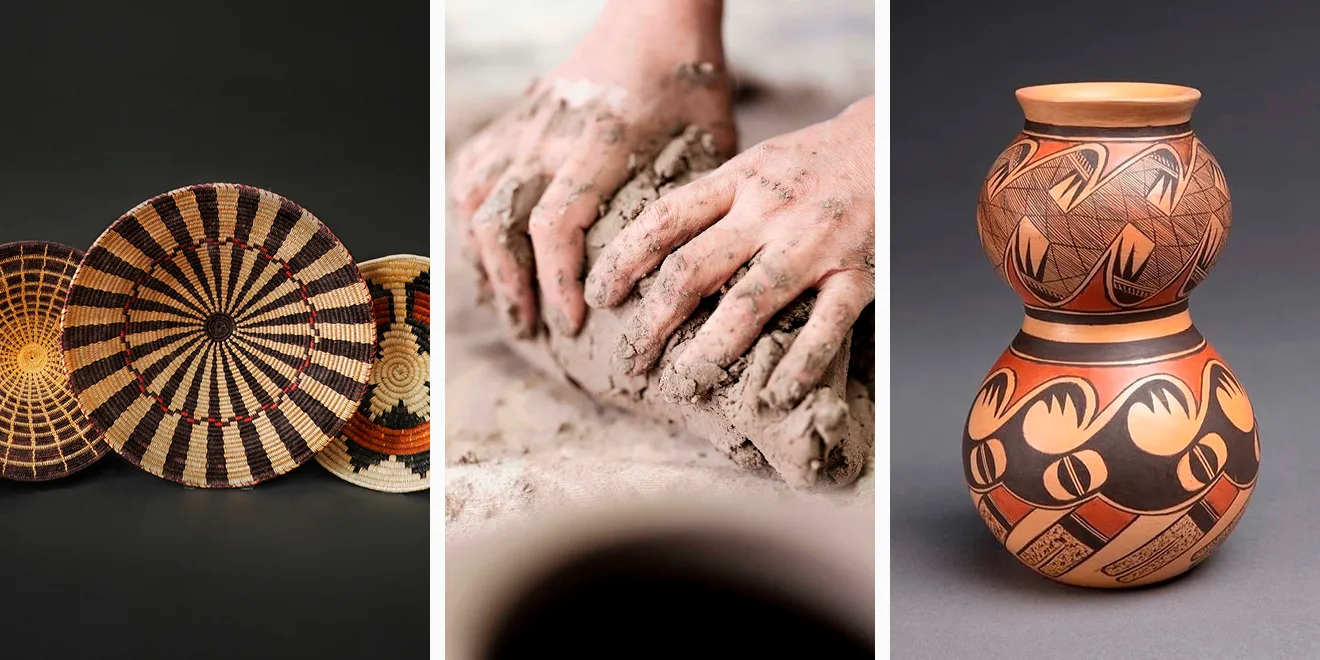
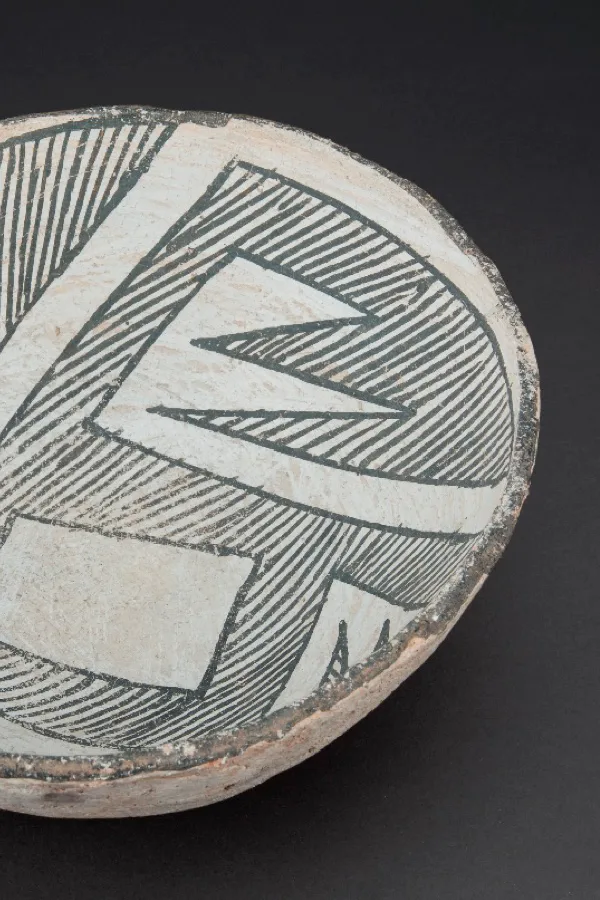
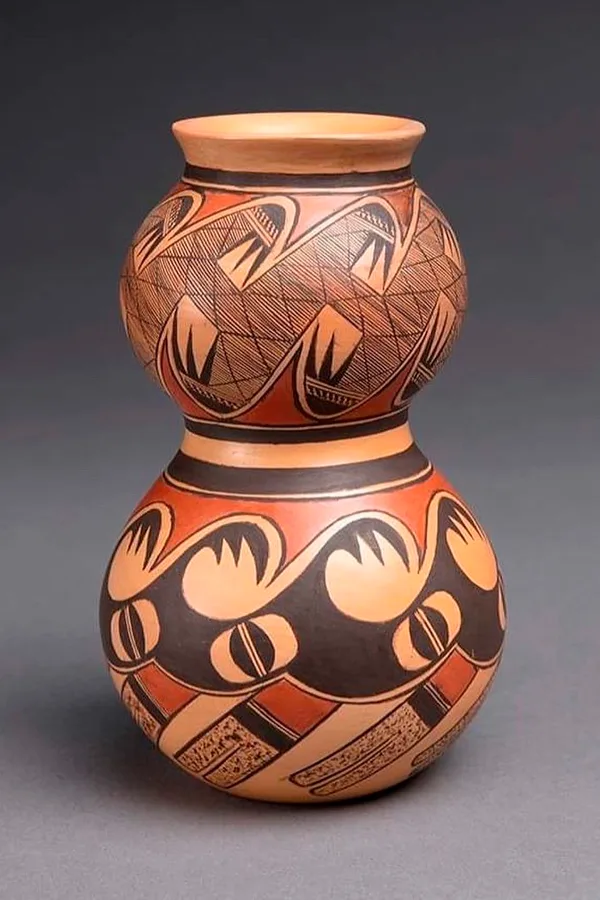
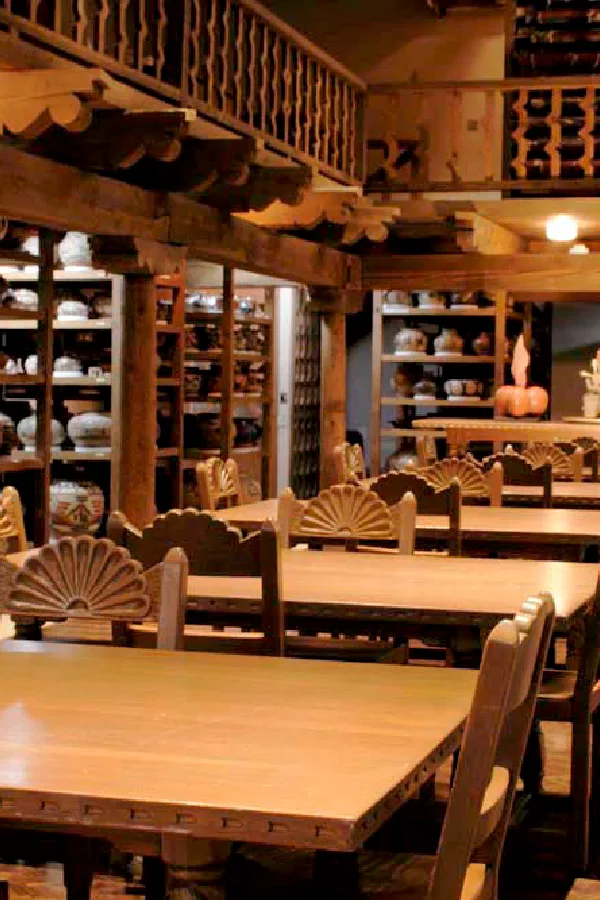
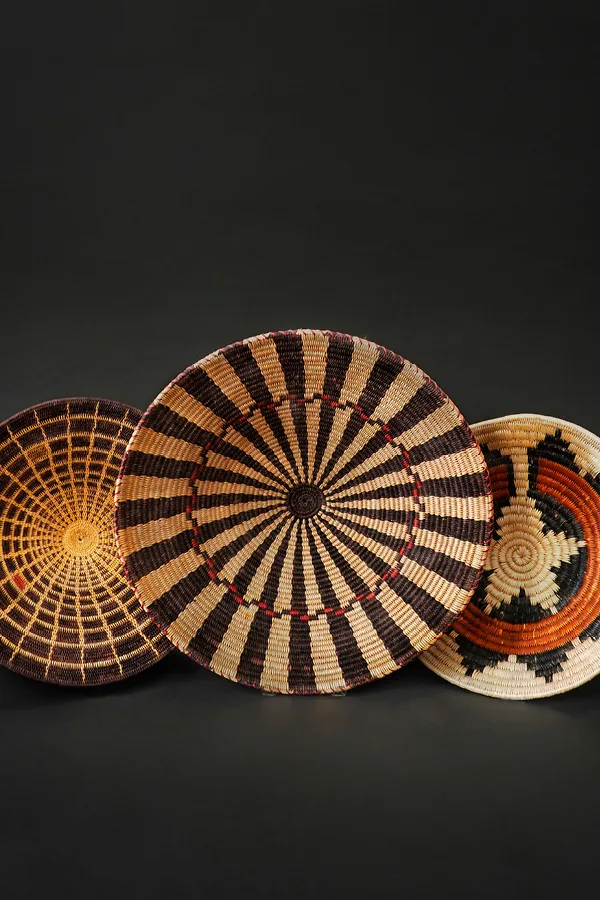
Santa Fe has its other renowned Native American Art collections that are well worth a visit–the Wheelwright and Museum of Indian Arts and Culture on Museum Hill, and the more recent IAIA Museum of Contemporary Native Arts. But the Indian Arts Research Center at SAR, because it’s primarily intended for scholars, is totally astonishing in its depth and immediacy. Walking into the wood-columned collection room feels like a Heimlich pump to the chest, with row after row of ceramics—the buffed black-on-black vessels of San Ildefonso to white Laguna pots with their rhythmic red-and-black geometrics—sitting on simple open wooden shelving like so many parmesan wheels or boules of bread. Racks of textiles line one wall, which a docent can unfurl on a table so each hand-knotted row of a rug or dress can be inspected, including a blanket likely taken from the body of Chief White Antelope at the 1864 Sand Creek Massacre (it’s occasionally loaned to the chief’s descendants on the Cheyenne and Arapaho reservation in Oklahoma). Vintage baskets and newer ones, like a disk-like Navajo weave by living legend Mary Holiday Black depicting the First Man placing stars in the sky, seem to wait to be filled. Extraordinary collections of silverwork going back to 19th century Navajo concha belts and bow guards, plus 1,300 paintings, including those by painters who trained at the legendary Santa Fe Indian School Studio under Dorothy Dunn in the 1930s, fill the vaults.
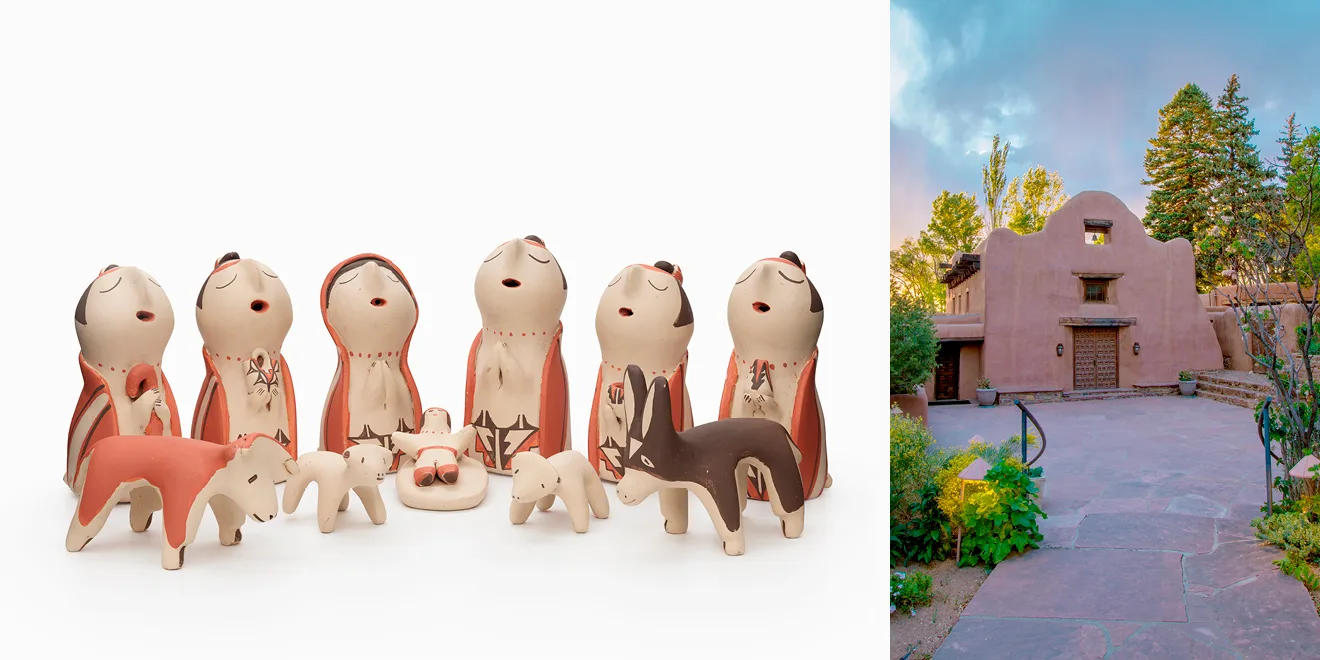
To mark the centennial of the original fund, more than 100 pots—including a few plucked from New York’s Vilcek Foundation—have been gathered into an exhibit, “Grounded in Clay: The Spirit of Pueblo Pottery,” which opened at SAR in Santa Fe on July 31 and will be traveling to the Met in New York next year. The show gives the public a view of the pottery through voices from the Pueblo Pottery Collective representing 21 tribal communities, each of whom chose to write about a certain pot from the perspective of family ritual, daily usage, and ancestral memory. For one contributor, a bulbous 1900 blackware olla vessel (used for water or soup) from his pueblo of Santa Clara sparks a memory of his grandmother’s favorite vintage dress—“I see the flared collar and high neck in this jar”—while another, the governor of Acoma Pueblo, writes of an 1880 Acoma storage jar, “This jar sings loudly to me through its design and lived experience.”
No doubt the White sisters, who are buried together under a gazebo on the estate—now acknowledged as Tewa land—near the art collection and their beloved dogs, would be pleased.