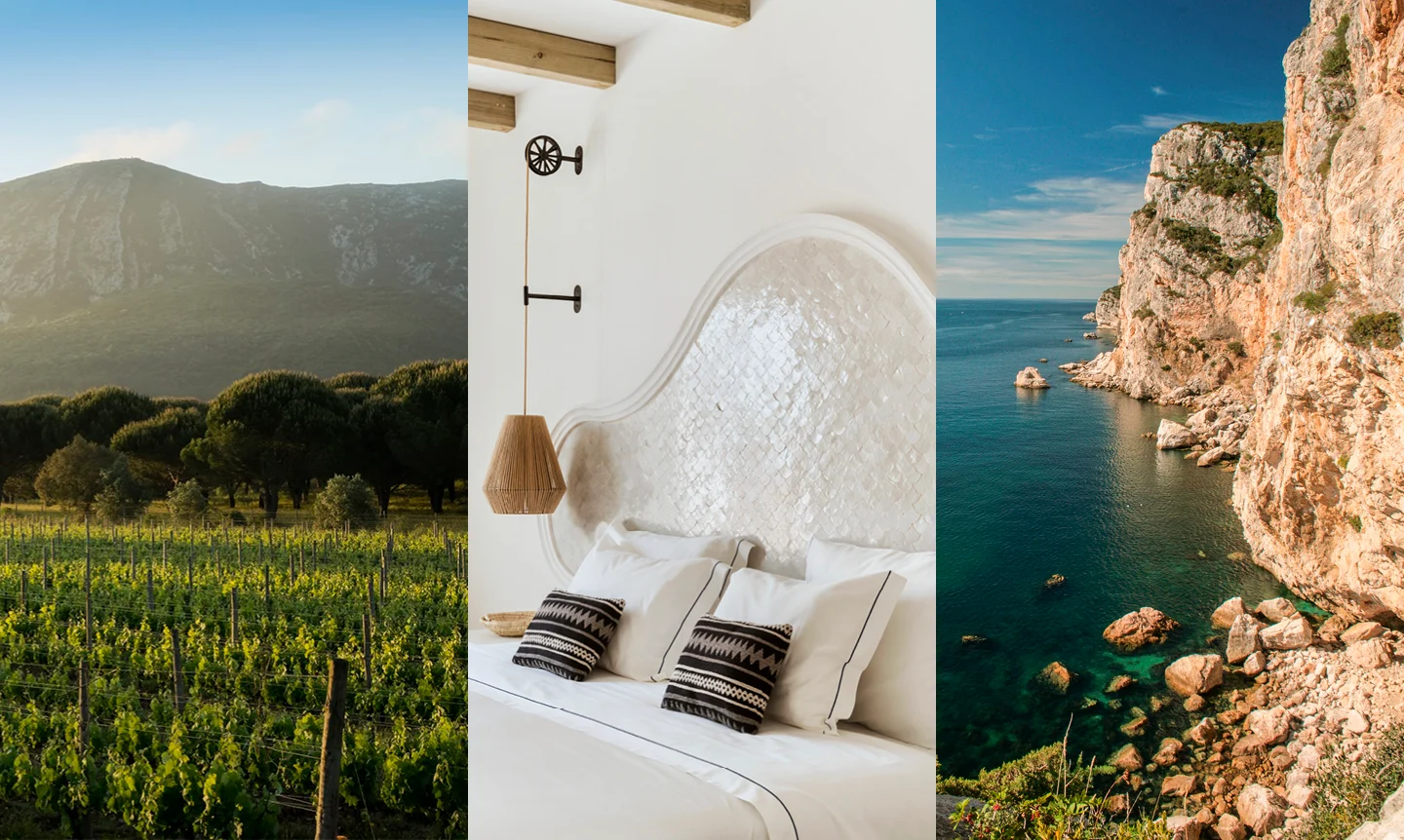
Few people know about Parque Natural da Arrábida, or Arrábida’s Natural Park, some 40 miles of untouched Portugues greenery and gold-sand beaches tucked between the Sado River and the Atlantic Ocean.
James Bond does, however. The region’s breathtaking, winding mountainside roads were used in the final scene of the 1969 Bond film, On Her Majesty's Secret Service.
Jacqueline Kennedy, too. After John F. Kennedy’s assassination in 1963, Palácio da Comenda, a five-story mansion in Arrábida that today sits abandoned and covered in graffiti, was a refuge for the former first lady and her children to grieve in private, away from the media glare of Washington.
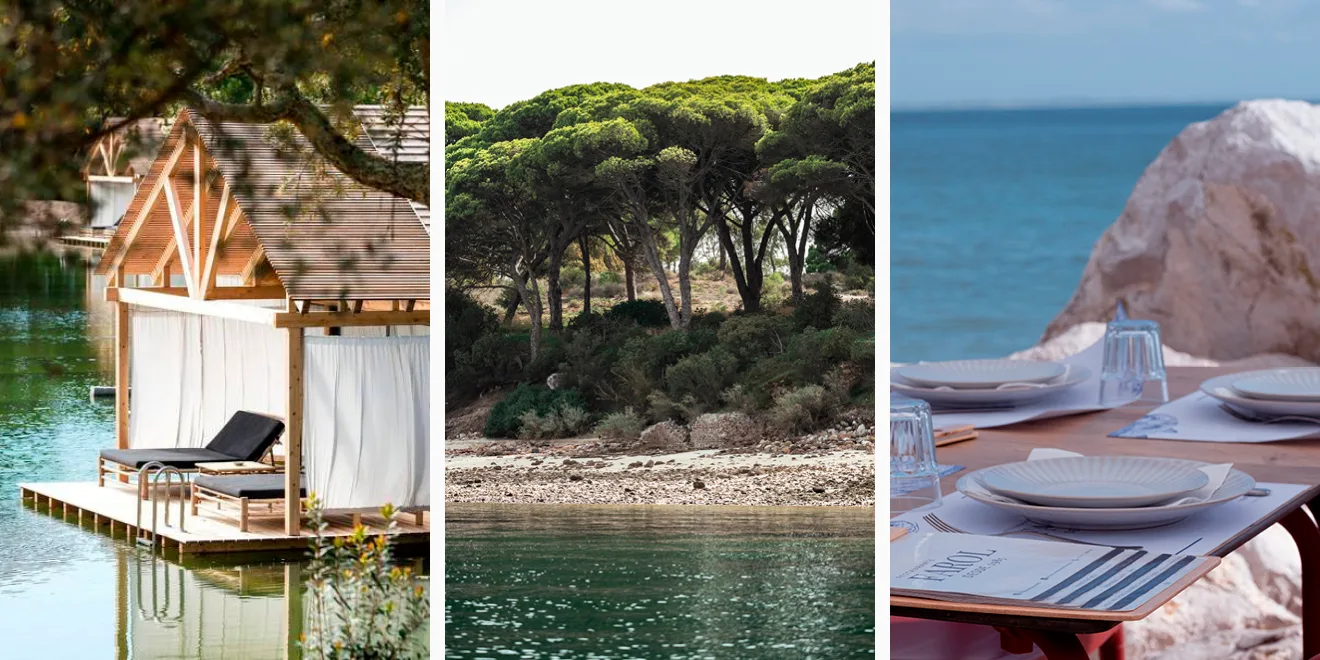
Century after century, this remote reserve has served as a hushed getaway for members of the White House, Portuguese royal family and French aristocracy. Despite its history of high-profile guests, Arrábida largely flies under the radar. These days, weekend vacationers and expat holidaymakers are laser focused on two coastal spots: The resort villages and 18-hole links that populate the southernmost Algarve region, and the buzzy northern seaside village of Comporta, now home to the French interior designer Jacques Grange’s bohemian beach house and hotels such as Quinta da Comporta and Sublime Comporta. (It has long been rumored that the luxury hotel chain, Aman Resorts, has wished to set up shop on Comporta’s shores.)
There is something slightly ironic, then, that many of Comporta’s most stylish lodges offer sweeping views of the Arrábida coastline, which is only a 20-minute ferry ride away, but remains something of a slept-on gem. Unlike its neighbor across the Tróia Peninsula, Arrábida is untouched and unpolished, exquisitely so. Two rounds of conservation efforts, one in the 1970s and the other in the 1990s, barred the region’s 68 square miles of Unesco-protected woods and dolphin-populated seas from being developed anywhere near the levels of Comporta, let alone the Algarve.
Here, you’re more likely to bump into a flamingo or a heron than a tourist. In place of vacation villages and resorts, there are crumbling moorish castles and hand-painted tile factories. Setúbal, an idyllic fishing town perched on the park’s Sado river estuary, “is still virgin," one local told me during a recent visit to the area. “Here, nothing moves. It's the same for years upon years upon years."
Teresa Barros, a Lisbon-born travel tastemaker who works with the Hotel Casa Palmela, a 17th-century manor house located in the heart of the reserve, said part of what makes Arrábida so unique is that its rarefied history is just as rich as its abundant wildlife. “Arrábida boasts a huge diversity of flora and fauna, towering chalky cliffs that burst with lush Mediterranean vegetation and breathtaking beaches,” Barros said. “At the same time, it's one of Portugal's best wine regions and the queijo de Azeitão, a Portuguese cheese originating from the town of Azeitão in Setúbal, is incredible.”
But, she added, the best part is that “Arrábida is completely unheard of.”