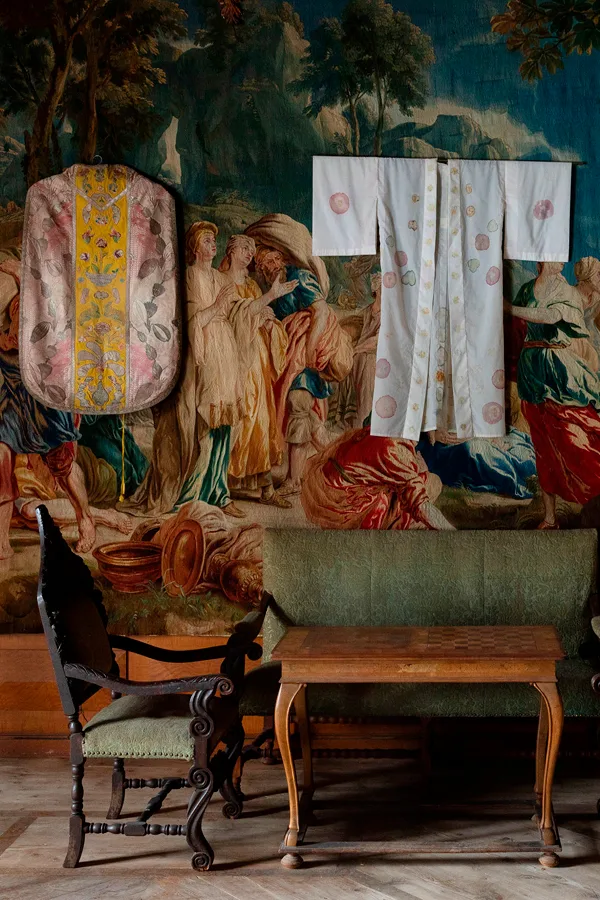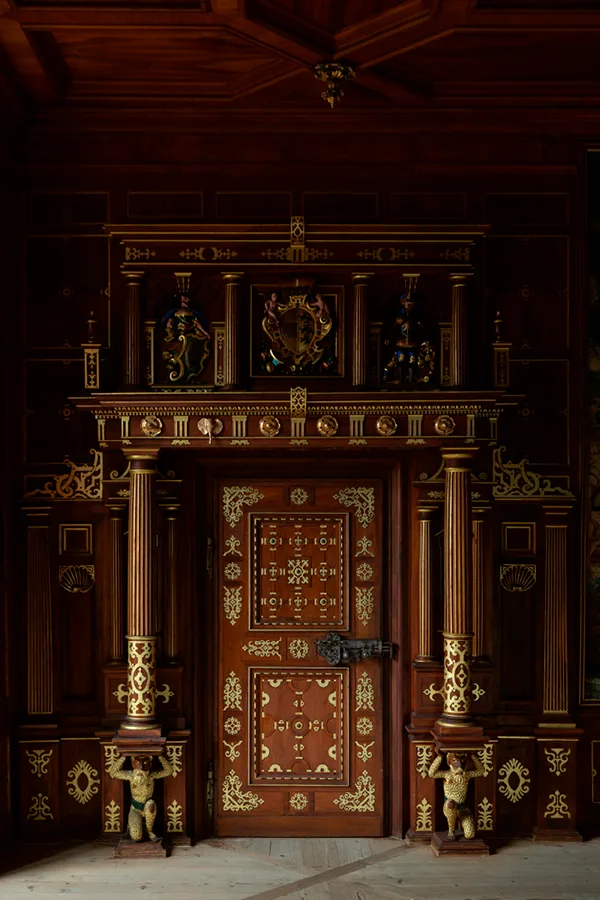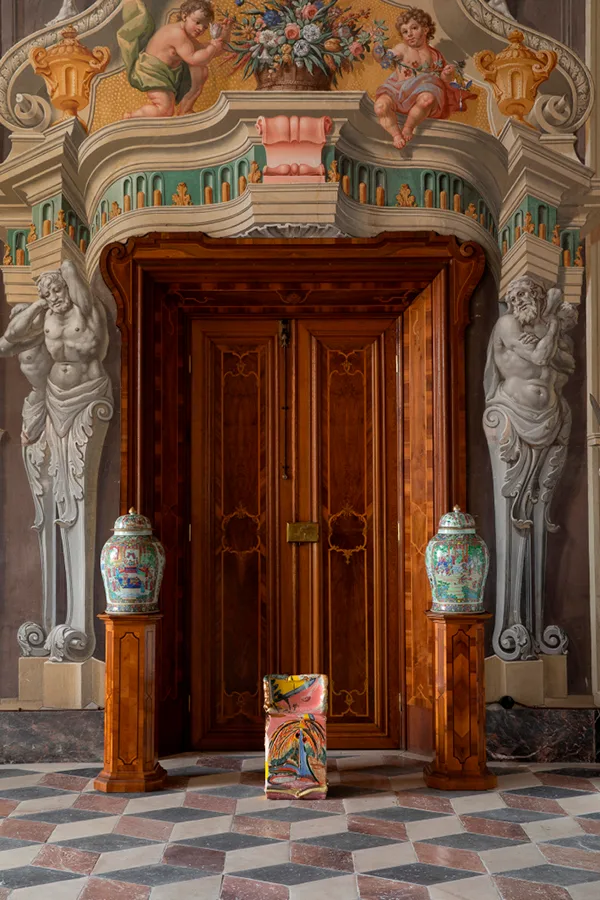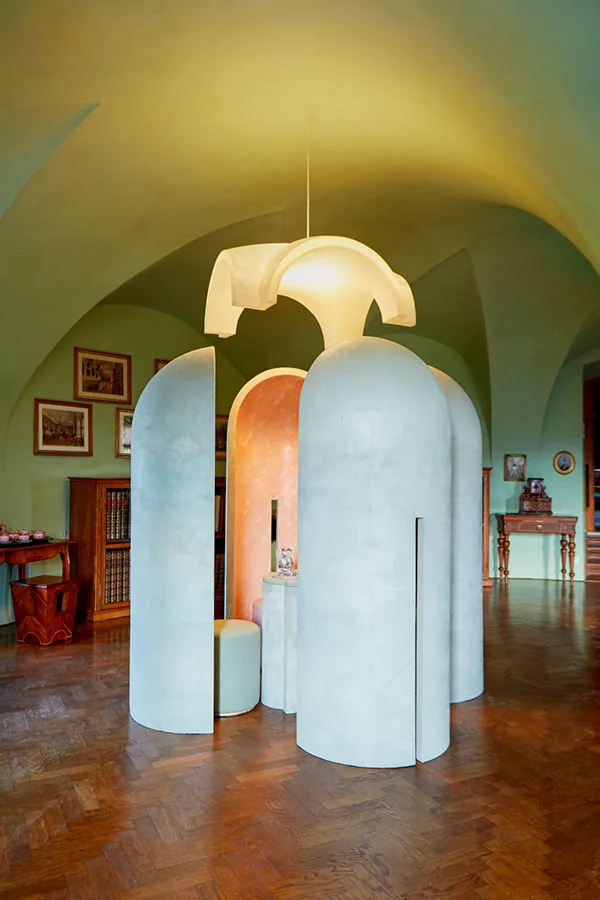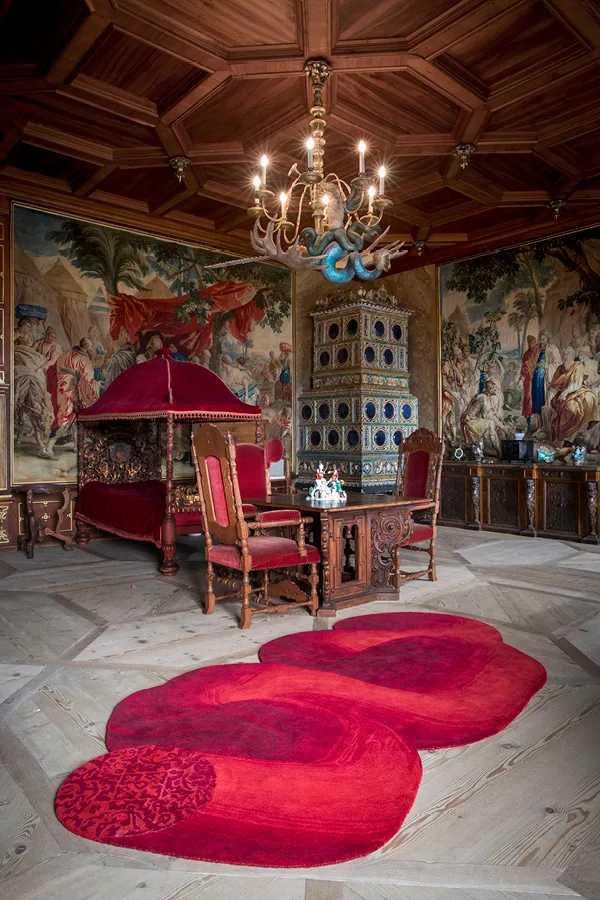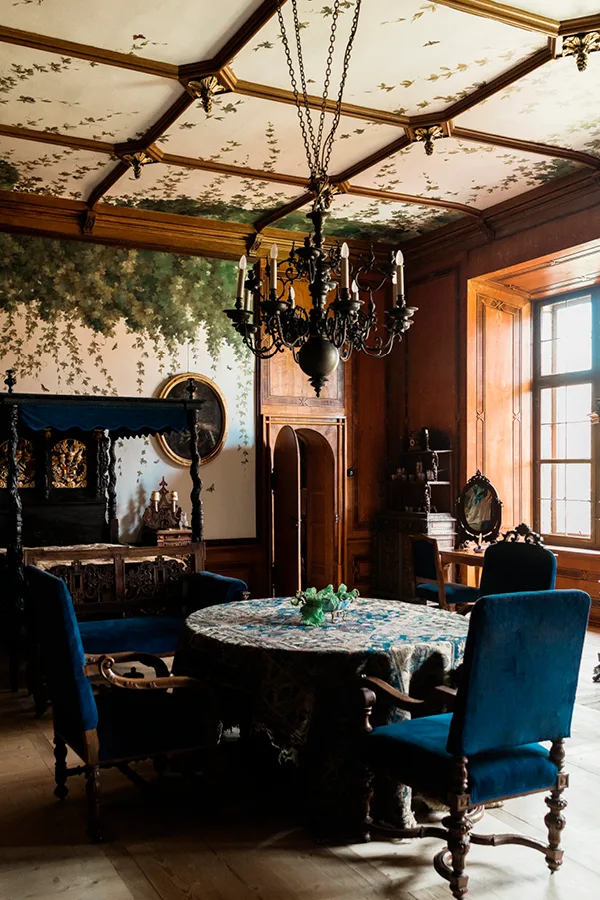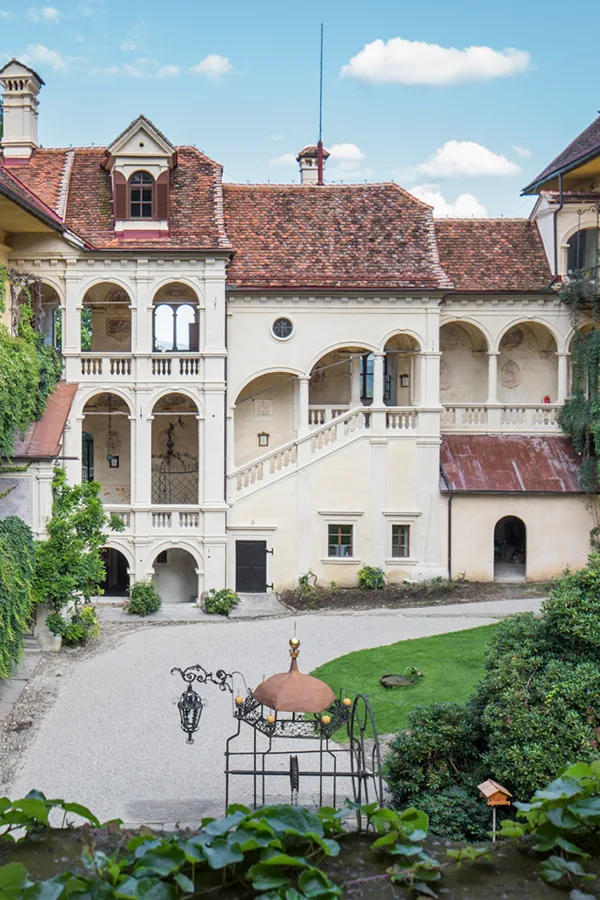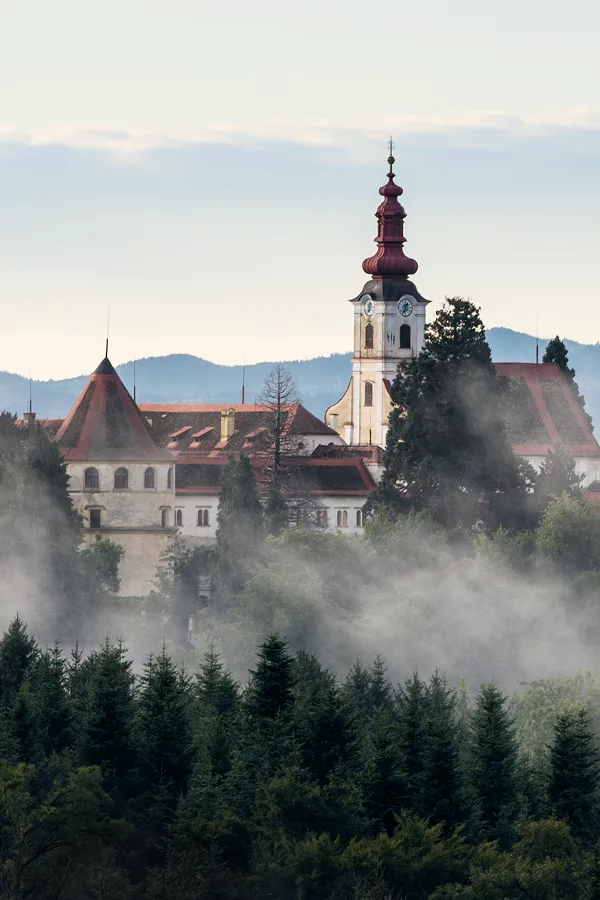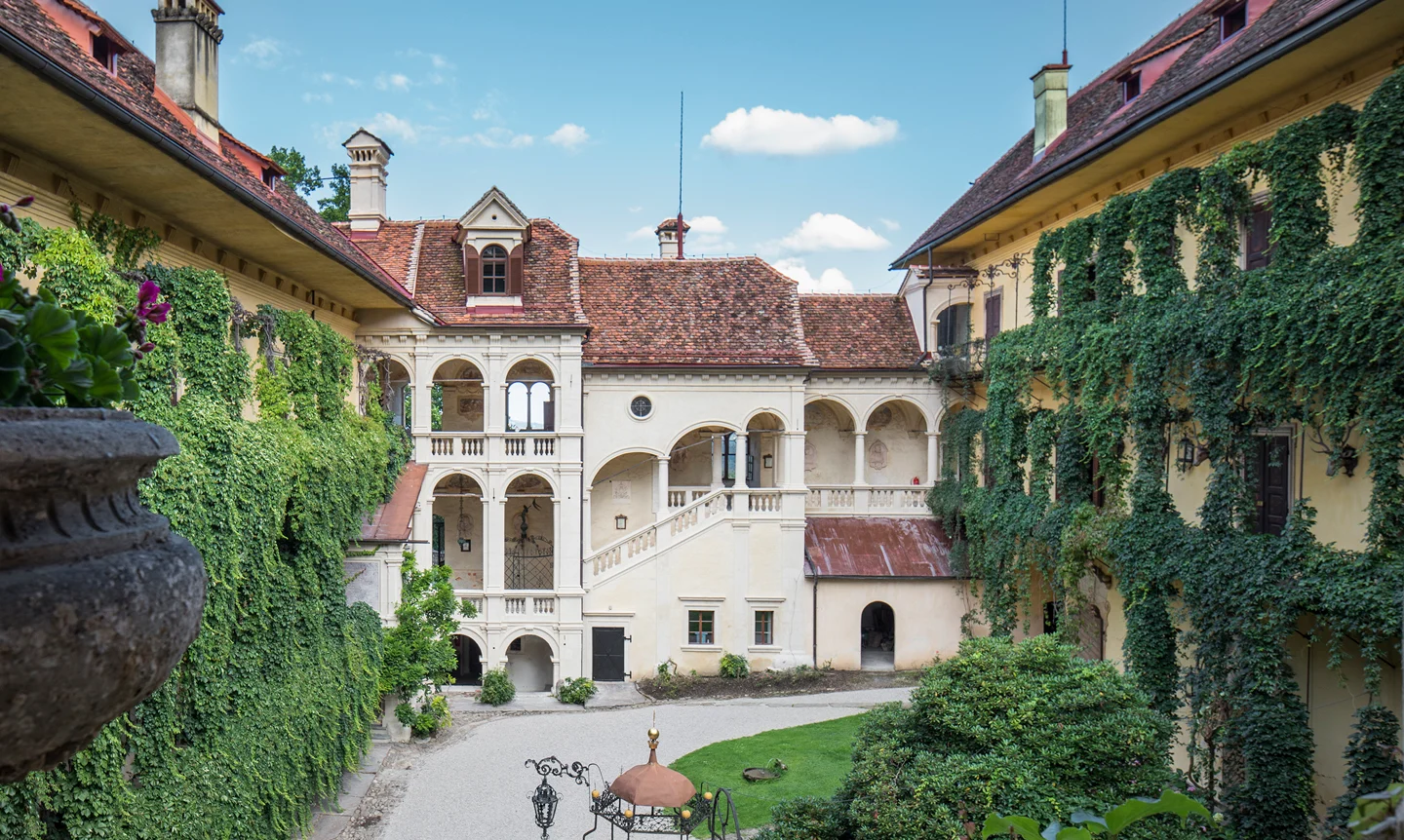
When the design curator Alice Stori met and married her husband, Alfred Liechtenstein, she also became wedded to his ancestral 12th-century castle, Schloß Hollenegg, located in a remote corner of eastern Austria. Initially, the idea of not living full time in a city (when not in Bad Schwanberg, where the castle is located, the couple, along with their three children, live in Vienna) made Stori- Liechtenstein, who has consulted for the likes of YOOX and La Triennale di Milano, a bit nervous. But after getting to know some of the locals, she realized that perhaps bringing a bit of contemporary design to this traditional region could make for meaningful and mutually beneficial exchange.
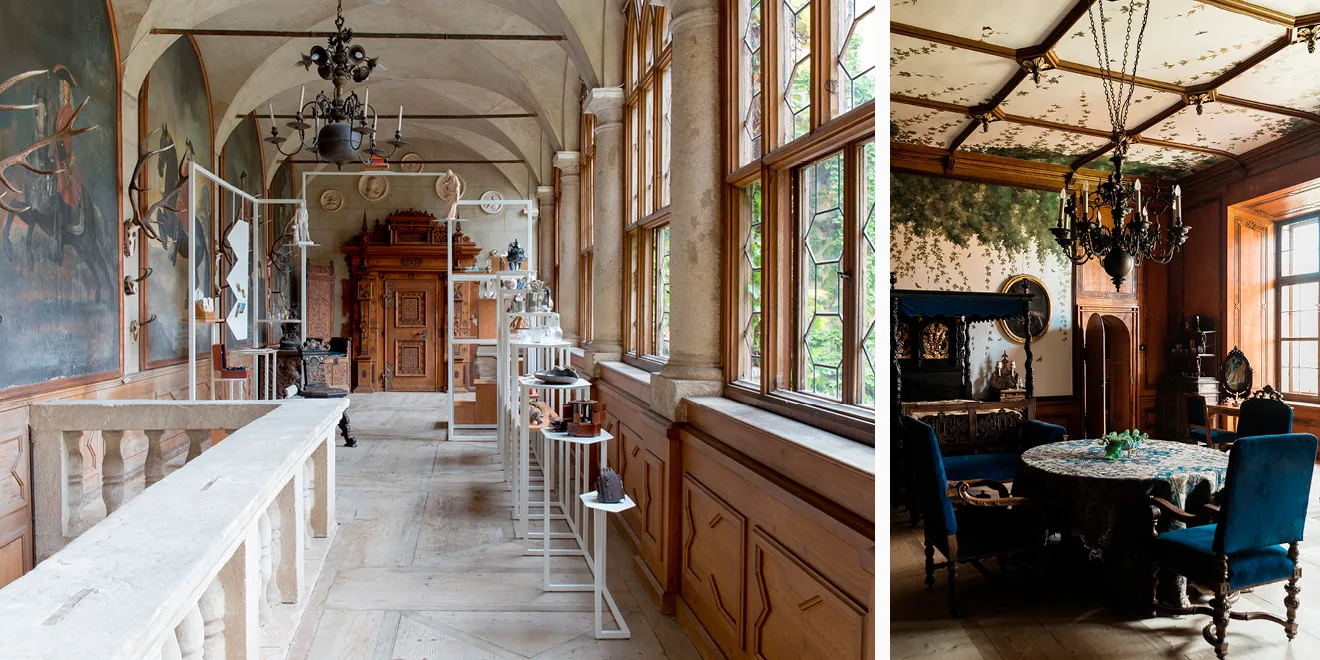
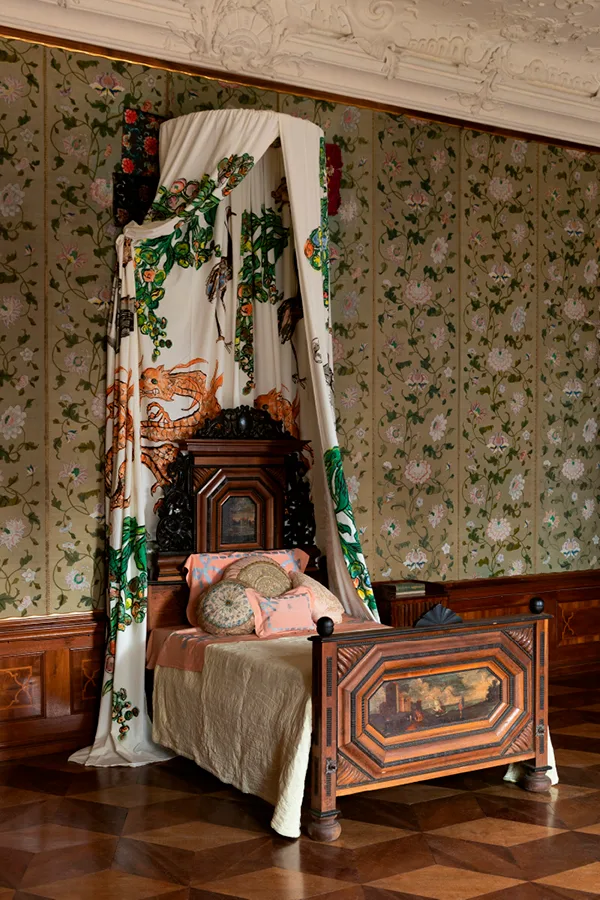
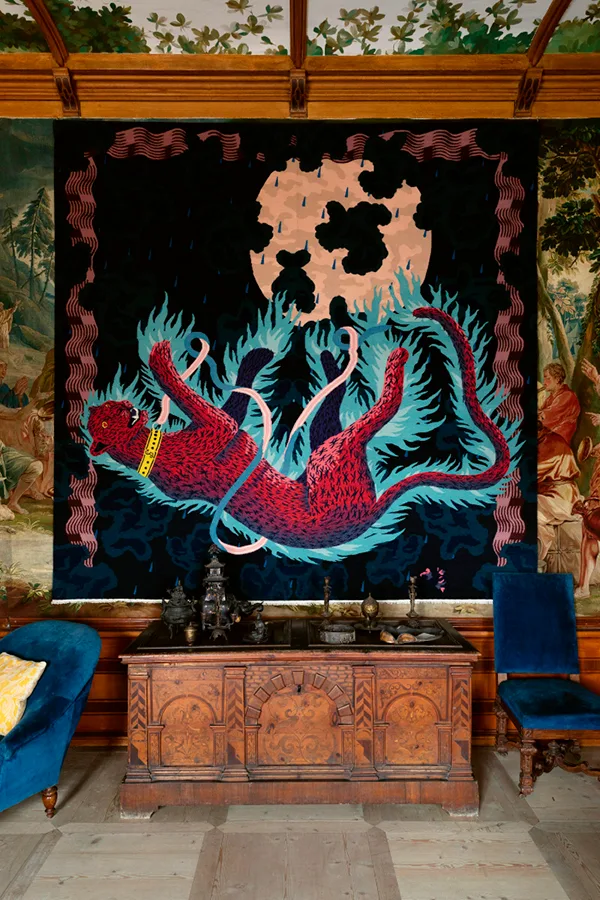
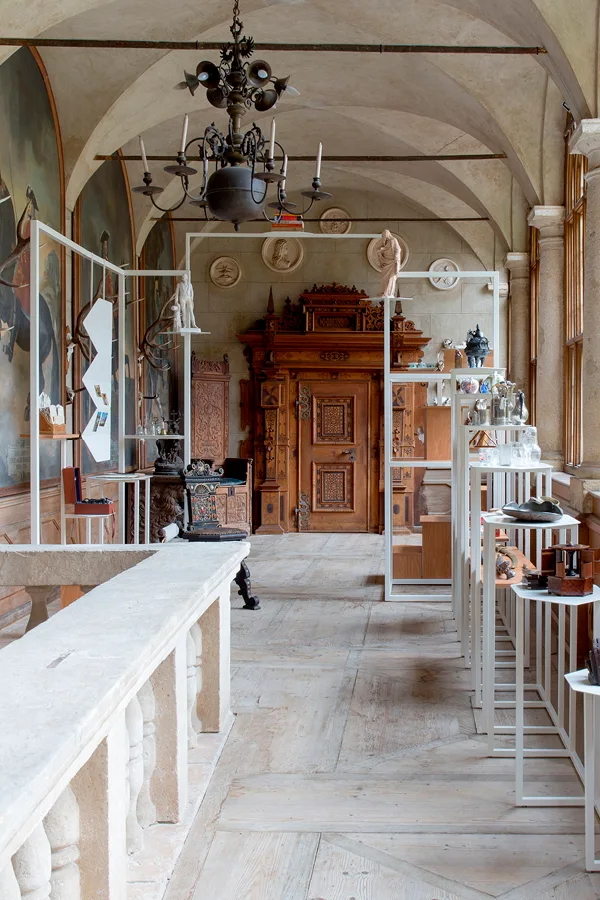
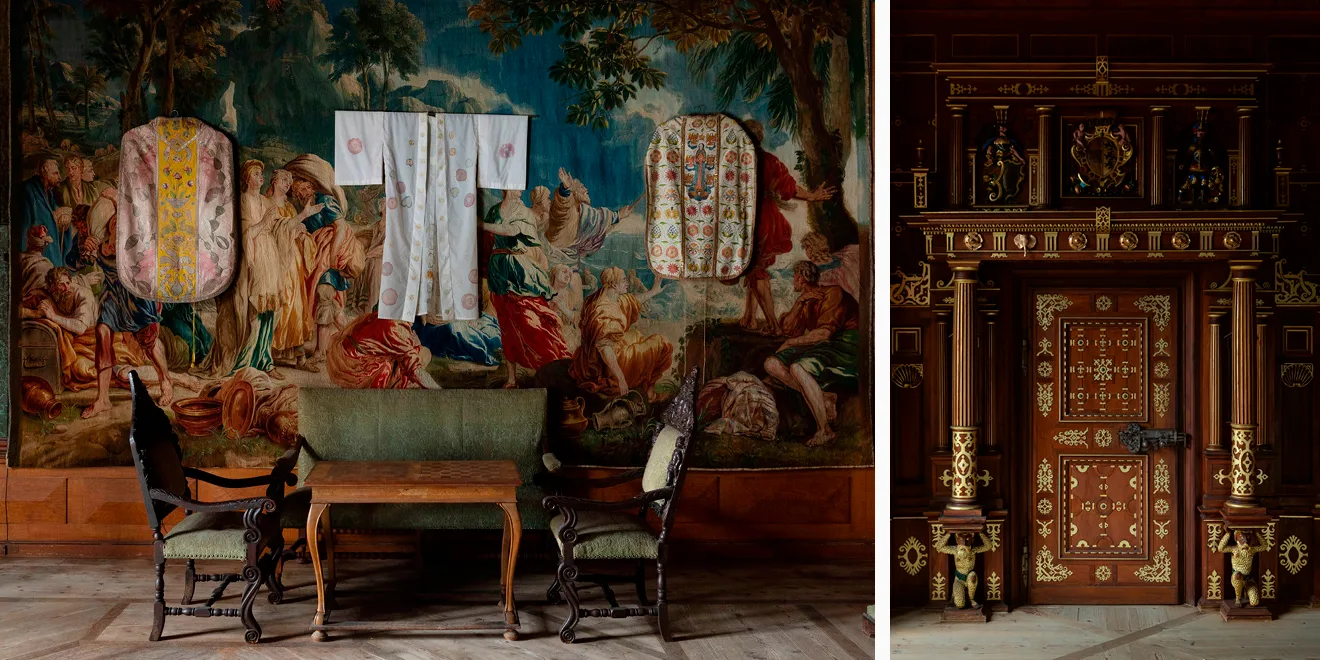
To that end, Stori Liechtenstein launched Schloss Hollenegg for Design, a residency at the castle in 2015. She invited different designers to live and work for several weeks, creating site-specific works that were inspired by their surroundings— from the Flemish tapestries to personal papers and notebooks to the castle’s Baroque chapel (which is open to local residents on Sundays). The final works are then displayed within the castle’s grand historic spaces (which include a ballroom and a Baroque chapel which is open to the public on Sundays) during an annual design exhibition.
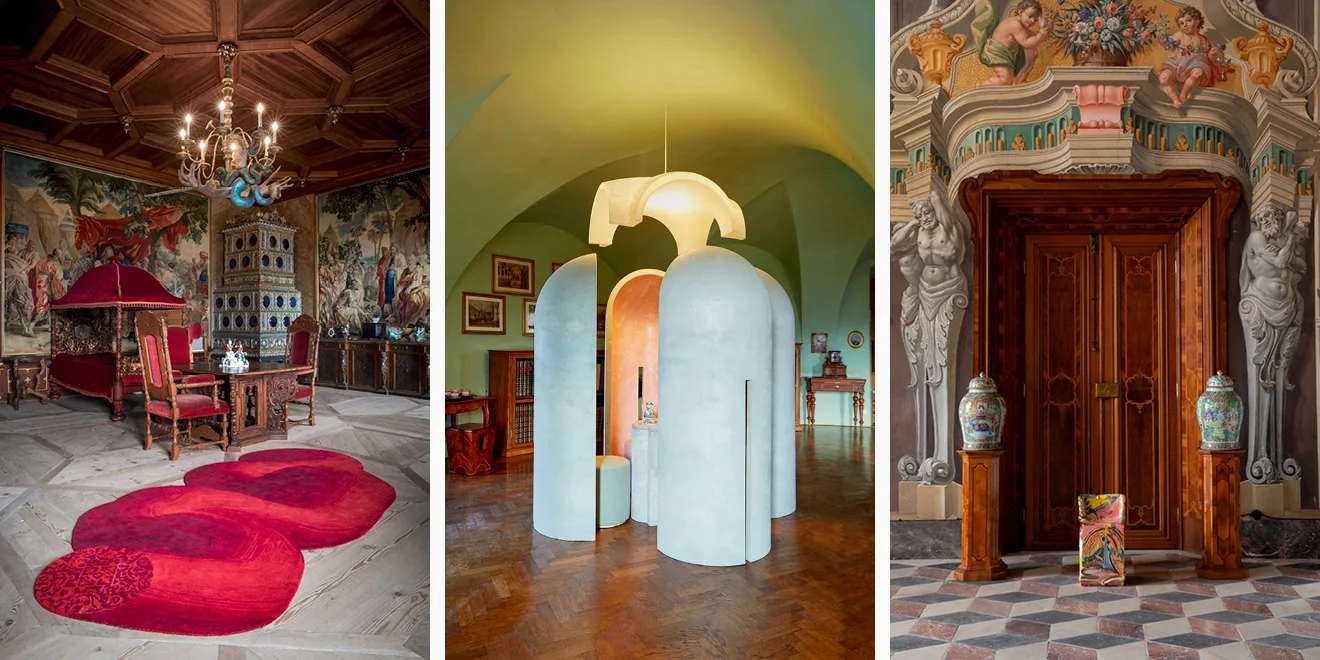
This year’s show “East to West, ”runs from May 7th to May 29th, featuring the work of twenty young European designers. For each show, Stori Liechtenstein starts with a theme that encourages the designers to engage with the history of the castle and the objects within it. Last year she teamed up with a curator from The Museum of Applied Arts in Vienna to create an exhibition titled “Earth + Fire” which explored ceramics through the ages. One designer chose to create a vessel printed from recycled plastic with a 3D printer that Stori Liechtenstein placed next to an historic ivory sculpture. “In some ways plastic should be as forbidden and precious as ivory because in many ways the materials are equally unethical,” explained Stori Liechtenstein.
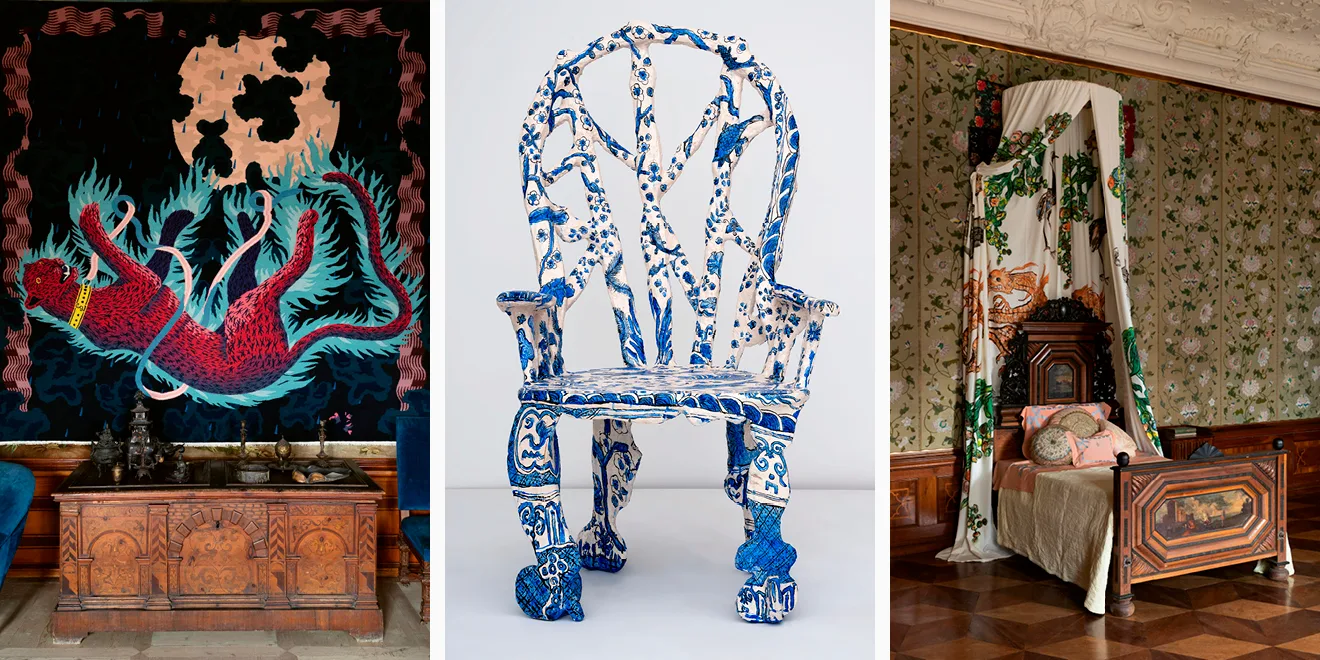
This year’s “East to West” examines the castle’s collection of objects and textiles from Asia and the themes of movement and displacement. “It started as a question about something landing in a place where it was not conceived or meant to be,” said Stori Liechtenstein. “But then it sparked more questions. For example, why were people in the 1800s so fascinated with what we call the “East”? Also, terms like East and West are a construct that are quite superficial.” The exhibition also raises questions about cultural appropriation as well as the repatriation of art works by museums to their rightful owners. “We all felt, especially during Covid, that it is so necessary to have open borders to encourage dialogues,” says Stori Liechtenstein. “And that we need to keep traveling so we can continue that valuable exchange.”
For example, one designer, the Netherlands-based Nenke Hodwit, became intrigued by several Chinese embroidered silk wall hangings at the castle and decided to do a project that upends the modern clichés about goods made in China. “Somehow it’s become accepted that when you talk about things made in China it means it’s cheap and industrial quality,” says Stori Liechtenstein. “But of course much of what was made in China in the 18th and 19th centuries were of the highest quality and incredibly precious.” Hodwit designed a contemporary cabinet made from mulberry wood in China to prove that one could have an object that was both exceptional and sustainably sourced “It’s about finding a new way of telling stories about globalization,” says Stori Liechtenstein.