A Late-Summer Call for Nature
Two-hour taxi lines clog Roma Termini, the main railway station of Rome.
Ditto for the wait at the Acropolis in Athens.
Record-breaking heat combined with record numbers of travelers means summer 2023 has been un bagno di folla — a bath in the crowd, to borrow an Italian phrase used this week by journalist Anna Momigliano in the The New York Times to describe the endless “tourist logjams” in Venice.
A very, very crowded bath, it seems. Last week, the United Nations recommended the floating lagoon city to UNESCO’s list of World Heritage in Danger, citing current corrective measures to protect the historic canals from climate change and overtourism as “insufficient.”
So, here’s a bit of August advice: For a mental break from the masses, these fresh windows into the natural world — from coastal cypress groves in Carmel-by-the-Sea to a new beetle-and-butterfly mania sweeping Manhattan — just might be the bird’s eye perspective you’re looking for during the homestretch of summer.
A History Museum’s New Wings
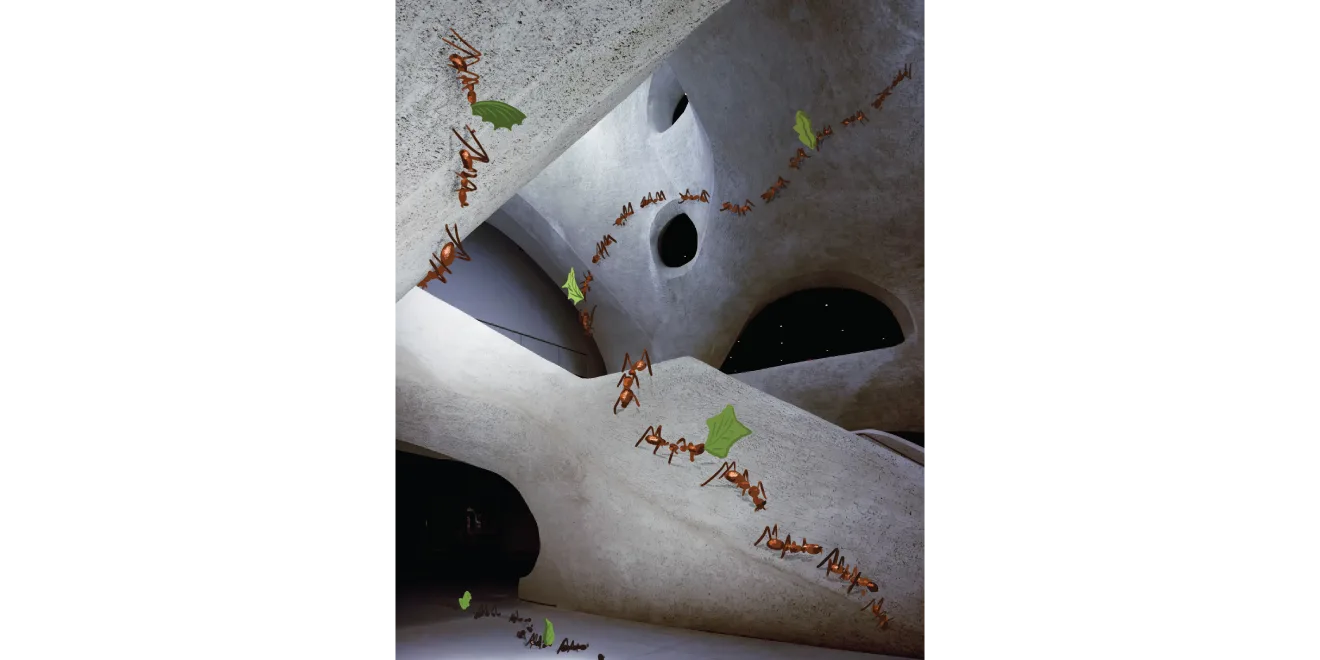
The Richard Gilder Center for Science, Education and Innovation, the new 230,000-square-foot wing of New York’s American Museum of Natural History, is a new type of architectural marvel for the city: a building resembling a natural canyon in Central Park.
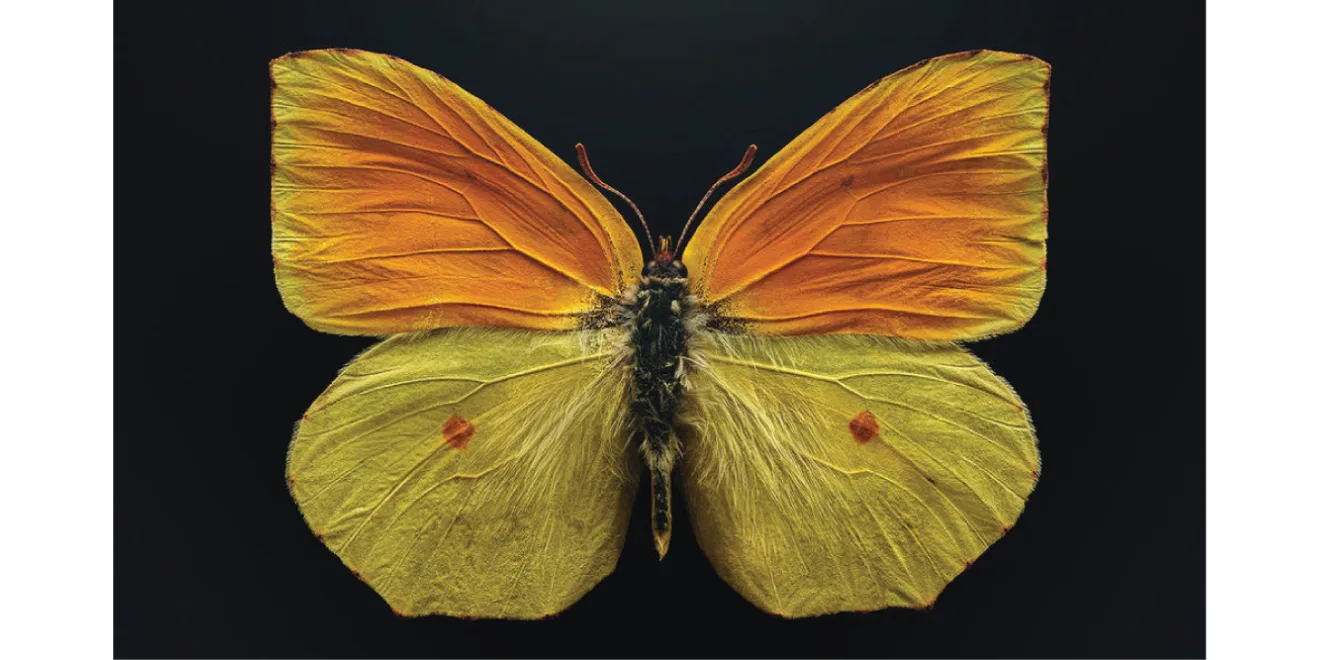
Designed by Studio Gang, the 230,000-square-foot addition houses a butterfly vivarium, a massive ant farm (filled with 500,000 leafcutter ants) and a 5,000-square-foot insectarium (complete with a 8,000-pound resin model of a beehive).
Sean M. Decatur, the museum’s president, said she hopes the Gilder Center will showcase “how all life on Earth is connected.”