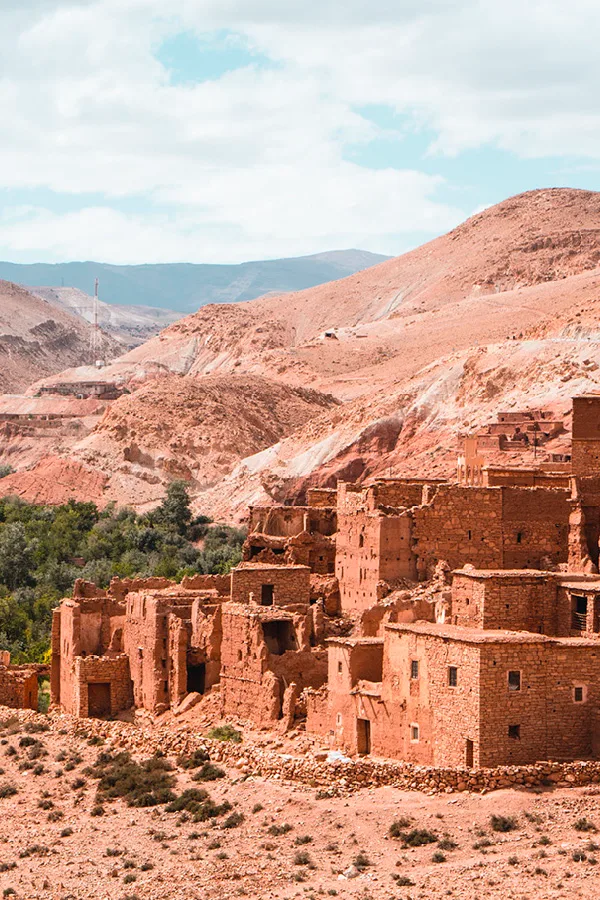
Morocco’s exquisite and earthly gifts have served as playgrounds for the most sophisticated and tasteful, Yves St. Laurent and Talitha Getty alike. At the same time, this land has inspired people all over the world to involve its native resources, such as rosewater from the exceptionally perfumed Damascena rose and ghassoul clay harvested in the Atlas Mountains, in their beauty regimens. These most effective and prized ingredients are readily available in Marrakech’s local markets and bazaars, sparing you a long trek over valleys and deserts. Below are a handful of some of the most cherished products that have long been implemented into Moroccan beauty rituals, passed down from generation to generation.
Ghassoul Clay
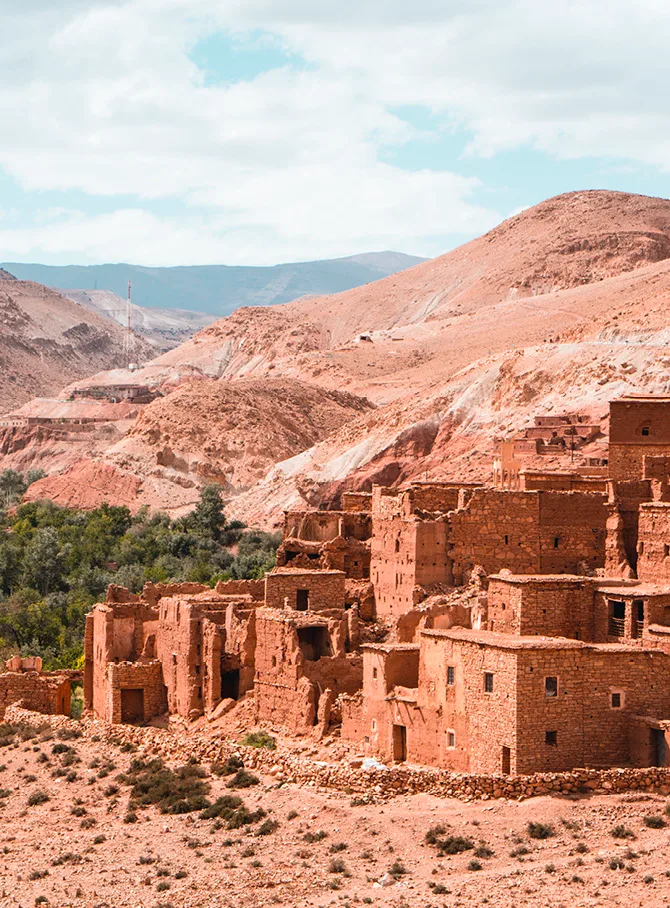
Also known as Rhassoul, this potent, magnesium-rich clay comes from the Atlas Mountains and can be used to detoxify the face, body and even hair. Best purchased in powdered form, the clay can be mixed with warm water (and even rosewater and essential oils) to achieve the desired consistency and quantity for the area of application. The negatively charged minerals of the clay help wash out the skin’s positively charged toxins, enabling it to draw out impurities all over the body. Ghassoul clay is also gentle enough to be used as a daily skin cleanser. At the local hammams, the clay is applied pre-bath to cleanse and soften the skin. For hair, it can be used as a natural shampoo as well as a soothing scalp treatment.
Rosewater
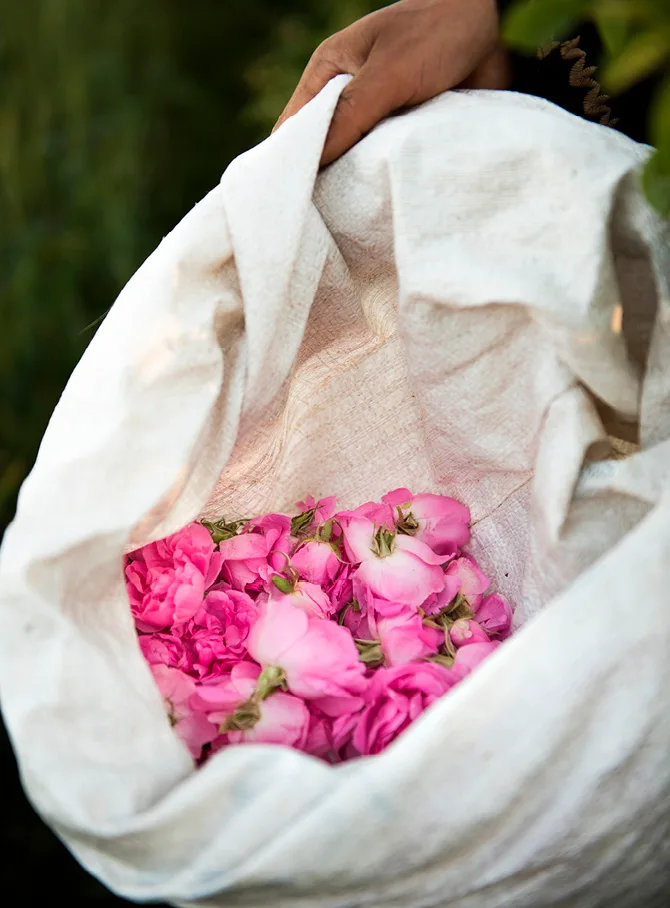
A long-trusted Moroccan remedy, rosewater is one of the earth’s most natural anti-inflammatories, helping to relieve dry, itchy skin. Because of its low ph 5.5, it’s easy to incorporate into your skin regimen as a gentle, purifying toner. Its antioxidant properties make rosewater a go-to remedy for minor infections and eye irritations as well. Roses bloom everywhere in Morocco, but the majority of the rosewater sold in the regional bazaars is derived from the famed hot pink Damascena roses grown in the Kelaat M’Goun valley. Here, the native roses are steam distilled to preserve their intense perfume, unlike other parts of the world where rose oil is simply mixed with water. These exceptionally fragrant bouquets are not only cultivated in the region for rosewater production, but the blooms are celebrated with a yearly rose festival each May.
Argan Oil
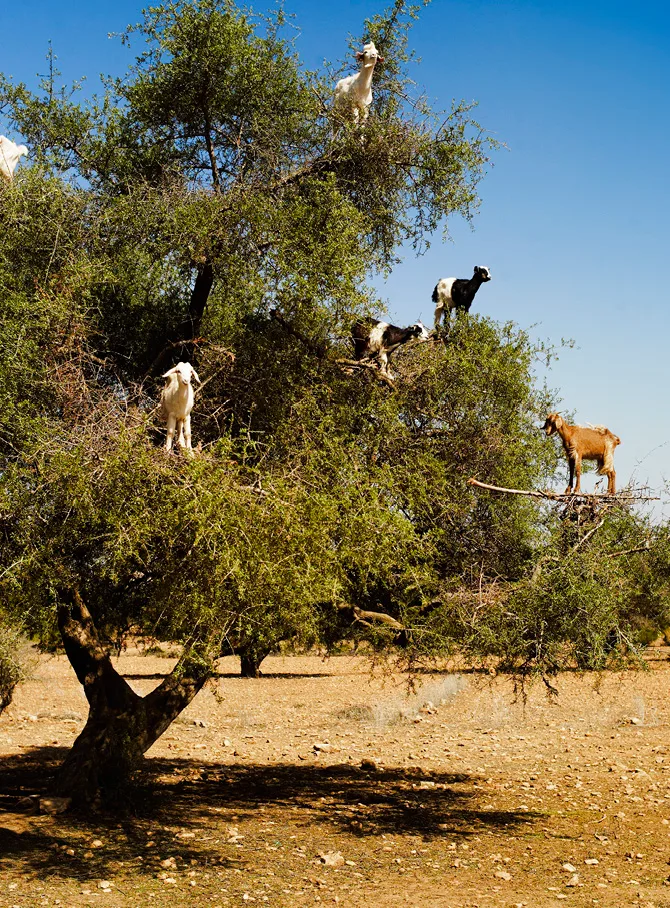
In the last ten years, the world has finally caught on to what Moroccans have known for centuries – that Argan oil, also referred to as liquid gold, is one of the most fortifying and beneficial oils for hair, skin, and internal health. Found primarily in the Sous Valley, a region near Essaouira, obtaining argan oil is pretty labor-intensive and multi-step. The fruit of the Argan tree is consumed by goats who climb up into the branches and then spit out or excrete the large seeds. The oil that’s then extracted from the kernels of these seeds is bountiful in nutrients. Largely produced by Berber women cooperatives, argan oil can be used directly on the skin to heal wounds, hydrate, and aid in elasticity. The most popular use is as a superfood for hair, applied as a thick mask. Applying a small amount post-styling will help repair split ends and give a deep shine to hair. Pure culinary Argan oil is also sold at various local souks; a powerful antioxidant, rich in vitamin E, this oil is best used at room temperature, often served drizzled over bread or vegetables in Morocco.
Sabon Beldi
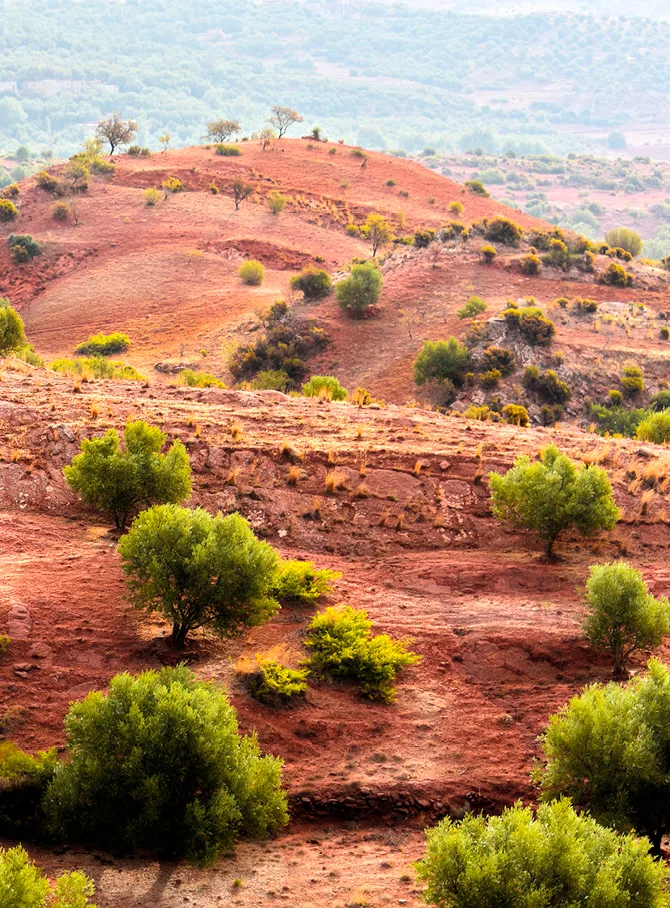
This famed “Moroccan Black Soap,” sold in the local markets and used widely in hammams, is one of the purest forms of soap you will find. Made from virgin black olive oils, it’s gentle enough to be used every day. The ingredients are also free of any synthetic additives and irritants unlike commercialized brands. Also – because of the high vitamin E content, it will not rob your skin of the existing oils, nor will it dry your skin out like regular soap. Most often sold as a dark green paste, sabon beldi should be left on the skin for several minutes to reap the moisturizing benefits.
Kessa Exfoliating Mitt
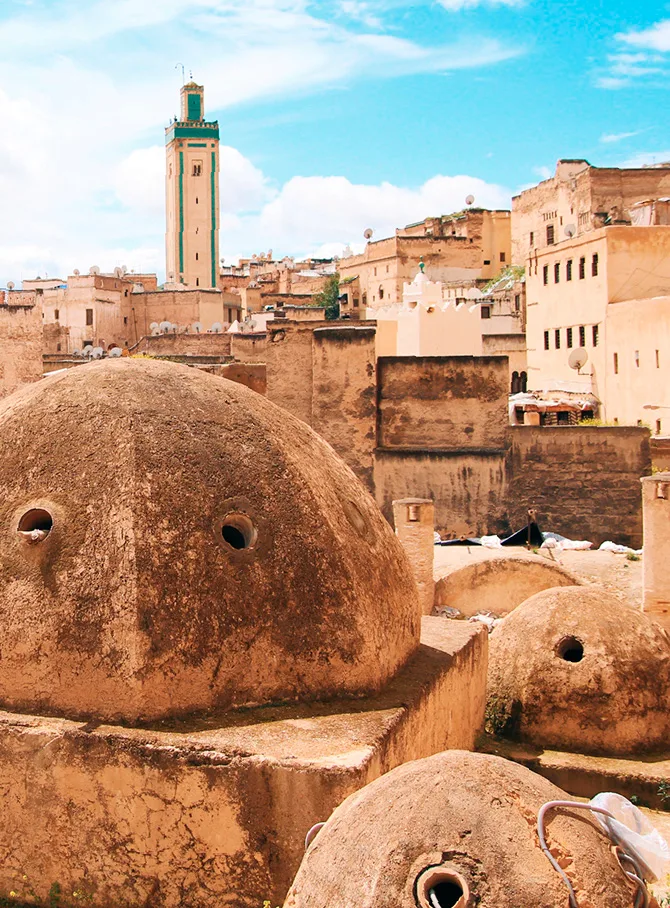
The Kessa (sometimes known as Kees-eh in other regions of the Middle East) is an inexpensive but priceless bathing tool that uses natural fibers to exfoliate dead skin. This bathing ritual is a regular and essential practice among Moroccans to refresh and restore the healthiest state of their dermal layers. This simple but effective bathing tool can be found nearly everywhere in Morocco for little cost and big payoff for overall skin health. Use in tandem with beldi soap, to invigorate the skin and the mood, promoting circulation and soft, vibrant skin.
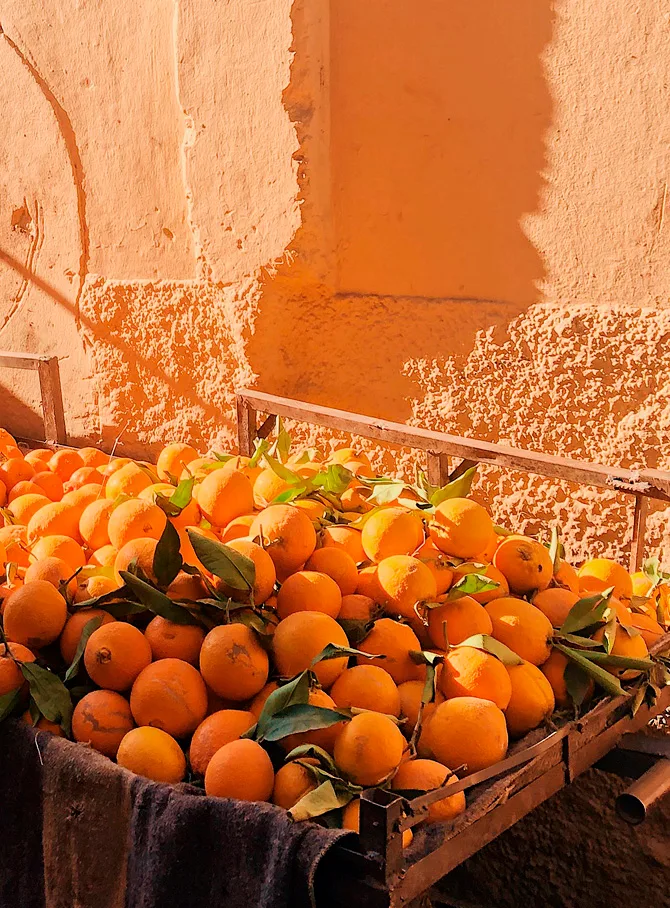
Bitter Orange Blossom Oil
Also known as neroli, this oil, extracted from the wonderfully aromatic and antioxidant-rich white flowers of the bitter orange tree, yields a healthy dose of moisture when applied directly to the skin. And for those who are prone to breakouts, this is an excellent option because the antibacterial properties of the oil helps control the production of sebaceous cysts, as well. The steam- distilled essential oil has also, for centuries, been used to aid in easing tension, anxiety, and stress. When taken as an ingestible tonic, bitter orange oil has been traditionally used to improve digestion and as an appetite suppressant. It’s a worthy scent to add to your fragrance collection, beautiful paired with both soft jasmine and more vibrant aromas.