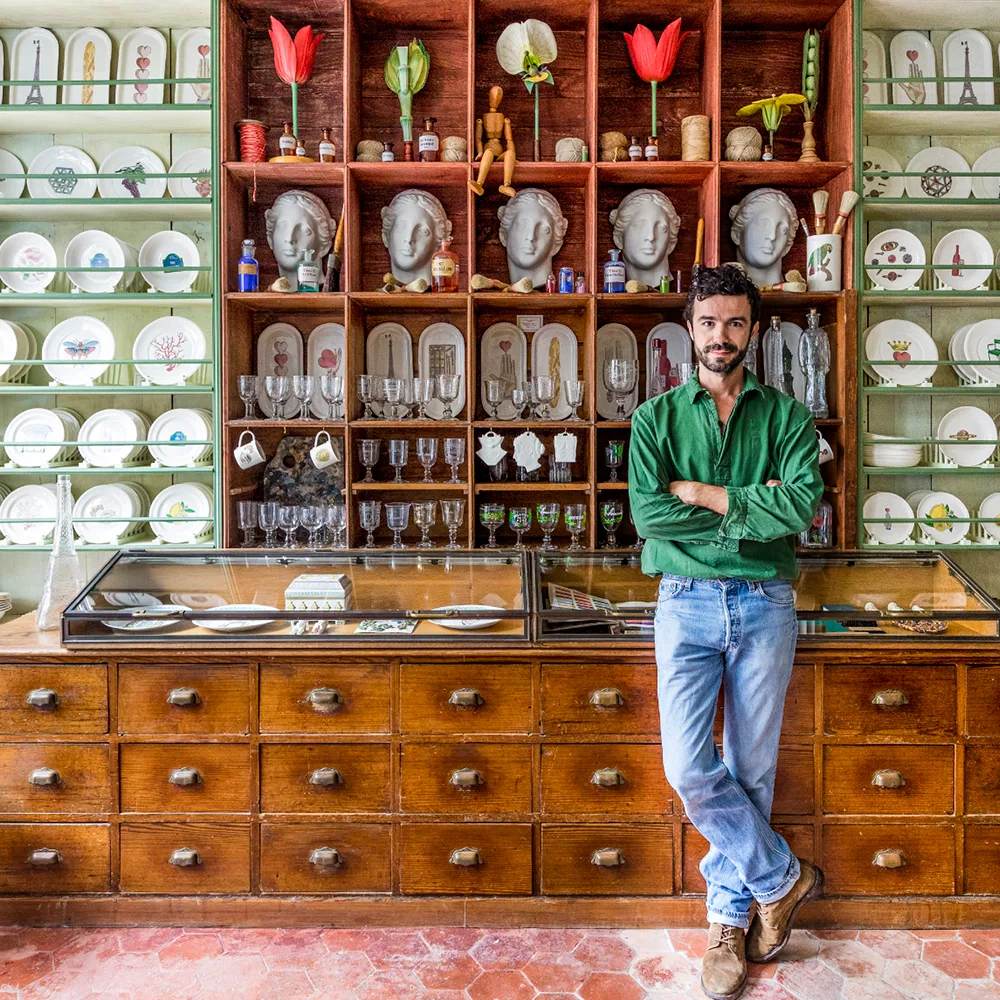
As ceramics — both collectible artworks and the culture of l’art de la table — have experienced a sustained boom over the past decade, it has become increasingly difficult to tell the difference between the good and the exceptional. Enter La Tuile à Loup, an insider's treasure trove, tucked away on a cobblestoned street in Paris's 5th arrondissement.
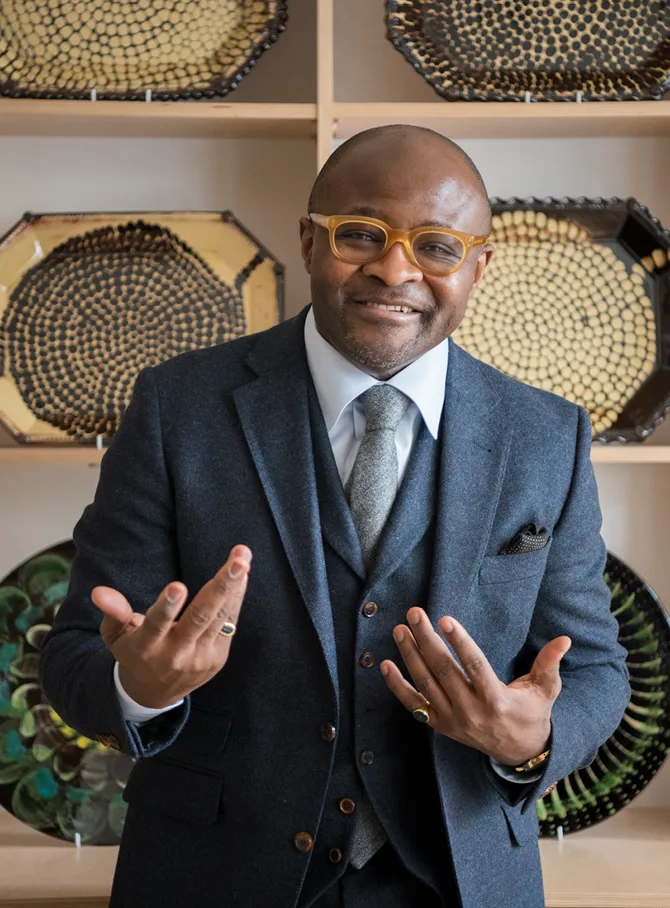
A cult address since it opened in 1974, for the past 14 years it has been in the hands of Eric Goujou, a banker turned ceramics aficionado who safeguards the store's legacy with an unwavering passion. Open by appointment only (don't be deterred by Google, which lists it as permanently closed), visitors come from far and wide to collect utterly original tableware and objects, all hand-crafted by artisans across France.
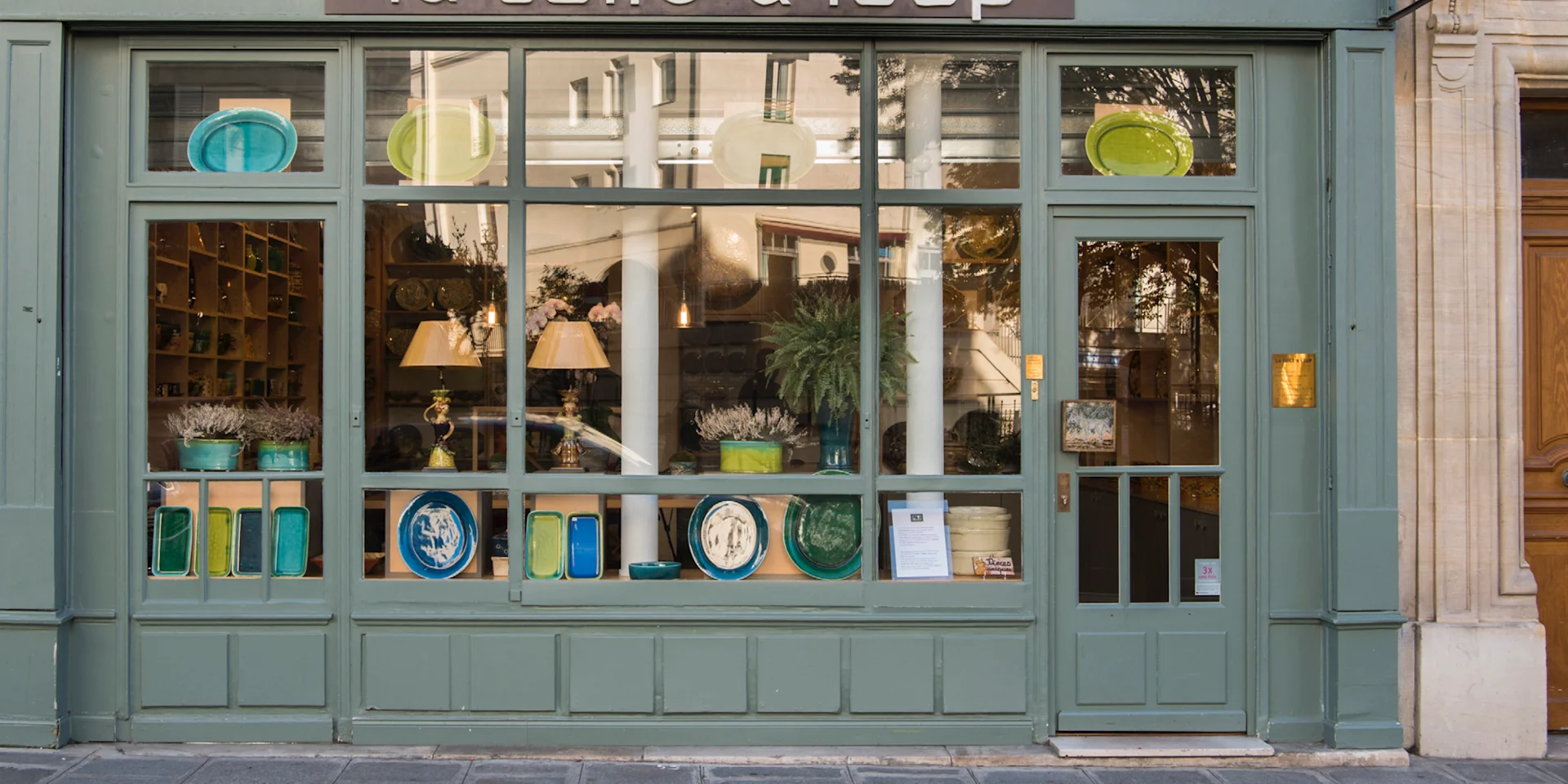
"This is the only place where you can find their work, outside of their workshop," says Goujou of the distinct selection he has assembled. "Each of them has a unique story because they are doing something that comes from a tradition, or it's an interpretation of what they have learned. If you traveled all over the world, you would not find this exact thing."
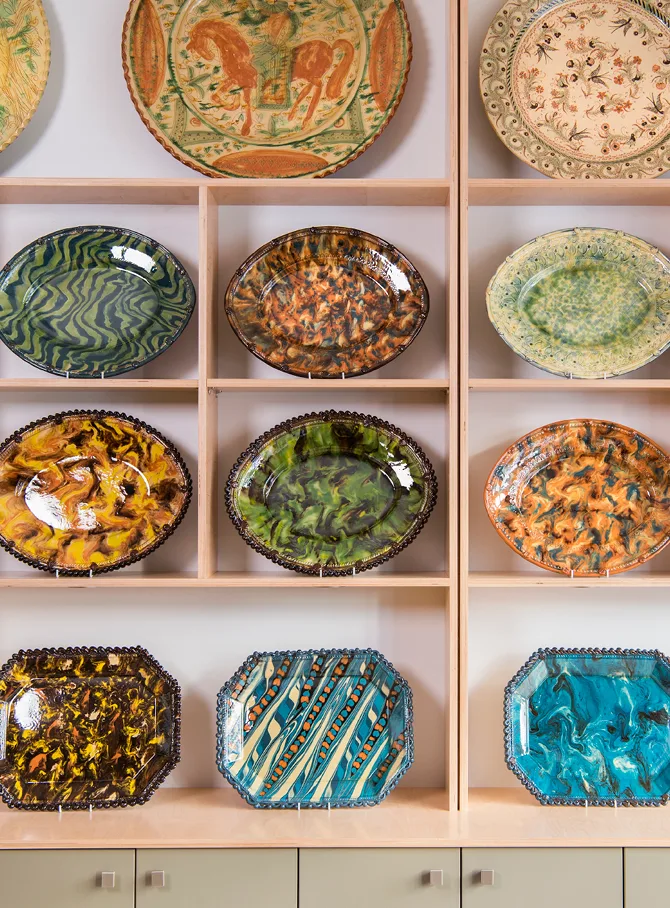
Goujou spends his weekends venturing all over France to visit these artisans, many of whom have sold through the store for decades. Part of his role, here, is to encourage them to push their creative limits and to create exclusive treatments and styles. He points to a collection of large plates and bowls cast in earthy hues, alive with elaborately painted flowers in a 3-D relief. "This artisan is experiencing his golden age, and this is not like the regular pieces he does locally — this is more demanding and more intricate."

When pushed for details, Goujou remains guarded about the names of his artisans and the provenance of their work: "This is not a gallery,” he says. “Our focus is preserving traditional craftsmanship. What motivates my professional commitment is the idea of fostering know-how and an expression of a culture, a way of living." Plus, he adds, the craftsmen are not necessarily connected with the tradition of a region: "Someone who lives in Normandy might be doing a technique that comes from Provence."
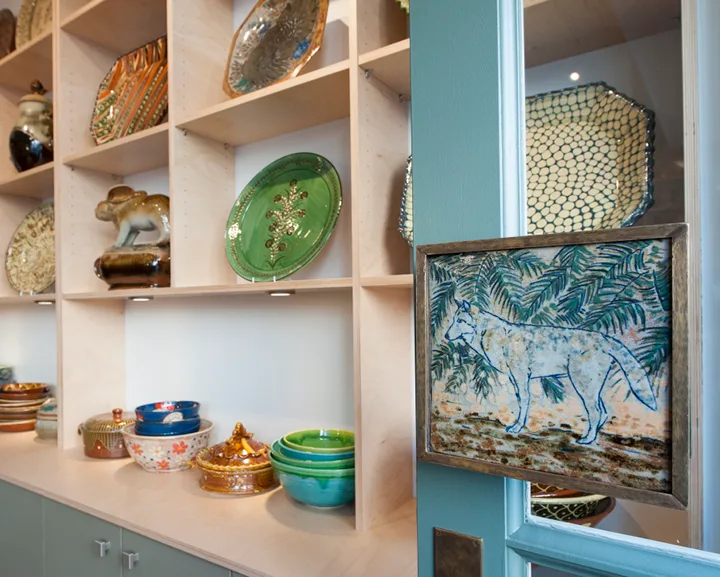
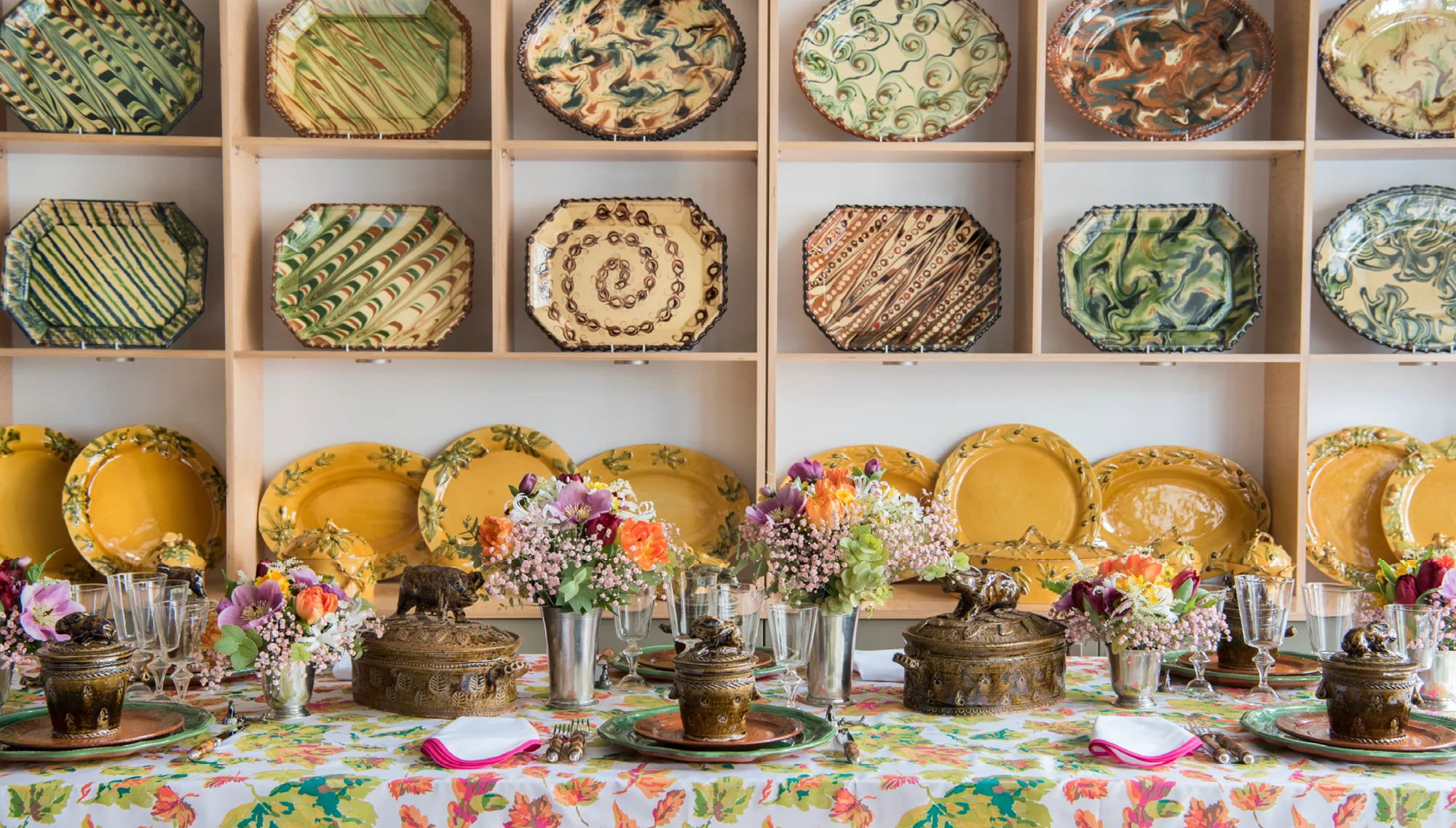
When you think of French porcelain, you might think of delicate Limoges china, what Goujou calls "the royal style." But the curation at La Tuile à Loup sits refreshingly at the other end of the spectrum. The collections have provincial charm and are cast in eye-catching glazes, from striking azures to more muted deep ochres and browns. "This is more rustic, in the tradition of folk art," explains Goujou of the collection. There is a French touch, though, which unites the two schools: "What I have discovered to be particular to the French potter is a natural ability to let go, and to have faith in art that dismisses the necessity for control," he explains.
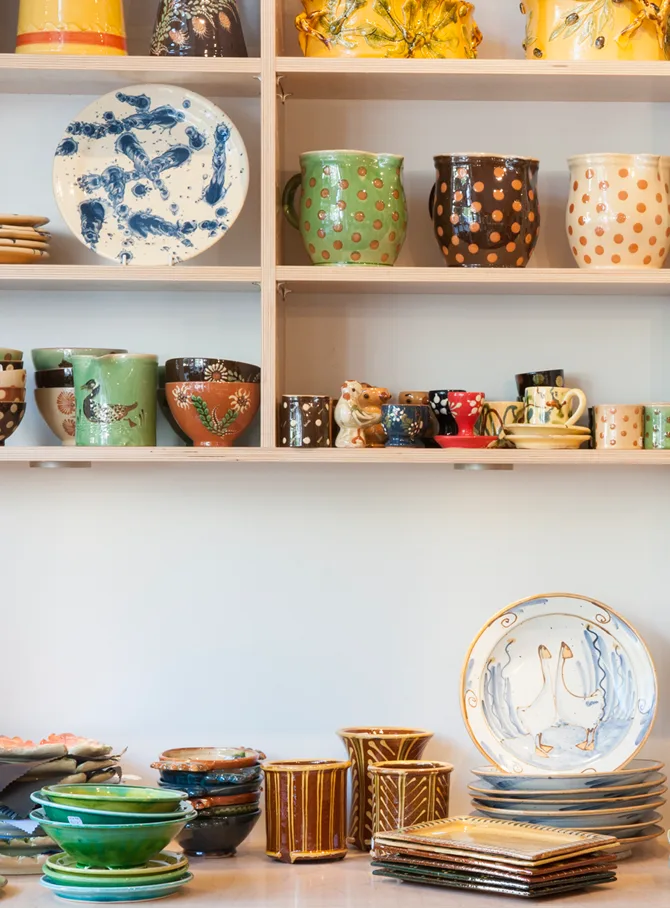
The pieces are charmingly decorative; some technically so — like the selection of marbled ceramics, a pattern that is actually fashioned into the clay and not the glaze. All have that recognizable touch of the hand. "Perfection is not the aim, and productivity even less so," Goujou says. "In the end, I wanted to create a lifestyle around the pottery. They are beautiful, but they have a functional quality.” However artistic and worthy of collecting they may be, these ceramics are to be enjoyed, making for a true art de la table.
La Tuile à Loup | 35 Rue Daubenton, 75005 Paris | +33 1 47 07 28 90