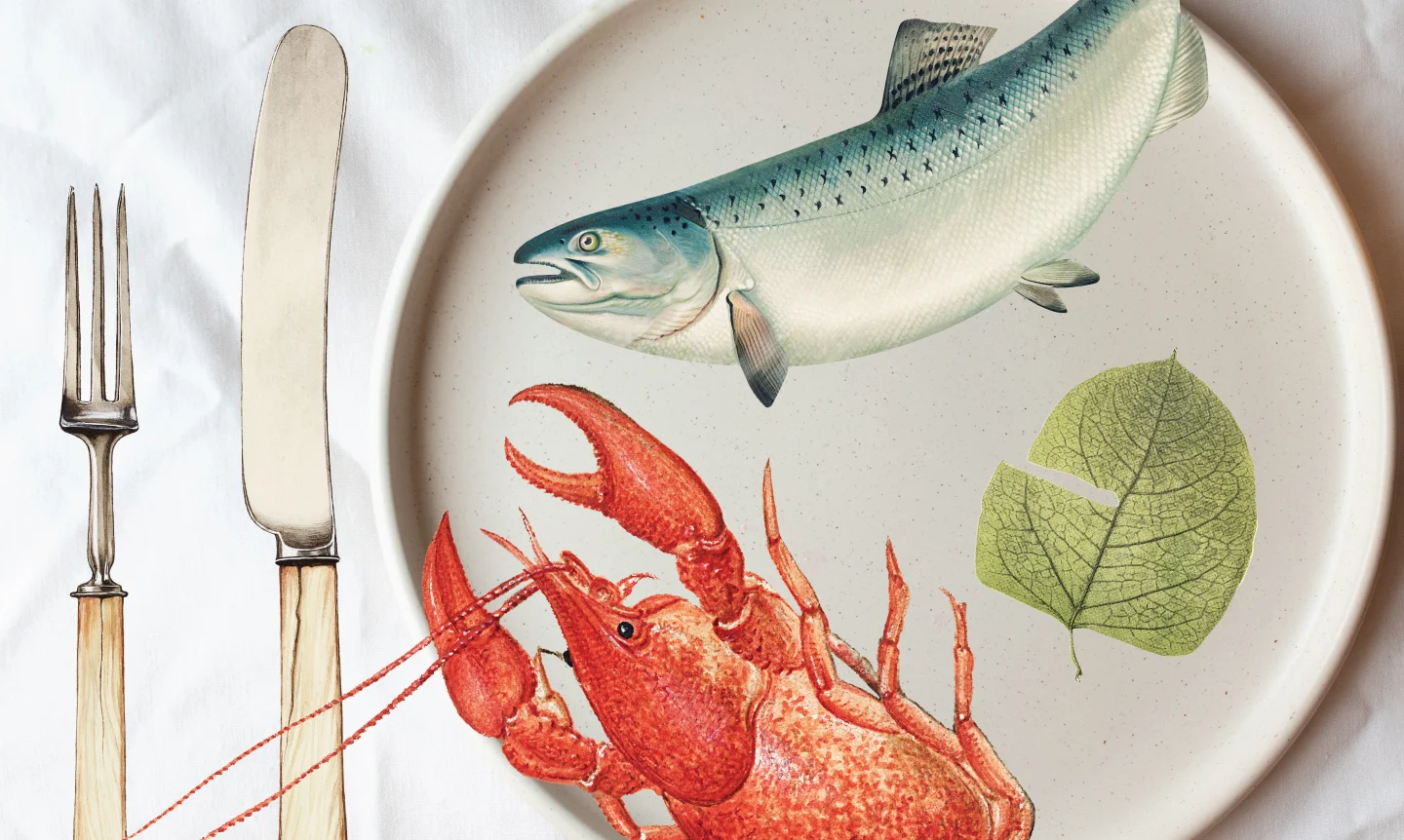
In today’s era of overconsumption, it’s hard to think of a time when the solution to a major problem plaguing the planet was to, well, consume more. But a can’t-beat-them-than-eat-them mindset is what drives the basic idea of invasivorism, a food movement built around eating invasive species — Atlantic blue crabs along the Atlantic coast of Italy, ballooning lionfish populations in the Gulf of Mexico — as a means of pest control. Though the United Nations suspects the global damage from invasive species to total 423 billion dollars each year, some destructive critters, like the spotted lantern flies swarming New York, are not on the menu.
Below, a roundup of dangerous delicacies around the world.
London, Silo
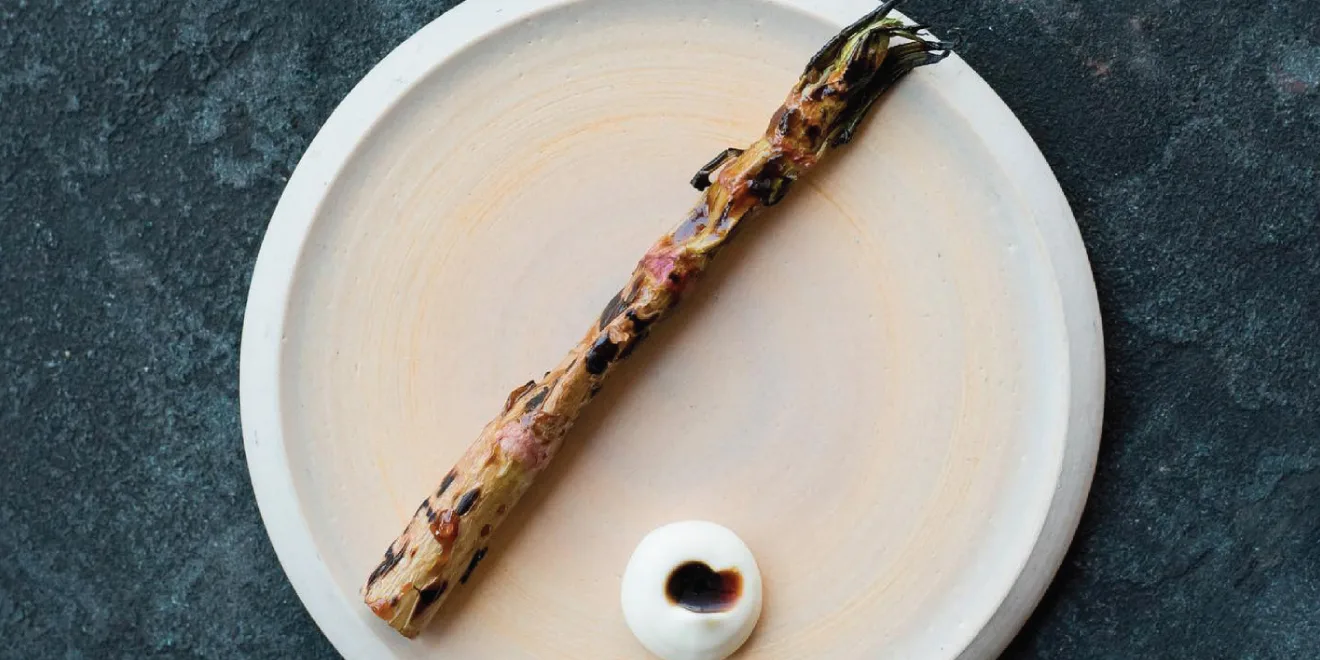
In 2011, the Australian artist Joost Bakker had an idea: What if you could create a restaurant without trash? Three years later, Bakker and his culinary partner, Hugh Fearnley-Whittingstall, did exactly that when they opened Silo, a zero-waste dining establishment. This summer, Silo hosted two chefs, Matt Orlando and Skye Gyngell, to work with Whittingstall on dishes made of Japanese knotweed, American Signal Crayfish and Himalayan Balsam.

New Orleans : GW Fin
If there’s any city in the world that could take something overlooked from the menu and turn it into something so delicious it’ll be in your taste memory forever, it’s New Orleans. At GW Fins, chef Mike Nelson sources lionfish hunted in the Gulf of Mexico by local spearfishers for sweet-and-tender tempura.
La Paz, Gustu
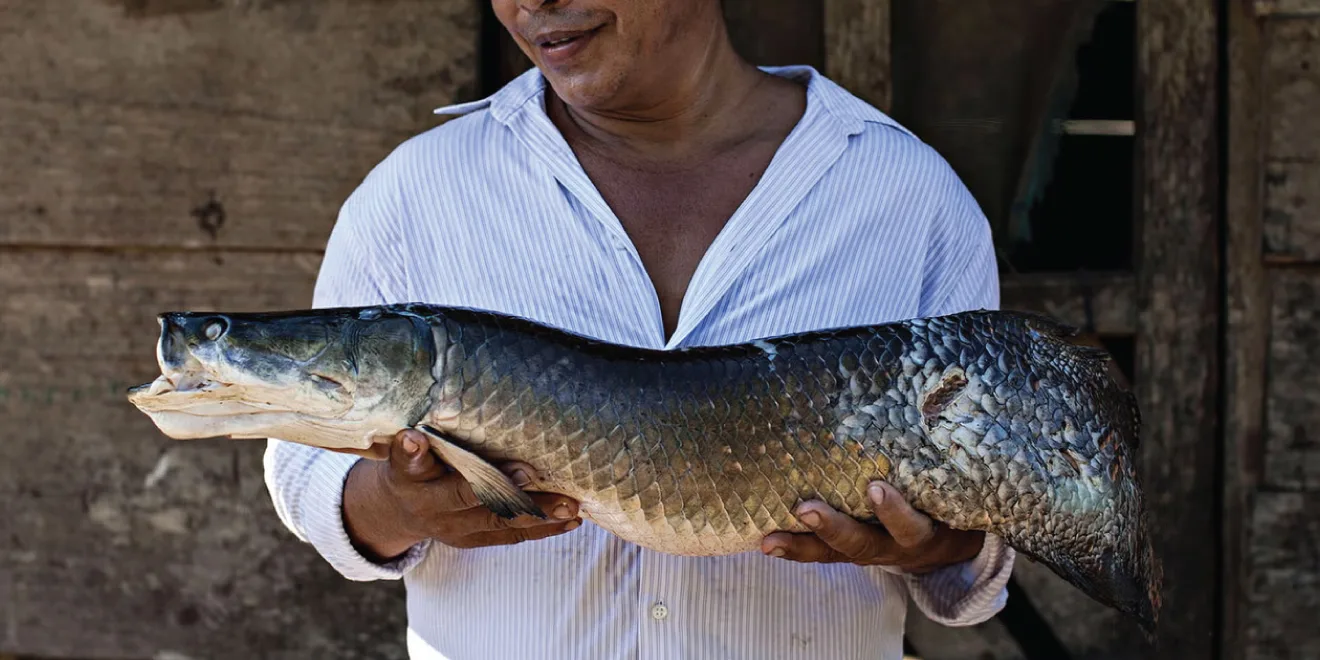
Paiche is definitely the strangest creature on this list. Not only do you rarely hear of a four hundred pound fish that breathes air, it’s even more rare to discover that said fish is actually quite the delicacy. Marsia Taha, who runs Gustu in La Paz, the capital of Bolivia, has been working with the community leaders in the Bolivian Amazon to help cull the gargantuan numbers of this gargantuan fish. Taha buys the Paiche from a village community leader located nine hours by boat from her kitchen into the jungle. Native ingredients like goldenberries and fermented yucca are paired with the invasive catch of the day.
Eat the Problem, Tasmania
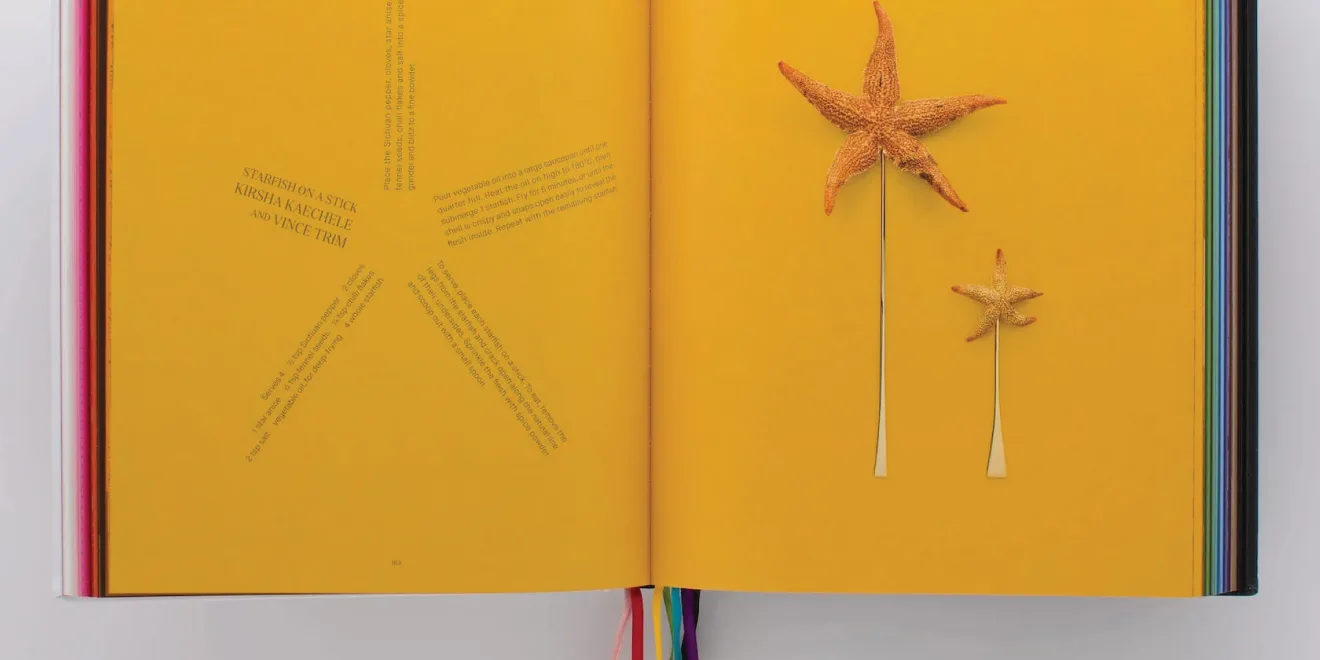
Eat The Problem, a cookbook by artist Kirsha Kaechele, published by the ever-eccentric minds behind the Mona Museum in Tasmania, features recipes for dishes like sweet and sour cane-toad legs, something called “starfish on a stick” and water buffalo tongue, sauce piquant shot against minimalist, colorful backgrounds. At Mona, look for exhibitions on looking for beauty in strange places, like their Vibration Navigation exhibit and House of Mirrors. Otherwise, this cookbook is a perfect amuse bouche.

Holy Crab!, Berlin
Starting with a grant from the German Federal Ministry of Economics, Chef Andreas Michelus created his signature HOLYCRAB! food truck in 2019. The menu’s focus is invasive American crayfish, so expect culinary po’ boys an oh-so-German alternative to helping the environment: a a drinking ale flavored with invasive oysters, seaweed and crayfish For more “haute cuisine”, chef Tim Raue will cater parties with crawfish-caviar toasts.