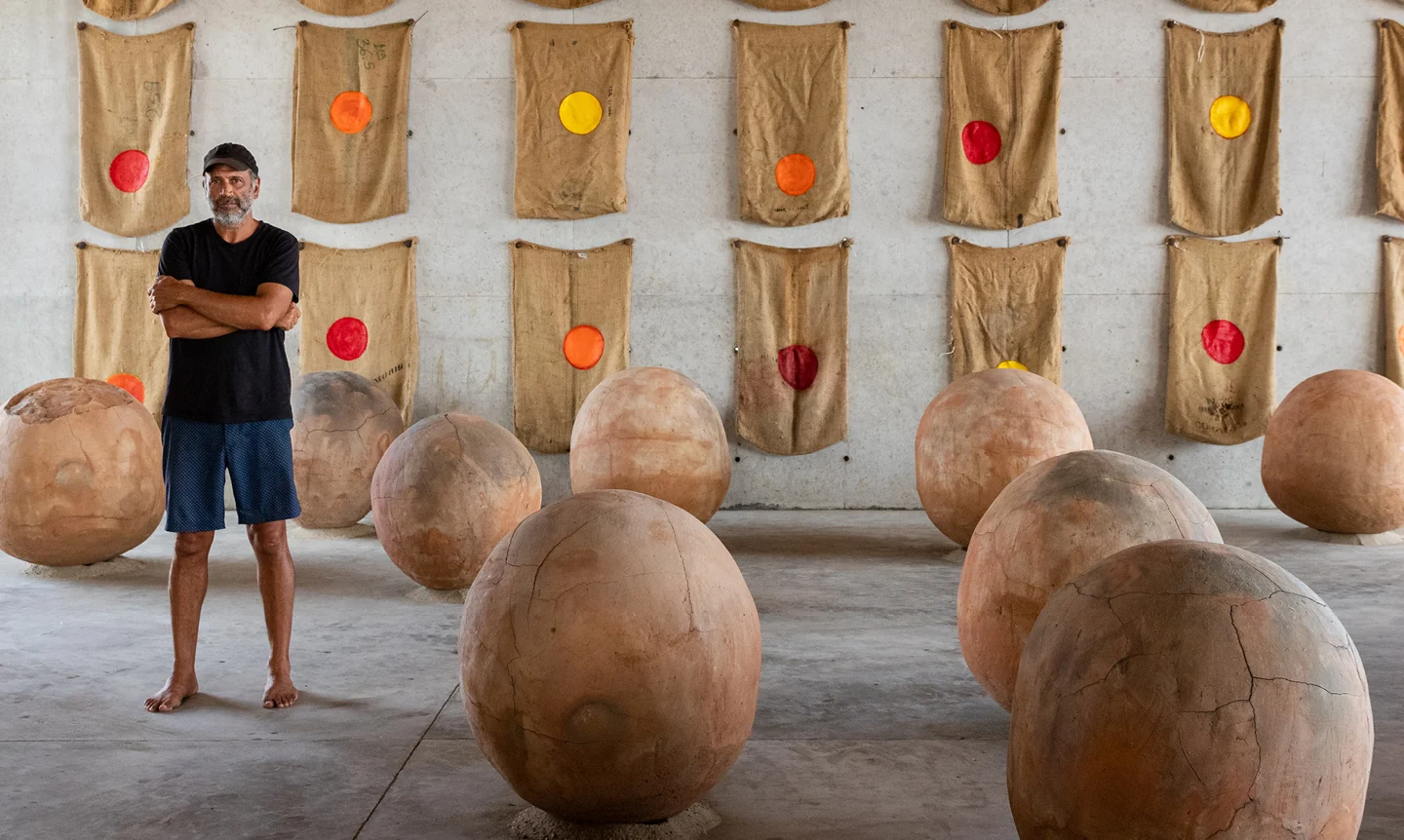
When in 2013 Mexican painter and sculptor Bosco Sodi opened Casa Wabi, a nonprofit artists’ residency, on an oceanfront plot near Puerto Escondido and invited world-class architects like Tadao Ando and Álvaro Siza to collaborate on it, he transformed this sleepy surfers’ haven into a destination for world-class design. (In fact, the first Mexican Design Fair took place here in May of this year.) But he also had a second and arguably greater influence on this part of the rugged Oaxaca coast, setting a conscious and sustainable template for development in harmony with the untamed beaches and wildlife-filled marshes Sodi has loved since he camped here as a teenager. Call it the Casa Wabi effect: now other builders have followed suit, and elevated and respectful designs by Alberto Kalach and Tezontle dot the area, drawing on materials and forms in keeping with local tradition, climate and landscape, effectively elbowing out more rapacious commercial development. (“If you go against nature,” Sodi says, “you will always lose.”) In addition, Sodi operates Casa Wabi as a kind of bureau of social impact, spearheading programs around literacy, the arts and sustainable farming practices to foster local economic and cultural empowerment. Normally based in Brooklyn with his wife—Lucia Corredor, cofounder of the Mexico City design shop Década—and their two kids, Sodi spent several weeks in Puerto Escondido during the pandemic, working with his favorite local clay and planning the next big moves for the foundation, which will soon welcome back resident artists and public visitors. We approached Sodi for his tips for what to do and where to stay—and how to be a more thoughtful traveler.
Carlos Huber: You've been going to the coast of Oaxaca since you were a teenager. What did you connect with then, and what has kept you coming back?
Bosco Sodi: We used to go camping there when we were teenagers in a big group of families. We’d camp at Roca Blanca—we’re talking 35 years ago, when it was a completely different place. At the time there was just one restaurant, El Galan, which we still go to. Besides that, what made me fall in love with Puerto Escondido was that it was completely wild compared to other places in Mexico. Puerto Escondido has developed on its own like an organic animal. In other coastal resorts like Ixtapa or Cancun or Cabo, there’s been a big investment from the government. In Puerto Escondido, the development has naturally evolved as a result of people who are a little wild themselves. An Italian guy opens a pizza place over here, then an Argentinian opens a restaurant over there. It was really the energy of the place that captivated me. It's this mixture of wildness, toughness, beauty and energy that I fell in love with. And Puerto Escondido has the most beautiful sunsets in the world, in my opinion. Then about 25 years ago, I had the opportunity to buy a piece of land in Zicatela, and we built a small house there.
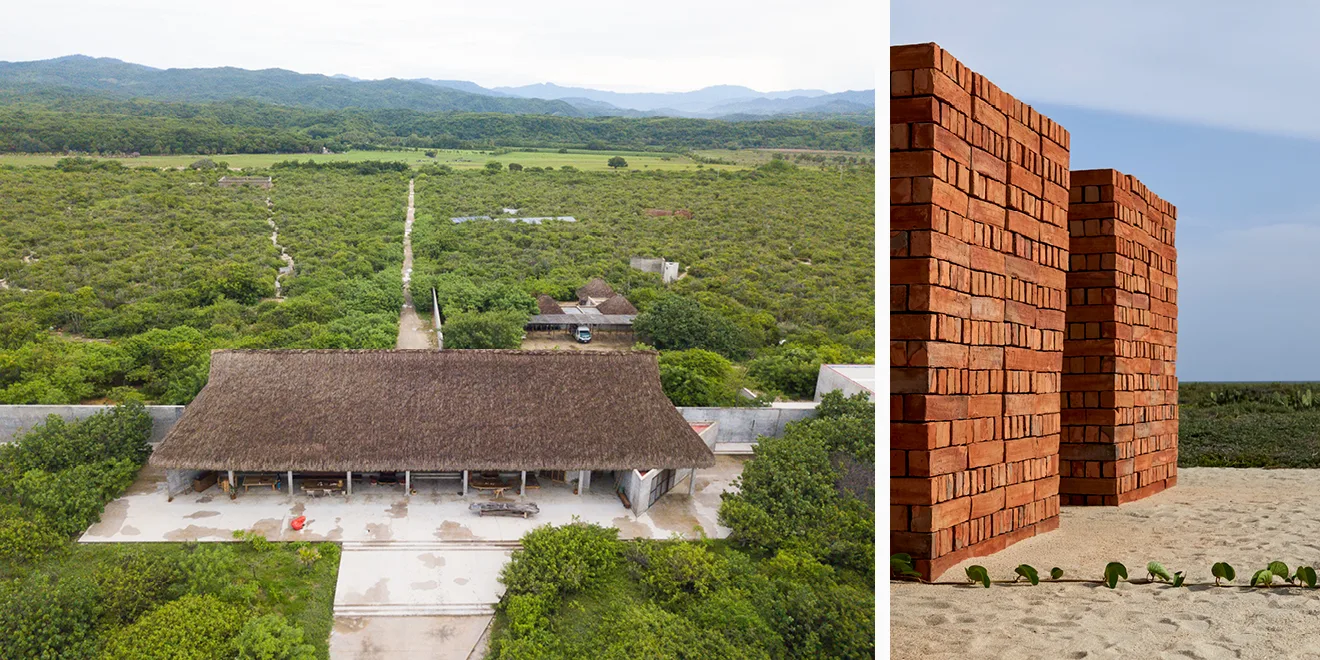
How does the climate in this region of Oaxaca affect the structure of what you have built and the materials you use?
The coast of Oaxaca and the Pacific in Mexico is a completely different feeling from the Caribbean. The Caribbean is sweet and beautiful, but the Pacific is wilder and rougher. Puerto Escondido takes that to the extreme: you have very strong waves and strong energy, which bring a special feeling to the place. When you build there, it is very important to not go against that nature, because if you go against nature, you will always lose. One thing that we tried to do in Las Marianas, with the houses that I designed, but also at Casa Wabi with Tadao Ando, or in Punta Parajaros by architect Alberto Kalach, is to understand which materials really work in context and will get a nice patina after time.
How does this inspire your own art and creative process outside of architecture?
When I do work in Puerto Escondido, I mostly work with clay. I like the way it dries and the way the wind affects the outcome.
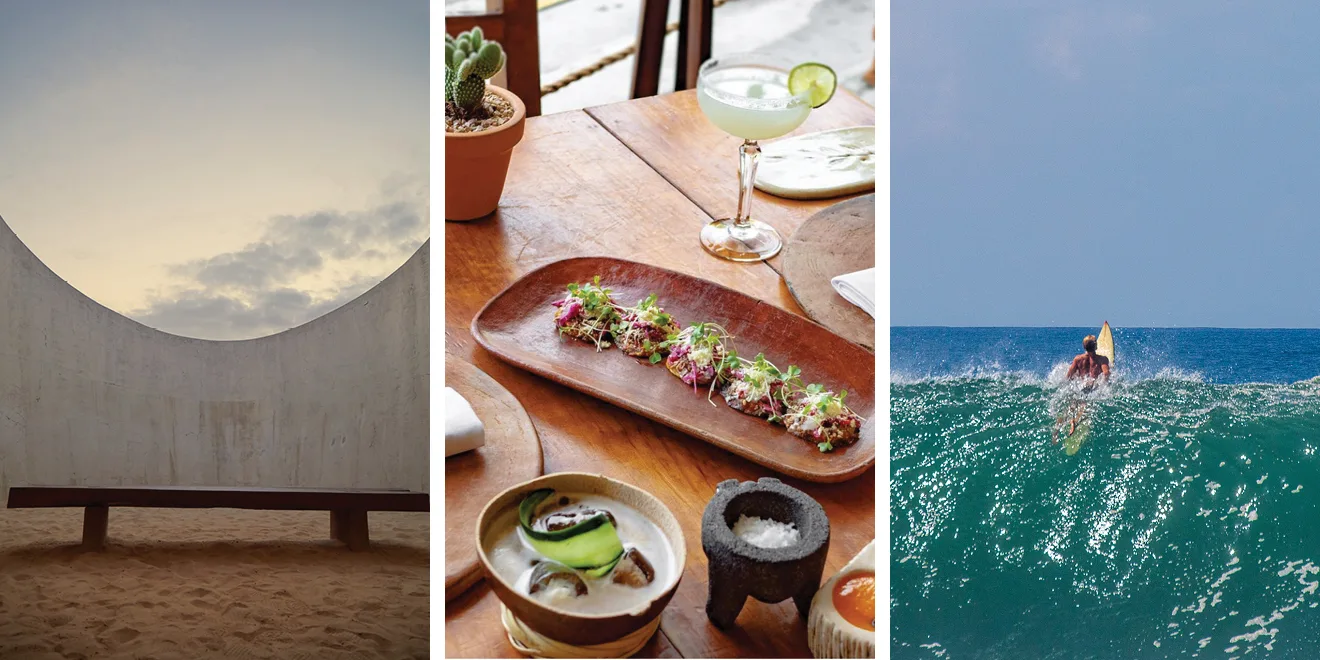
What are your favorite hidden spots off or on the beach?