Intrigued by the work Molly Berry was doing with local artisans at her studio Luna Zorro in Antigua, Guatemala, photographer Ryan Neeven reached out over Instagram. And looking for an excuse to take a break from the East Coast winter, Neeven booked a trip after Berry posted a photo of the city’s bright yellow Santa Catalina arch. Two weeks later, he was taking his own photos of it.
With Berry as his guide, Neeven, a coffee aficionado, spent several days traipsing around to the city’s bustling cafés. What he found was a dynamic coffee scene, from sunny, pastel-colored stands with top-shelf pour overs to a converted bus serving strong cortados. “Of course, Guatemala is known for its coffee,” Neeven says, “but many of the cafés in Antigua have partnerships with farms that they source their coffee from directly.” It was in these cafés that Neeven realized Antigua’s role as a key hub for people traveling through Central America, many were heading up to Mexico. “The cafes were full of foreigners with backpacks, working on laptops all day,” he says.
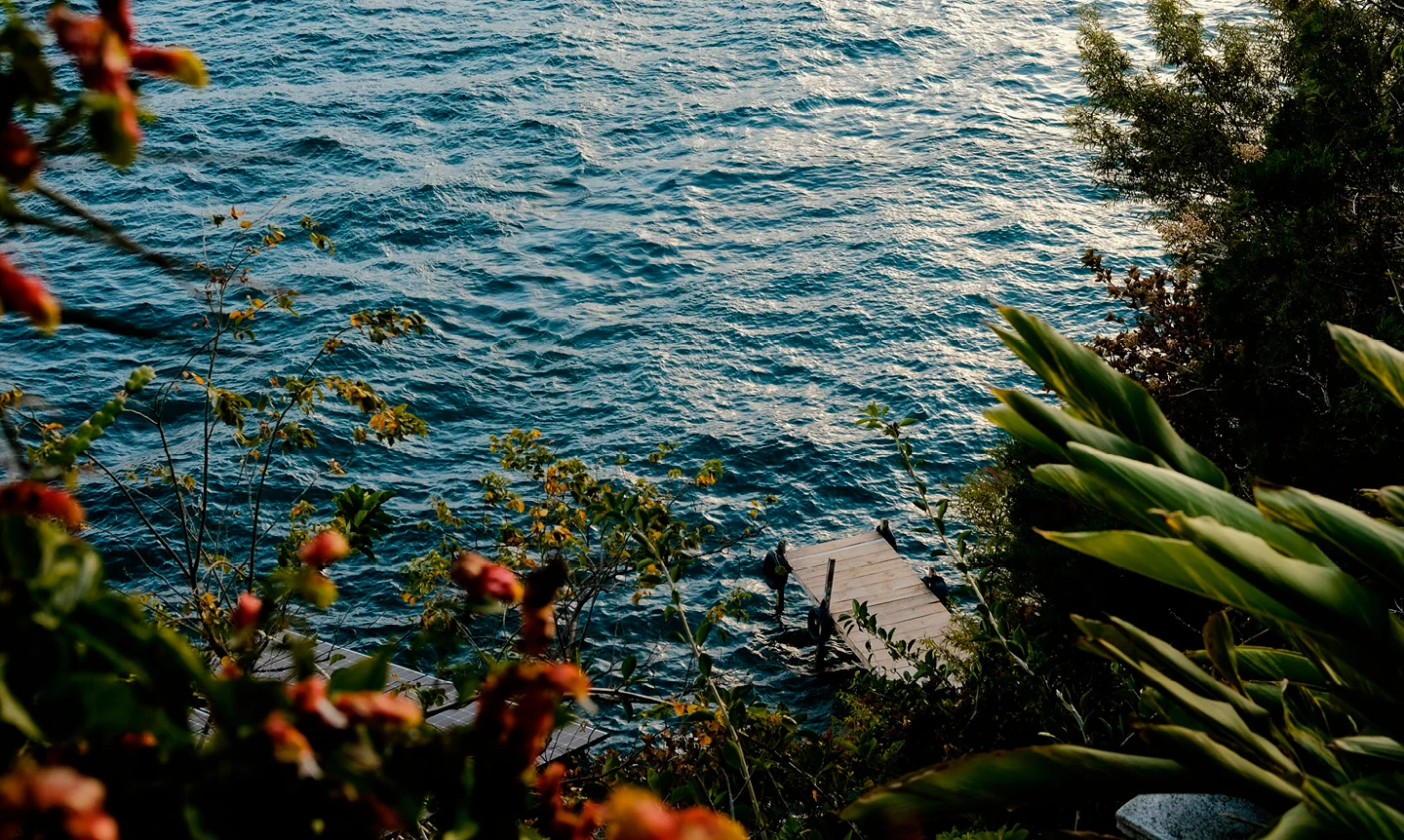
Ready to get out in the country, Berry recommended Neeven take a bus up to Lake Atitlán, the deepest crater lake in Central America. After four hours winding through farmland and up and down narrow mountain roads into the Sierra Madres, he arrived in Panajachel. The small town is the gateway for many of the lake’s international visitors who come here for cliff jumping, bird watching and mountain biking. But there are plenty who come just to lounge in a hammock alongside the water or wander around in bordering towns, like the artsy San Juan la Laguna, where visitors can shop for the country’s famous textiles.
Spanning 50 square miles, the lake, with steep cliffs and three imposing volcanoes, Atitlán, Tolimán and San Pedro, in the distance, the Lake Atitlán lanchas (water taxis), are kept remarkably busy, delivering people to luxury hotels, like Casa Prana and private residences, or even just dinner. It’s a place that revolves entirely around the water.
Here, a photo diary from Neeven’s exploration of Antigua (with a guide to five top coffee spots) and his days spent jetting around Lake Atitlán.
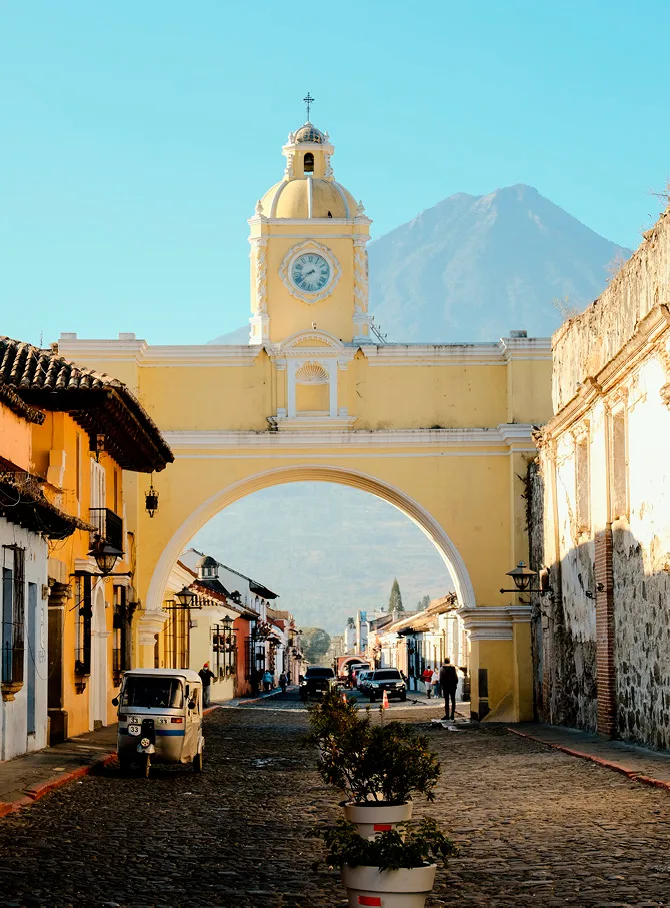
One of the most iconic pieces of architecture in Antigua, the Santa Catalina Arch, has survived earthquakes, volcanic eruptions and modernity, since the 17th century.
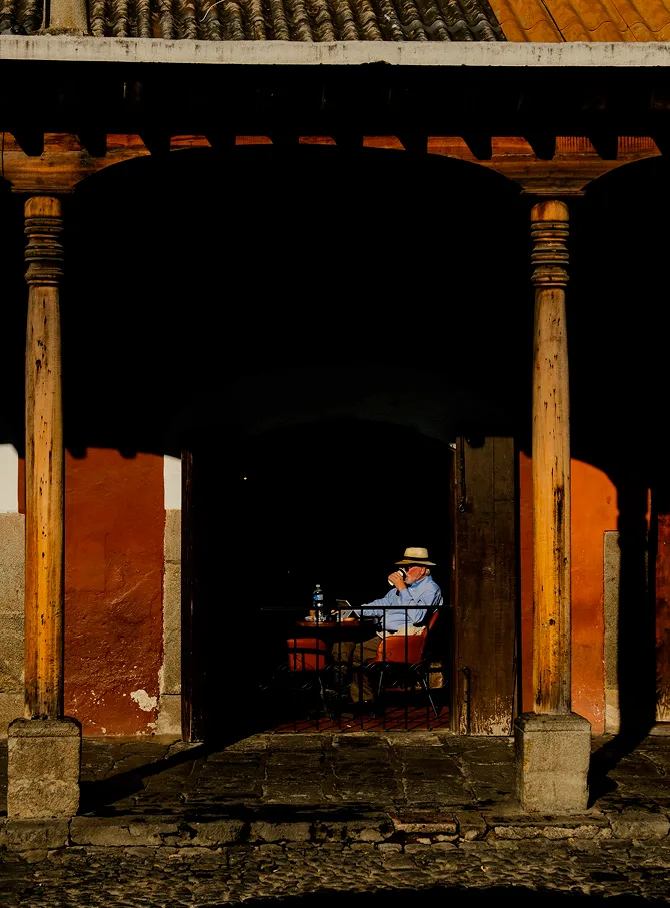
The morning light illuminates one of the many cafes that surround Antigua’s Parque Central.
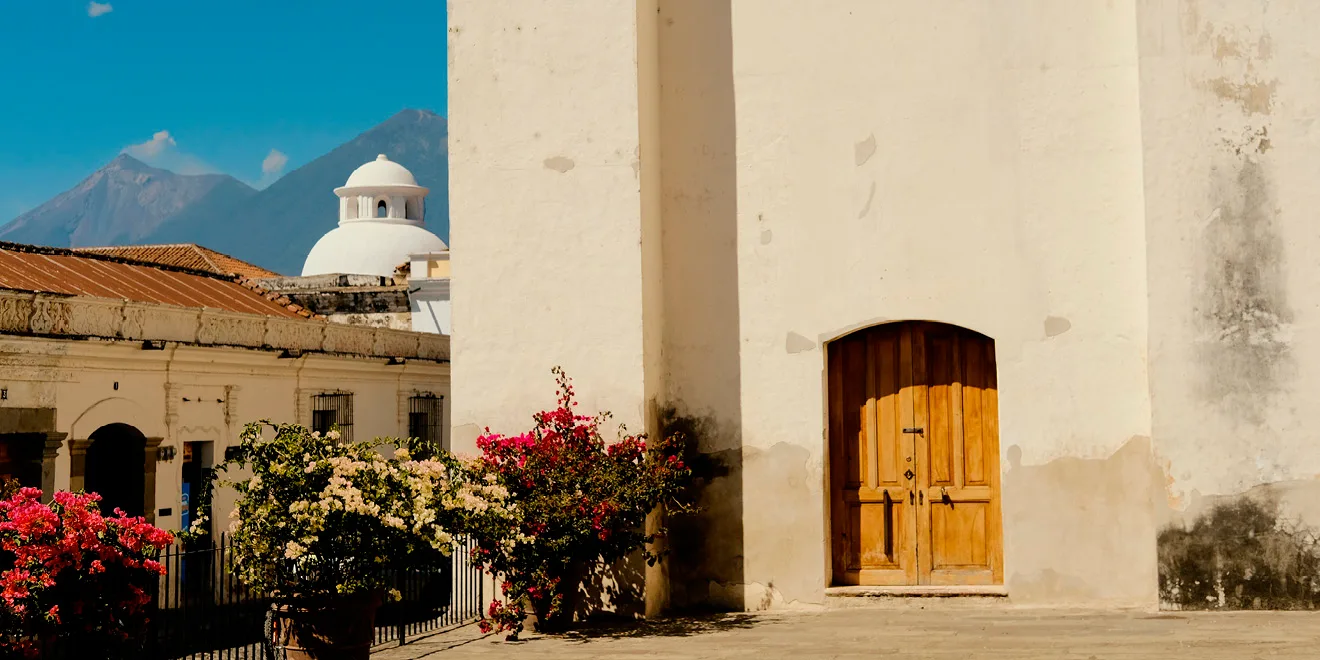
Looming in the distance from almost every vantage point in Antigua is the Agua Volcano, which has been inactive for billions of years. The nearby Fuego volcano is constantly erupting, though, best seen from a hike up the nearby Acatenango volcano, from which I’m told you often can see lava spewing when you wake up in the morning; I hope to go on my next trip.