The first time I felt far from home was on the coast of Cantabria. It was just a summer but it was long enough to hold those coming of age sensations of solitude and terrifying independence. Come fall I would unintentionally entangle my life up in the dry olive groves of the Spanish south, where I now live today. But it was those first months on the country’s northern beaches that I was quiet enough to listen to Cantabria’s secrets. And with each return it whispers yet another.
Head about 250 miles straight up from Madrid and you’ll hit this autonomous community, just before toppling into the northern Atlantic. On a national level, Cantabria and its beaches are a coveted summer escape for Spaniards, but globally it has been consistently overshadowed by the sunshine of the southern coast, the architectural big city meccas, and the museums and avant-garde cuisine of the neighboring Basque Country. What you’ll find in Cantabria is also a version of Spain far different from the one sold around the world— no bulls or flamenco dancers, no endless plains for Don Quijote to wander. Yet as European summer temperatures continue to rise, the mountains and frigid waters in these milder climate spots are becoming more and more appealing.
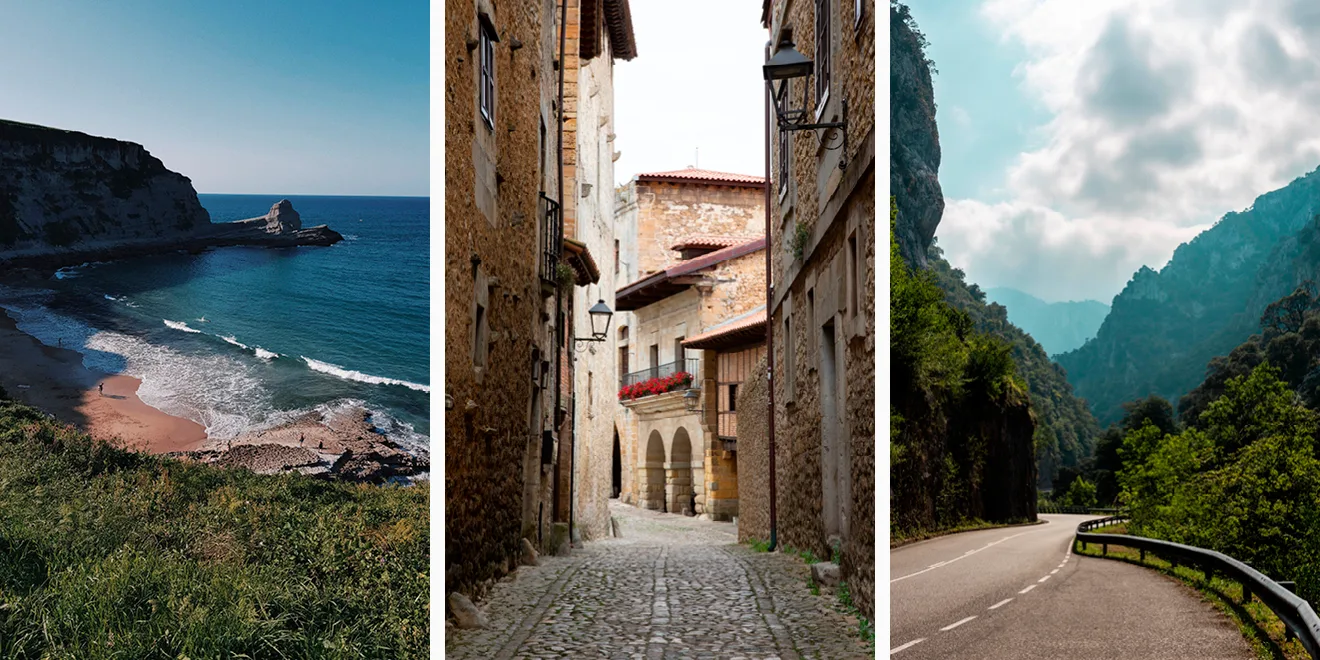
An intense geographical makeup packed into a space smaller than Connecticut has kept the secret and history locked away from most of the word. In this part of Spain, the ocean is clearer, colder, wilder. The isolating mountain caves preserve paleolithic remains of pre-homosapien cultures long gone. Just a few miles in, the limestone Picos de Europa reach out to carve steep gorges and valleys so thick with green you could confuse it all for Ireland. These daring configurations made it difficult for the Romans to conquer the Celtic population here, having to send the Roman emperor himself to clench the battle against the Cántabros. The Moors, who forged their way up the peninsula from the south, never even dared cross the treacherous barrier. As such, the area feels untouched in comparison to neighboring communities, where the pintxo bars are quickly packing up with tourists.
In Cantabria, I touched the untouched. I wandered the cobblestone streets in the medieval town of Santillana del Mar, traveled to the charming bridges in Potes, learned of the El Camino pilgrimage that runs through. Days were spent lounging on the Sardinero beach in Santander after class and eating my weight in yogurt ice cream, and the nights drinking quart-sized kalimotxos in the streets with my fellow students, icy Coca Cola and cheap red wine mixture keeping us out until dawn. At meals, my host mother María Jesús served her pleasantly gooey tortilla and offered an untimely squid stew to cure a stomach bug.
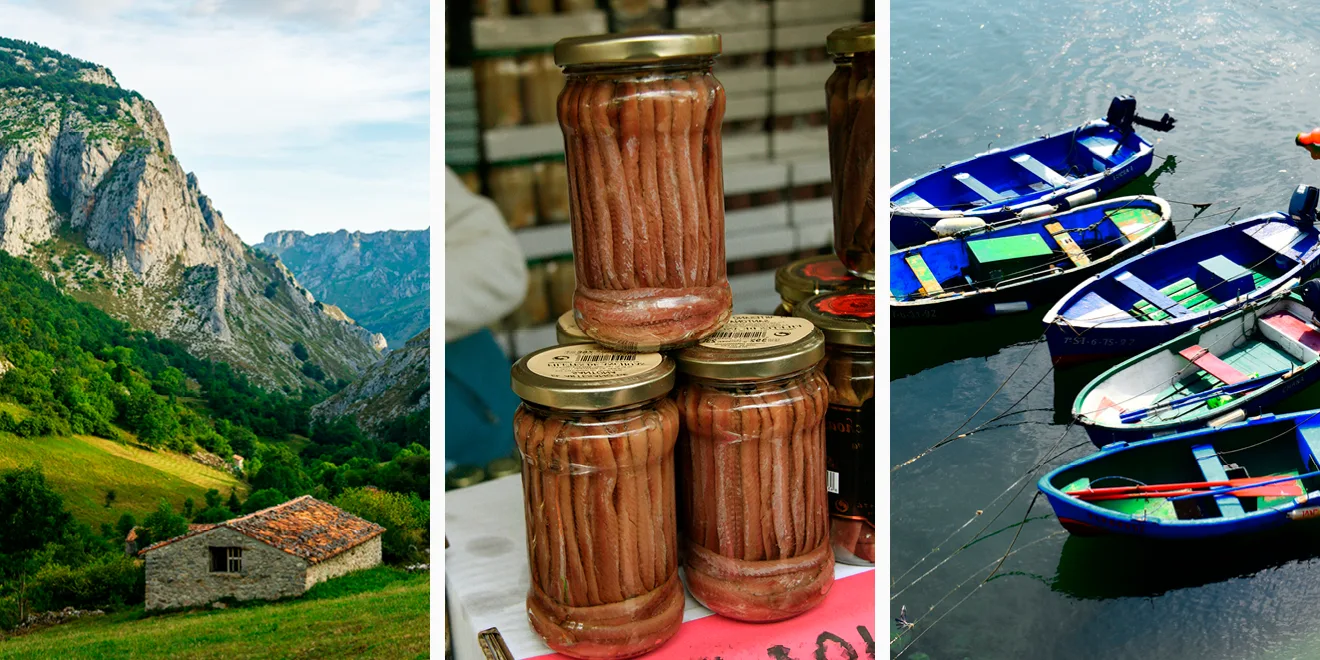
Ten years later, with my home now in southern Spain and my partner in tow, Cantabria beckoned again. The mountains were the first to call out. We set out from the charming eastern town of Cicera and wandered up through the mythological forest trail of Mount Horzaco, dipping into icy ponds along the way up to overlook a sprawl of the thinnest of valleys. We hiked those Picos de Europa along their ashen inclines, the Cantabrian mountain sun bronzing us better than the beach, and the lush pastures still holding their own below.
In Spain, all trails inevitably lead to food, como Dios manda— as God intended. Thus, we replaced our spent calories along the port of San Vicente de la Barquera, downing cones of that same yogurt ice cream I had eaten years ago. In Santoña, the seaside trails took us to locals lining up for chunks of freshly caught tuna for cans of conservas. History told us Italian families settled in this humble fishing village in the 9th century and taught folks how to preserve their abundant supply of anchovies in salt and fat; we watched women delicately pack them into cans to be shipped around the world and later sold at a premium. Draping their fat oily bodies over baguettes, we ate them like candy and jumped off the pier to wash the grease from our hands.
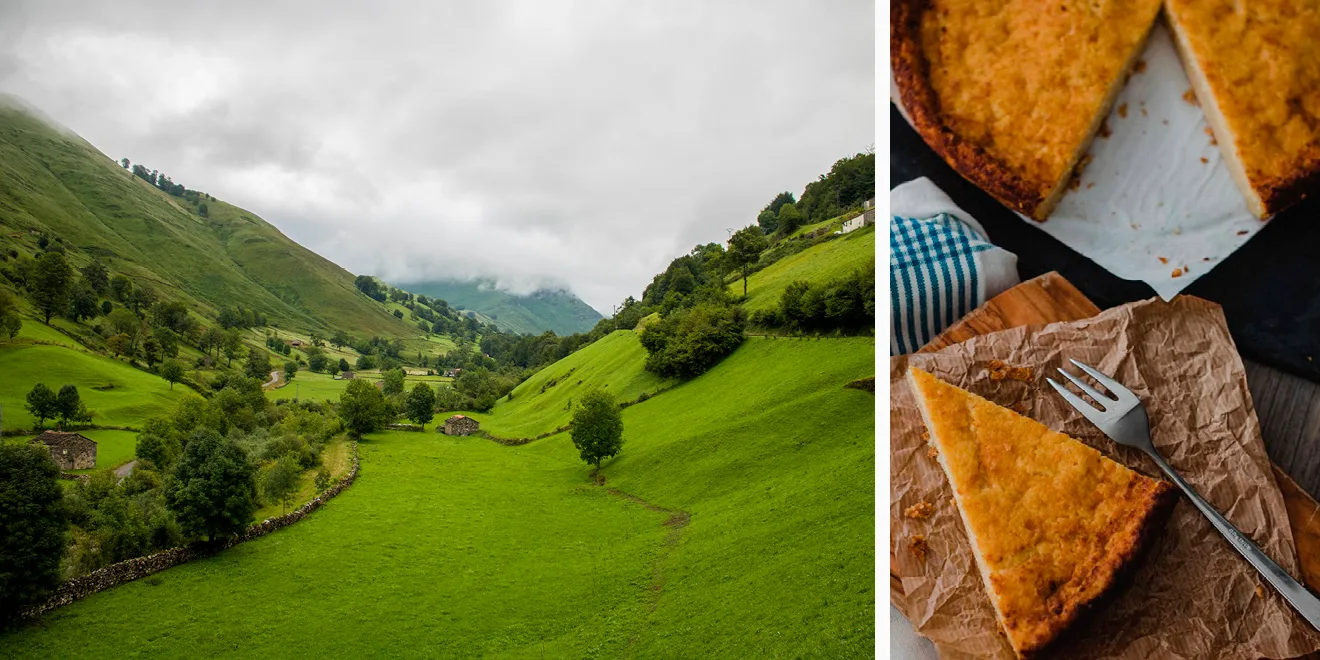
The Pasiegos Valleys called too. We wandered its misty hills, that bright green reminder of the region’s Celtic heritage. We filled our bellies with plates of braised goat and pots of hearty pork and bean stew, cocido montañés. The shepherds in the valley traded their soccer scores and sent us to their cousin’s bakery for still-warm quesada.
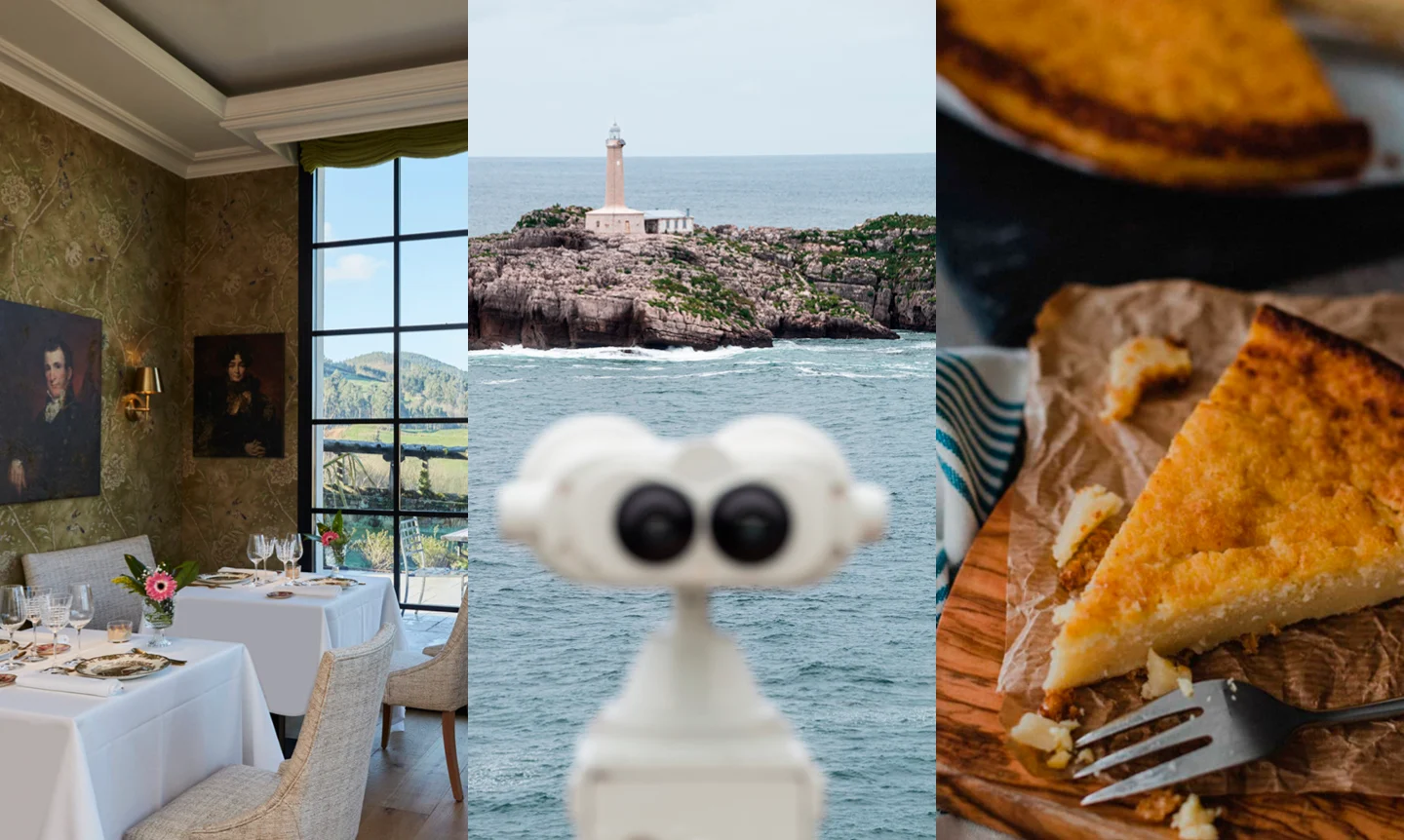
In Santander, the noble capital’s colorful mansions built by Indianos (Spaniards who returned from the Americas with gold in their pockets) were just as elegant as I remembered. We watched the sun set behind the lighthouse; we ate heaping plates of fried calamari. And as we walked the crowded Santander pier, I thought about María Jesús. What would she think of me now, with my Spanish partner, my mastery of the language, that I had intentionally ordered squid? As the fates of Cantabria would have it, she would tell me. Chatting with friends on a bench, her fiery red hair as Celtic as Cantabria, was the woman herself. She hugged me like I was her own, kissed me on the cheek, and whispered that my partner was indeed handsome. I understood her every word. She invited us to dinner. Cantabria had spoken again.