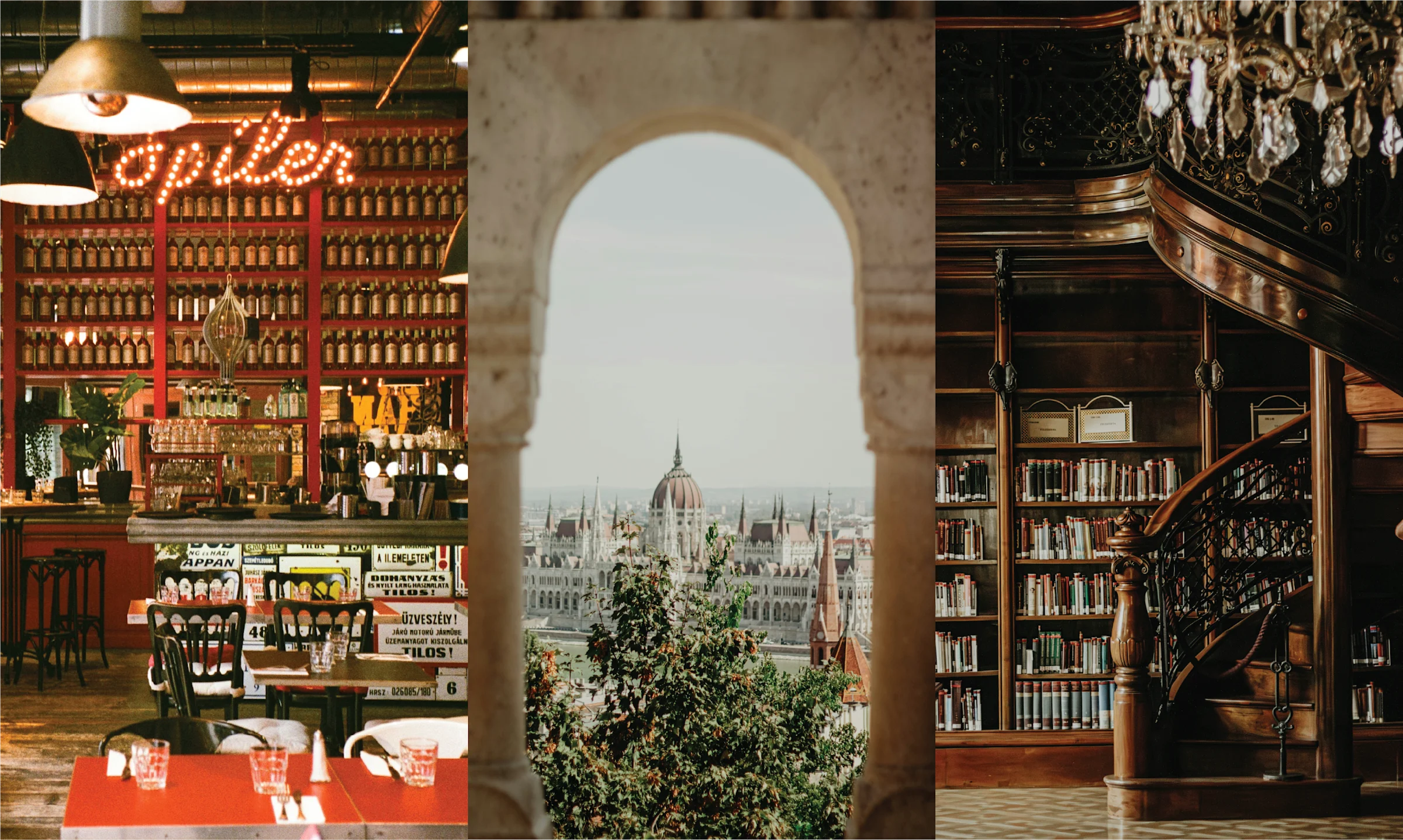
At almost every hour of the day, the steaming pools at Szechenyi Baths are punctuated with bobbing heads—people marinating in the mineral-rich waters. Set in a grand yellow building from 1913, the setting looks like it belongs in an ancient palace, not a communal bath house. Locals come here to bathe, steam, and swim laps—but also to do things you wouldn’t typically expect them to do at a historic place known for its health-enriching waters: drink beers and dance while DJs play tech-house long into the summer nights.
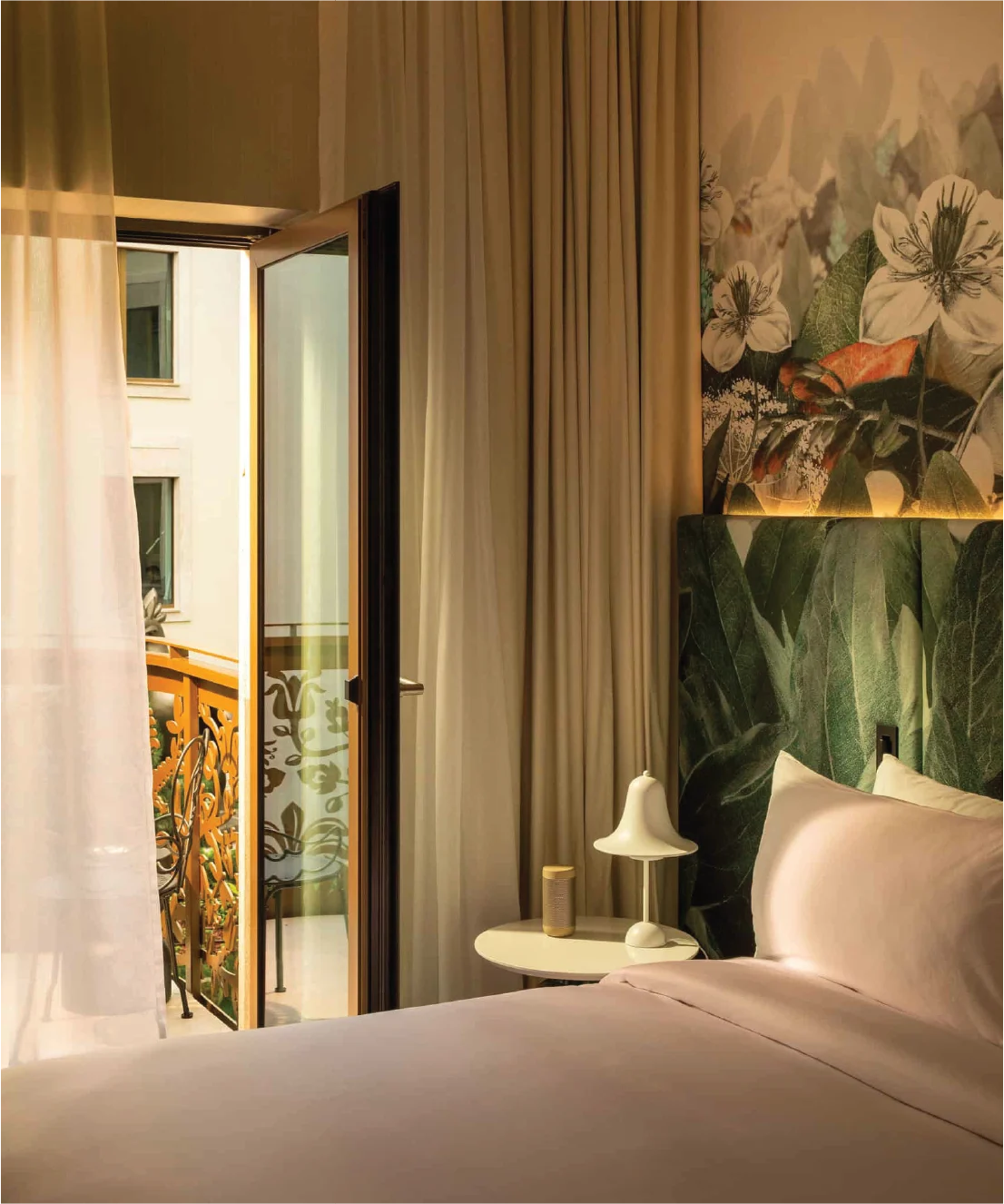
“What makes the city truly unique is how it seamlessly blends centuries of history with modern development,” says Attila AE Domby, general manager of the new Kimpton BEM Budapest Hotel. But while Budapest has managed to maintain its history, it’s also leaning into a new era. The general manager, who had been living in London for twenty years, recently moved back to his home country to spearhead the opening of the new property—the first five-star hotel on the Buda side of the river. Though this neighborhood on the right bank has heaps of history, its hospitality scene has remained nascent. In the past, most hotels opened in Pest, a buzzy area brimming with restaurants and cultural institutions. The opening of the new Kimpton is bringing a new energy to this neighborhood, home to Buda Castle and other historic sites set atop the famous hill. The hotel building itself looks uncannily like the one from the poster of Wes Anderson’s Grand Budapest Hotel, with a stately white facade and a playful interior designed by Dutch designer Marcel Wanders. “We were trying to find a more complex and innovative way to look at the city,” Wanders says of the interior, which is filled with fancy and mystery–emerald green and royal blue rooms, sculptured ceilings, and intricate mosaics. “There's this deep sense of melancholia (in Budapest), and I think it's something that you want to feel, in a positive way.”
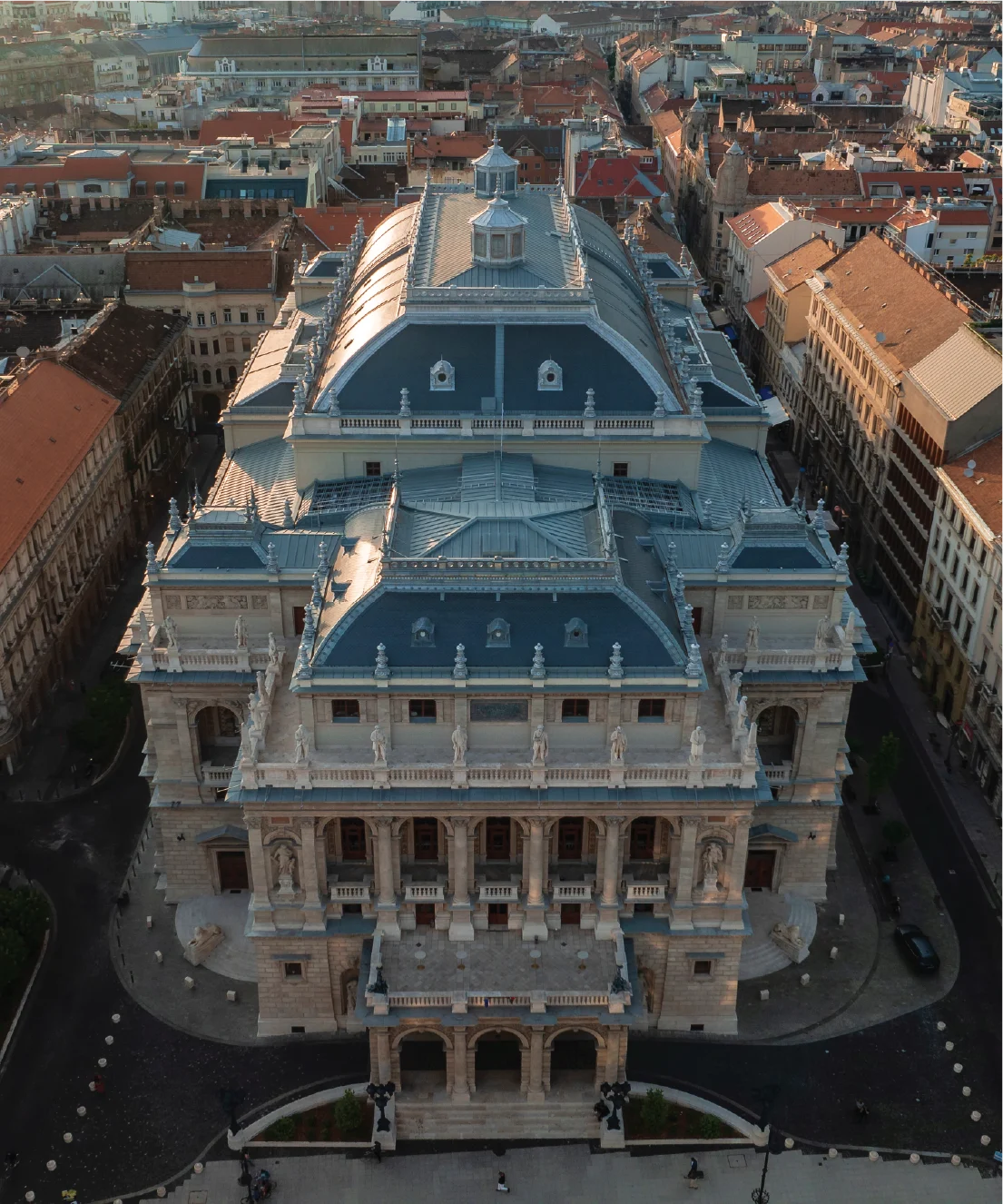
Over the past few years, multiple historic buildings have also been meticulously restored to their former glory, amplifying the intense beauty. Across the city, structures either display shiny new roofs and facades or are dressed in scaffolding—teasing people of what’s to come. On Castle Hill, on the hilly side of Buda, cranes linger around the Ministry of Defense, covered in netting. In 2022, the Hungarian State Opera House reopened after a major overhaul, where a new stage was fitted, chandeliers hung and the Neo-Renaissance building’s intricate facade—with grand pillars and arches—was restored. In the same year, The Museum of Ethnography opened, a futuristic building shaped like a giant skate ramp with a landscaped roof garden, where historic artefacts from around the world are on display. Also relatively new to the cultural scene is the House of Music Hungary which has a 320-seat concert hall set and is set in a building which looks like a giant mushroom from above, designed by Japanese architect Sou Fujimoto.
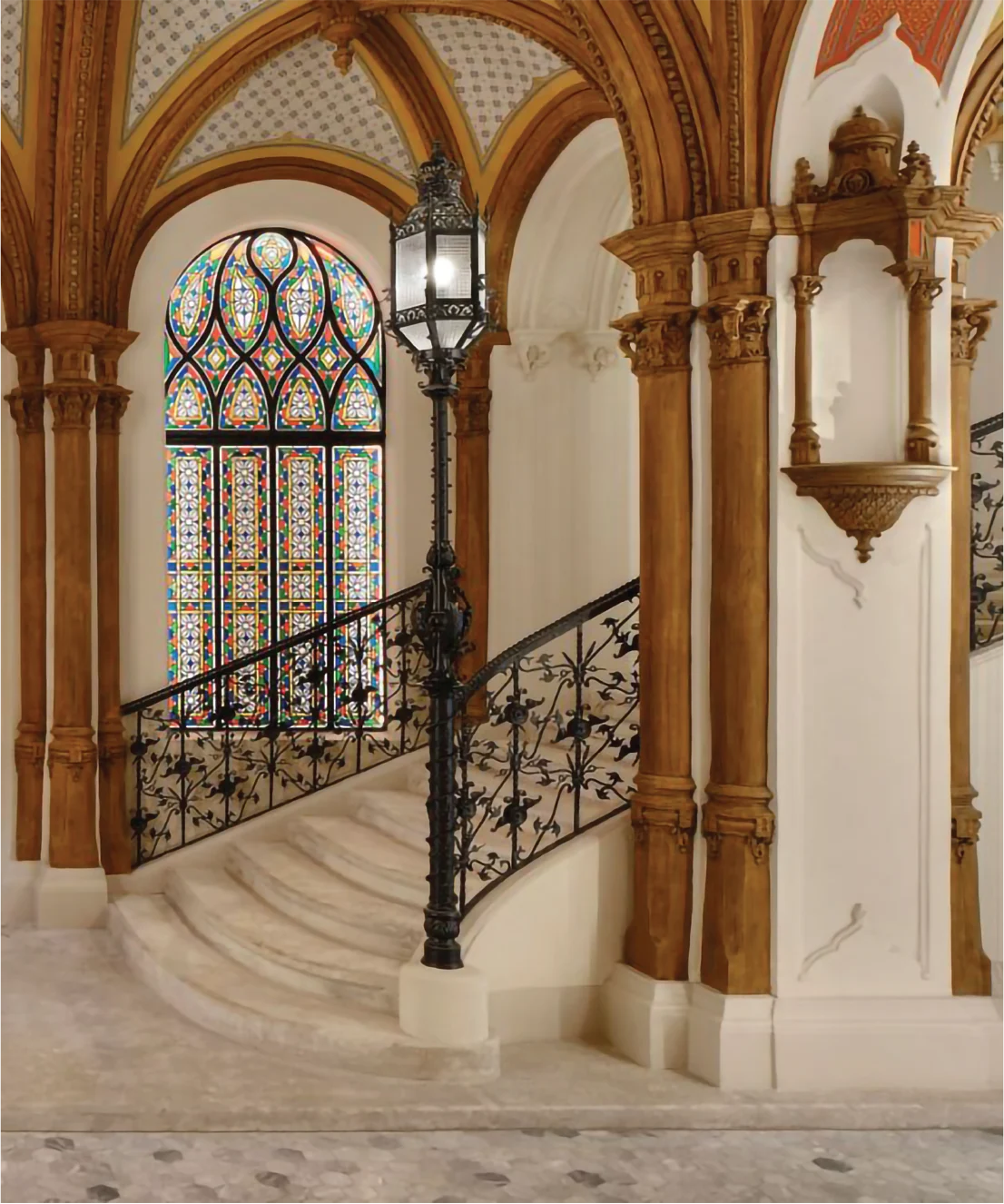
“Budapest is increasingly showing its cosmopolitan side. We’ve preserved our traditional assets—like historic architecture and thermal bath culture—while at the same time, the city has seen significant development in gastronomy, hospitality, and culture,” says restaurant owner Daniel Boros. “All of this results in a city vibe that’s modern yet retains its historical charm.” Some enterprises in Budapest are booming. One example is the film industry, where Hollywood blockbusters such as Dune and The Brutalist were partially shot. Many Hungarians, who moved away when the country joined the EU in 2004, are now returning, armed with new found skills acquired abroad and seeking opportunities in the startup scenes and creative and hospitality industries. The result is a string of new restaurants and bars, many of which are sampling different cuisines and highlighting the country’s budding natural wine scene. Historically known for its sweet wines from Tokaj and reds from the Eger region, today, savvy wineries such as Szóló and Konz Reka are working with minimal intervention. There’s also a slew of five star hotels beyond the Kimpton BEM Budapest, such as Matild Palace, The Dorothea Hotel and The W Budapest.
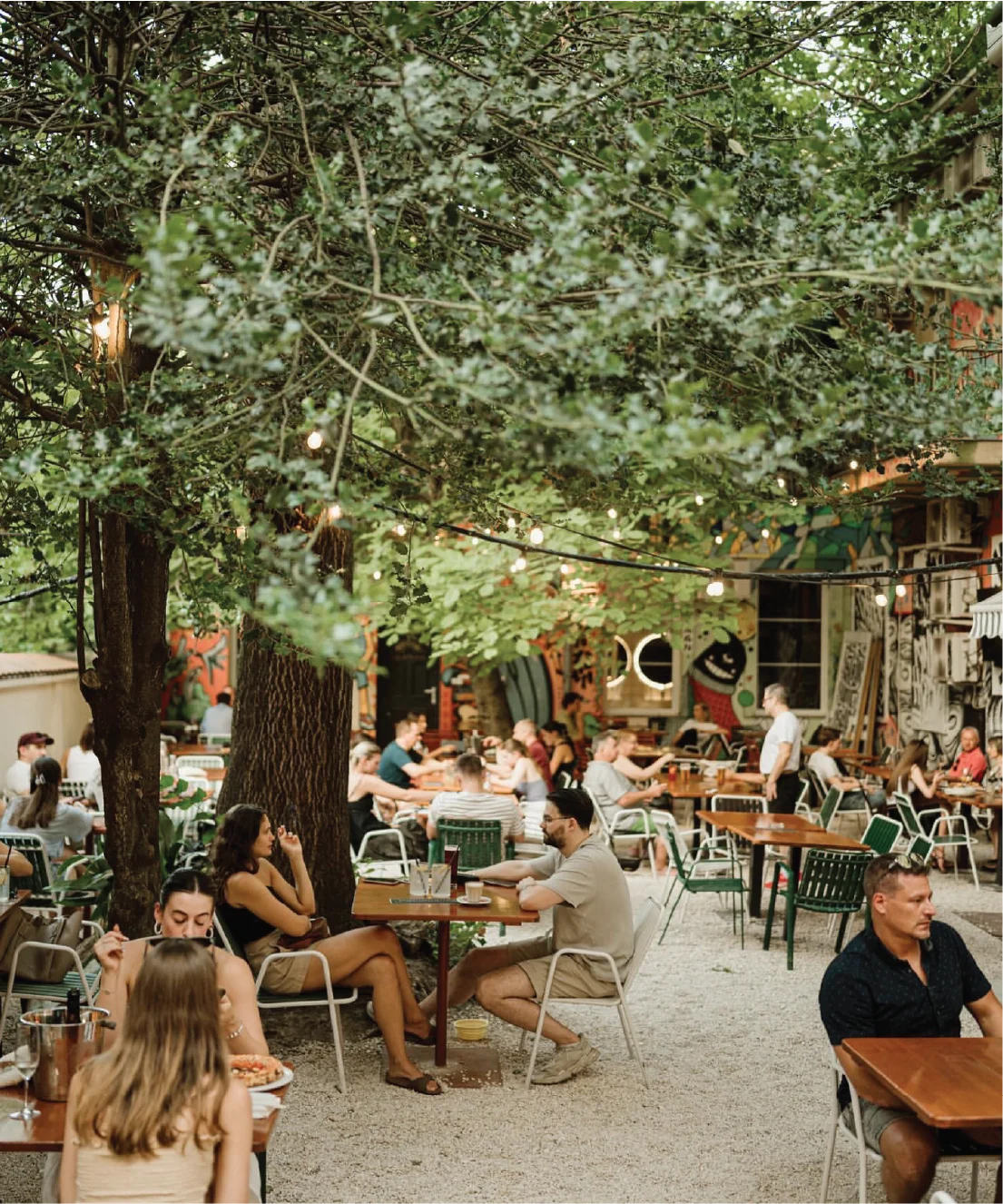
Though the city has a complicated past—decades of communist rule, followed by a complicated democracy, where the same government has had a grip on power for 15 years—entrepreneurs are intent on ushering it into a new era. “A new generation, one that does not recall the pre-1989 era, is embracing a modern, cosmopolitan lifestyle, shaping a city that is both deeply rooted in history and boldly stepping into the future,” says Domby. Much of that involves diversifying the food scene, previously dominated by traditional Hungarian cuisine. “It wasn’t easy to change after so many years of socialism, where everything had to be uniform,” says Gergely Toth, co-owner of Zappi Napoletana and EASY Art Space, a cultural hub that merges visual art and live music. Zappi Napoletana, which serves Neapolitan pizzas in a lofty space with exposed brick walls and dangling plants, is part of a wave of Italian-style restaurants opening their doors. At Bar Lola, which opened last year, diners crowd around stainless steel tables sharing plates such as bolognese tacos and ravioli, washed down with Martinis and natural wines. “Budapest is in a good moment,” says co-owner Emese Gorfol. “Not only for young people but for more mature travelers who are also looking for a quality experience.” Last year, Daniel Boros opened Giulia Pasta Club, a modern trattoria serving fresh takes on classics such as Carbonara and tiramisu. “The international culinary scene has really taken off recently: you can find excellent Asian, Middle Eastern, Mediterranean, and even fusion restaurants,” says Boros. He links this to increased tourism and a growing expat communities, as well as the fact that many Hungarian culinary professionals who traveled the world have come back with newfound inspiration sourced abroad. For many, the city's affordability, accessibility and great quality of life is a major drawcard. “Budapest has become more livable: public transportation has improved, there are more high-quality services, and the cost of living is still more affordable compared to many Western European capitals.”
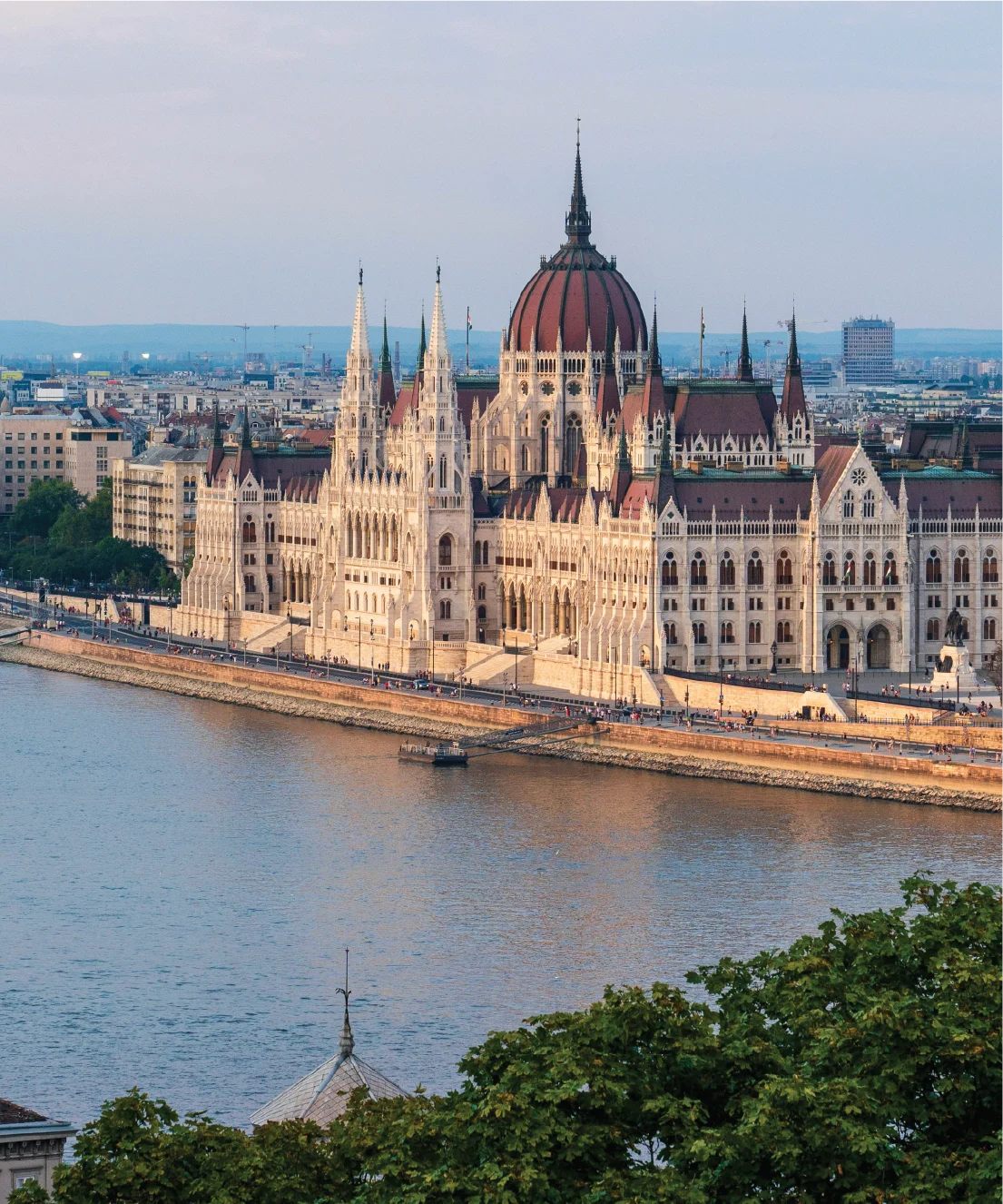
Tourism has certainly increased in the Hungarian capital—river boat cruise liners linger on the Danube—but it’s still remarkably less crowded and less expensive than cities like Paris, Rome, and Venice. “Unlike other major European capitals, Budapest remains a hidden gem in the luxury travel space, offering a more authentic, intimate experience without the overwhelming crowds of other European capitals,” says Domby. Visitors can stop and gaze at the majestic Hungarian Parliament Building—constructed from limestone, bricks, carved stone, precious stones and even 88 pounds of gold—without being elbowed out the way.
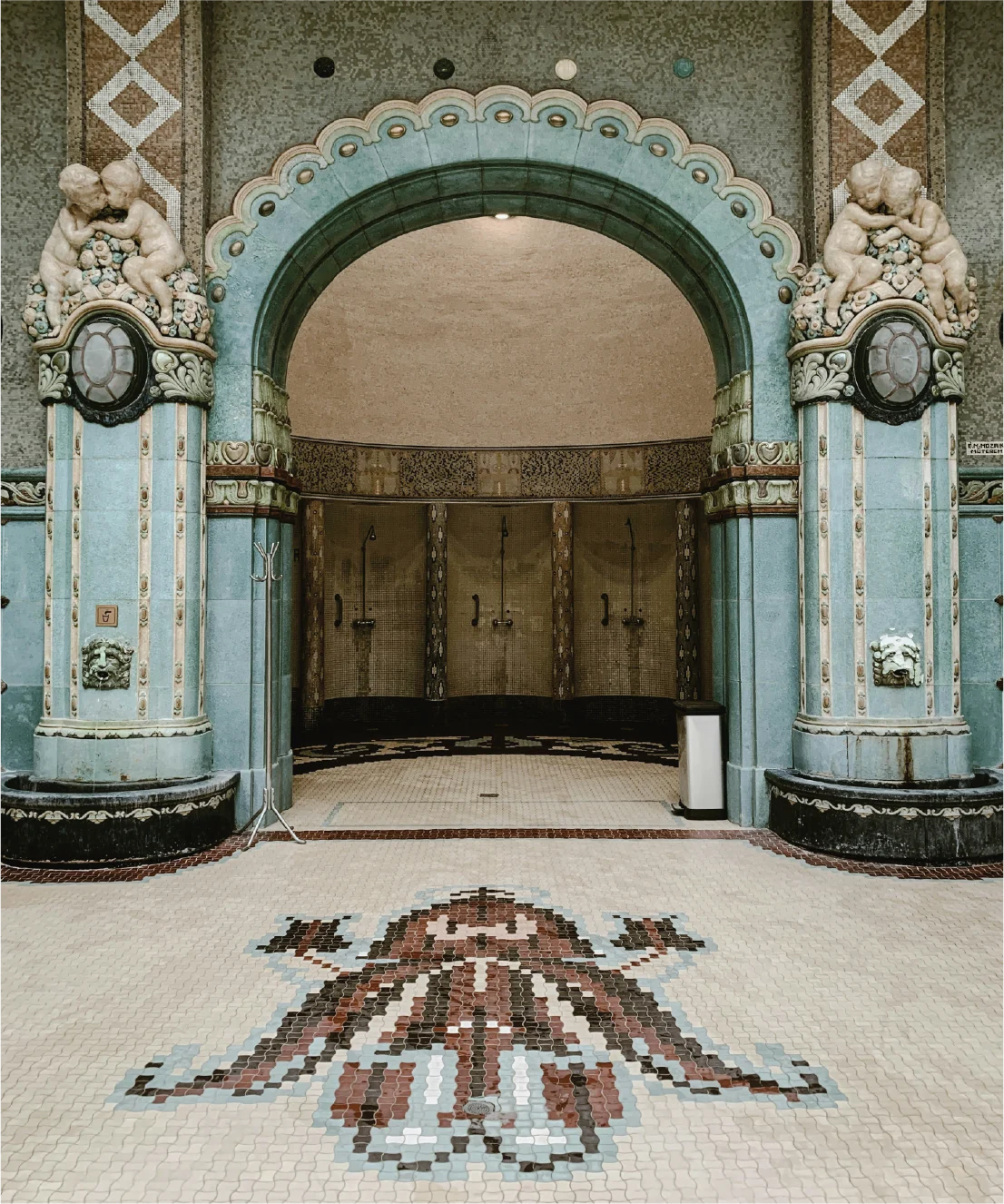
Even the baths remain relatively calm, compared to Iceland’s Blue Lagoon or Turkey’s Pamukkale thermal pools, where you have to muscle through hordes to find a peaceful pocket of water. For travelers, a trip to the bathhouses of Budapest might seem like one of the most touristy things you could possibly do, but any local will tell you that it's ingrained in the culture. “Budapest’s identity has always been deeply connected to its thermal waters, a natural treasure that has shaped the city for centuries. The Romans named it Aquincum, emphasizing the abundance of water beneath the city’s surface,” says Domby. While the minerals in the warm waters have health benefits, a dip also provides a front row seat to the historic buildings adorned with elaborate mosaics and domed ceilings. Next year, the bathing scene is due to get an upgrade too. The Rác, a Turkish bath dating back to the 16th century, which closed in the early 2000s, is set to reopen after a major refurbishment. The opening has been delayed a few times (so locals are skeptical about the opening date), but sneak peeks have shown historic bathing pools set alongside sharp glass walls and domed skylights—another example of Budapest embracing its past but also the future.