Oligarchs competing in snow polo tournaments and après-ski bars serving glühwein (mulled wine) may be what most travelers think of when they conjure up images of Switzerland’s famed winter culture.
But on a recent family trip to the idyllic snow-capped wonderland of St. Moritz, any glitzy preconceptions frozen in our minds were replaced by images of a warmer, bohemian side of winter the Swiss way.
Before hitting the slopes, we made a pit stop in Zurich, Switzerland’s largest city. At the Zurich Airport — also known as the more unfortunately named Kloten, which is Dutch slang for a part of the male anatomy — we ordered a taxi and — poof — a swish Mercedes appeared ready to whisk me, my wife and our two teenagers off to Zürichberg, a select hillside neighborhood east of the city overlooking the downtown, where the legendary Dolder Grand hotel is located.
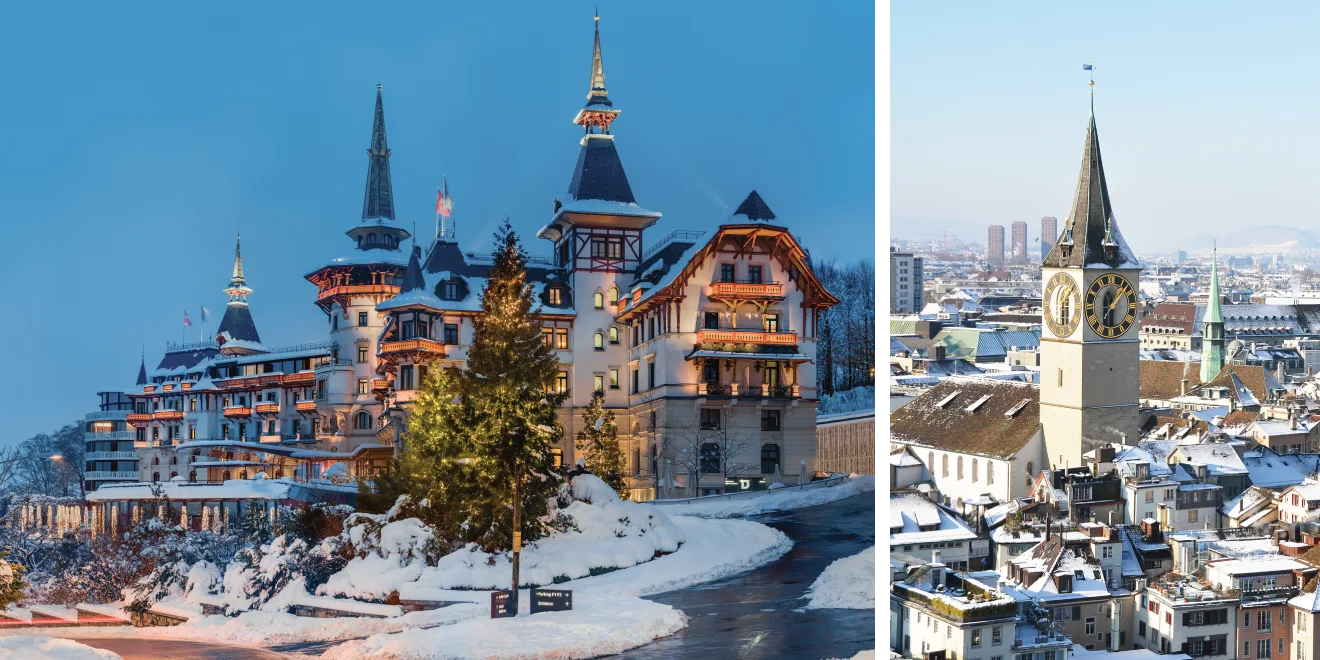
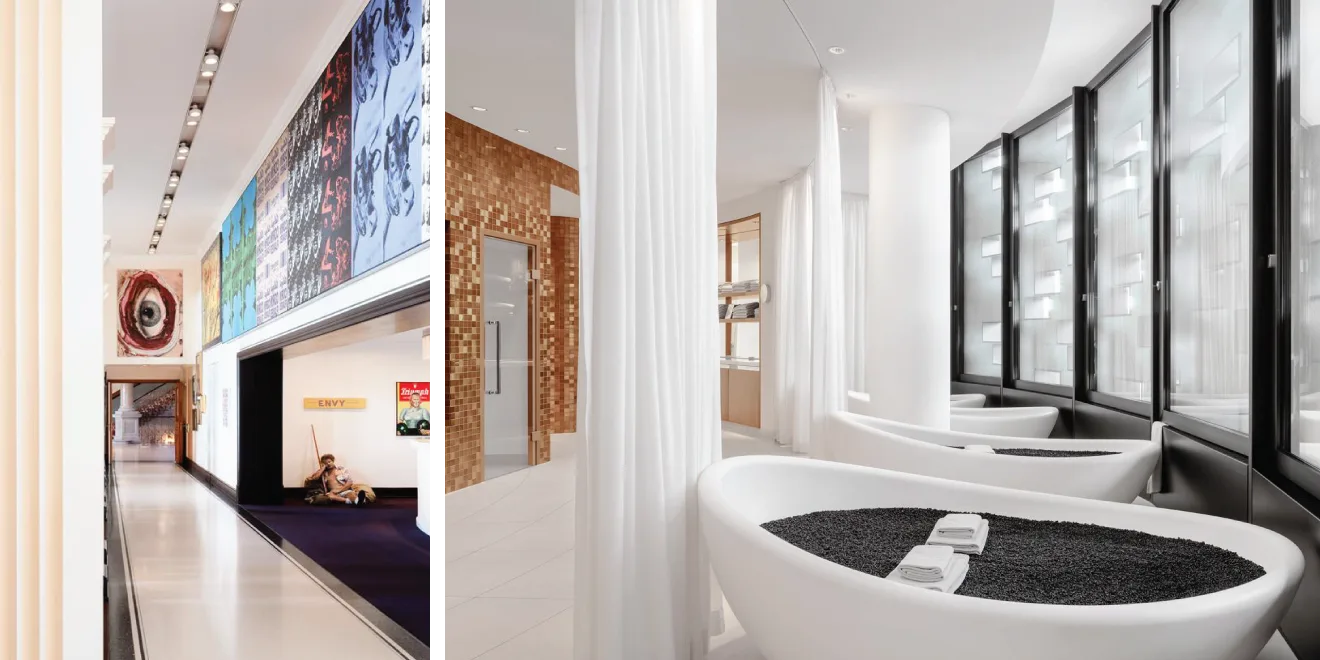
As soon as we arrived, the curled driveway appeared to slowly unfold the Belle Epoque landmark right before our eyes. Masterfully renovated with startling modern glass by famed British architect Sir Norman Foster, the picture-book-perfect palace has enough paintings and sculptures by the likes of Salvador Dali, Takashi Murakami, and Andy Warhol to qualify as a blue-chip museum. Another artistic giant was the Dolder Grand’s 43,000-square-foot spa, a wellness complex featuring an Italian Bisazza mosaic swimming pool, indoor and outdoor whirlpools, Japanese-style sunaburo volcanic sand baths and “ice rooms” overlooking Lake Zurich.
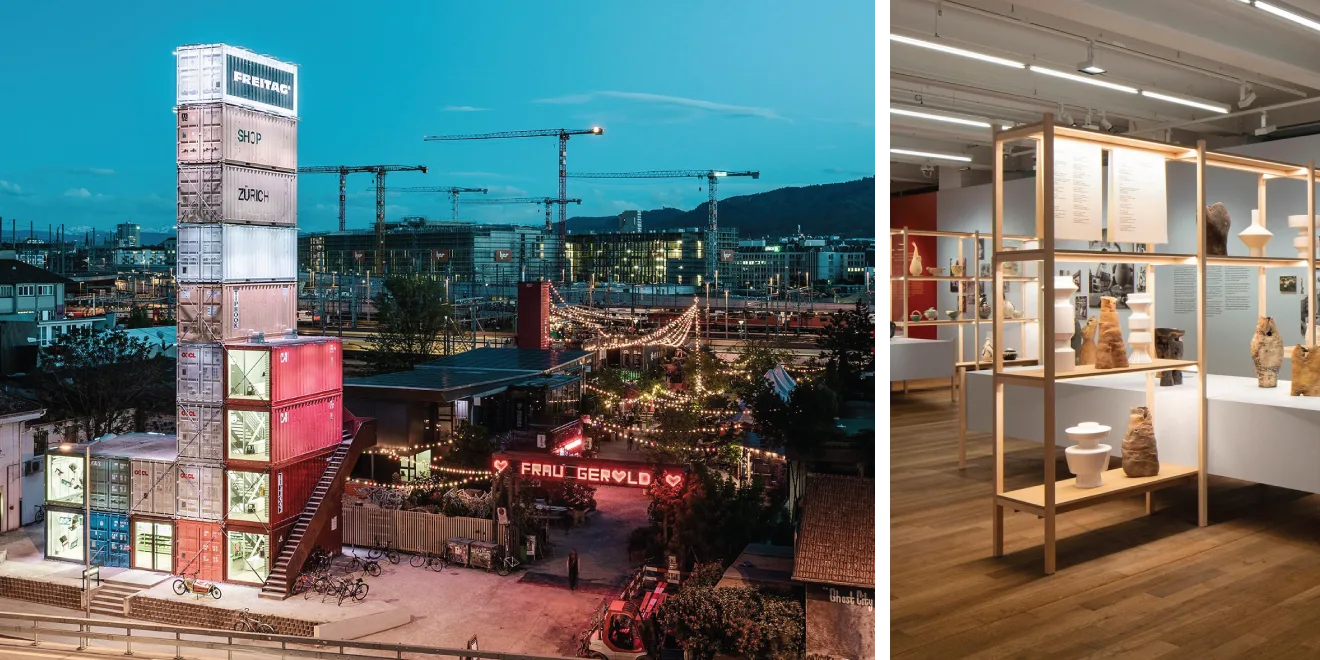
The city has something of a reputation for being a conservative banking hub. But there are plenty of cosmopolitan surprises. Beyond the much-lauded Tonhalle orchestra and (much-overrated) main shopping boulevard of Bahnhofstrasse, we discovered gritty neighborhoods hiding stunning frescoes and creative spots like Löwenbräukunst, a modern art complex inside a converted brewery. Strolling through Zurich-West, a red-light area behind the city’s central train station, my kids remarked that it felt like we were in “Swiss Brooklyn.” A tower made out of shipping containers turned out to be the flagship store for Freitag, a hometown brand known for making messenger bags out of upcycled tarps. Perusing the experimental homeware boutique Cabinet, my wife considered buying a globular candle described as an “artistic-meditative object of its own beauty.” At the stellar Museum für Gestaltung, we traced Switzerland's storied design legacy, from Le Corbusier to the Dada pioneer Sophie Taeuber-Arp. The museum is to Switzerland what the Bauhaus was to pre-war Germany: a reflection of the country’s pragmatic and orderly national character through its singular craftsmanship.
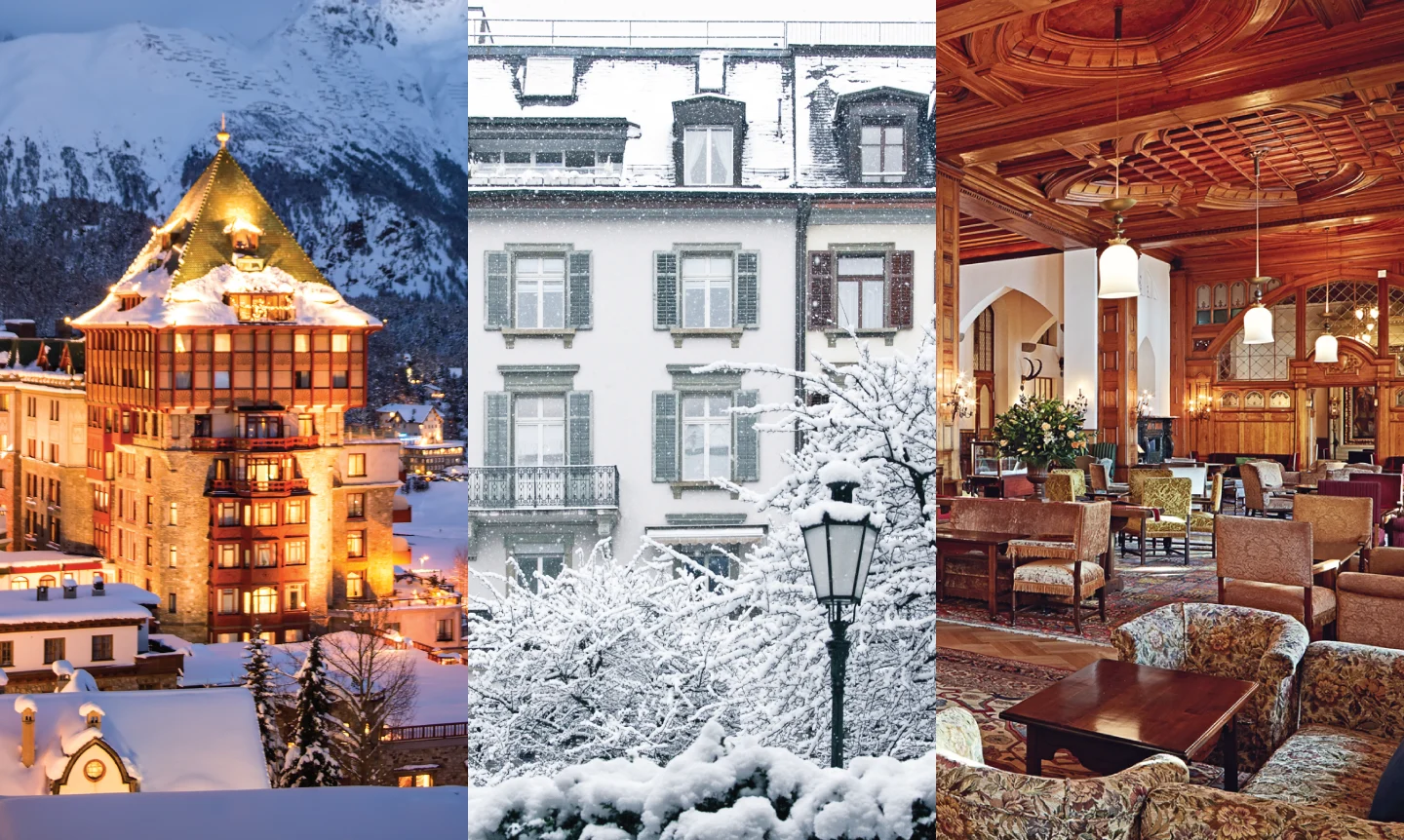
Swiss evolution was on display in St. Moritz, or at least a push-pull between Swiss traditions and a new generation of moneyed winter-seekers. Badrutt’s Palace Hotel, our stay in the Engadin Valley, organized a Rolls Royce Phantom (supposedly once owned by Queen Elizabeth) to pick us up from the train station. (You can expect the journey from Zürich to St-Moritz by train to take just under 4 hours. Though the fastest services can get you there in as little as 3 hours and change.) The historic Badrutt’s Palace is a time capsule of a more genteel era, with its evening dress code (jackets for men, dresses for women) and expert staff, many of whom have worked at the hotel for generations and mastered the art of Swiss punctuality and precision. Nowadays, however, the hotel is increasingly known as the ski-and-be-seen destination du jour for tech trust funders, art collectors, car enthusiasts and other random millionaires from Moscow, Dubai and Silicon Valley who flock here during the snowy season for free-flowing Cristal and kirsch‐perfumed fondue at aprés-ski spots like Paradiso, Alpina Hutte and the Remo Ruffini-owned Langosteria.
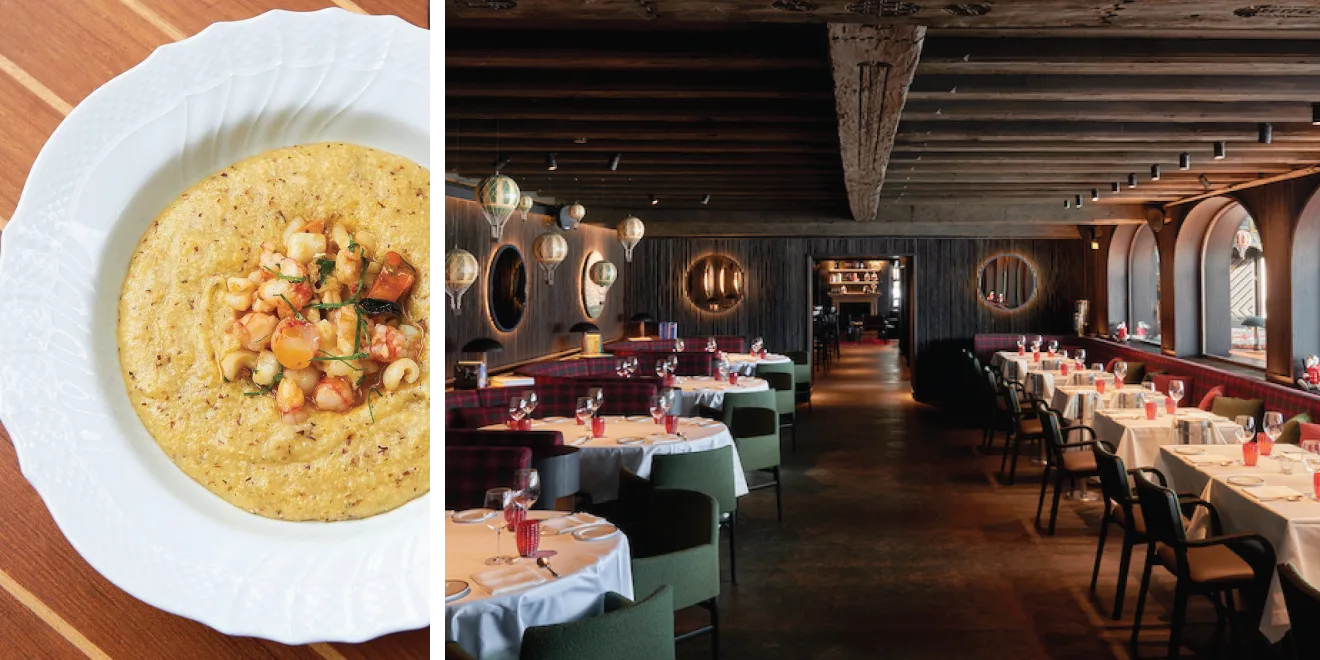
Yet all these years later, the Badrutt Palace remains the ski town’s social epicenter. The hotel’s intimate smoking lounge, Renaissance Bar, is known to locals as Mario’s, named after the beloved barman behind the best Bellini in St. Moritz. King’s Social House, said to be the oldest club in Switzerland and now at the helm of British chef Jason Atherton, serves bistro fare like flaming baked Alaska pistachio parfait and San Moritzino cocktails to an after-dark crowd who stay up until the early morning hours dancing to a rotating cast of international DJs.
My family, however, was impressed by a different scene-stealer in the lobby’s sitting area the Alpine scenery framed by the large picture window, nary a velvet rope in sight.