
Since founding the Rare Tea Company, Britain’s Henrietta Lovell has been propelled by an evangelic zeal to reintroduce people to the joy of loose-leaf tea steeped from the highest-quality crops.
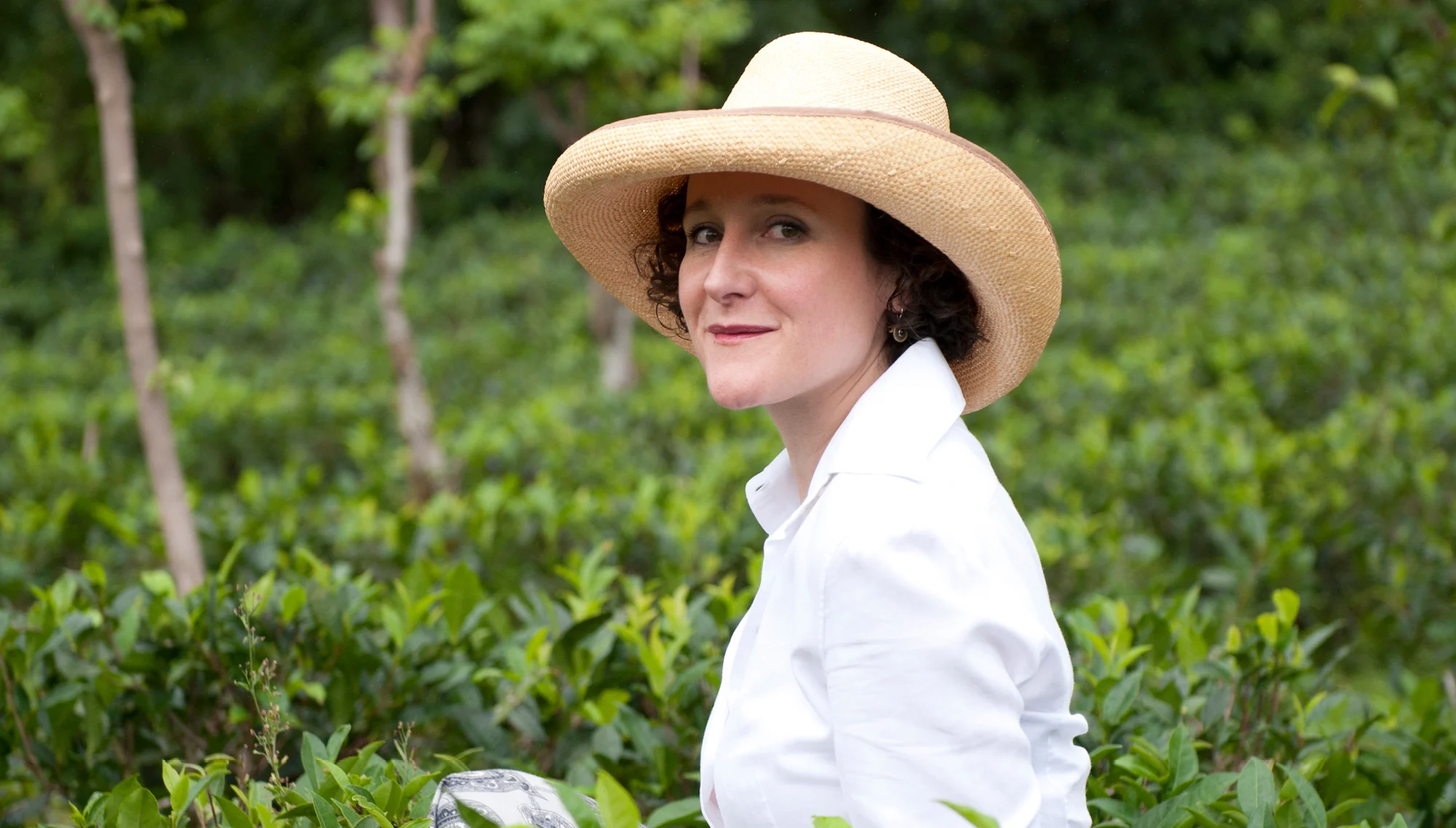
In doing so, she has traveled from the highlands of Malawi to the foothills of the Himalayas to find small tea farms cultivating truly organic crops that she can harvest for her customers. For the ceaselessly intrepid Lovell, it is more than a mere mercantile exchange, as she takes time to assess the practices of the farms and taste profiles of their leaves, staying on the properties and counting the growers among her dearest friends.
The idea for her business was born during her former life in corporate finance. On a company trip to China, she observed how businesspeople would take immense pride in serving pots of rare and exquisite teas. Tasting flavors unlike anything she had enjoyed before, she began to dream of bringing a similar reverence back to her homeland. Since then, she has become the prime mover in the rising cool factor of loose-leaf tea.
It’s no small paradox that despite being one of the great tea-loving cultures of the world, Britain consumes some of its poorest-quality blends. As recently as the late 1960s, however, the situation was very different, with only three percent of households using teabags. But a demand for prepackaged convenience steadily inverted that statistic, as the public turned to cheaply made, low-grade varieties encased in nylon.
“It was no longer that you went into the grocer and said, ‘Oh god, you’ve got some of the muscatel Darjeeling that I love so much, and you’ve got that keemun from China I’ve been looking for,” explains Lovell with measurable enthusiasm, nursing her first cup of the day in her London home. “People used to buy what they could afford like you would in a wine shop today.”
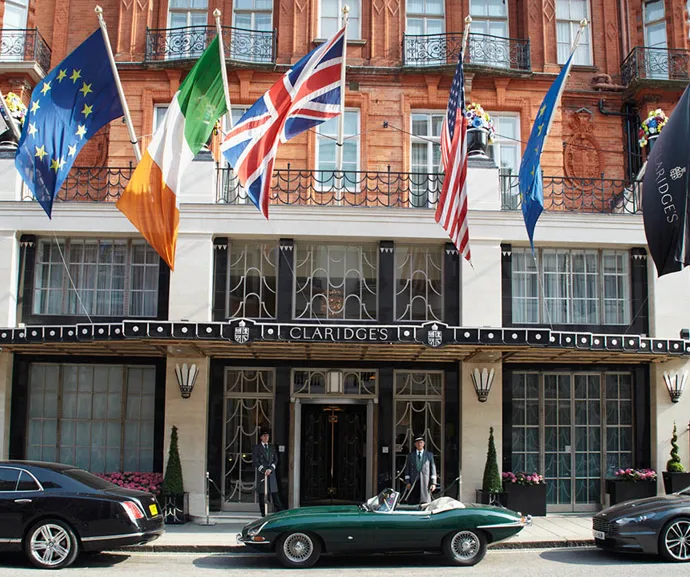
With her considerable charm and single-mindedness—and a good dash of English eccentricity and wit—Lovell has helped forge a newfound appetite for loose-leaf tea in the UK and beyond. Sourcing her leaves from Vietnam, Sri Lanka, India, Nepal, China, Taiwan, South Africa and Malawi, she sells her products to a broad assortment of customers and has crafted blends for Noma in Copenhagen, Eleven Madison Park in New York and Claridge’s in London.
“People already are changing,” she says of shifting tastes. “Young people care about provenance, story and flavor. They drink craft coffee and beer, they’re not going for the cheap Budweiser, they’d rather drink less and better. Coffee consumption is going into that completely artisan area too, with people wanting to know where it comes from.”
Why did people stop drinking loose-leaf tea in the first place?
Well, teabags were invented in New York City in about 1901. The trader, I think he was making sample bags and then someone actually put one in hot water and thought, ‘Oh, that’s a good idea.’ But loose-leaf tea was something that the British stuck strongly to. But in the 1970s it was the time of innovation and modernity—we had the man on the moon and TV dinners and bread in a plastic bag that stayed good for a long time. This seemed very modern and innovative, but there was no concern for health or wellbeing, it was just cool and cheap.