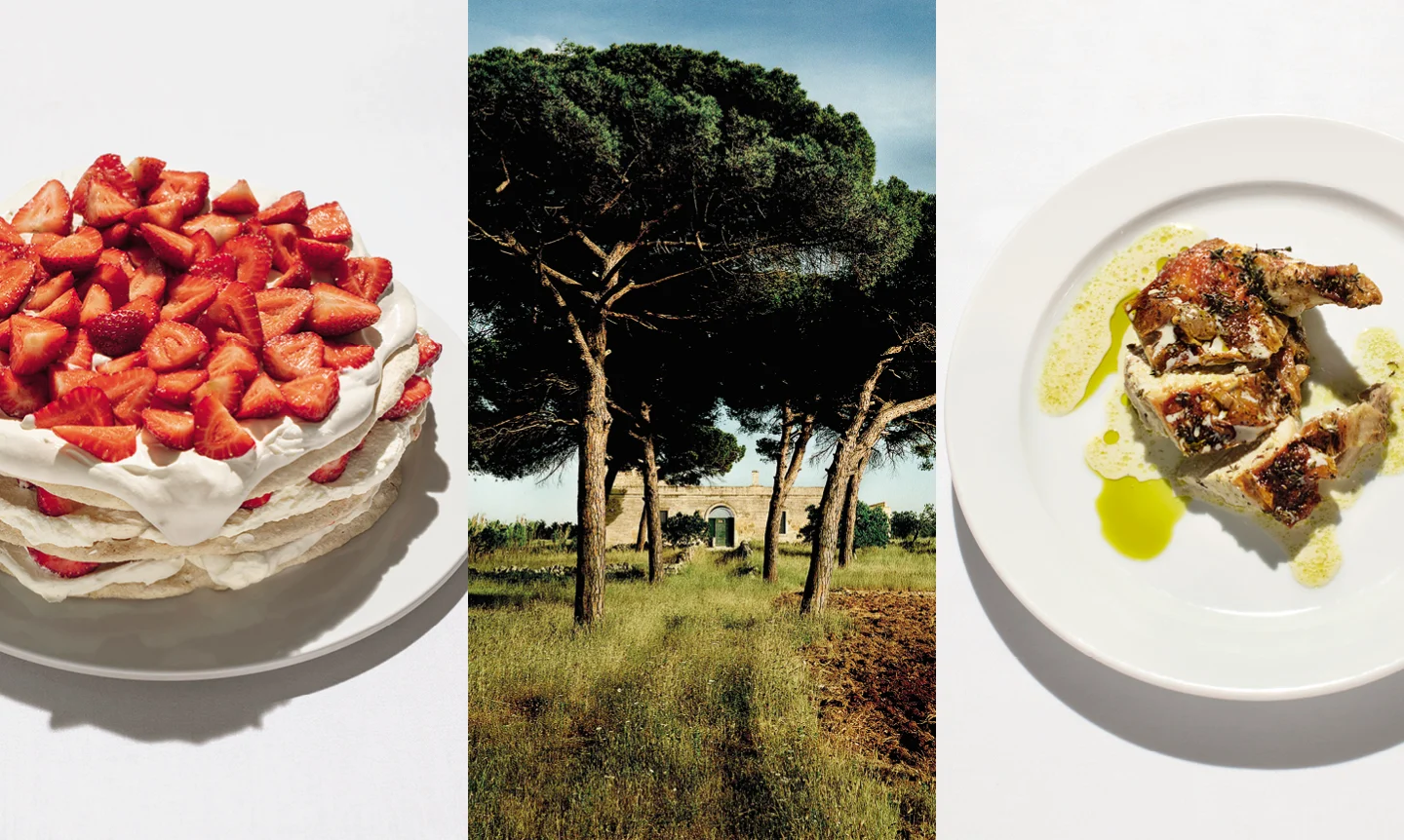
Ruth Rogers might be the most happily connected person in the food world, and that’s because she connects people around her tables. At The River Cafe, the famed London restaurant she launched in 1987 along with Rose Gray, the roster of regulars includes everyone from Britain’s cultural royalty— Michael Caine, David Beckham, Kate Moss— to American celebrities (Martha Stewart, Madonna) who vie for a table whenever they’re in town. But what makes the River Cafe such an enduring classic is not its star-studded clientele, but its commitment to a philosophy of simple elegance: primary colors, minimalist plating, and a leafy patio along the Thames make for a meal designed to delight. The menu is made up of light, unfussy Italian food that changes with the seasons: Pizzettas, Mozzarella di Bufala, Ribollita, and Branzino ai ferri— most of which incorporate the famously fresh River Cafe olive oil— are some of the dishes that allow premium ingredients to shine. It’s the ideal setting for the most convivial affairs, the brainchild of a chef who embodies social responsibility, togetherness, and alegria.
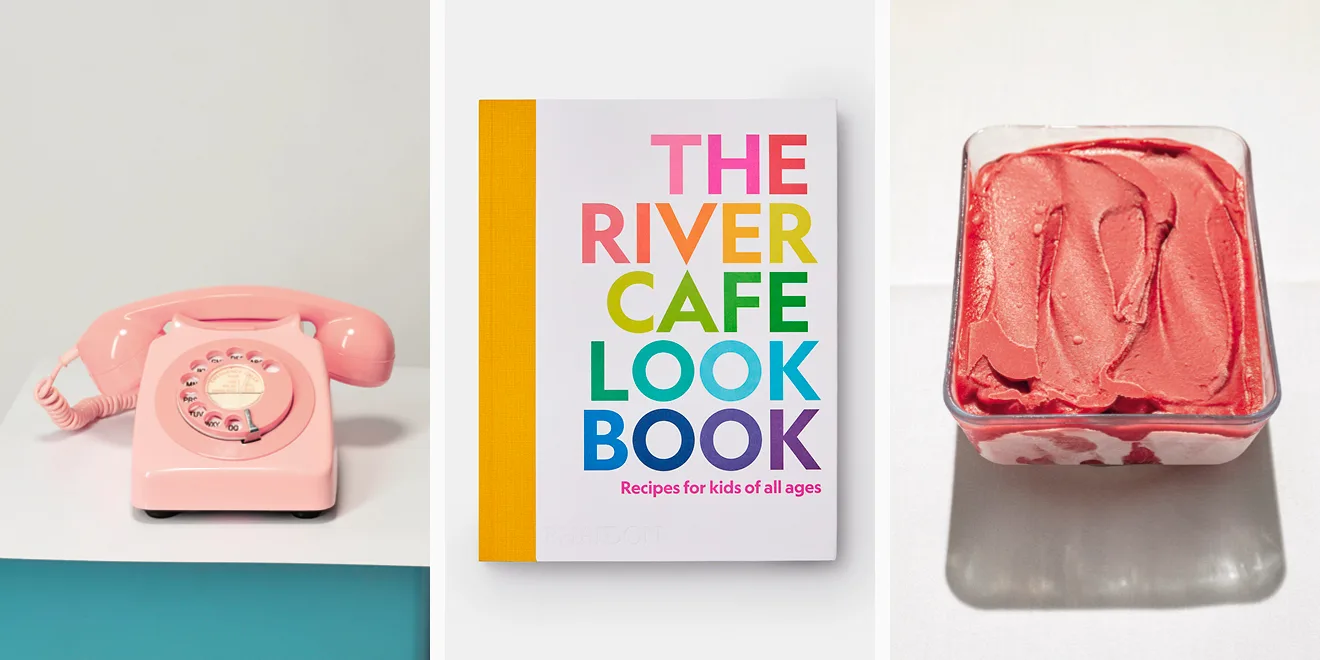
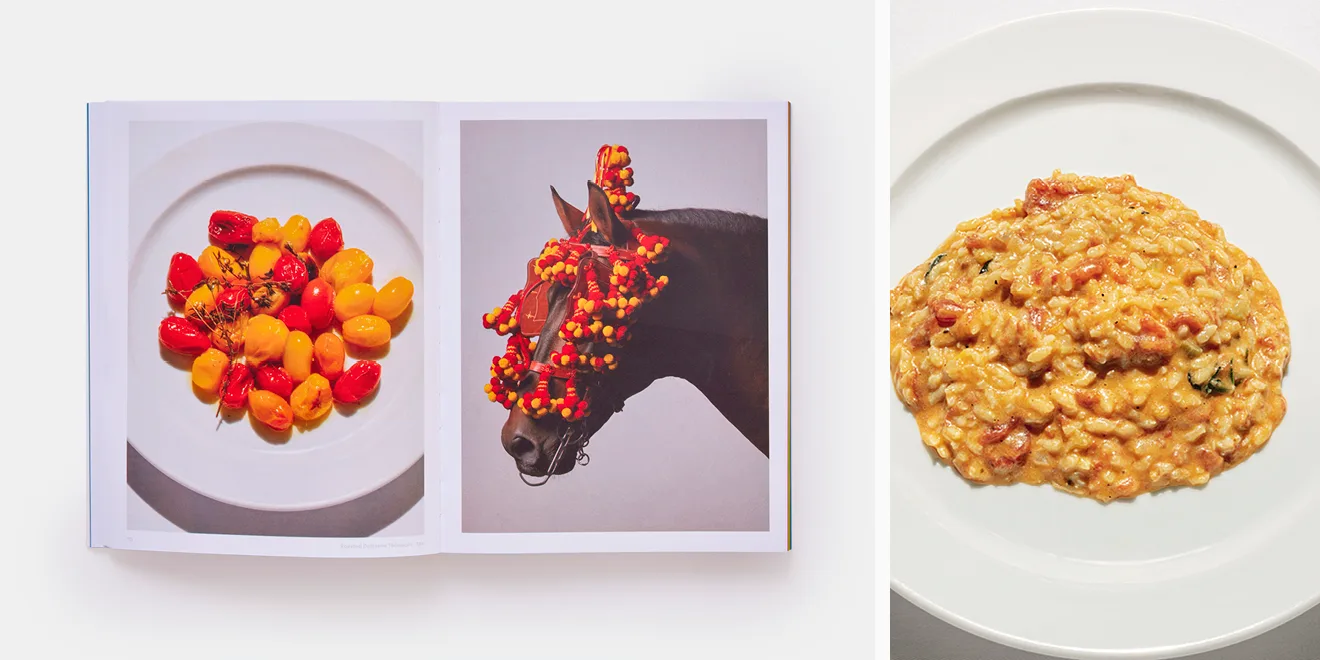
For 35 years, Rogers has been running a restaurant that’s as committed to its chefs as to its visitors as to their children (and her own); she says The River Cafe might have a second Michelin star if it gave up the paper tablecloths and crayons, which it won’t. Rogers wants everyone to experience the joys of good cooking, whether that means bringing her chefs to Tuscany or making a cookbook for children— a “look book,” rather, which juxtaposes images of The River Cafe’s signature dishes with ephemeral non-food photography. In The River Cafe Look-Book, Rogers’ 13th cookbook, which is designed for kids of all ages, a bowl of peppers sits next to a pile of folded straw hats; a pink rotary phone is juxtaposed with a glass container of just-made raspberry sorbet. The book’s primary color scheme and bold aesthetic reflects that of the restaurant itself, which is at once pared-back and playful. It’s kid-friendly but never patronizing— Rogers doesn’t believe in “kids’ food”— and, in some sense, an investment in the next generation of chefs, eaters, and food enthusiasts, whose future will depend on sustainable cooking more than ever before.
PRIOR: You have a background in graphic design. How much did that inform the book, and how much does it inform what you do at the River Cafe in general?
ROGERS: When we started the restaurant in 1987, Rose (Gray), my partner, had taught art school. She's an artist. I'd been to graphic design school, and my husband's an architect. So for all of us, the visual was very, very important. Now you call it branding, but basically we were all just thinking: What will people sit on? What will the place look like? What will people wear? We never wanted uniforms as such, but we wanted color. We're very, very involved in color. And then when we did our cookbooks, we really fought to have a typographical cover. We were probably one of the first cookbooks not to have a photograph on the cover.
Visually, we play in a very definite way in the River Cafe. We don't squiggle with olive oil. In a very Italian way, we like the food to speak for itself, but in a kind of dramatic way. We don't style and we don't have special lighting for food photography. When we were approached by Phaidon to do a book for children, we thought that's a kind of challenging and interesting thing to think about, how to inspire and teach a young person how to cook.
We started out by writing the recipes, which were very clear and very simple, but they were all food that could be eaten in the River Cafe. We didn't do kids' food. We never patronized them like that. So how do we make a book that both doesn't patronize and inspires? My husband had an accident about a few years ago, and somebody sent me these books called Photographic Treatment by Laurence Aëgerter, who was an artist. It's two neurologists and two photographers, and they paired photographs together for people with autism and brain damage. There's something that happens to you when you see two photographs together. It does something to your brain and your emotions. There's a kind of clarity and a beauty to it. So we thought about it and we thought, well maybe we could do something like that with food for this generation of Instagrammers who love photography. And then the recipes follow.
PRIOR: Do you think that the way that we communicate with kids about food has changed? Or do you think it should change?
ROGERS: In my experience as a mother and a grandmother, I think cooking is a great thing to do with kids, with anybody actually. I'm not of the school that everybody should have a home cooked meal, sitting around the table every night, though I do like that. We’re living in a world that is pretty tough out there, and very many women have jobs at night they have to go to or they would rather do their homework with their kids than cook a meal.