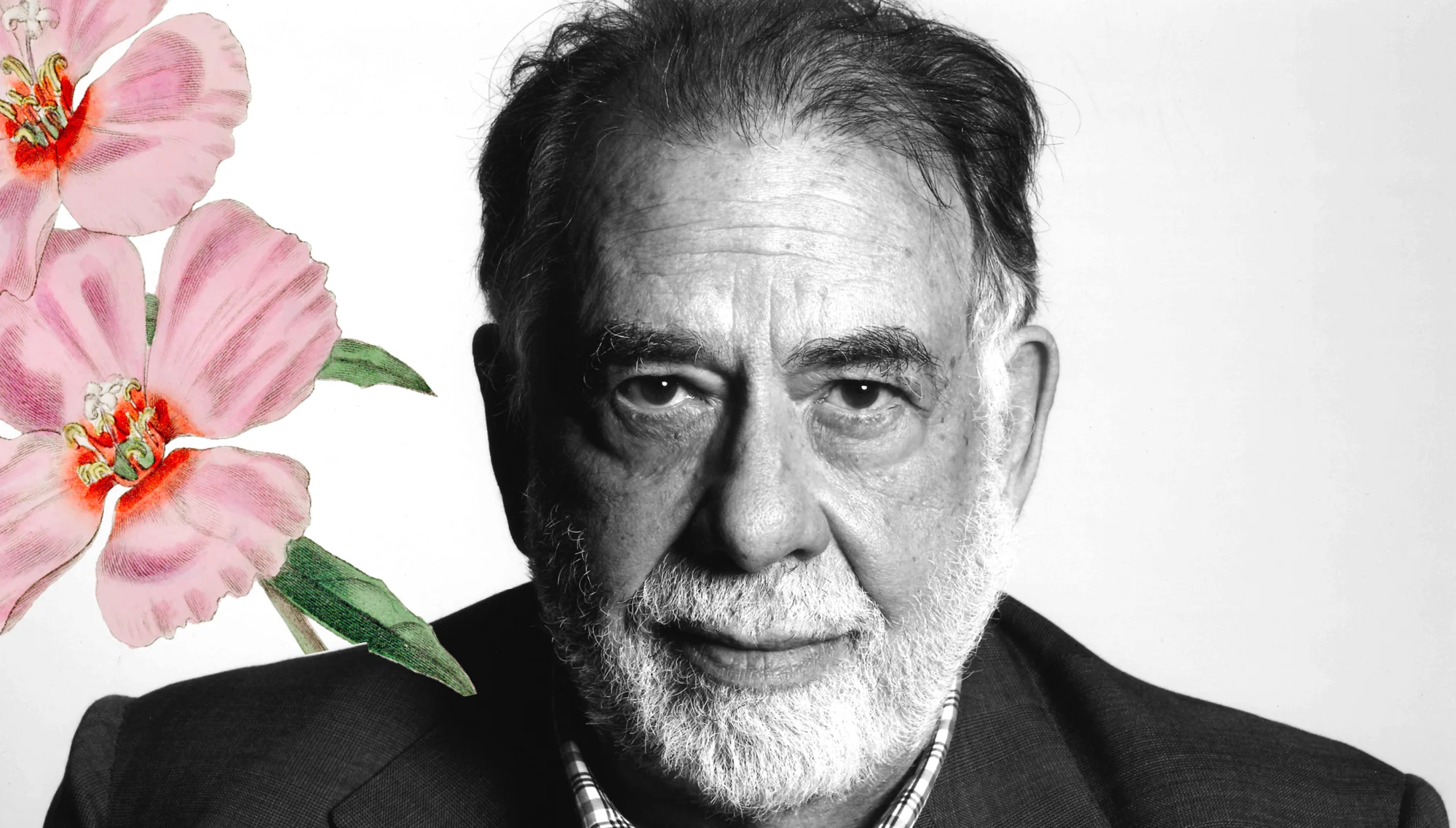
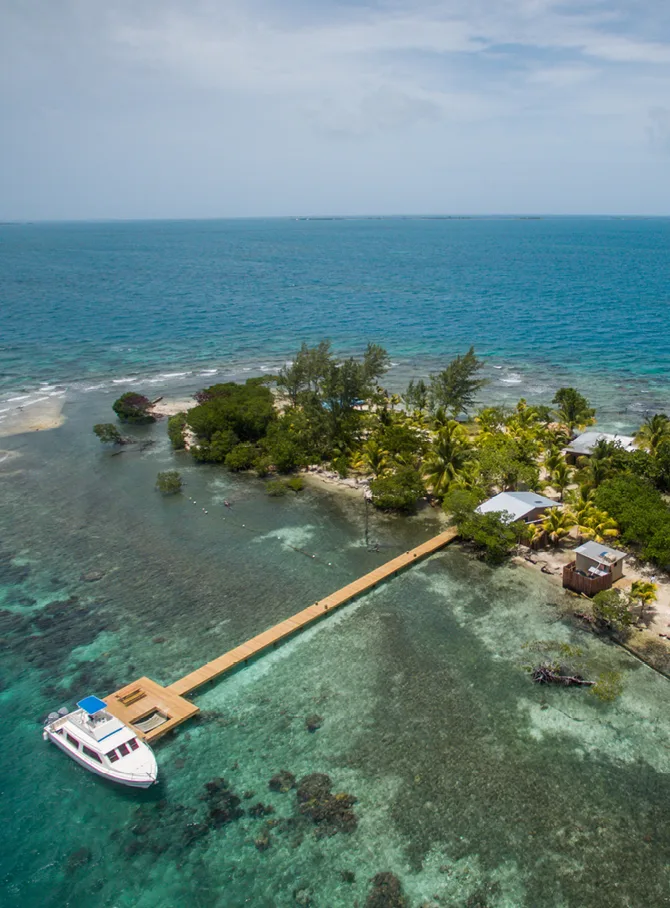
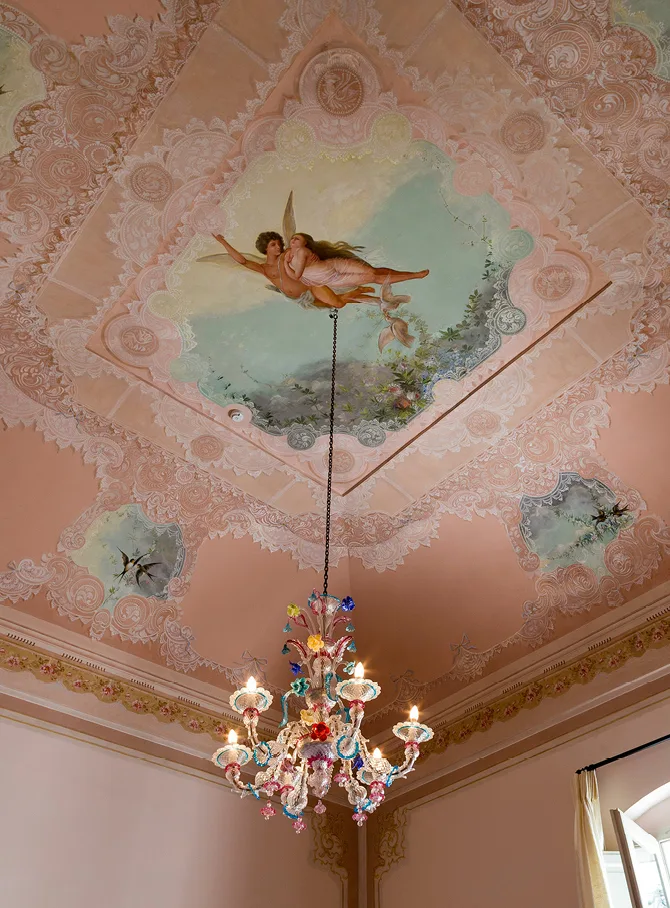
Francis Ford Coppola’s most enduring movies have explored troublesome American themes – power, empire, violence, surveillance – yet, as it is with great art, they’re somehow emphatically universal in their concerns – family, succession, disillusionment, war, honor. A proud scion of Italian immigrants and a devoutly dedicated family man whose inner circle comprises a formidable film community all by itself, Coppola is also a genuine man of the world: writer, entrepreneur, film studio innovator, winemaker, restaurateur. As hotelier, he has enriched his properties with the same passion and palate for place-evoking, scene-setting detail that bathes his films: hand-painted frescoes at Palazzo Margherita in Italy’s Basilicata region, his grandfather’s birthplace; toucan-bright textiles at La Lancha in Guatemala; in every room of his thatched Belize hotels—Blancaneaux Lodge and Turtle Inn—a “shell phone.”
It is a testament to the unsurpassed brilliance, humanity and narrative sweep of Coppola’s best work that three of his films, The Godfather, The Godfather Part II and Apocalypse Now, have held a place among the public and critical establishment that – shockingly, in a culture where tastes change by the hour – has not waned even a little going on nearly half a century. He is a man of personal and artistic integrity and, above all, of peace. Coppola’s veins course with wine, music and the stories of a lifetime. He’s seen a place or two. We’re fortunate that he shared a few with us.
Alex Postman: Is there a film you saw when you were younger that sparked your curiosity about a part of the world you were unfamiliar with—and maybe even inspired you to travel there?
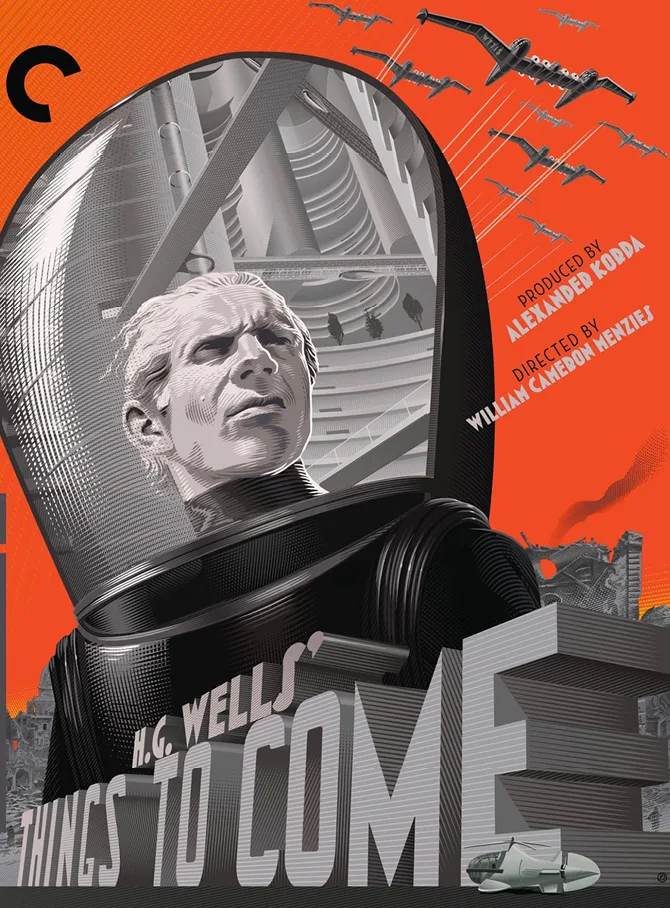
Francis Ford Coppola: Well, when I was very young, it was The Man Who Could Work Miracles and Things to Come, produced by Alexander Korda in England (my brother took me, also to their production of The Thief of Bagdad as a young theater student). As a young theater student of 17 years old, it was October: Ten Days That Shook the World, by Sergei Eisenstein, which shook me and caused me to drop out of theater and go to film school at UCLA.
I heard you fell in love with Belize and Guatemala, where you later opened three hotels, because they reminded you of the locations where you shot Apocalypse Now in the Philippines. True?
Well, I became accustomed to the jungle and liked it, and liked the islands and beaches of the Philippines. But even though there was a beautiful one I could actually buy, my wife correctly mentioned that it was so far away I’d probably not be able to go there very often. So when I read that British Honduras was becoming the independent nation of Belize in 1981, I went there with my young son to take a look.
Your portrayal of village life in Sicily in The Godfather trilogy is so vivid and enduringly defining for audiences (which we were reminded of with the release of Coda, your re-edit of The Godfather Part III). What are the unique qualities of Sicily you were trying to evoke?
Sicily is a very beautiful destination, and its people are totally friendly and kind and accepting to guests. That is why one never takes advantage of their generosity, similar to Philippine people, because if you betray their kindness, they will kill you.