For flower enthusiasts, witnessing the summer lavender fields in Provence or tulip time in Holland may be a lifelong ambition, but jostling with crowds can undermine the wonder. Thankfully, alternatives abound for the dedicated flora explorer to witness awe-inspiring blooms, from Vietnam’s annual water lily harvest to the cheerful sunflower stalks of southern Spain. Whether you seek seasonal natural wonders, historic flower festivals, or dazzlingly abundant harvests, these out-of-the-ordinary petal pilgrimages will be worth your while.
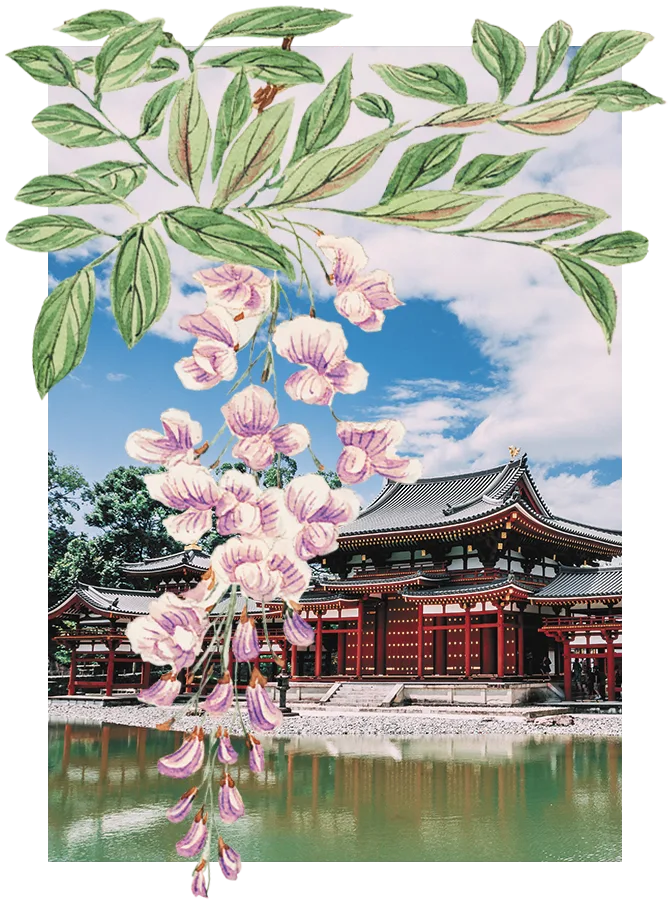
Wisteria in Japan
Japan’s springtime clouds of puffy pink cherry blossoms provide one of the world’s most famous spectacles, but they are not the country’s only floral sensation. Wisteria—fuji in Japanese—begins to bloom in late April, draping Japan’s parks in waterfalls of pink, purple, white, and yellow; in many places, pliant wisteria vines have been groomed to contort into fairytale-worthy tunnels that are ripe for wandering through. The flowers are celebrated in festivals throughout the month of May. At the Ashikaga Flower Park in Tochigi Prefecture, a celebrated 150-year-old tree has been staked to create a vast canopy of dangling, fragrant blossoms, while at Kawachi Fujien Wisteria Garden in Fukuoka Prefecture, twenty-two types of wisteria bloom in kaleidoscopic array along long paths and at the edges of reflecting pools. Some of the oldest wisteria in Japan blooms at the country’s shrines, and it’s worth seeking out the Kameido Tenjin Shrine in Tokyo, with wisteria vines that date back to the Edo period (circa 1600 to 1850). In Kyoto Prefecture, the Byodoin Temple boasts near-300-year-old trellises of purple blooms.
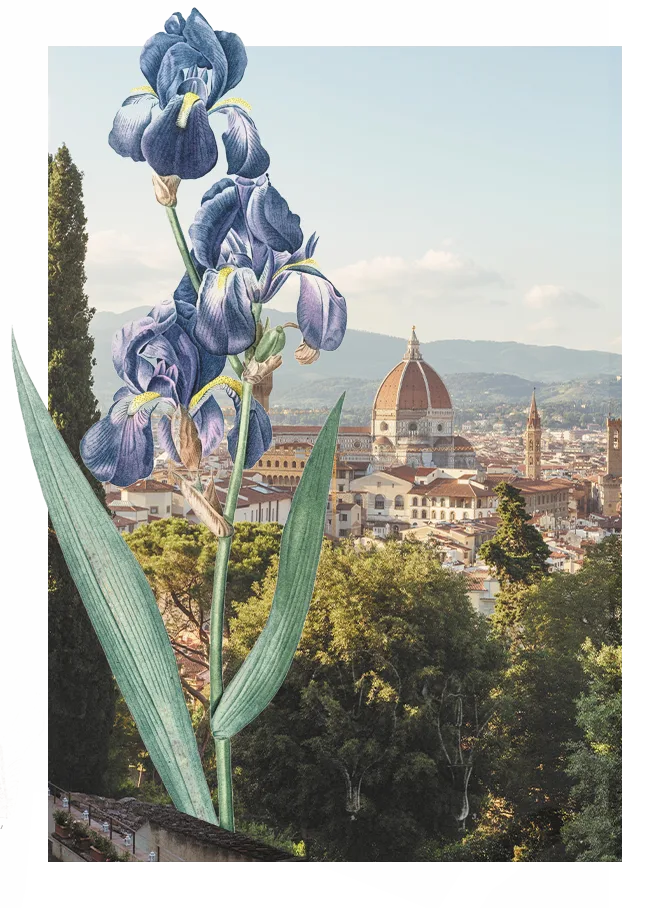
Irises in Italy
Each May, the fields around Florence turn lavender with thousands of bearded irises grown for use in the fragrance industry. A wildly expensive violet-scented substance called orris has been extracted from their roots for centuries, used to perfume everything from Catherine de Medici’s gloves to the powdered wigs of the seventeenth century. A drive through the countryside can be a rewarding adventure, but one need not leave Florence to immerse oneself in irises. The flower, named il Giglio in Italian, has been the city’s symbol since 1251, and perhaps the most special place to honor this history is the Giardino dell’Iris, which opens for only twenty days in spring. At this garden, created by iris enthusiasts in the 1950s, 1,500 varieties of the flower bloom on a hillside with panoramic views over Florence’s picturesque red-tiled rooftops. Follow this with a visit to the storied apothecary in the Santa Maria Novella church, where Dominican friars have been concocting perfumes, soaps, and tinctures with orris for more than 400 years.
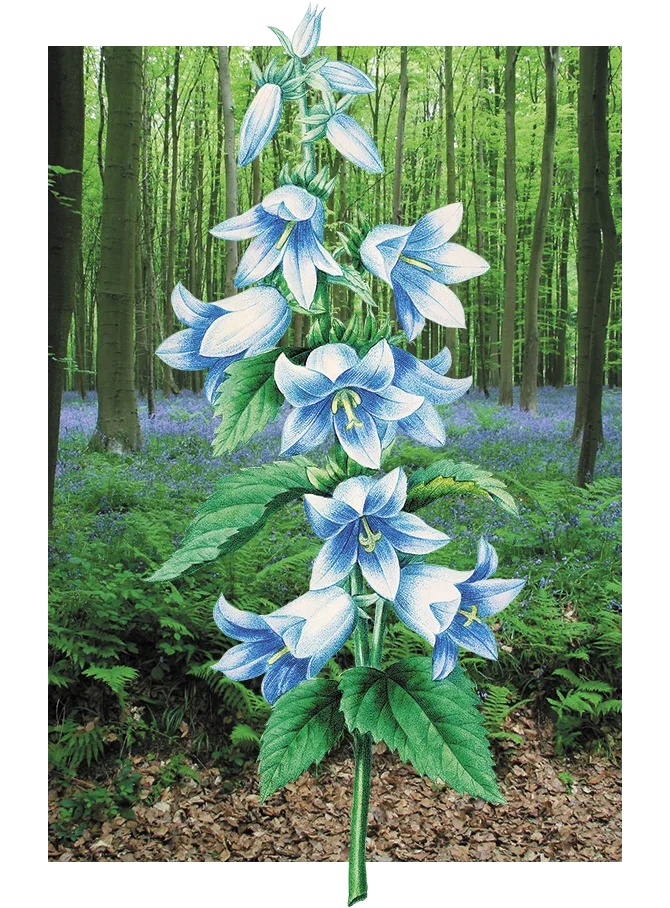
Bluebells in Belgium
Carpets of bluebells tend to be an indicator of age in Europe’s woodlands, and the Hallerbos Forest, just outside of Brussels, is ancient. The wood, which covers only a bit more than two miles, is one of Europe’s oldest, and although most of the original trees were cut down by the German Army during World War I, it was gradually reforested beginning in the 1930s after being acquired by the Belgian state. It is now one of the world’s most magical places to see wild bluebells, which have bloomed in the area for centuries. Beginning in late April, millions of vivid purple-blue spikes of the fragrant, bell-shaped flora create a sea of color that stretches as far as the eye can see. Visit in the morning or late afternoon, when rays of sunlight pierce through the burgeoning tree canopy and set the entire forest aglow.
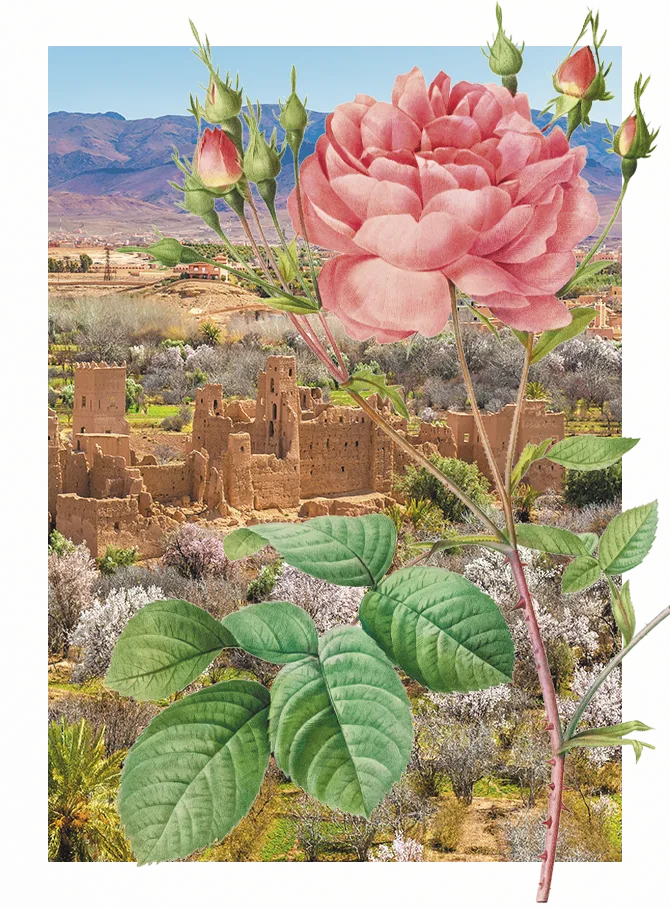
Roses in Morocco
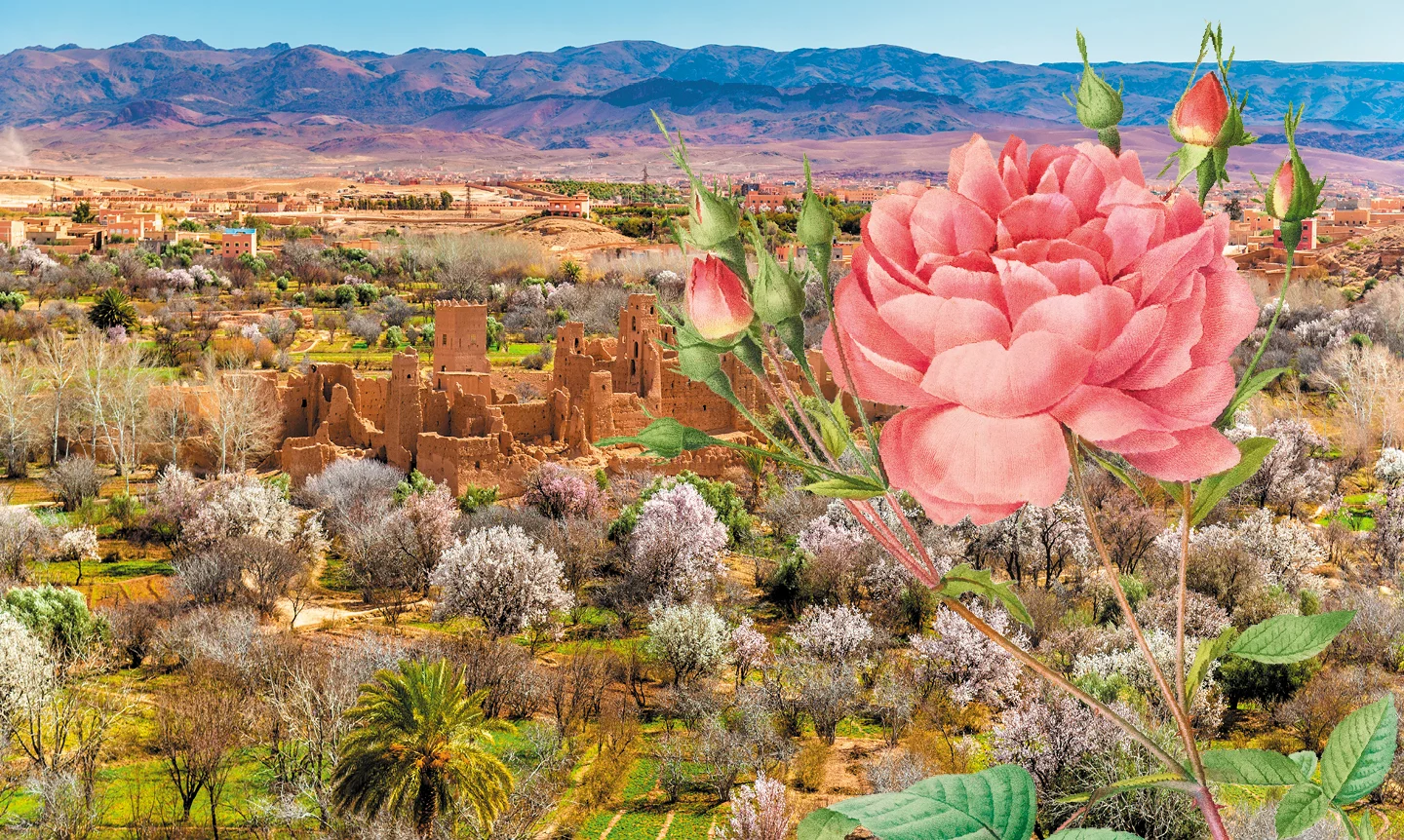
It’s hard to imagine a headier heaven for rose lovers than the Valley of the Roses festival in Kelaat M’gouna, a scenic mud-brick town in the southern foothills of Morocco’s Atlas mountains. Taking place in early to mid-May, the three-day party celebrates the apex of the annual rose harvest, during which local women collect between 3,000 and 4,000 tons of wild damascene roses from the nearby valley. Heaping piles of the fragrant pink blooms fill the streets, colorfully costumed locals adorn themselves with rose-blossom garlands, and on the final day, a newly designated Rose Queen presides over a flamboyant parade. The profusion of fresh buds may be fleeting, so be sure to make a round of the shops and merchant stands to stock up on artisanal rose jam, rosebud tea, rosewater-infused face creams, and rose perfume that will bring back memories of Morocco every time you smell it.
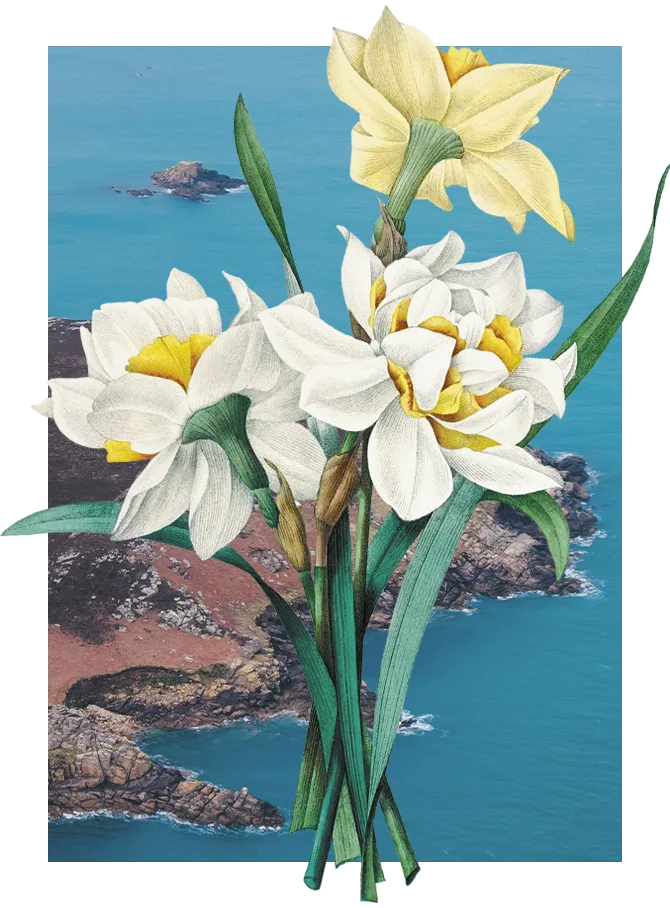
Daffodils in the Isles of Scilly
A floriculture fact: Britain produces 90 percent of the world’s cut daffodils, and 80 percent of those are grown in Cornwall. Since the late 1800s, the hotspot for narcissi has been the Isles of Scilly, a small archipelago about 28 miles out from Land’s End, Cornwall’s westernmost tip. Situated smack dab in the middle of the Gulf Stream, the islands’ subtropical microclimate means that the flowers get a jump on spring, beginning to bloom in late winter for a harvest that lasts through January—just in time for those sunny harbingers of a new season to turn up in florists’ shops and grocery stores across Europe and the US. The Isles of Scilly, which can be reached via plane or ferry from Penzance or Newquay, make for an enchanting place to visit at any time of year, with wild heathlands, prehistoric ruins, and, in high summer, flocks of black-and-white puffins. But nothing can rival the spectacle of seeing, and smelling, swaying lemon-yellow daffodils blooming against a backdrop of turquoise sea.
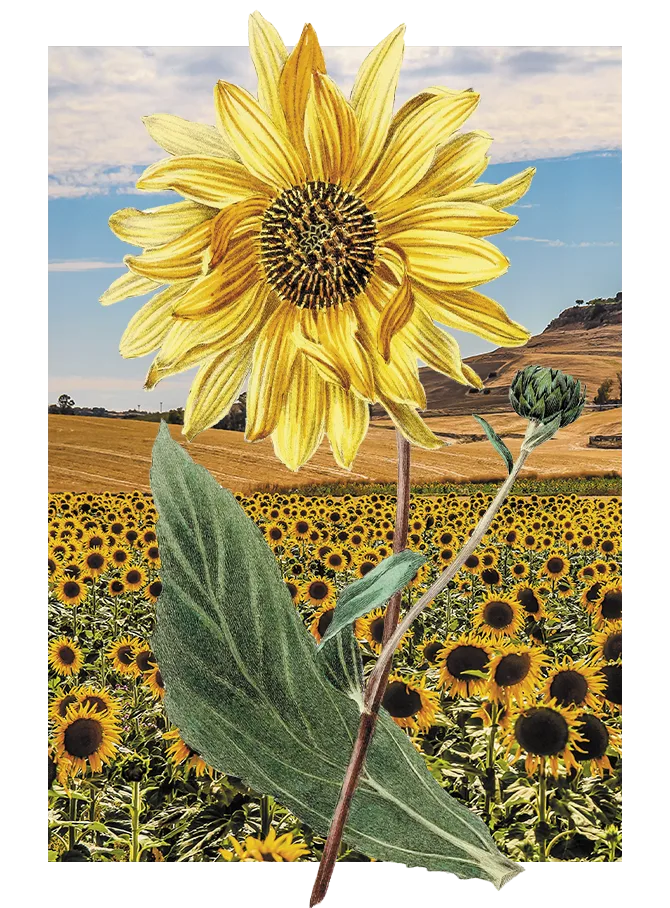
Sunflowers in Spain
Many associate fields of sunflowers with the French countryside or the American Midwest, but some of the most expansive vistas of the joyful golden blooms can be seen in Spain. Although helianthus is a heat-loving plant that peaks in high summer in most regions, sunflowers begin to bloom in late May throughout Andalusia—specifically in Carmona, near Seville, where they are cultivated for their oil yield. With more than 12,000 acres devoted to the crop, their shoulder-high stalks and plate-sized flowers create what locals call mar de girasoles, or the sea of sunflowers. Some of the local farms offer horse-and-buggy tours of their land, and if you stay long enough, you may even see the sunflowers’ faces turn as they follow the sun across the sky.
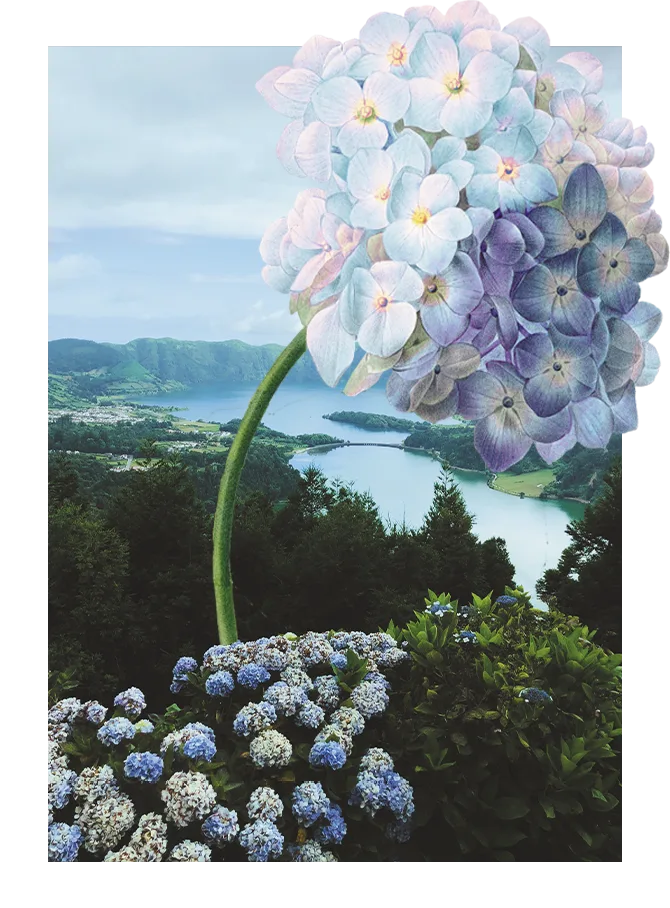
Hydrangeas in the Azores
Although hydrangeas flourish on all nine of Portugal’s Azores islands, the most jaw-dropping spot to see them is undoubtedly Faial, which has been nicknamed “Blue Island” thanks to the intense color of its annual blooms. As anyone who has grown a hydrangea bush at home knows, the hue of the flowers is dependent upon soil pH—and Faial’s extremely acidic terrain, the result of a 1957 volcanic eruption, fosters X factor conditions for vibrant cerulean blossoms— which appear especially luminous against the backdrop of the glittering Atlantic Ocean. During peak bloom season, which spans the second half of July through the end of August, the blue pom-pom-shaped flowers form dense clusters, lining the roads and daubing the countryside, where hydrangea bushes form the hedges that separate pastures.