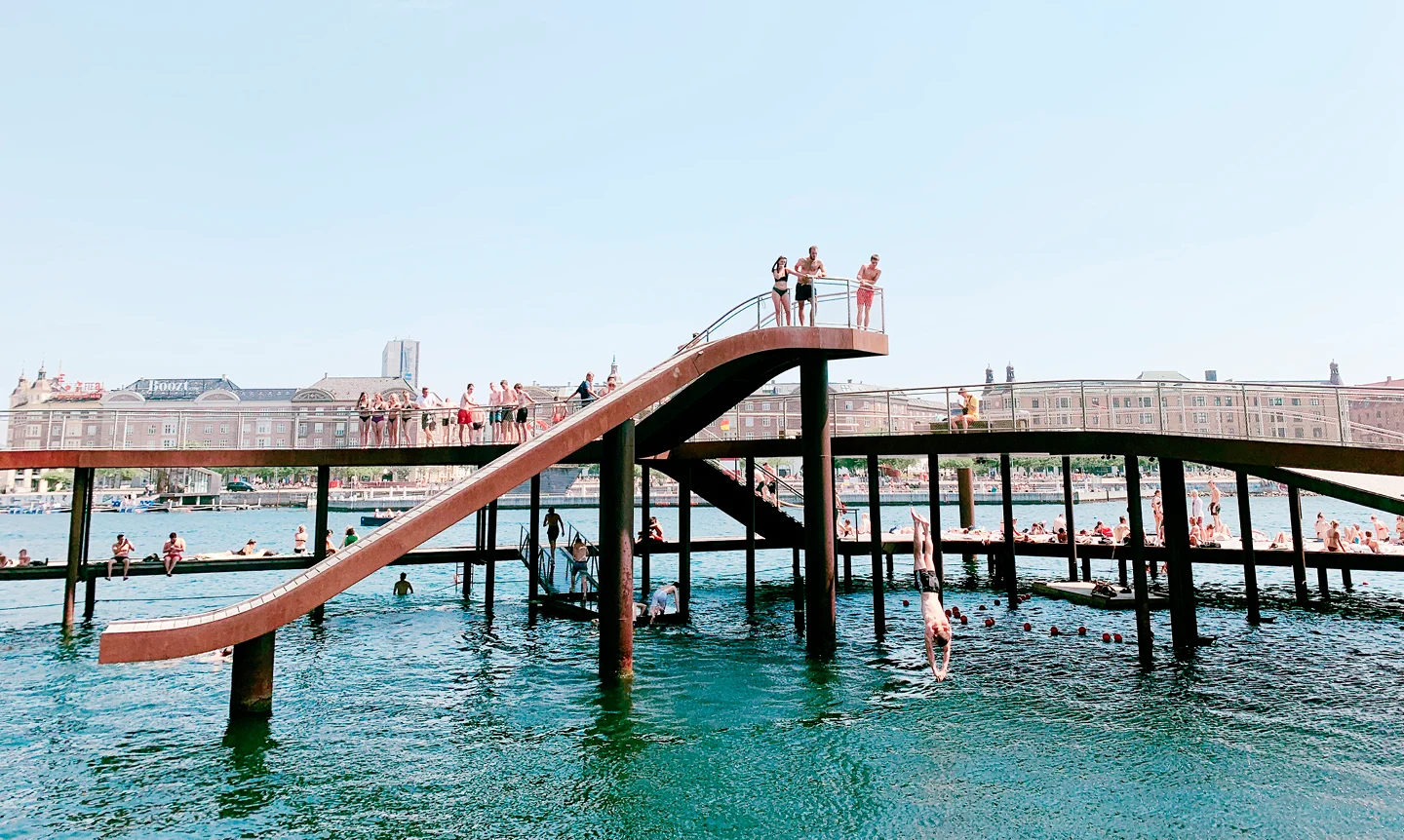
Perhaps because of Denmark’s long dark winters, Copenhagen feels like a city that truly comes alive come summer. Spread across several islands, many of Copenhagen’s neighborhoods have direct access to the harbor, a busy waterway that splits the city in half. In the city center’s inner harbor, the canals snake through Nyhavn (famous for its colorful buildings), Christianshavn, Holmen and Refshaleøen. In the south is Sydhavn, and to the north, Nordhavn, a former shipyard that’s rapidly being developed.
On a sunny day, the city’s waterfront is filled with people sipping wine, soaking up every ounce of sunlight— which can last until 10 PM— and taking occasional dips in water. This was not the case 15 or so years ago, when like the Hudson River in New York or the Seine in Paris, the water was deemed unsafe for swimming. But not too long ago, Copenhagen’s municipality rerouted wastewater, relocated the container ship terminal and essentially cleaned up the harbor.
Today harbor baths (a few designed by starchitect Bjarke Ingels), which are designated swimming areas, have opened up across the city. There are also a handful of new restaurants and cafés in the areas, as well as places that rent out electric boats and kayaks so locals and travelers can explore all the small canals along the waterfront.
Here's how to make the most of the city’s urban coastline this summer.
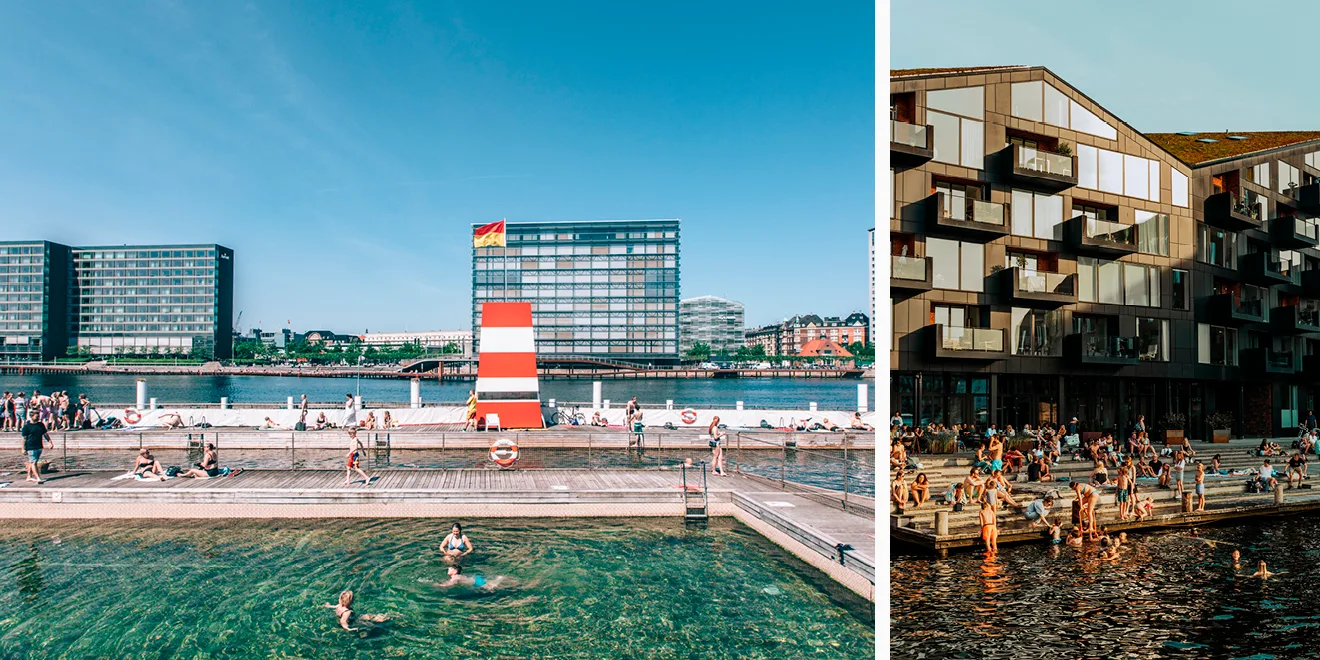
Sandkaj and Islands Brygge Havnebaid Harbor Baths
Start the day like many Danes do with a bracing dip. In the early morning, locals migrate to harbor baths like Sandkaj in Nordhavn or Islands Brygge in Amager (designed by Ingels). An icy swim is usually followed by a coffee and a pastry or rye roll layered with butter and a slice of cheese (from Andersen & Maillard at Sandkaj or Andersen Bakery in Islands Brygge). As the sun shifts, so does the crowd, which switches from their shots of expresso to cans of cold beer.
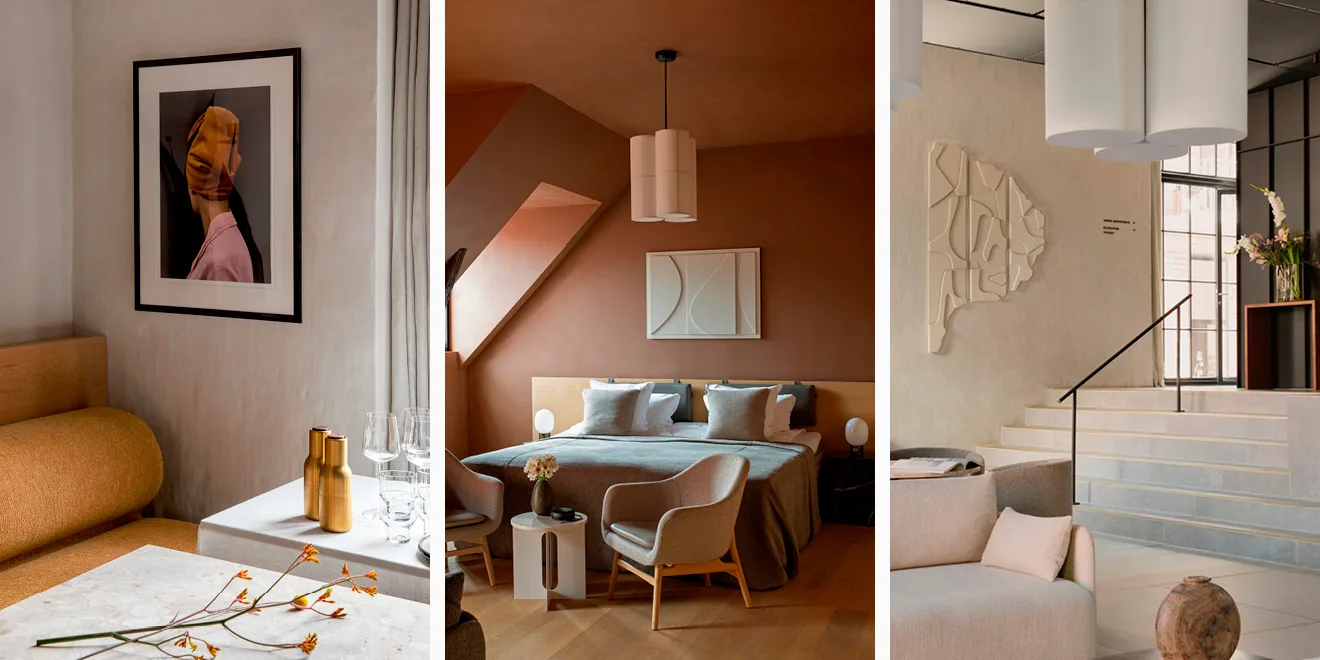
The Audo
Since its opening in late 2019, The Audo has become a magnet for design lovers.
From the team behind Menu, a contemporary Danish design brand, The Audo is a hybrid concept space located in a former shipping magnate’s merchant house. It’s home to Menu’s headquarters and flagship showroom, as well as a restaurant and chic residence on the top loft level. Naturally, the rooms are all kitted with Menu furniture: marble plinths and chairs in shades of beige, cream and clay. Almost everything inside is for sale. One of the perks about staying at the hotel is the proximity to the Sandkaj harbor bath, where every morning can begin with an icy dip. There's no shame in making the five minute trek to the water in your hotel robe.
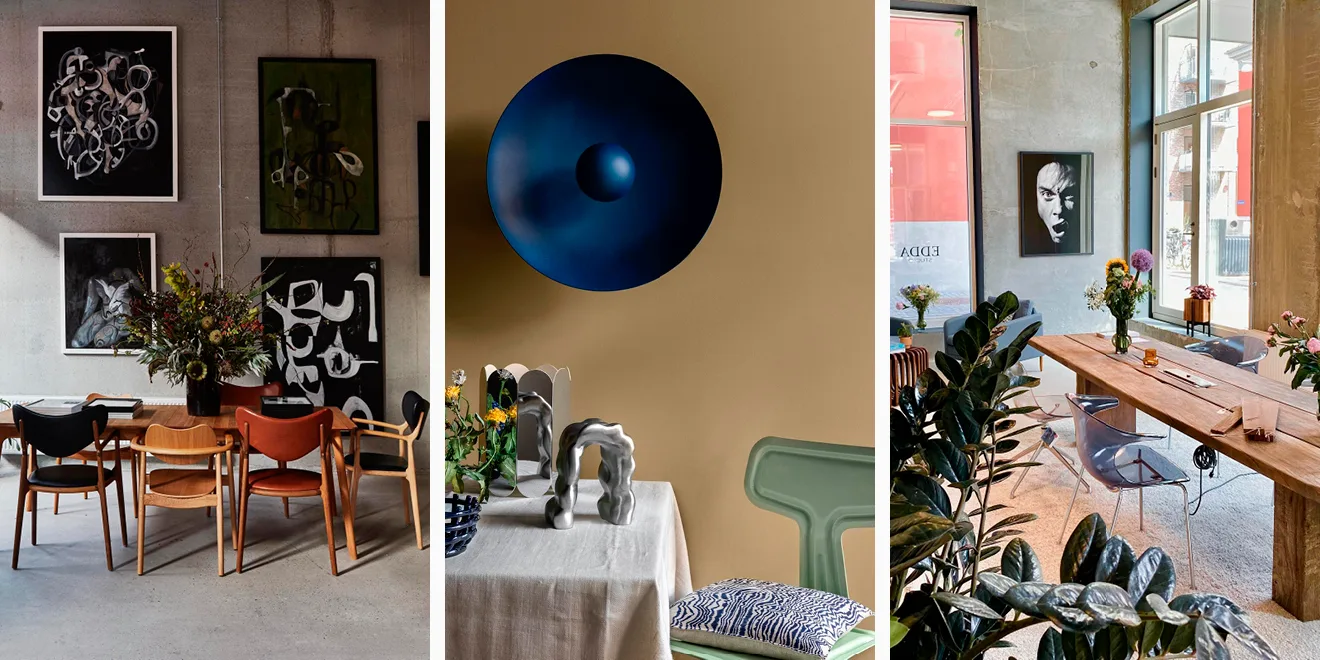
EDDA Studio
Founded by friends Lærke Andersen and Nanna Thor, EDDA Studio is a new showroom, housed in a glass-fronted building, in Nordhavn that carries a selection of eco-minded Danish design brands like Mogens Hansen and MOEBE. It also serves as community hub, where locals can browse through the wares, have a glass of wine or coffee (enjoyed on the sunny terrace) and attend various symposiums and events.
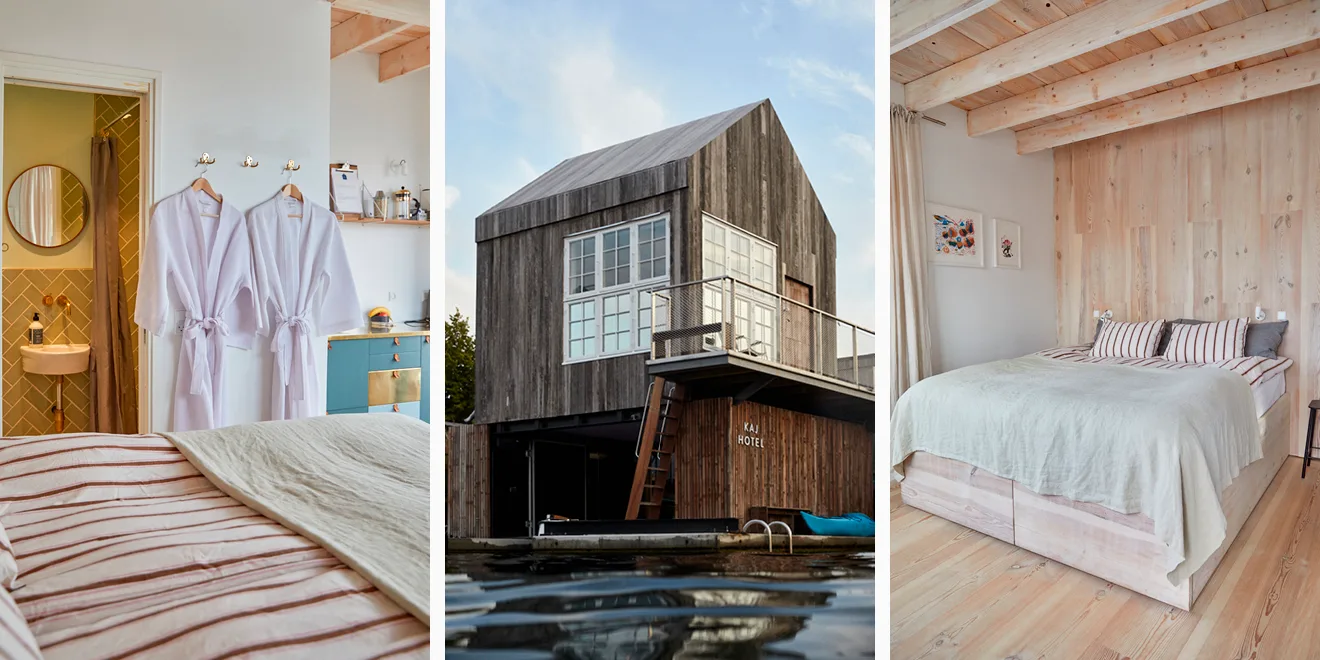
Kaj Hotel
This boathouse hotel is one of the most charming places to stay in a city chock-a-block with lovely spots. Essentially a floating pod on the opposite side of the harbor (from Nordhavn), the interior is quintessentially Scandi, simple and unfussy, with water views. There’s also a balcony and kayaks on hand for exploring the waterfront.
Amass
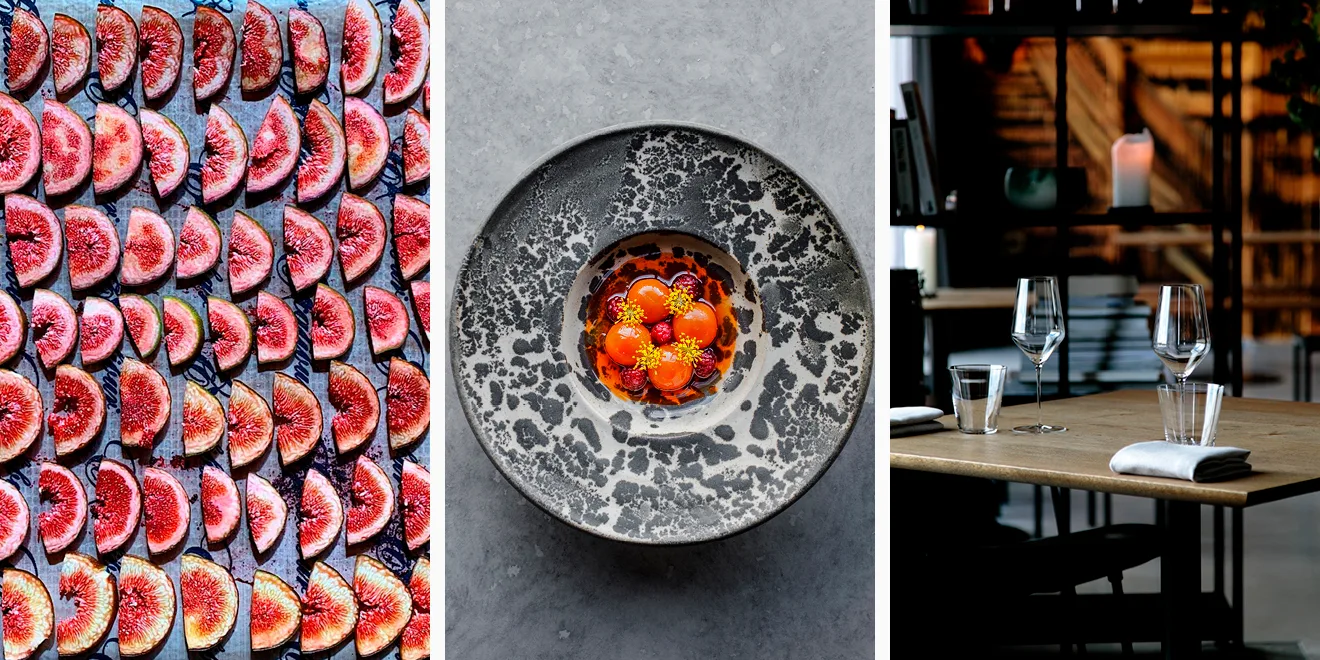
Chef and owner Matt Orlando (and also a NOMA alum) has become a trailblazer in zero-waste dining, with delicious, upcycled specialties like ice cream bars made from old bread. Orlando’s test kitchen at Amass with food waste like coffee grounds and vegetable peelings, turning them into vital ingredients for the next dish. There is a 12-course tasting menu with signature plates like fermented potato bread, as well as innovative additions like crispy noodles made from fishbones, with smoked roe and fresh herbs. In 2020, when fine dining went on pause, the team launched AFC, a new take-away joint where Orlando’s famed fried chicken can be eaten in the restaurant's garden.