The Amalfi Coast in August, without a single room or table booked ahead. Impossible, right? My girlfriend and I were in Rome, having spontaneously arrived from Florence in the early evening — that perfect hour when the light is magical and the day’s heat is finally bearable — to find not only a parking spot but an empty piazza beneath the Spanish Steps. Which Cinecittà set had we just walked onto? Over dinner in a nearly empty restaurant, we decided to try our luck in Amalfi, a place I’d never visited because I feared the crowds of tourists crammed into narrow streets in high season. Within two days, we were by the pool at Le Sirenuse, masked and practically alone, calling Da Adolfo on the off chance that we could get a table for lunch in an hour. “Of course!,” they said. Of course?
When we’d made the sudden decision to leave our home in Los Angeles, traveling on our European passports (I’m French; my girlfriend is German), we knew that this trip would be different. But we had no idea how besides the quarantine and the extreme caution we had to have (masks and social distance) Usually in Europe we use trains or fly because of the convenience. This time, we rented a car. Not only did it give us more safety, it also freed us from schedules and gave us a spontaneity we’d never experienced. We could drive from Berlin to Paris, Paris to Florence, Amalfi back to France, or wherever the mood — or avoiding hot spots, closures and quarantine regulations that we were constantly monitoring — took us. If it didn’t look like a hotel was serious enough about its cleaning protocol, we could pack up and move to another. We were able to stay at hotels, eat at restaurants and see sights we never could have experienced otherwise. And, with the exception of some lucky Brits who were enjoying an open travel corridor to Italy, we didn’t hear any English spoken for weeks.
It was a once-in-a-lifetime journey and a travel fantasy to be sure. But it also felt like life in wartime, with all of the fear and sense of being suspended in time that it entails. Especially because I have no doubt that I’ll never be able to get a room at La Sirenuse or a table at Da Adolfo once people are able to travel freely again.

Sta. Maria Novella, Florence. The legendary apothecary has never felt more like what it once was: a convent.
Caffe Concerto Paszkowski, Florence. Empty spaces like this allowed you to see the patina of time. It was like being on a movie set, but some of the main actors are missing — in this case, old men lining the bar.
Uffizi Gallery, Florence. It’s been said that museums are the best place to protect the art and the worst place to showcase it. Case in point: The Uffizi, where you usually have to reserve a ticket months in advance and still stand in line for an hour to get in. We waited 20 minutes and were let in without a reservation. Better yet, the strictly enforced social distancing meant that we were practically alone with the art.

Giacometti’s Studio at the Centre Pompidou, Paris. Europe’s museums were slowly reopening by August. This intimate atelier was extra empty as well as their fantastic Christo exhibition.
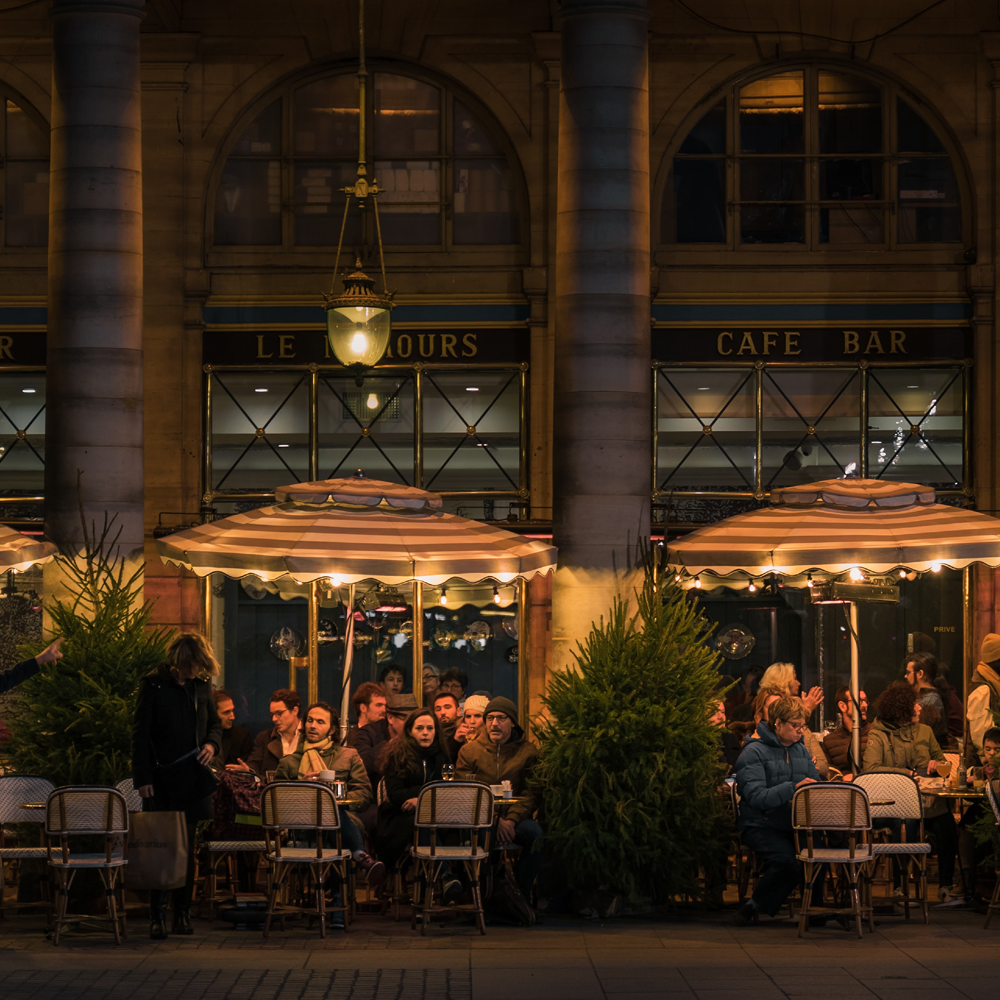
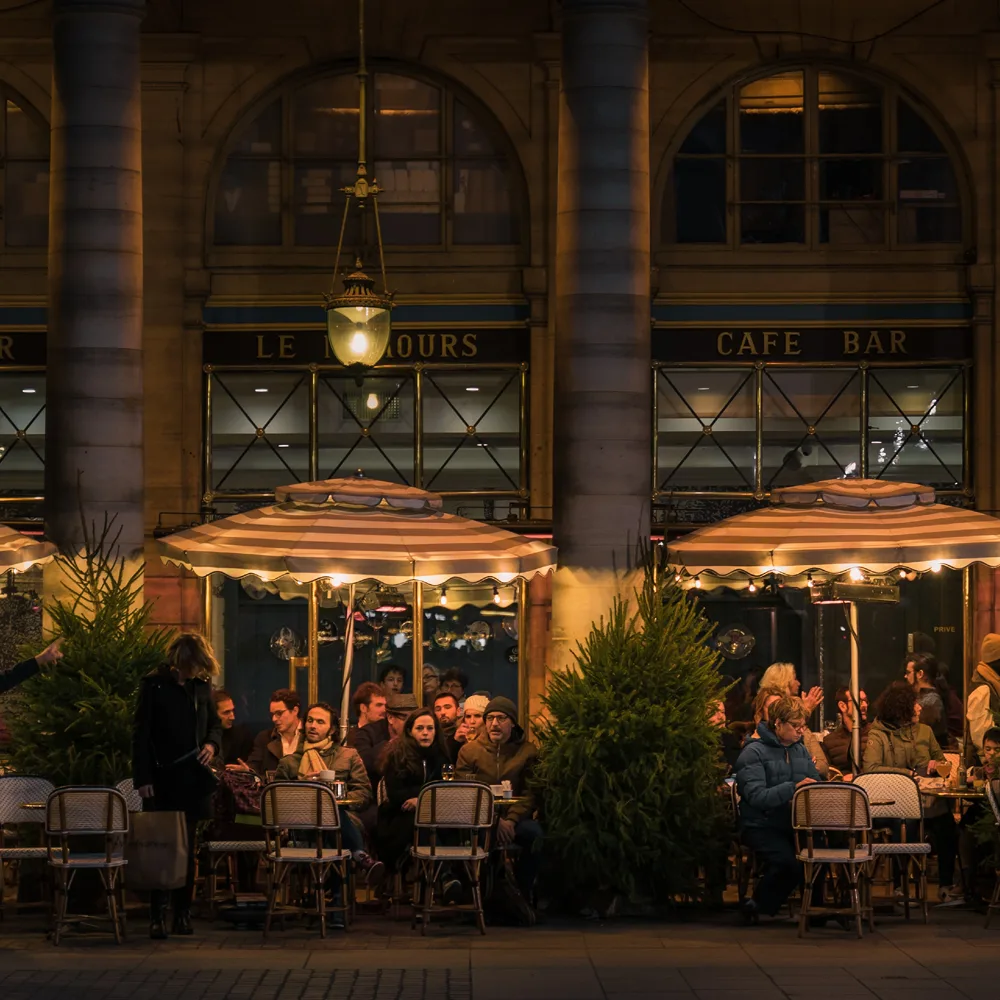
Palais Royal, Paris. Except for a few people playing pétanque and the occasional café-dweller, the arches were eerily silent.