Mexican Red is a multibillion dollar industry that touches almost every sector of the global economy, from cosmetics (Burt’s Bees) to candy (M&M’s).
Not bad for a scarlet-hued natural dye derived from the cochineal, a cacti-dwelling scale parasite that is about the size of a pencil-top eraser.
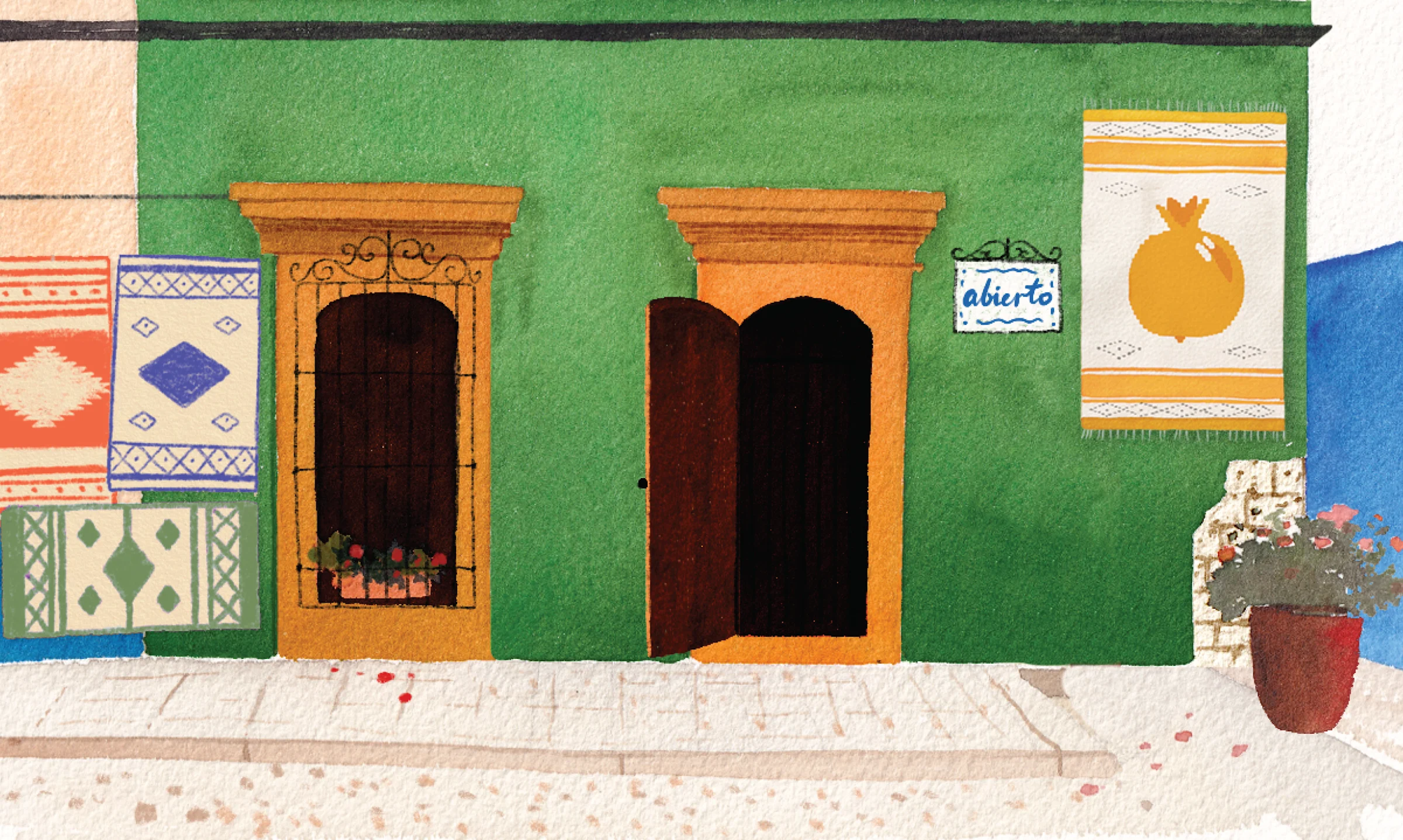
Extracting red carminic acid from dried and pulverized insects has long been a way of life in Teotitlán del Valle, a designated Pueblo Magico in the foothills of Oaxaca’s Central Valley famous for its geometric Zapotec textiles.
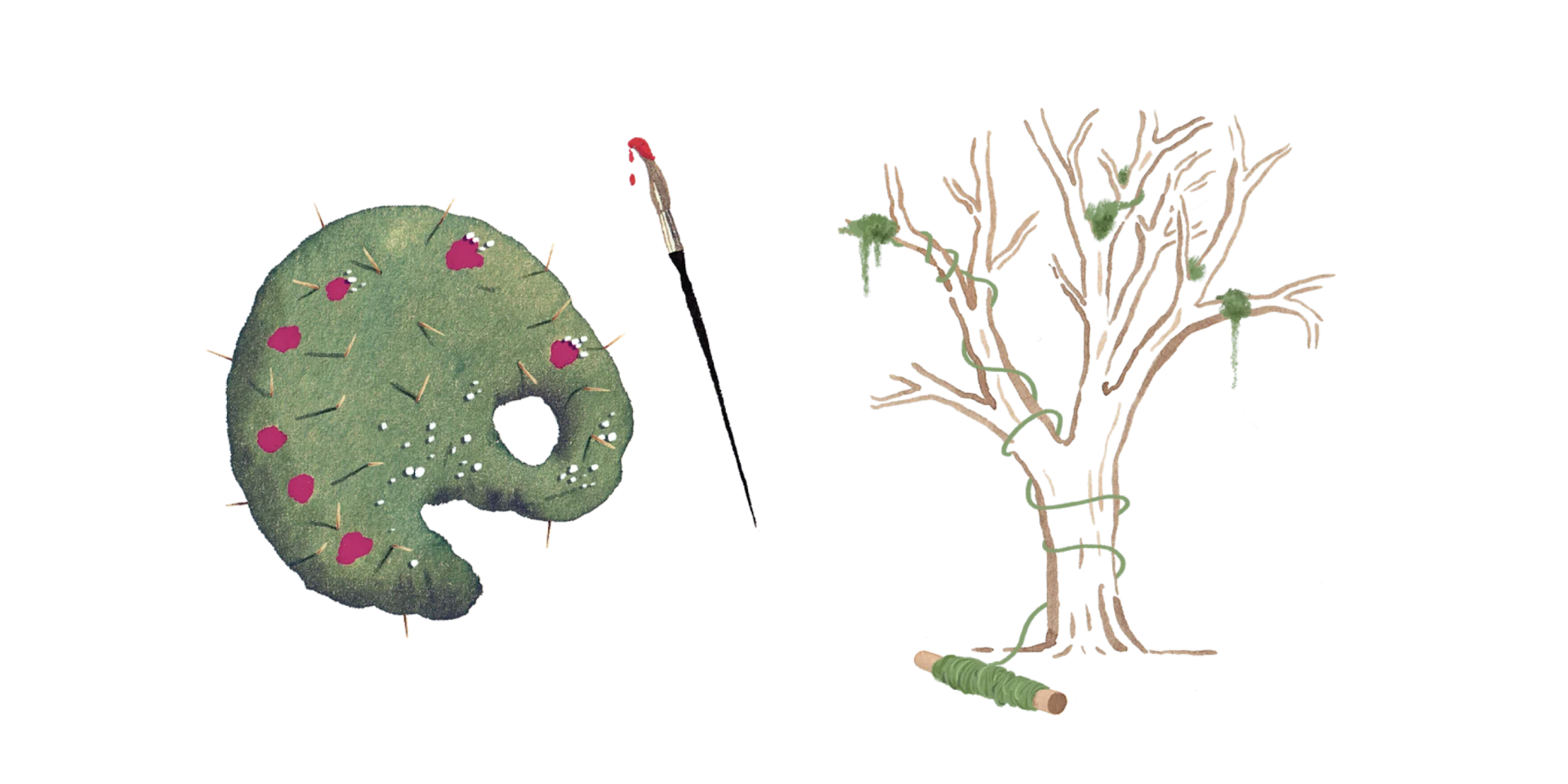
Samuel Bautista Lazo is one of many master weavers working in the Souther Mexican state's cloud-soaked mountaintops who is keeping this dye-making tradition alive. In the early hours just before sunrise one recent morning, Lazo joined his mother and began combing through prickly pear pads in search of cochineals to use at Dixza Rugs & Organic Farm, his family’s textile workshop and rug-making studio in town. It was going to be a long day: Tens of thousands of insects are required to make one pound of dye. (Only the females produce the crimson color.)
In colonial times, cochineal dye was seen as “red gold” by Spanish conquistadors. In the 1700s, the British royal family used carmine to make the redcoats worn by soldiers. Artists like van Gogh and Caravaggio used the imported pigment in their paintings.
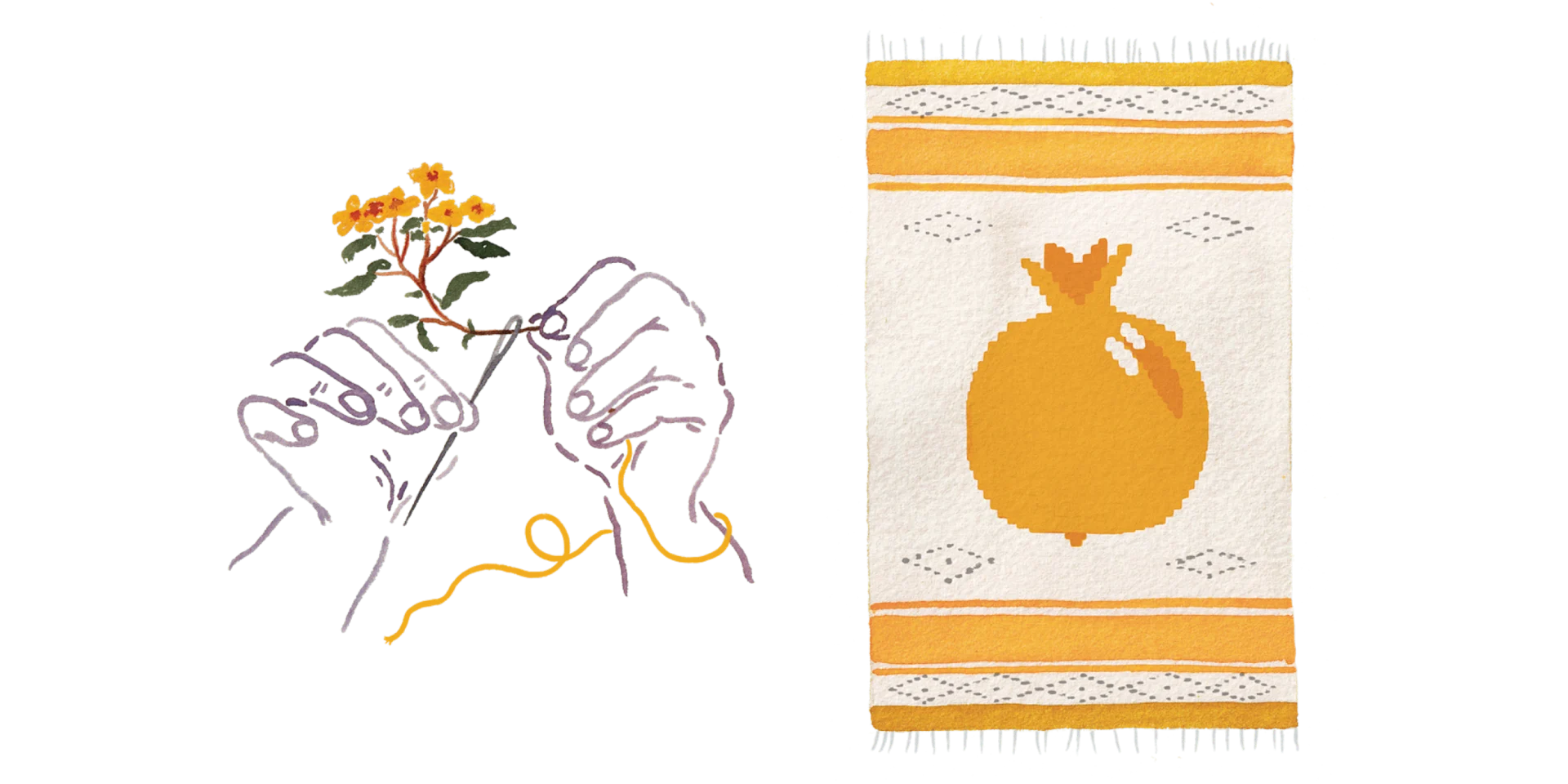
About 75 percent of Teotitlán’s 5,600 or so residents are dyers. These days, Oaxaca's carmine connoisseurs are seen as pioneers of sustainable design, thanks in part to their ability to maximize their surroundings for pigments used in their weavings. Yellow hues are drawn from dried pomegranate rinds. Wild marigolds with mezcal, lime, and salt is just one of the recipes for orange. Pink is produced from the bark of alderwood trees. Alfalfa leaves make green. Añil, a flowering plant in the pea family, is responsible for the region’s world-famous indigo.
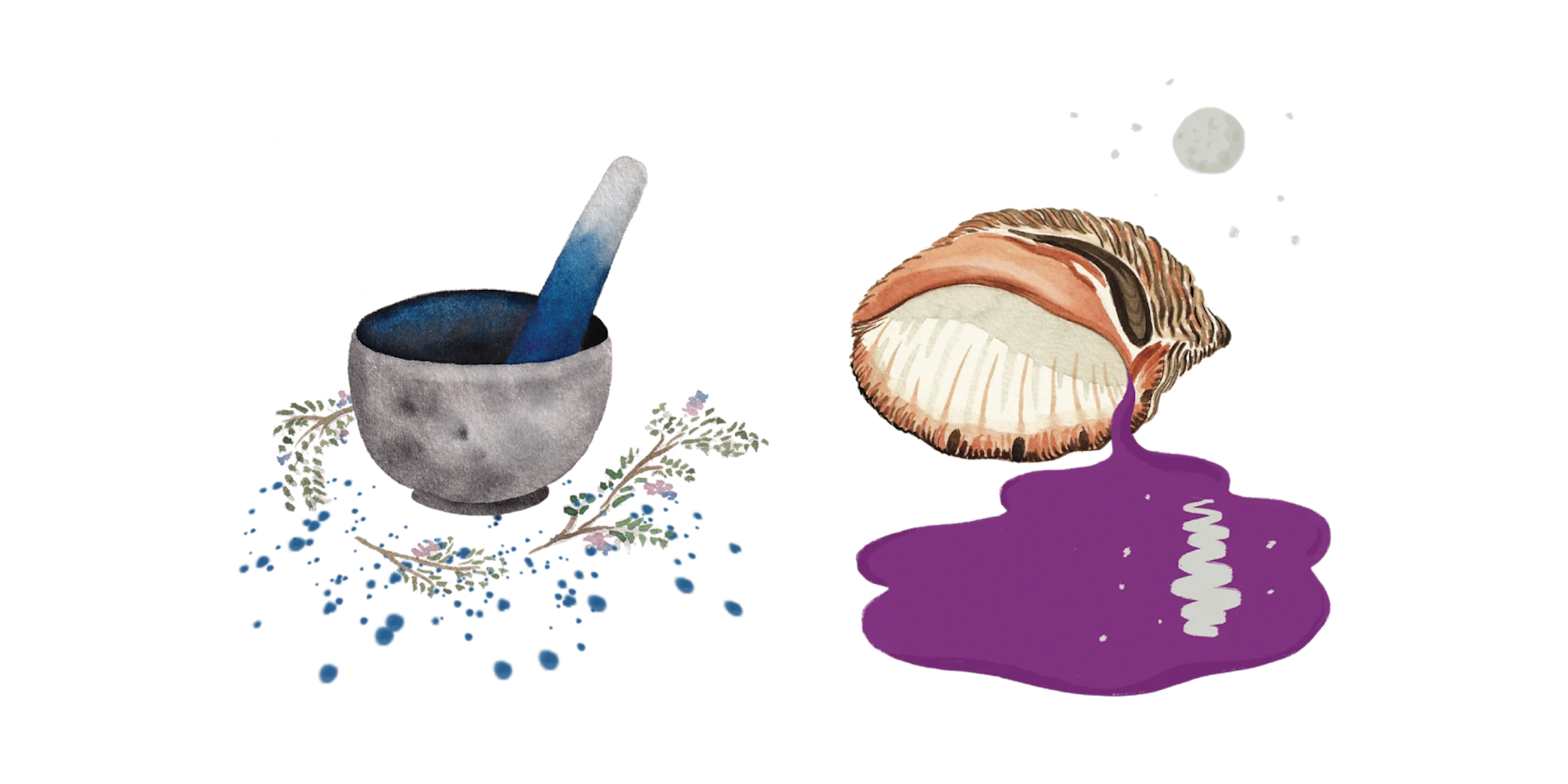
In Pinotepa de Don Luis, a coastal village southwest of the capital, Mixtec artisans embark on week-long harvesting treks in search of the rare Purpura Pansa snail, a marine mollusk with a violet shell. Starting at a young age, weavers are taught how to wade into the rocky tides while holding a cotton skein in one hand and, in the other, a pointed stick used to pry sea creatures loose. Piercing the sea snail releases a milky fluid into the mouth of the shell, which is then poured onto yarn laid out on nearby rocks. Once combined with Southern Mexico's intoxicating oxygen and light, the substance, as if by magic, turns a regal purple hue. Or, as Lazo put it: “A gift from the gods that allows us to live in harmony with our environment.”