This article originally ran within Soup for the Soul — a collection of stories exploring the literal and allegorical magic of soup.
Who doesn’t love soup? Throughout my travels, it has been a constant obsession. I crave soup for lunch and for dinner. On a recent trip to Hanoi, I also learned to love it for breakfast, since that’s the time of day when everyone there has Pho. A polenta-thickened Tuscan vegetable soup in Florence still haunts me. In Mexico, sopa de lima, the essential soothing bowl of chicken broth with fried tortilla strips and lime has comforted me many times. Some soups, once discovered, live on in both memory and a cook’s personal repertoire. Here are a few that continue to thrill, and have become standard fare in my own kitchen.
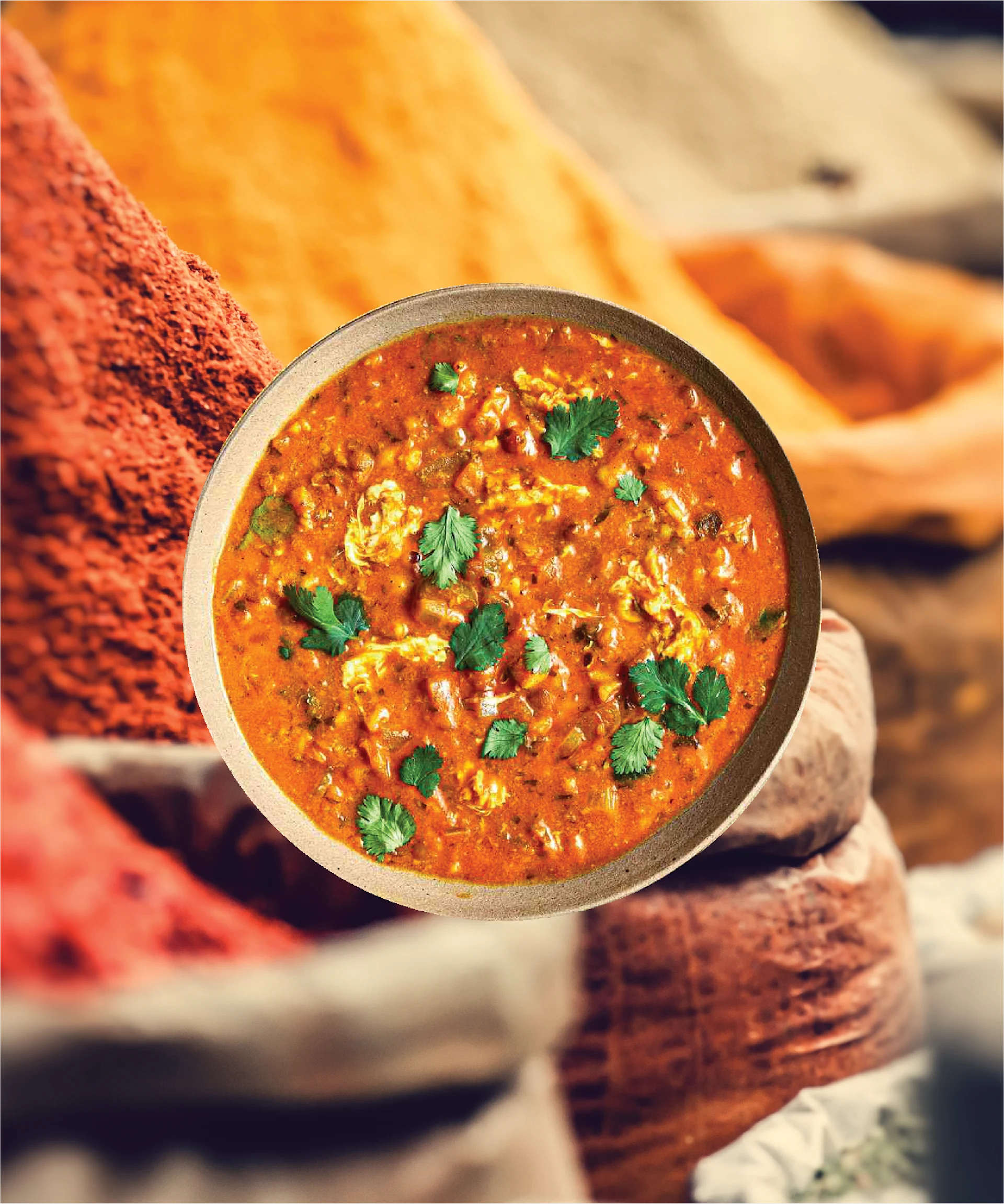
Harira
I was in southern Morocco in a little town called Zagora. It was Ramadan. Most stores and restaurants were closed during the day, so perhaps it was not the best time to be a tourist. In the evening, the shop merchants would invite you in to look around, even if you showed no interest in purchasing. “Pour le plaisir des yeux” — just for the pleasure of the eyes, they would say.
Through cookbooks, I had heard of harira, the traditional soup eaten to break the Ramadan fast at sundown. As the sun was setting, the owner of the shop began to pass around little bowls of harira to all the customers in the shop. For me, it was a wonderful introduction to harira and a definite “plaisir pour la bouche” — a pleasure in the mouth.
Harira is basically a velvety well-seasoned bean soup, usually made with dried fava beans (sometimes chickpeas or lentils). Lamb broth or meaty lamb bones, cinnamon, ginger, turmeric, tomato, and cilantro contribute to the overall complex flavor. Lemon juice brightens the whole affair. It was sensational. I think I was hooked on it immediately.
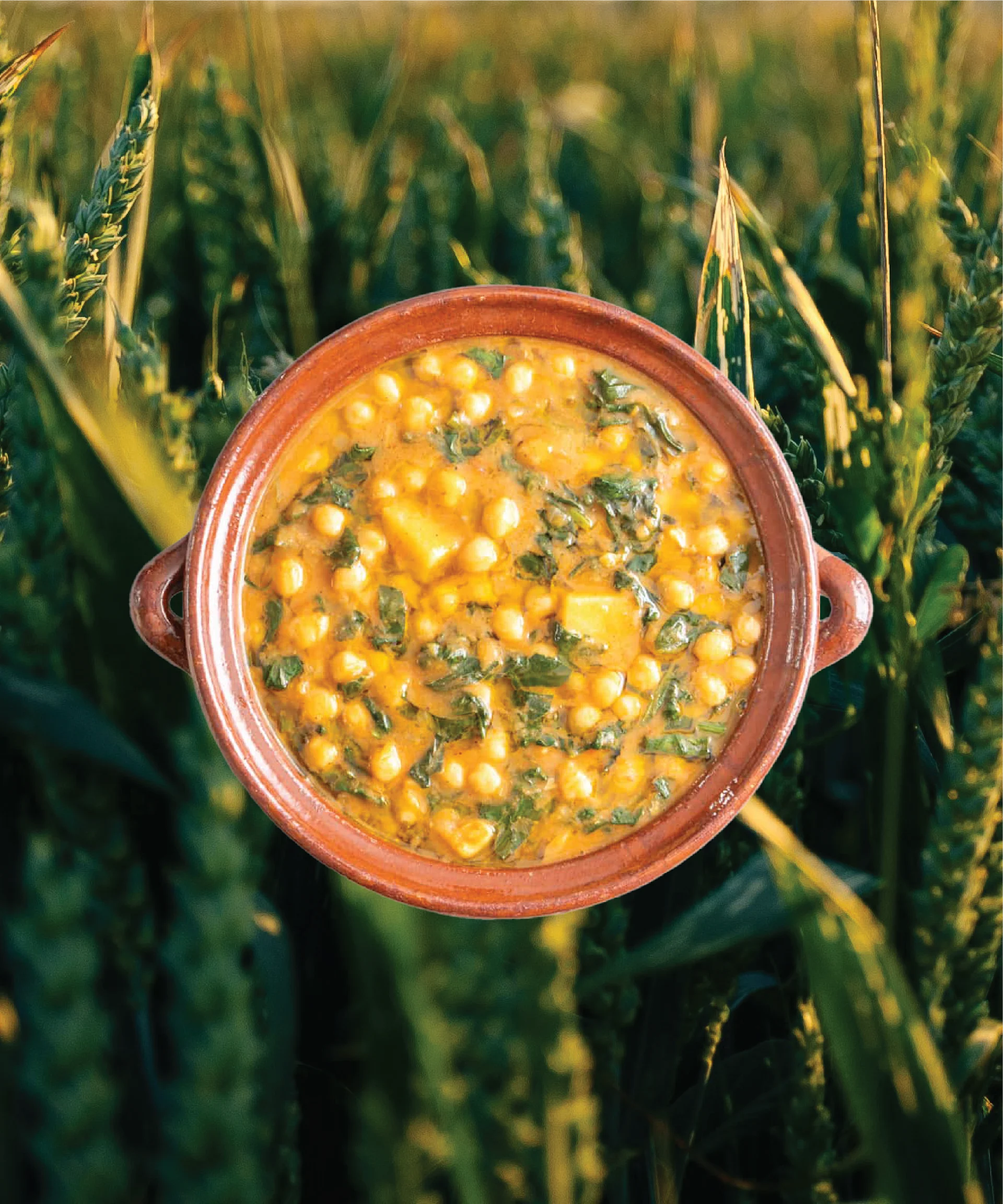
Potaje de garbanzos
I encountered a stellar soup in southern Spain, in a village not far from Seville. Tagging along with some other American aficionados of flamenco, I was invited to what was referred to as a “baptism” — an instance of something lost in translation perhaps. It was not, ultimately, to observe the baptism of a newborn child; rather, it was a post-baptism party for adults only, starting late in the evening and continuing into the wee hours of the morning.
It was mostly family and local friends, as well as some of the well-known flamenco stars of the area. We were simply hangers-on, hoping there might be some music and dancing if we waited long enough and if the somewhat unpredictable musicians and dancers attending felt like it.
It took place in a bare-bones bodega, really an empty barn-like room, with a dirt floor, as I recall. There were refreshments — drinks, of course. The beverage of choice was J&B whiskey. For those with an appetite, there were olives, radishes, and almonds for nibbling.